Arrival, Blue Lagoon, Golden Circle, Kerid crater, Geysir, Gullfoss, Seljalandsfoss, Skogafoss. Days 1-3
So, Saturday morning, July 14, our wedding anniversary. We were packing suitcases, wrapping them in plastic, cleaning the apartment. The taxi from Dubna was scheduled for 12:15, and only about 13 hours later we were supposed to be in Reykjavik.
Packing was tricky because the suitcases ended up heavier than the allowed limit, so we had to stuff some things into backpacks and jacket pockets. We could not wear the jackets because it was hot, we were not in Iceland yet. But we still had to take them on the plane because it could be cold onboard, and after landing in Iceland we needed to put them on right away. So mentally we were already ready to pay S7 for overweight baggage.
At the airport we weighed the suitcases at empty check-in counters. It turned out we were exactly within the limit, with only 1-2 kg to spare, though I had been afraid our home scales were inaccurate. We got into the departure area with two overstuffed backpacks and a bag. By the way, this was the first time we used an airport trolley. Very convenient. I had always thought they were paid, but they were not. So we loaded all our luggage onto it and rolled around with it until check-in.
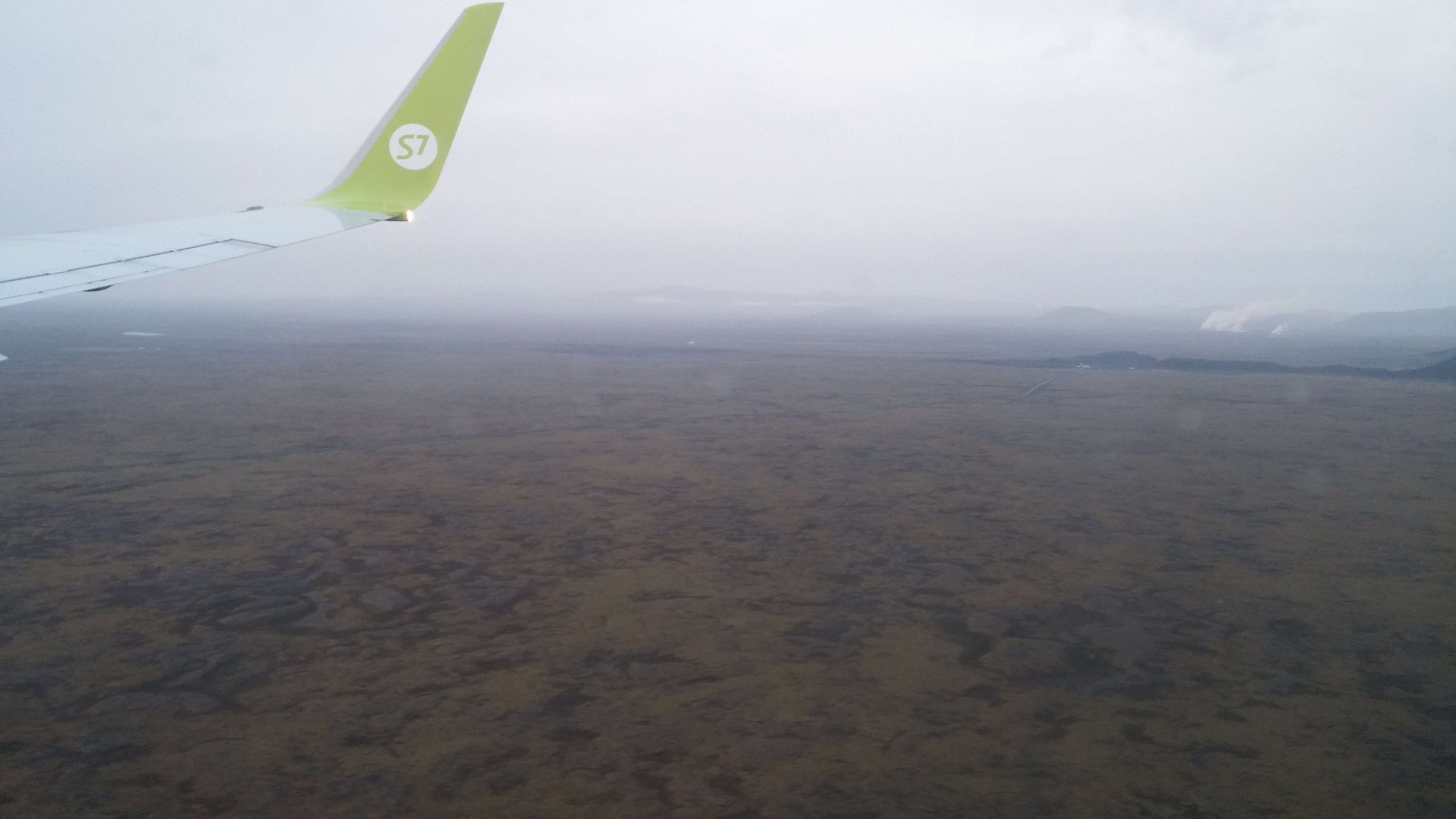
We boarded the plane. It had been a long time since I had flown on one like that. It was more like a minibus in the sky: only six seats per row, a rather worn cabin, and very little legroom. Almost everyone onboard was Russian, all discussing where they were going, who was renting a car, who planned to head into the mountains with a tent. Five and a bit hours in the air and we were in Iceland. Time there is different, so the clock had to be set three hours back. We left Moscow at 20:10 and landed in Iceland at 22:20. Of course that was only thanks to the time zone, but it still felt nice.
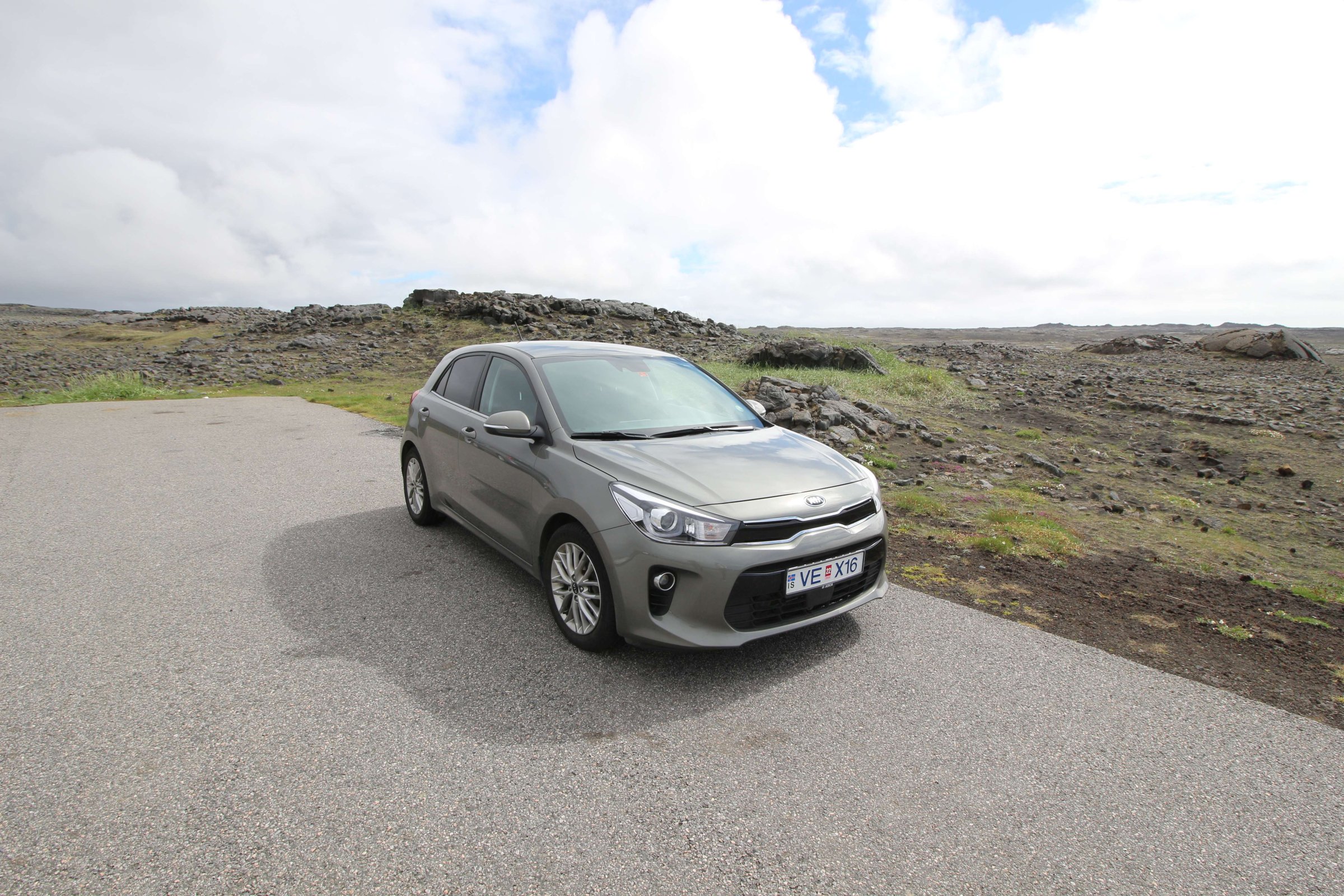
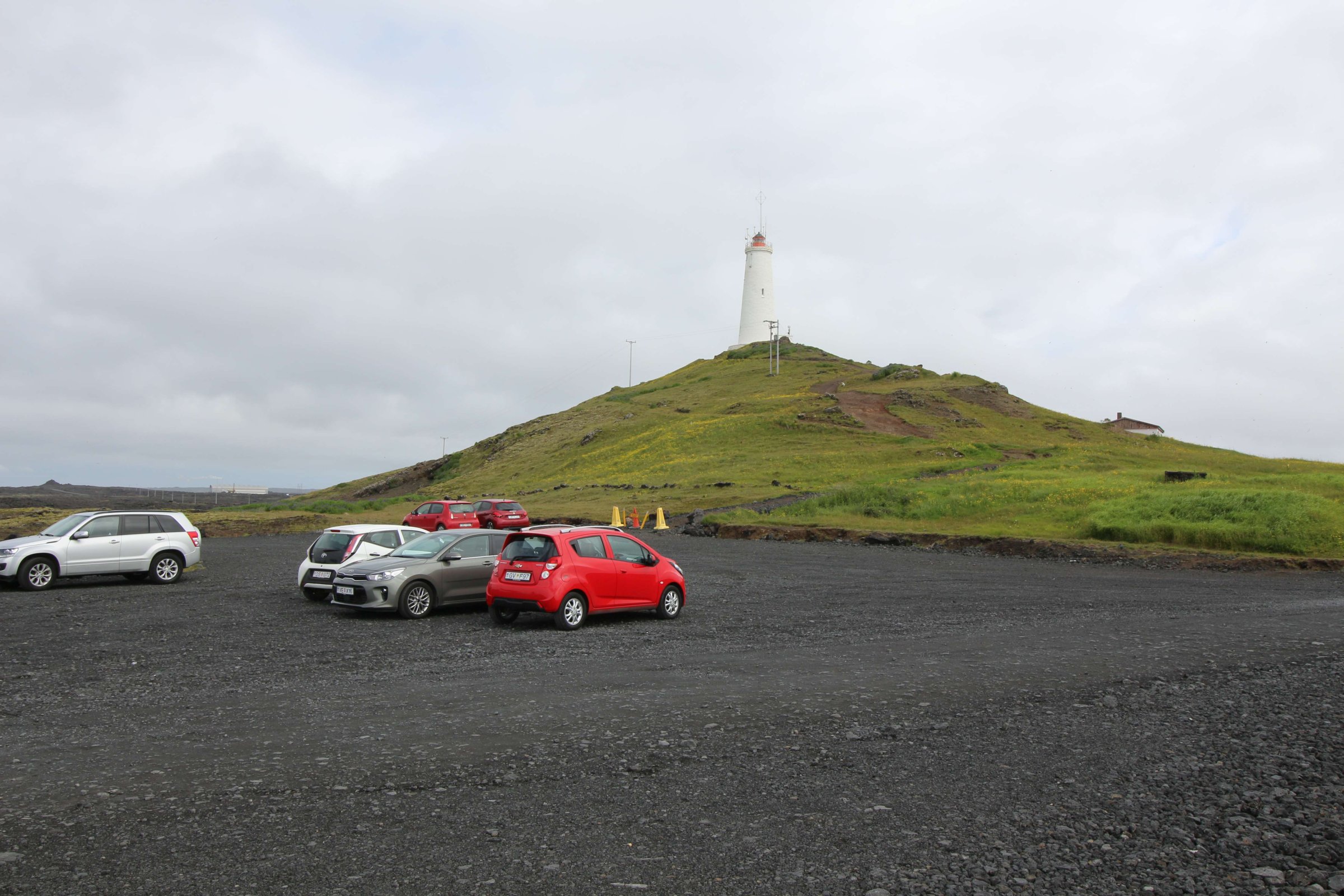
We stood in line for a long time before leaving the airport, but while waiting we could already use DrimSim. We picked up our luggage and started looking for a SIM card with cheaper internet. In the end we bought a Siminn card with 10 GB for 1,800 RUB from the green grocery shop at Keflavik Airport. It is to the right of the arrivals exit, and you have to ask for the SIM at the cash desk. I also withdrew Icelandic krona from the airport ATM from my Yandex card, the equivalent of about 10,000 RUB. Yandex allowed that amount without commission during the month, but the Icelandic bank still took its own fee, about 180 RUB. After that we went to find the rental company. It was cheaper than the usual ones, so the car pickup point was outside the airport. Buses go there every 15 minutes. One came quickly. We got to the office, and by then it was already around 23:00. A guy was behind the counter, and it turned out he understood a little Russian because he was from Lithuania. We chatted a bit, and he gave us a car. Not the one we had booked, though. Instead of a Volkswagen Polo we got a Kia Rio. He said the Kia Rio was actually more fuel efficient. There was also one extra free option: a navigator. Usually that costs a decent amount.
We ended up liking that car so much that after we came back home to Dubna and started thinking about buying a car for Sveta, we decided to get one from the same brand. We bought a Picanto instead of a Rio because it is more compact and economical. The interior is nearly the same, so getting used to the new car in Russia was easy.
We spent a bit of time figuring the car out and then drove to the nearby town of Gardur. I had booked our first night's accommodation there. I specifically had to find a place that accepted late arrivals because we were landing very late. In fact it was a guesthouse. Luckily we were not the only late arrivals. Chinese travelers showed up three minutes before us, so we did not feel awkward checking in that late. The room was tiny, and we barely managed to fit the suitcases in. Sveta went to sleep, while I spent a long time sorting things out, rearranging our gear and dealing with the SIM card. The trip ahead still felt like a big unknown. On the first day of any trip there is always that uneasy feeling: you are somewhere far from home, in a strange place, with a lot of places still ahead. Later you get used to it.
Sunday morning, July 15, looked like it was going to be a hungry day, because in Europe shops are usually closed on Sunday. Jumping ahead, I can say that we did eventually reach an open store closer to evening. But first we just walked to the guesthouse kitchen to have our free breakfast buffet. There was cheese, ham, jam, the usual European breakfast. As usual we boiled water and filled our thermos for the road. After breakfast we started our trip. By the way, when we were leaving, we noticed several gas canisters standing outside the entrance. I took one of them, even though it did not sound very full.
The weather was miserable. A fine drizzle was falling, and we had already begun to worry that it would stay like this the whole time. After all, this was Iceland.
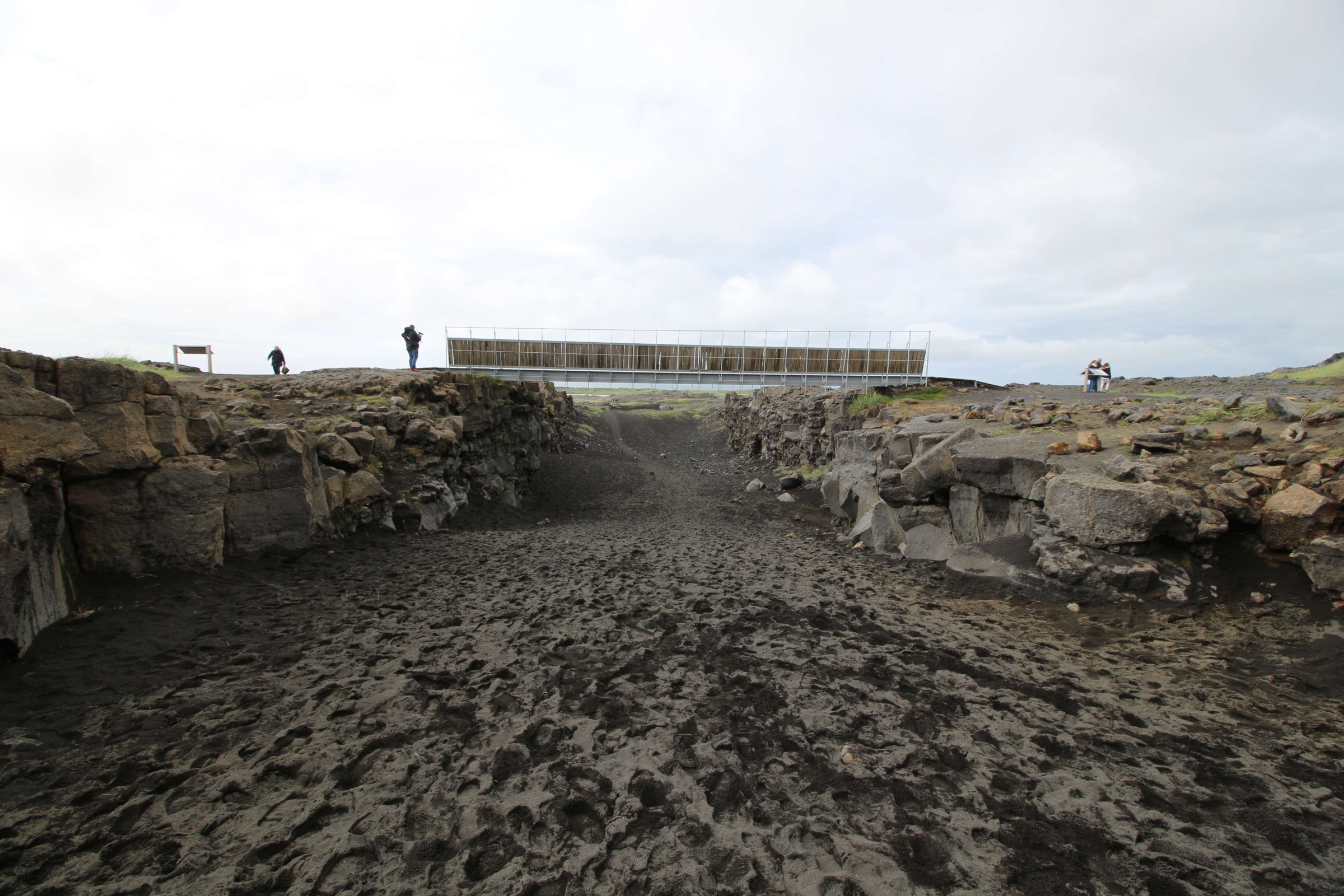
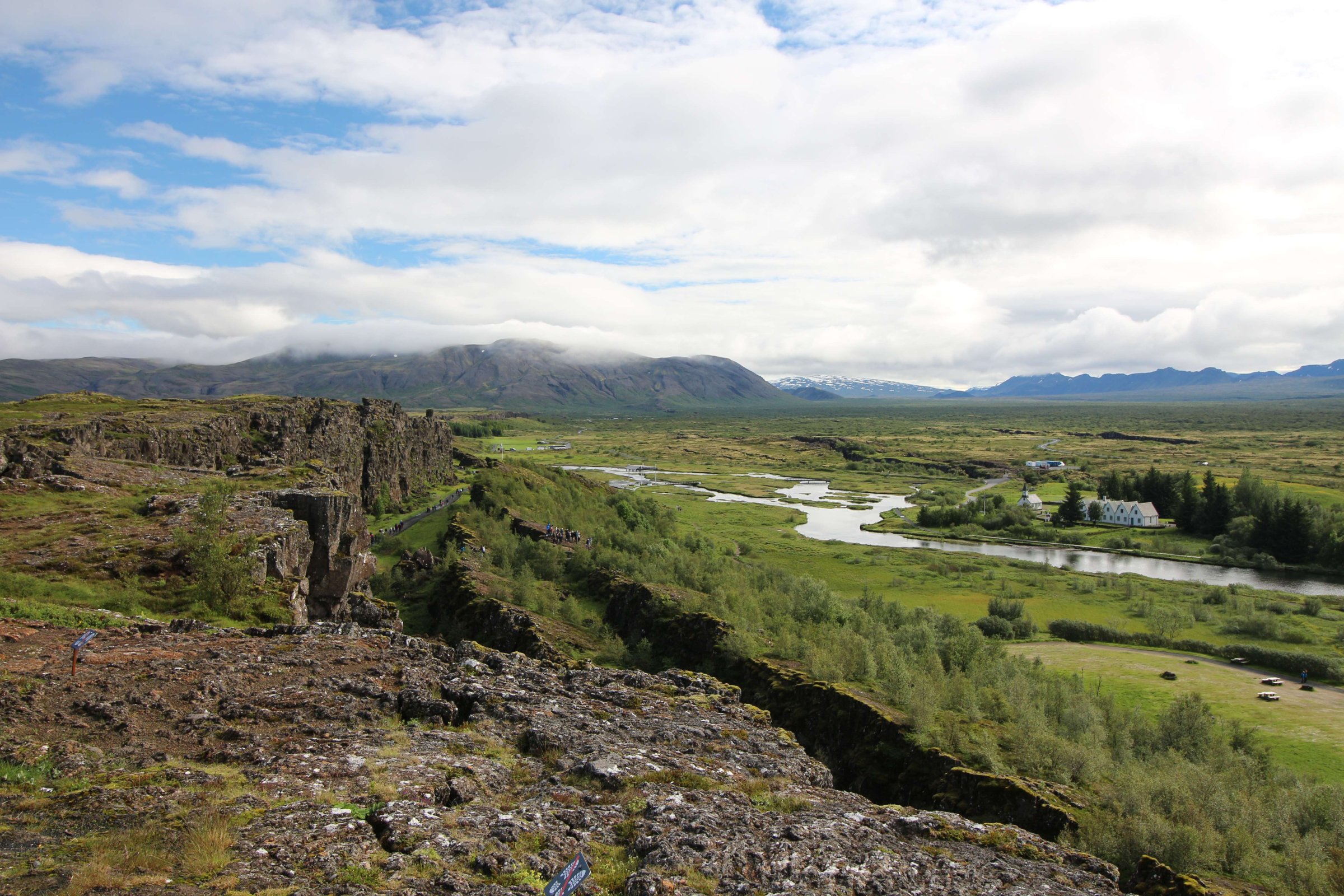
The first attraction on our route was the bridge between the European and American tectonic plates. In reality it was nothing special, but it was a symbolic place.
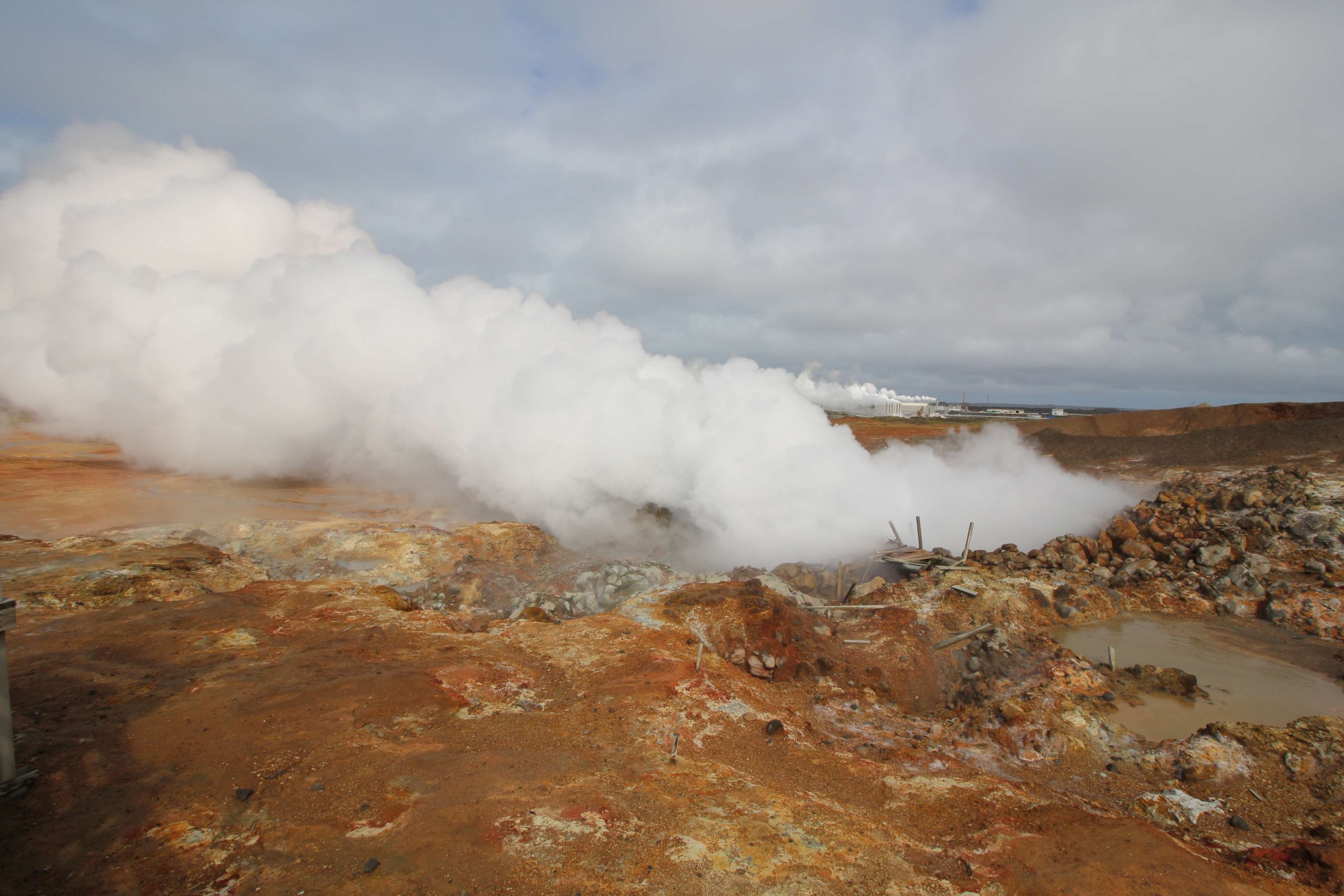
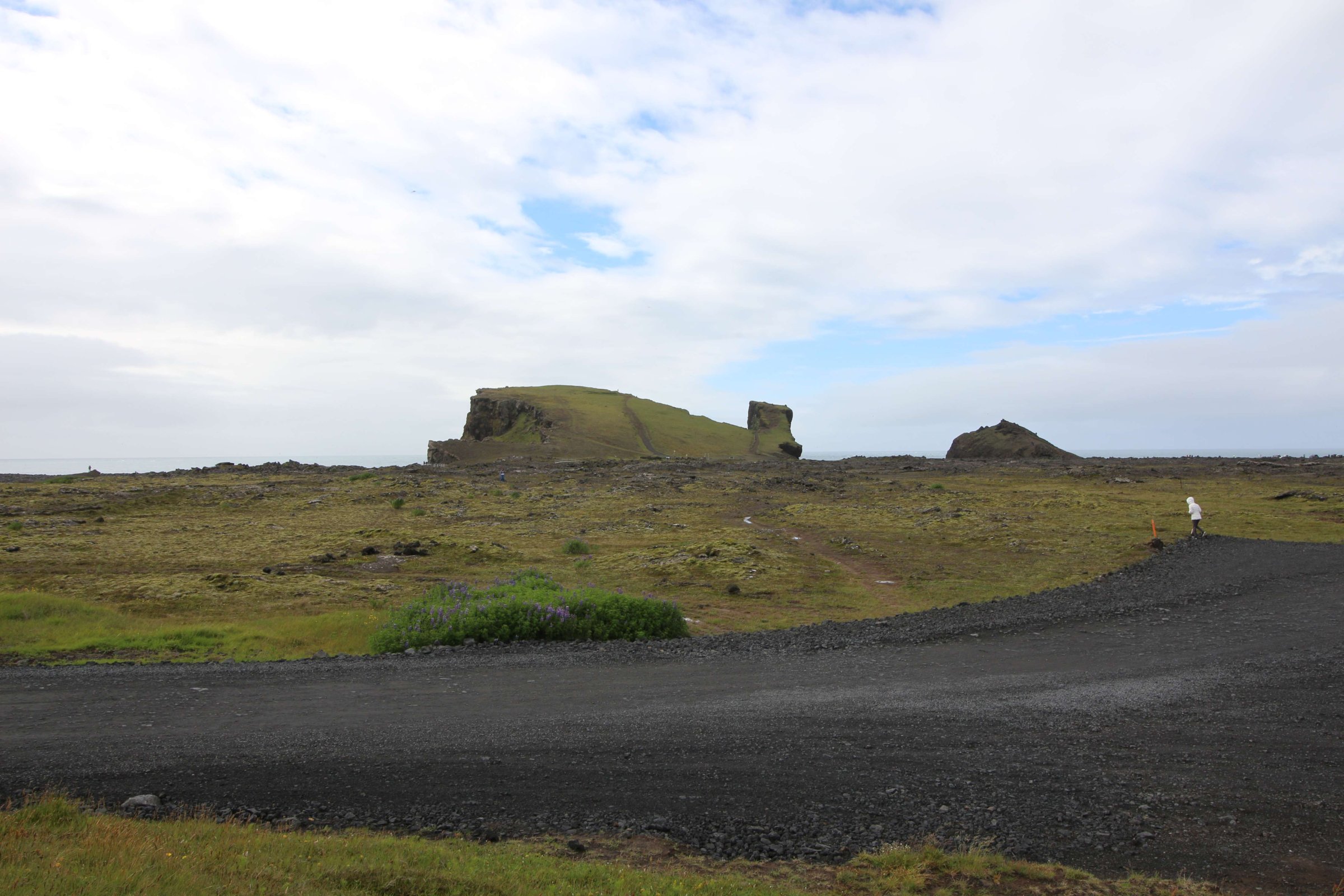
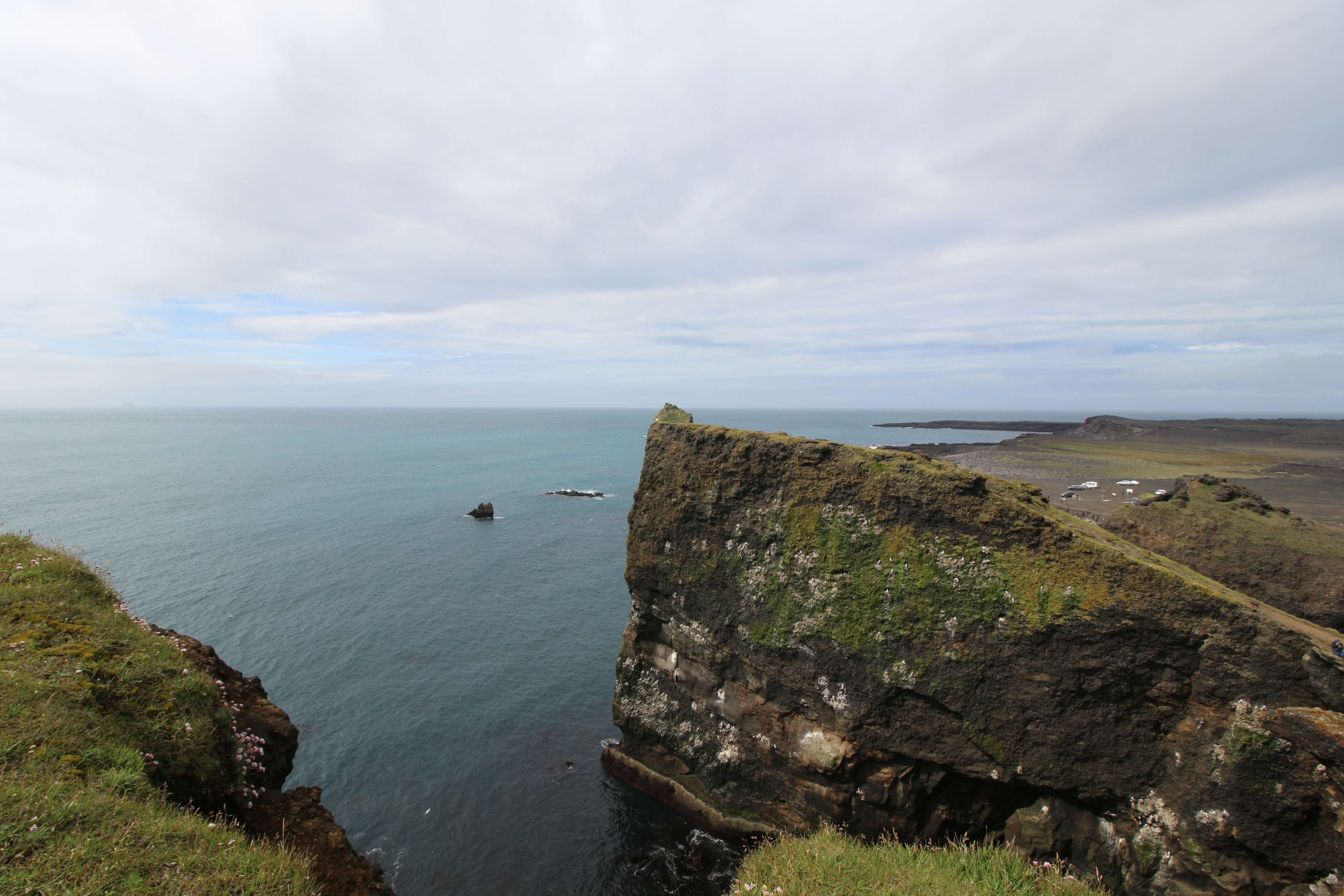
After that we stopped by a place that was supposed to have the strongest waves in Iceland. They were not there, but there were beautiful cliffs and, somewhere in the distance, a bird island inhabited only by birds. Near that place there was also a hydrogen sulfide spring. At first it felt exotic, but by the end of the trip we had seen plenty of such springs.
By the way, before that we had been walking around just in jackets and thought it was perfectly fine. In the end we started changing clothes properly. We took off our ordinary sneakers and shoes, put on hiking boots, and wore another pair of pants under our jeans. It became much warmer, and then we could walk around attractions without freezing.
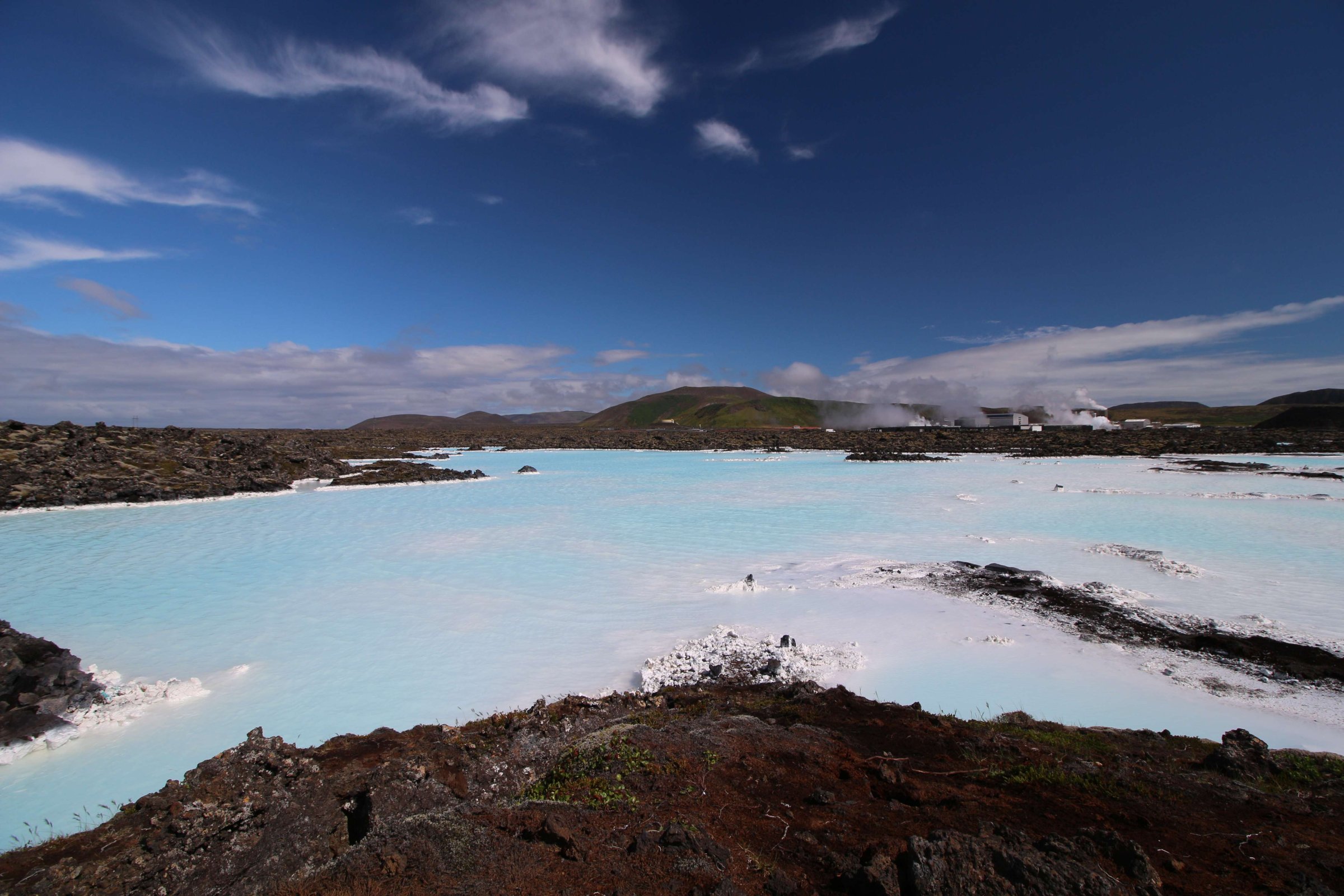
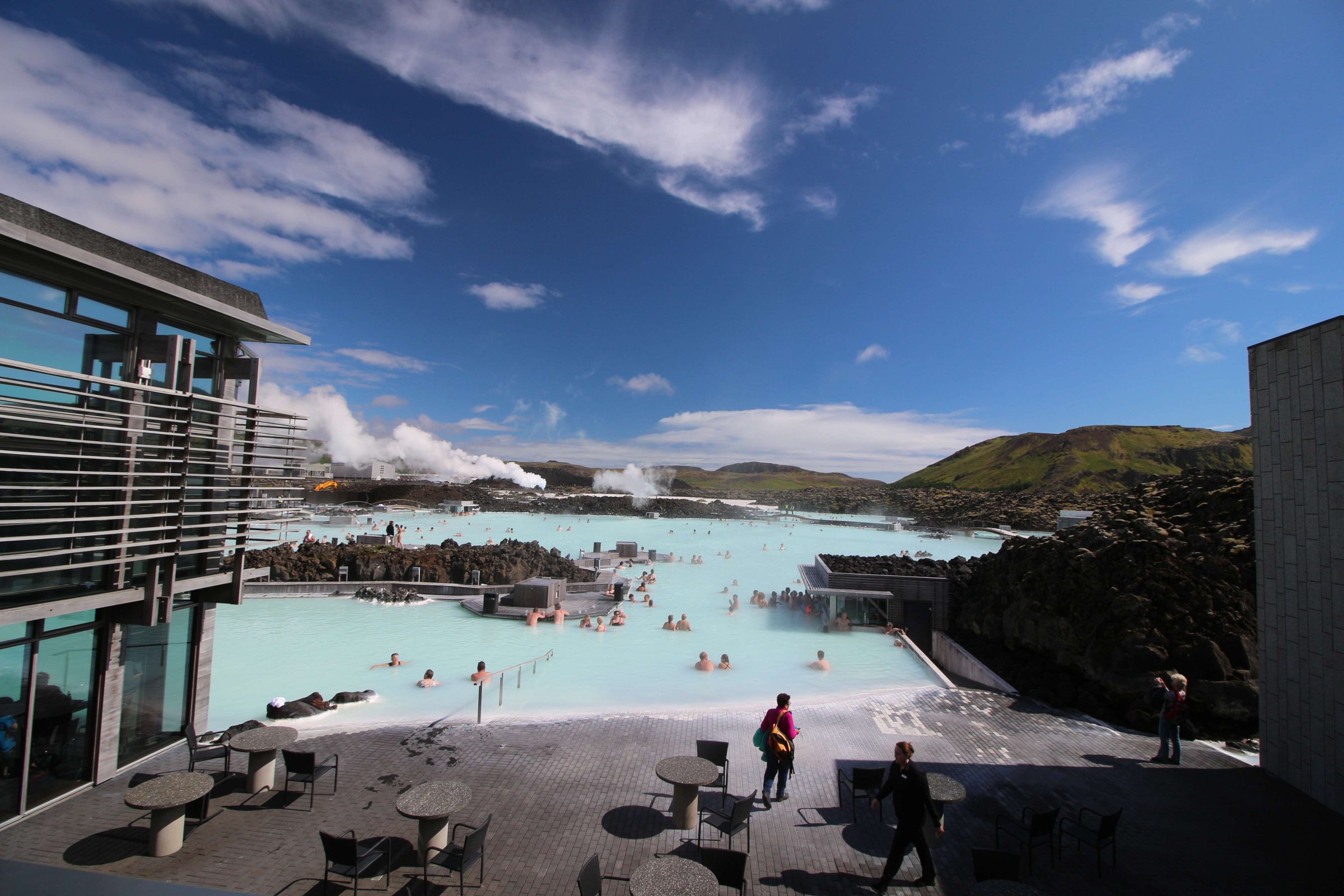
Next we drove to look at the Blue Lagoon. We were not planning to swim there because we had decided to try a similar lagoon on the other side of the island, where there should have been fewer people. We walked around the Blue Lagoon, and they even let us out onto a balcony so we could watch people bathing.
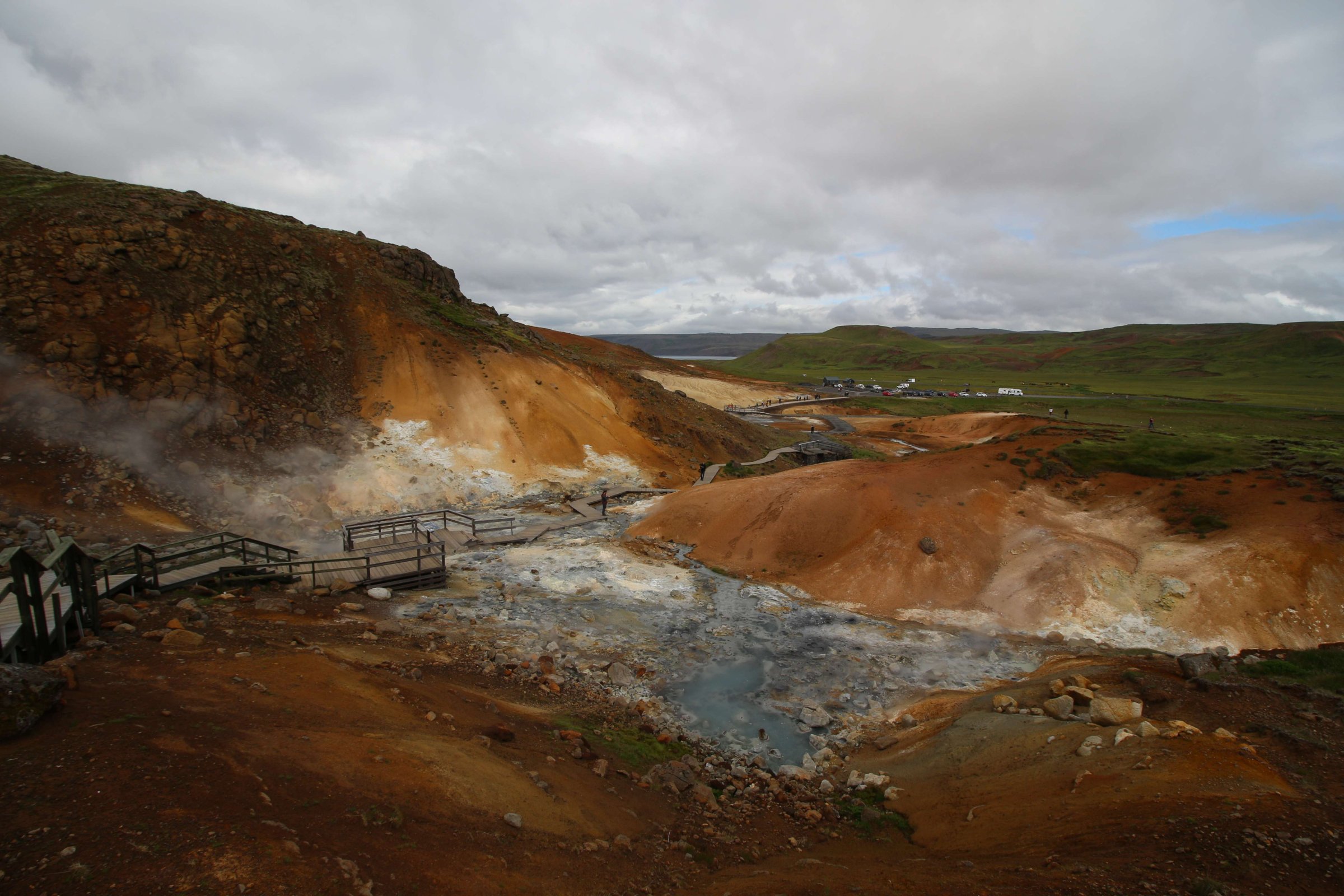
Then we drove to the next point. It turned out to be yet another hydrogen sulfide spot. We looked at the mud craters and walked a little uphill. Nothing too special.
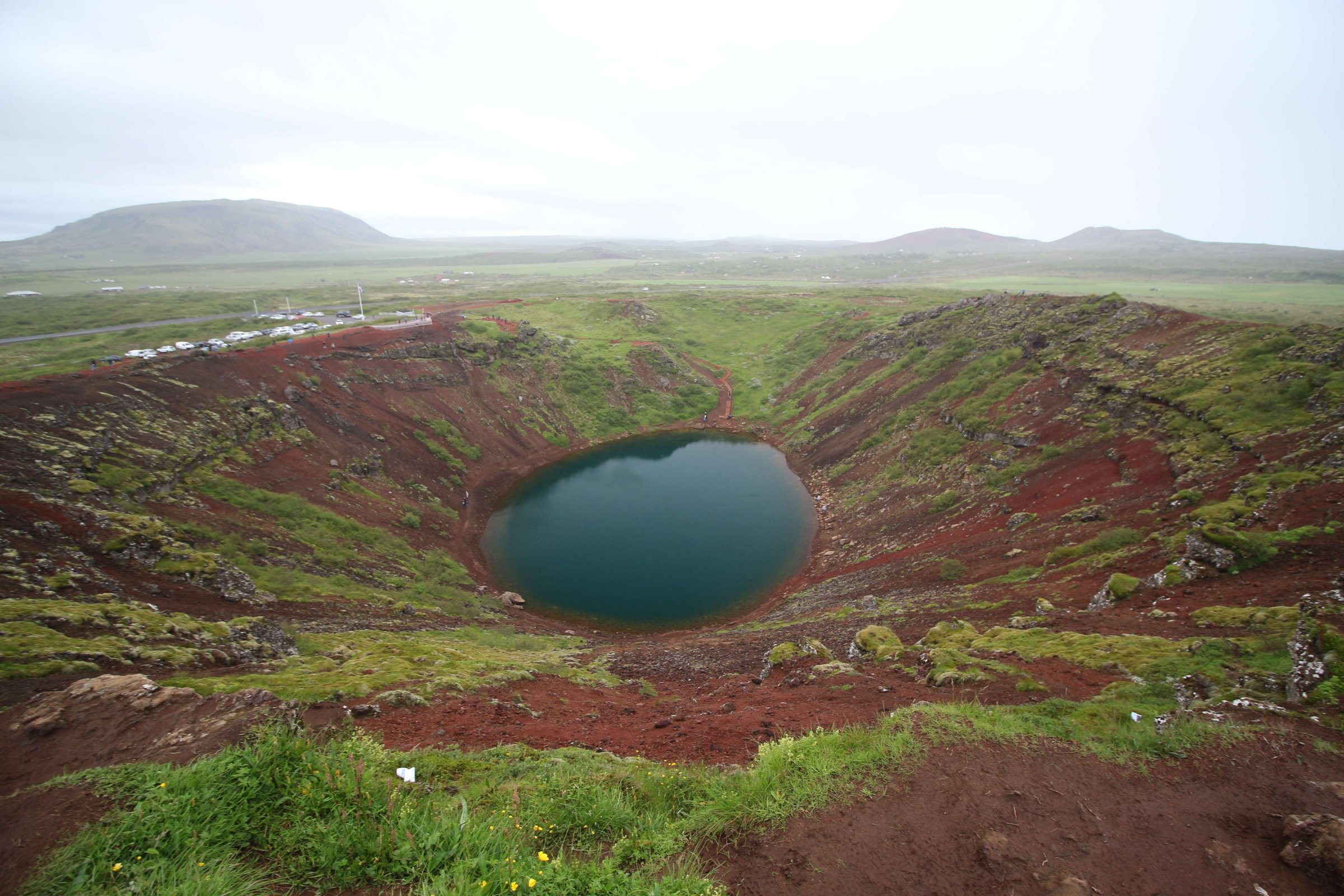
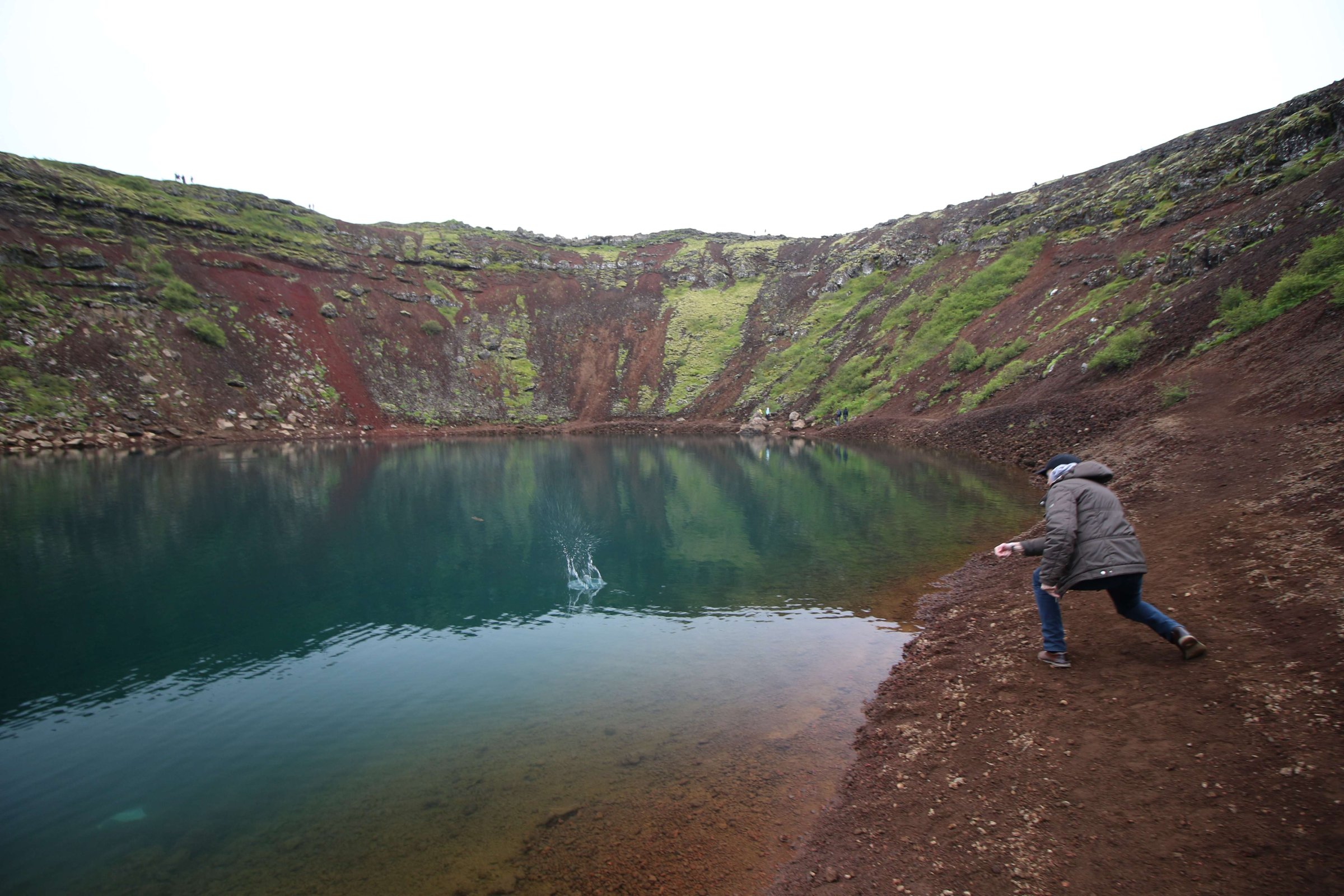
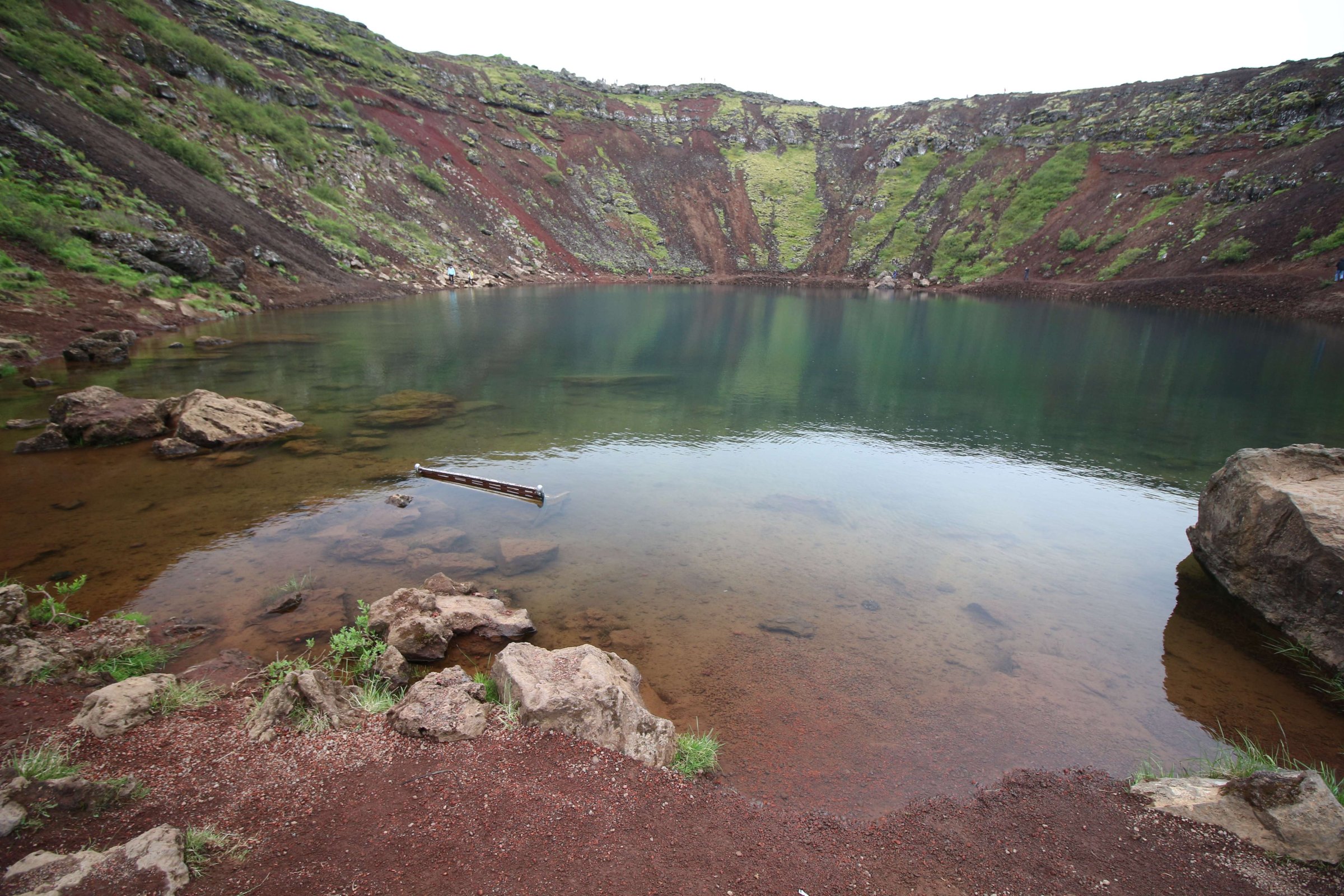
Then we kept going. We managed to stop at a Bonus supermarket and stock up on food. The first supermarket stop on a trip is usually a big one. The total surprised us, about 2,200 RUB. Yes, food there was not as expensive as in Norway. And before the day ended we also managed to visit Kerid crater.
Then we started looking for a place to sleep, and this was where we made a bad decision. We drove into one campground that had a ridiculous number of little flies, something like fruit flies. They do not bite, but there are many of them and they constantly try to fly into your eyes. While I was paying, it did not seem that terrible. But when I finished and it was time to pitch the tent, there were so many of them that at first we did not know what to do: leave and give up the money, or try to get it back and drive away. In the end we decided they were not going to eat us, so we had to try setting up the tent and spending the night there. It was the first tent setup in a year, so we were a bit slow, and the flies kept hurrying us along. Every time we opened the car doors, more and more flies gathered inside. There were fewer inside the tent itself because we quickly figured out that they followed human warmth, so they flew toward people to keep warm. We even started running in circles so they would temporarily lose track of us. That actually helped. Later it began to rain, and there were fewer of them. The night was bright. The sun may have dipped below the horizon, but only barely.
On Monday morning, July 16, we woke up early, washed up, and cooked porridge in the campground's shared kitchen. The weather had already improved, with the sun beginning to appear.
We drove on. Sveta and I were not the only living creatures in the car. About 200 more were riding with us. The flies. They were everywhere. But to be fair, they did not bother us much. They sat quietly in their places. We opened all the windows, accelerated to 100 km/h, and the wind blew them out of the car. Some of them refused to leave peacefully, so we had to help them with our hands. A few did not survive the process and earned the honor of being smeared across the Kia's ceiling.
Anyway, we kept driving. Next came a place where one tectonic plate stands about 20 meters higher than the other. Apparently we approached it from the non-tourist side, from behind, so nobody charged us money. There were no tourist buses either. They were all on the other side, though I do not know whether people paid there.
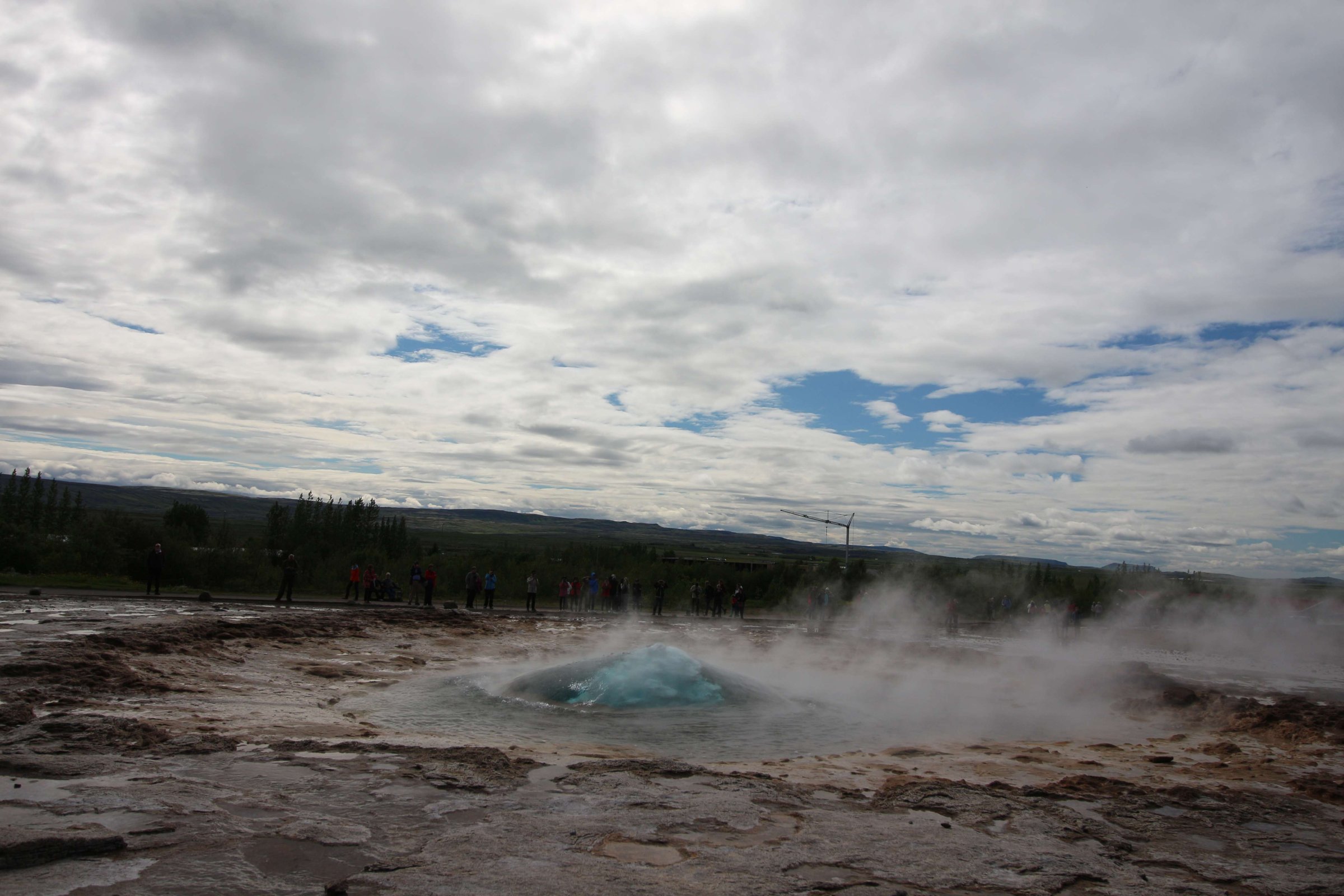
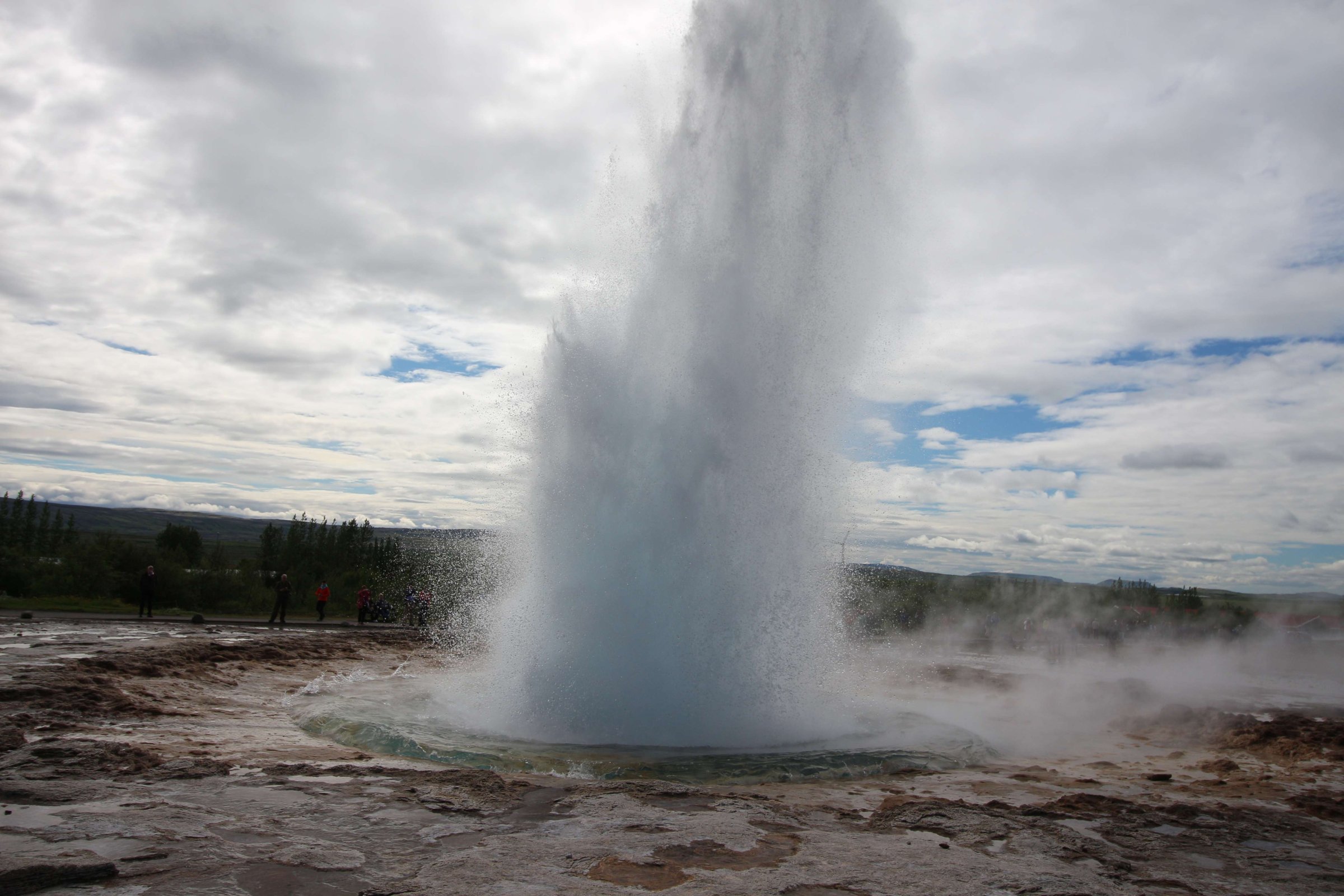
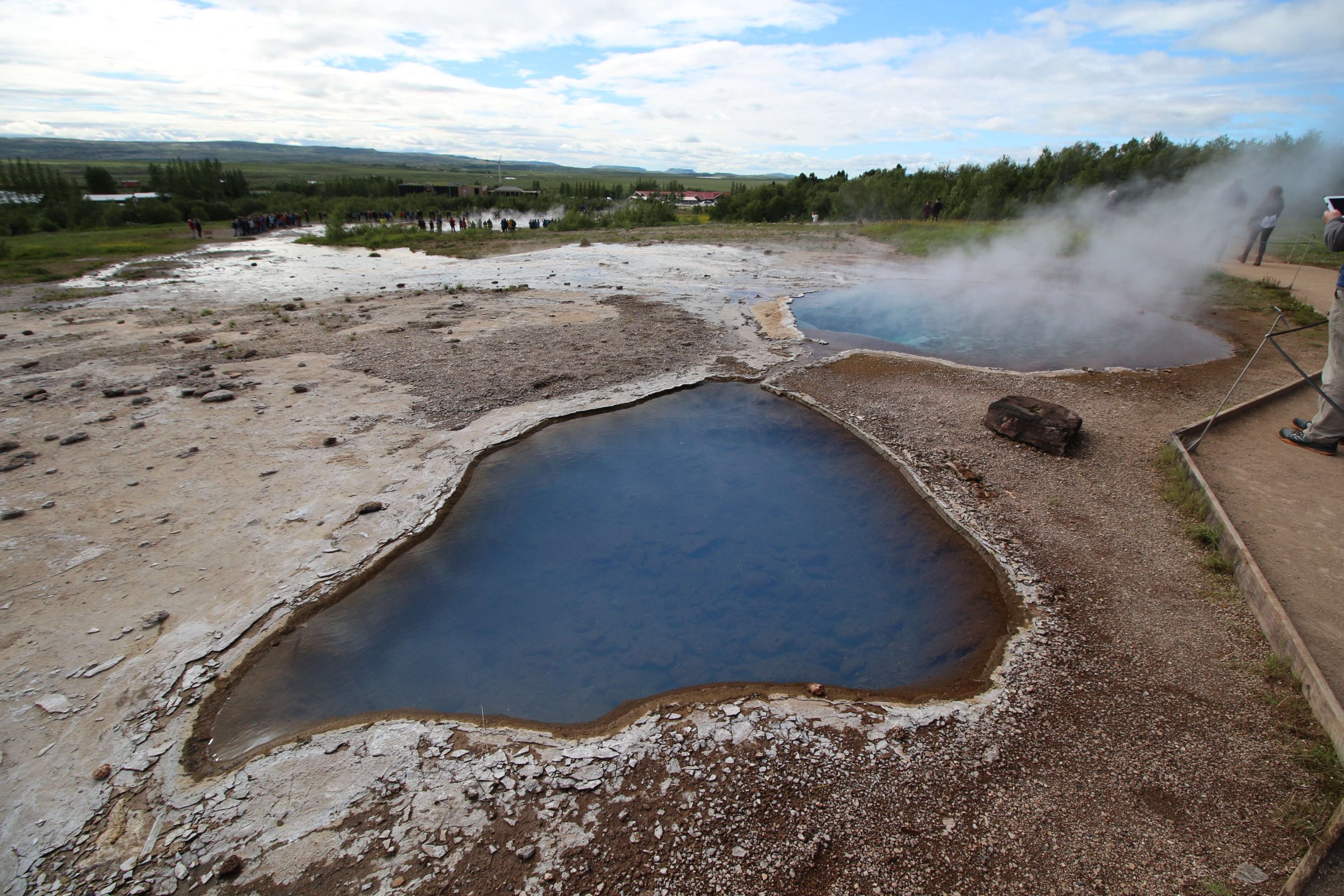
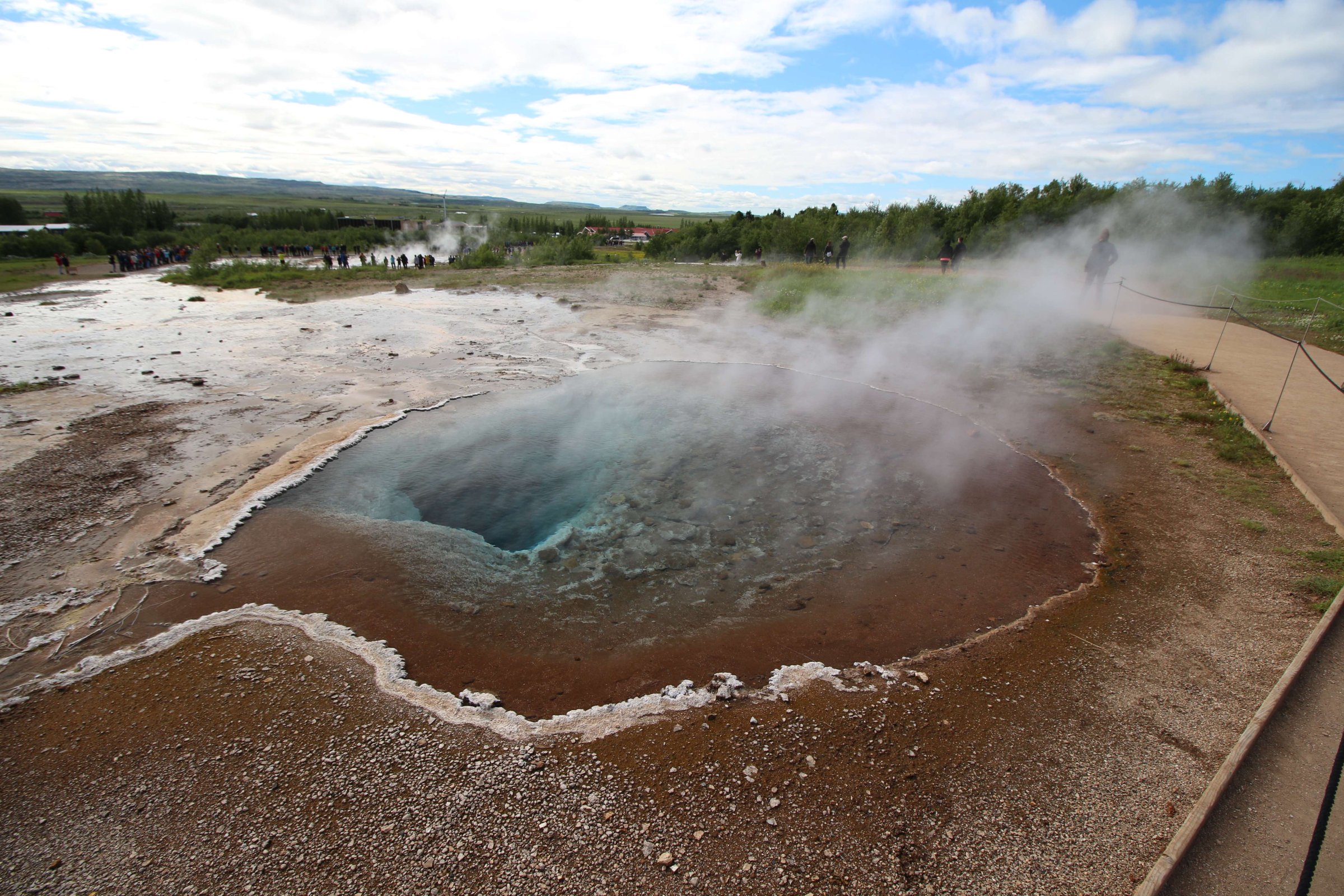
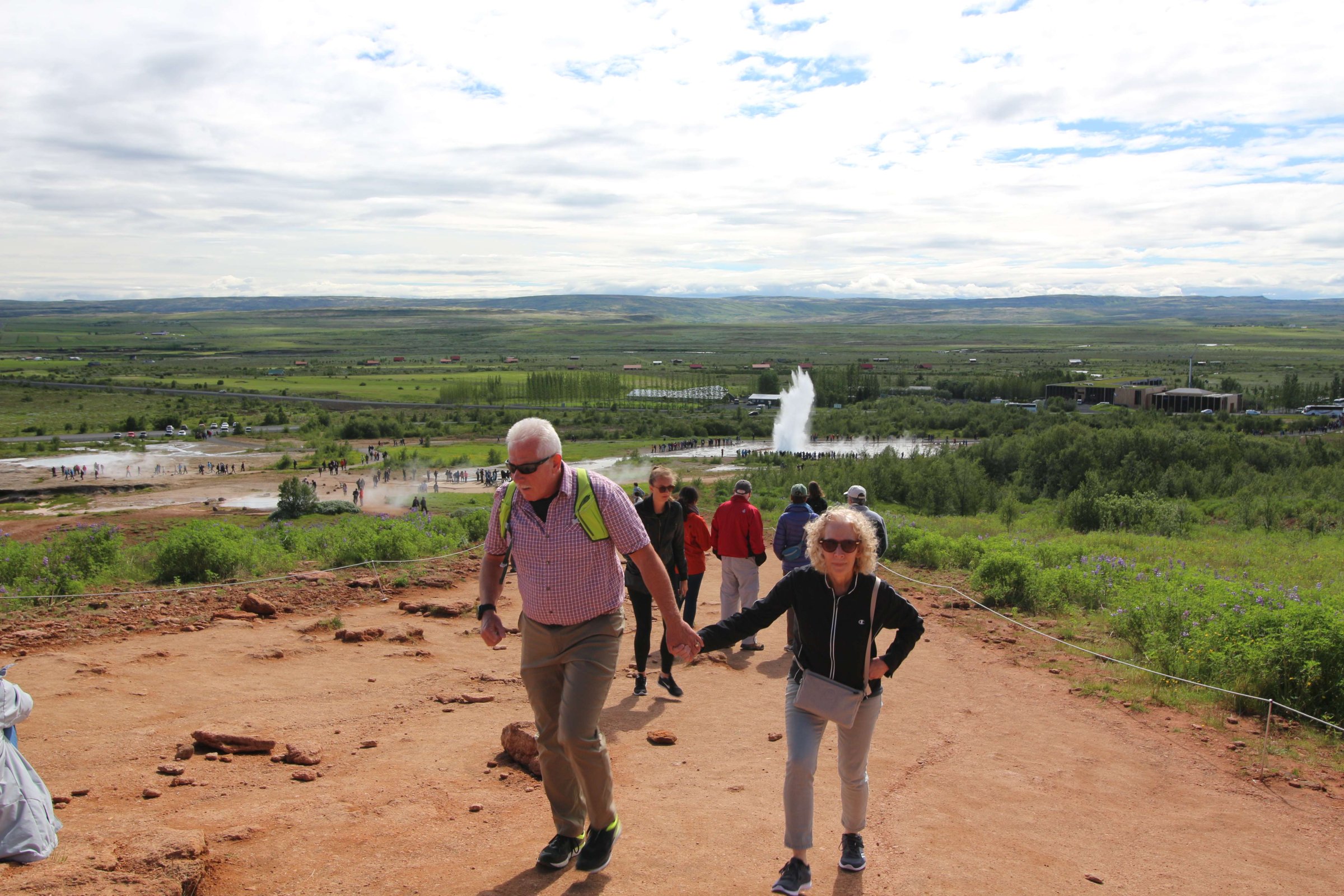
Then we continued to the geyser valley. There is one giant geyser there, but it either erupts rarely or does not erupt at all. There is another smaller one that erupts every 5 to 15 minutes. We watched it go off three or four times from close up and then several more times from farther away while walking around the rest of that area.
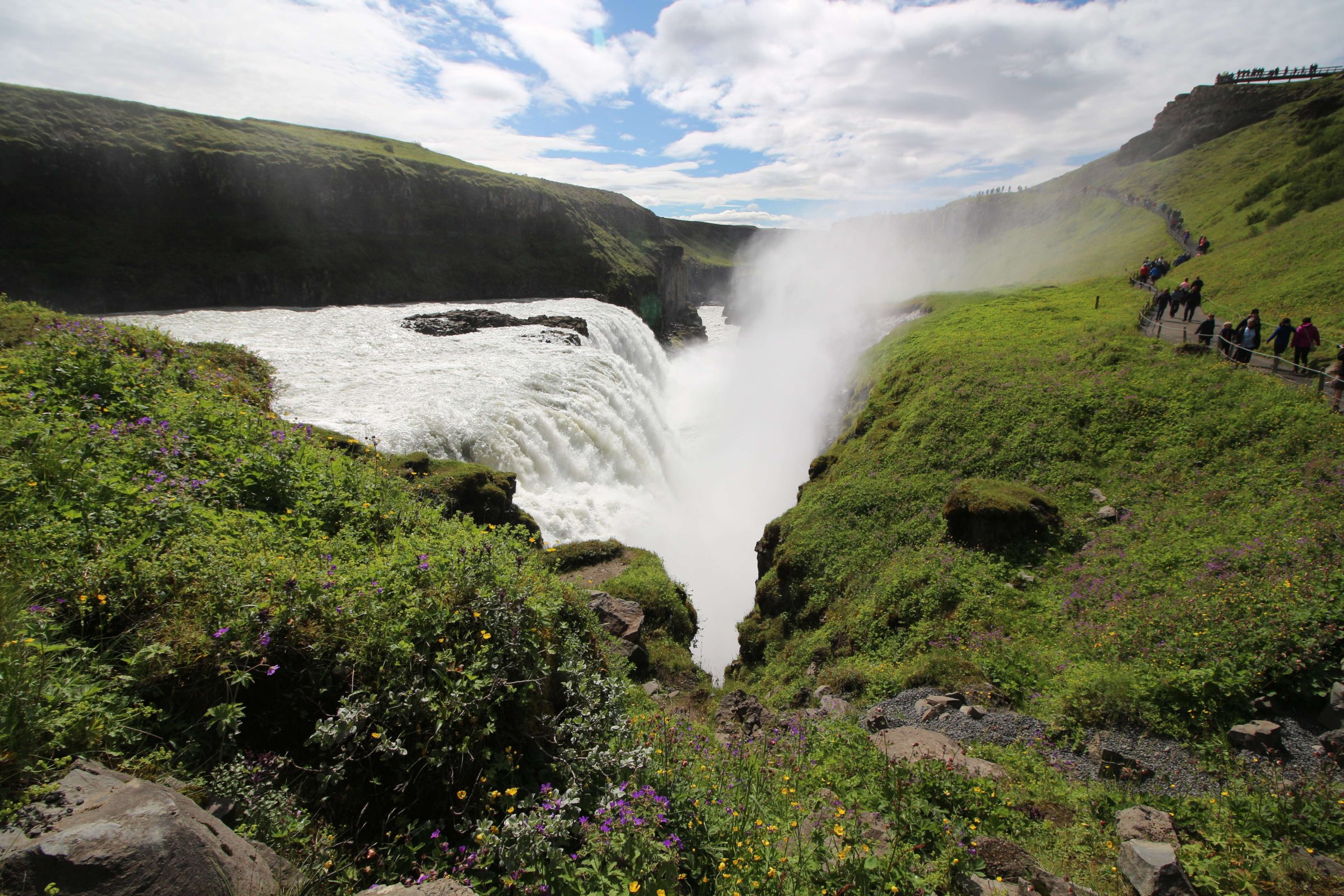
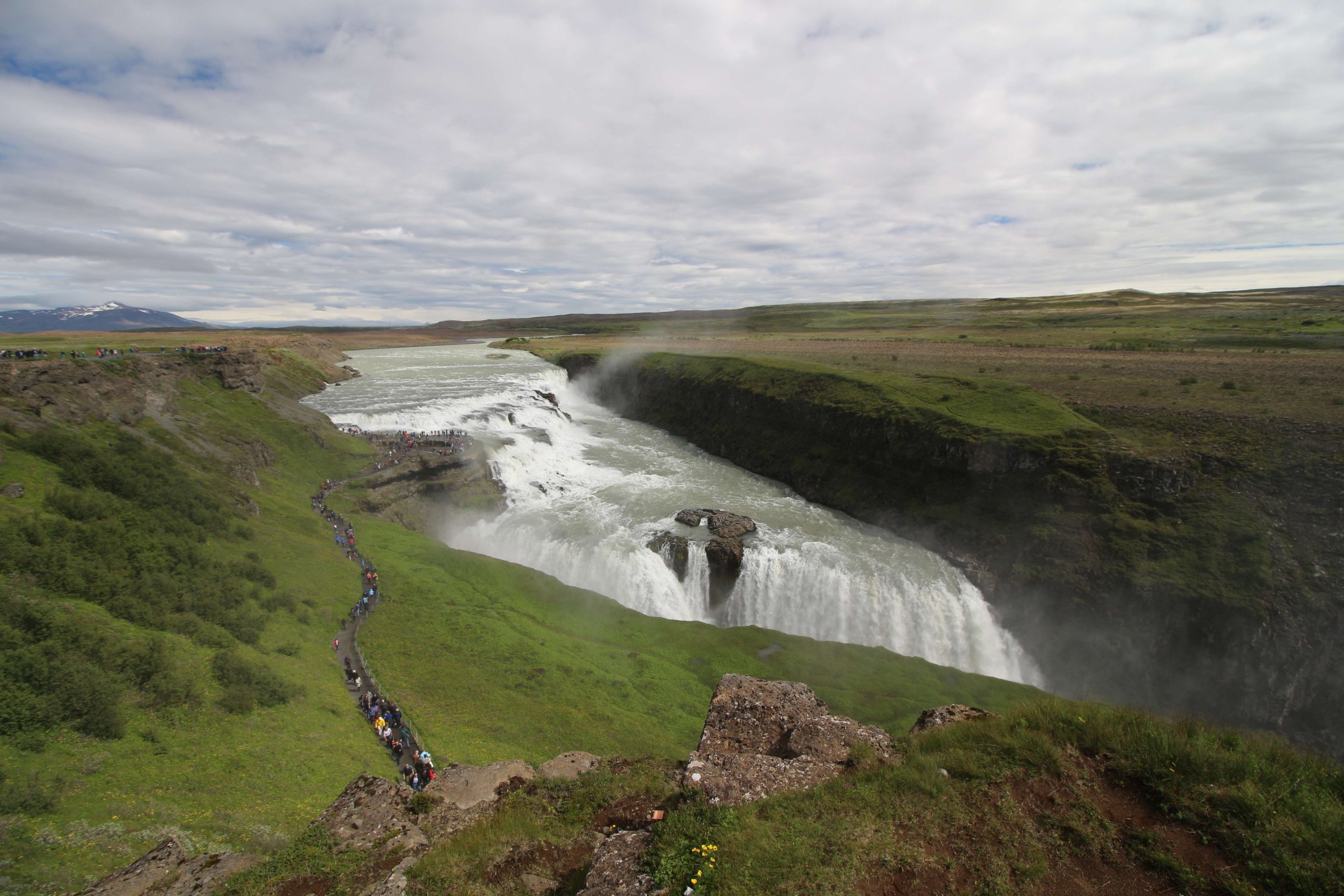
The next stop was Gullfoss. To my mind it is one of the biggest waterfalls in Iceland. There is an even bigger one on the other side of the island, but that one carries muddy water, while this one is relatively clean.
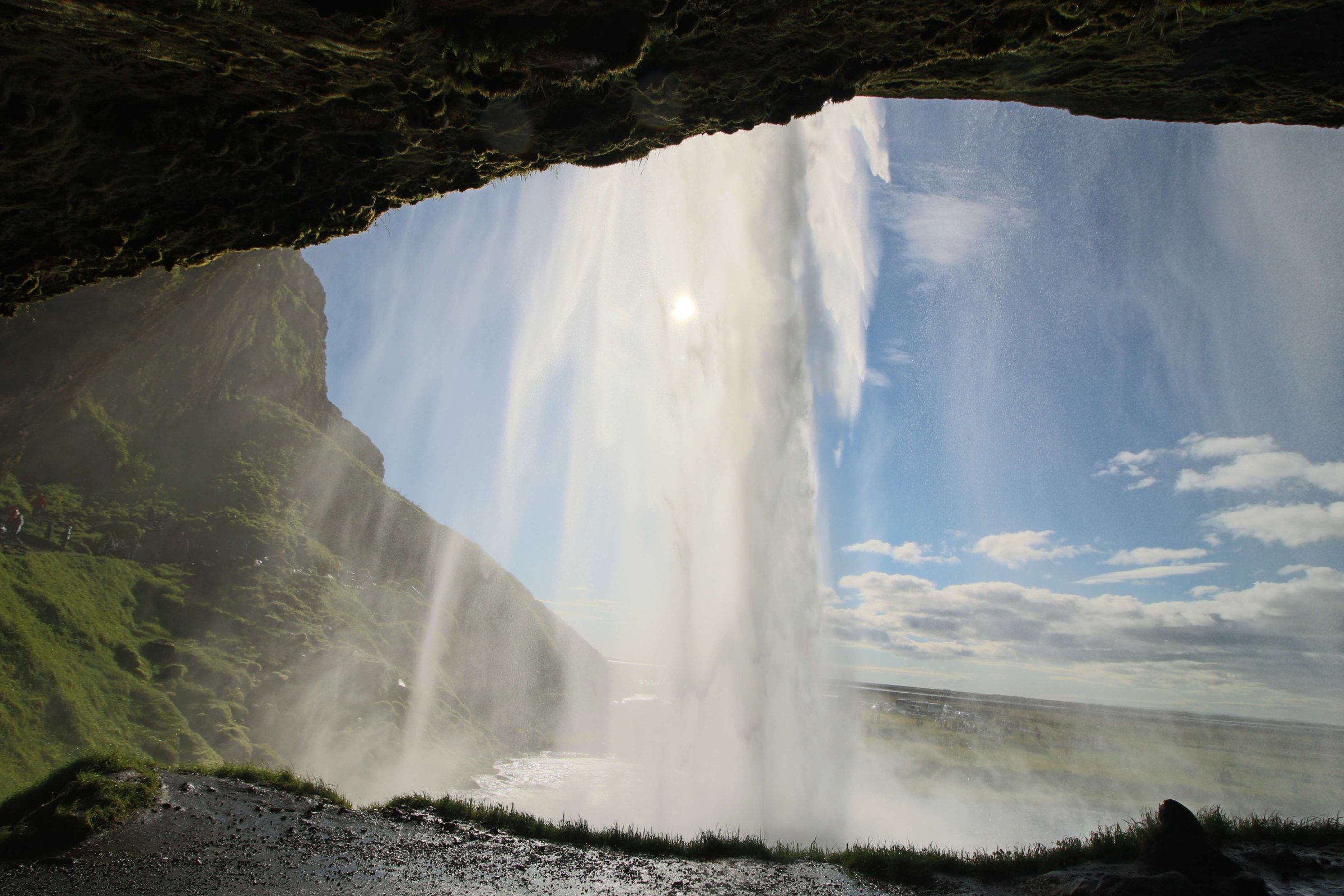
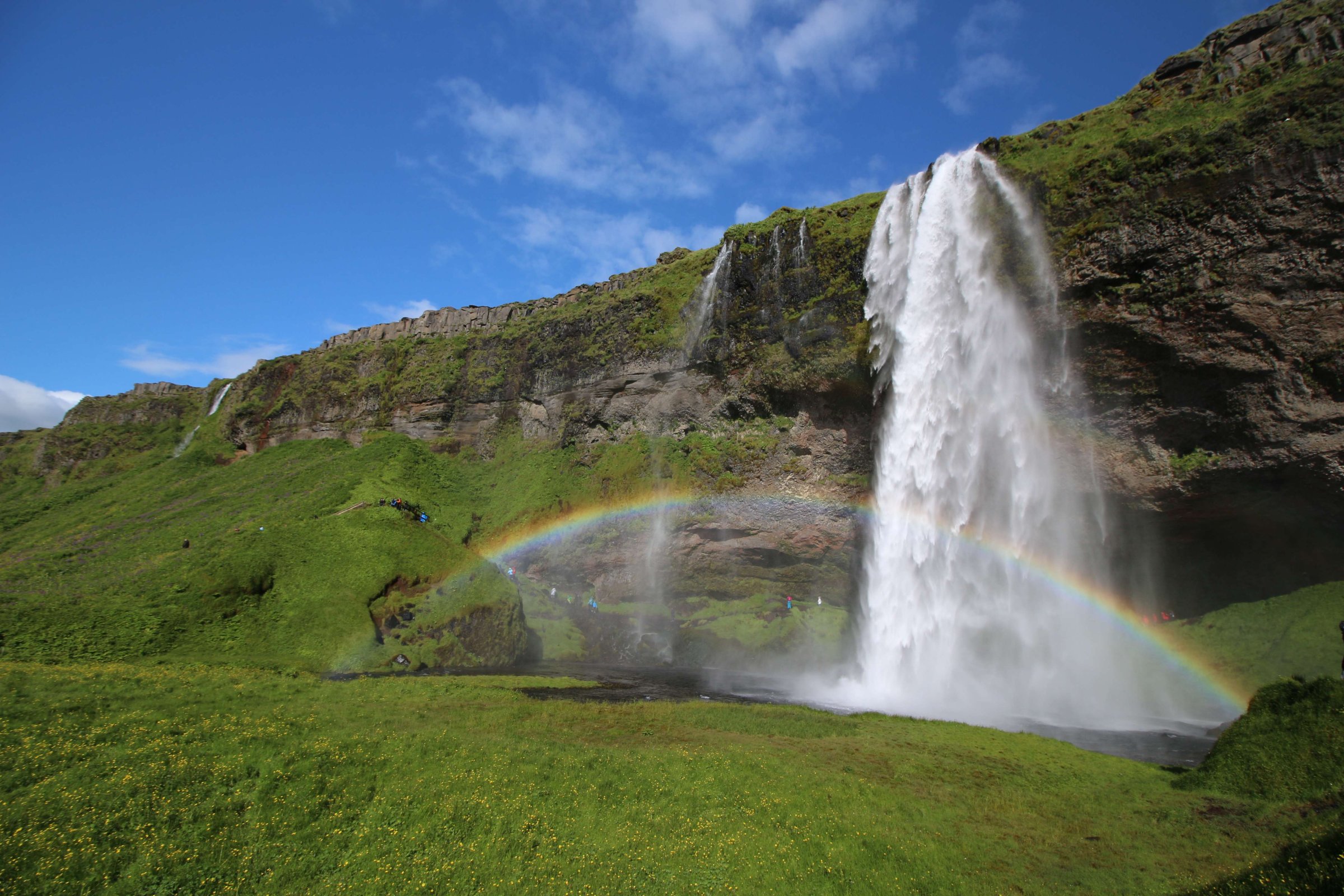
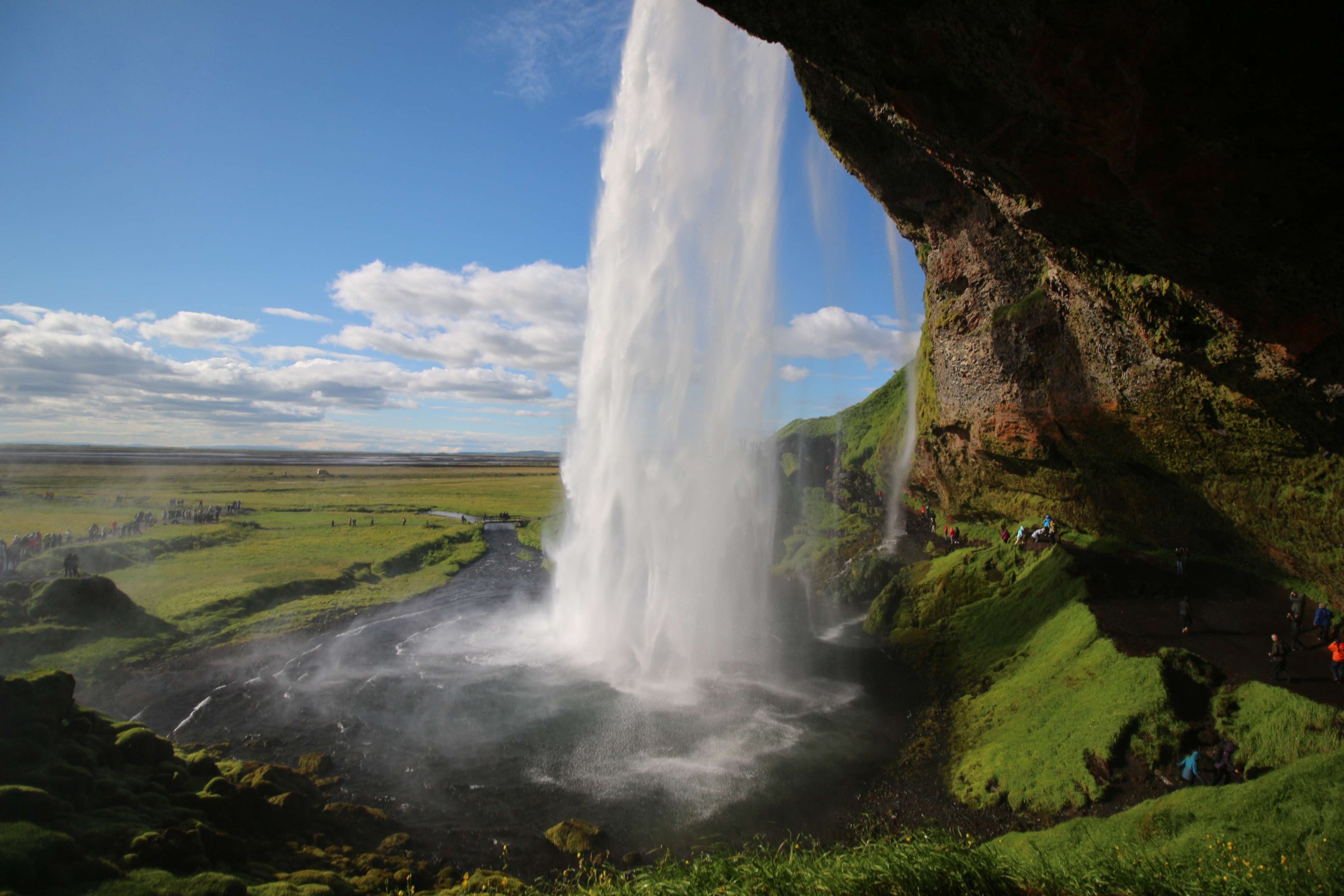
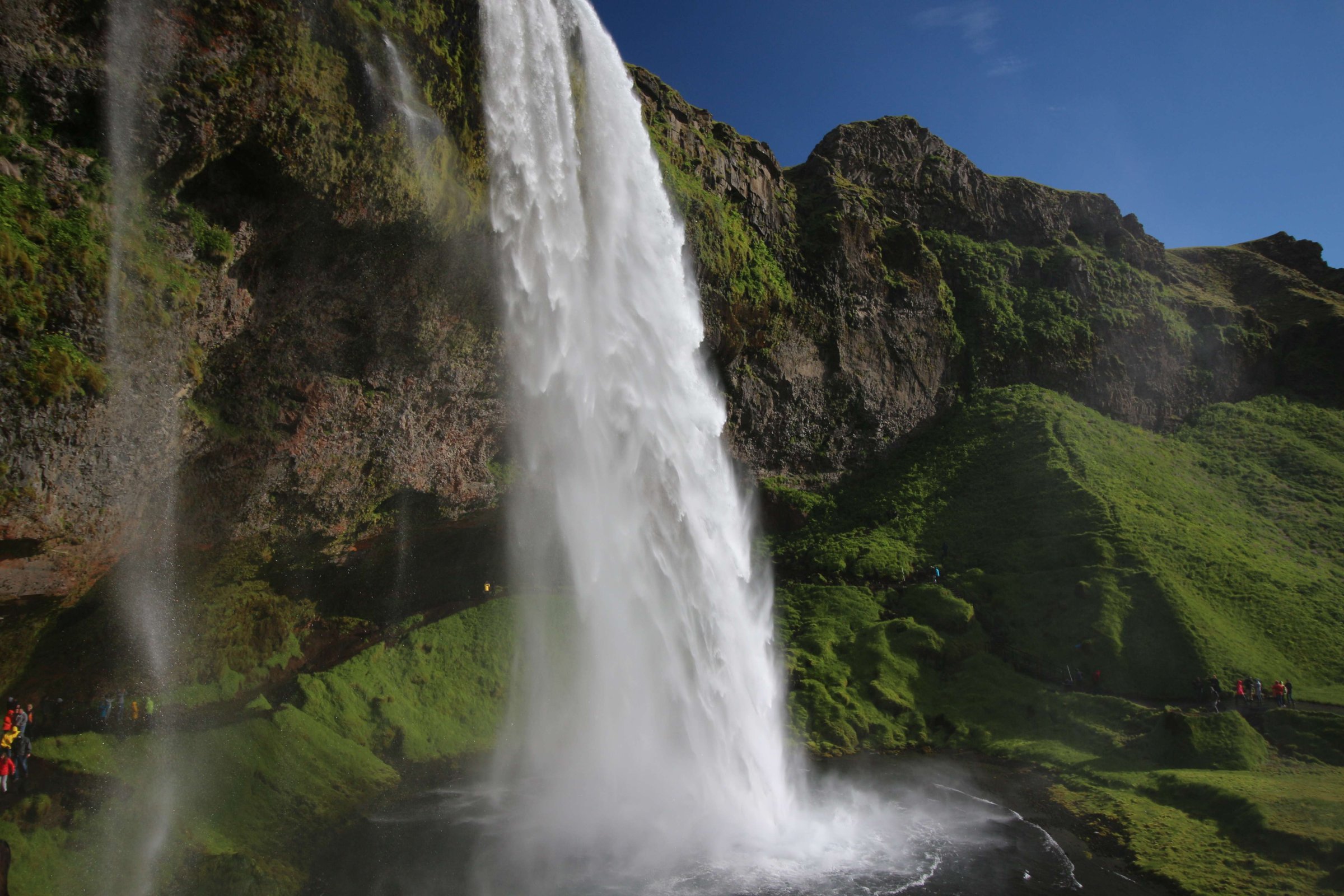
Then we moved on. Iceland has an incredible number of waterfalls, and each of them has something special about it. The next one on our route, Seljalandsfoss, is famous because you can walk behind it. Parking there costs 700 ISK, but that is not expensive and definitely worth it. By the way, for some reason I could not pay by card at first. I tried four different cards, and only the last one worked.
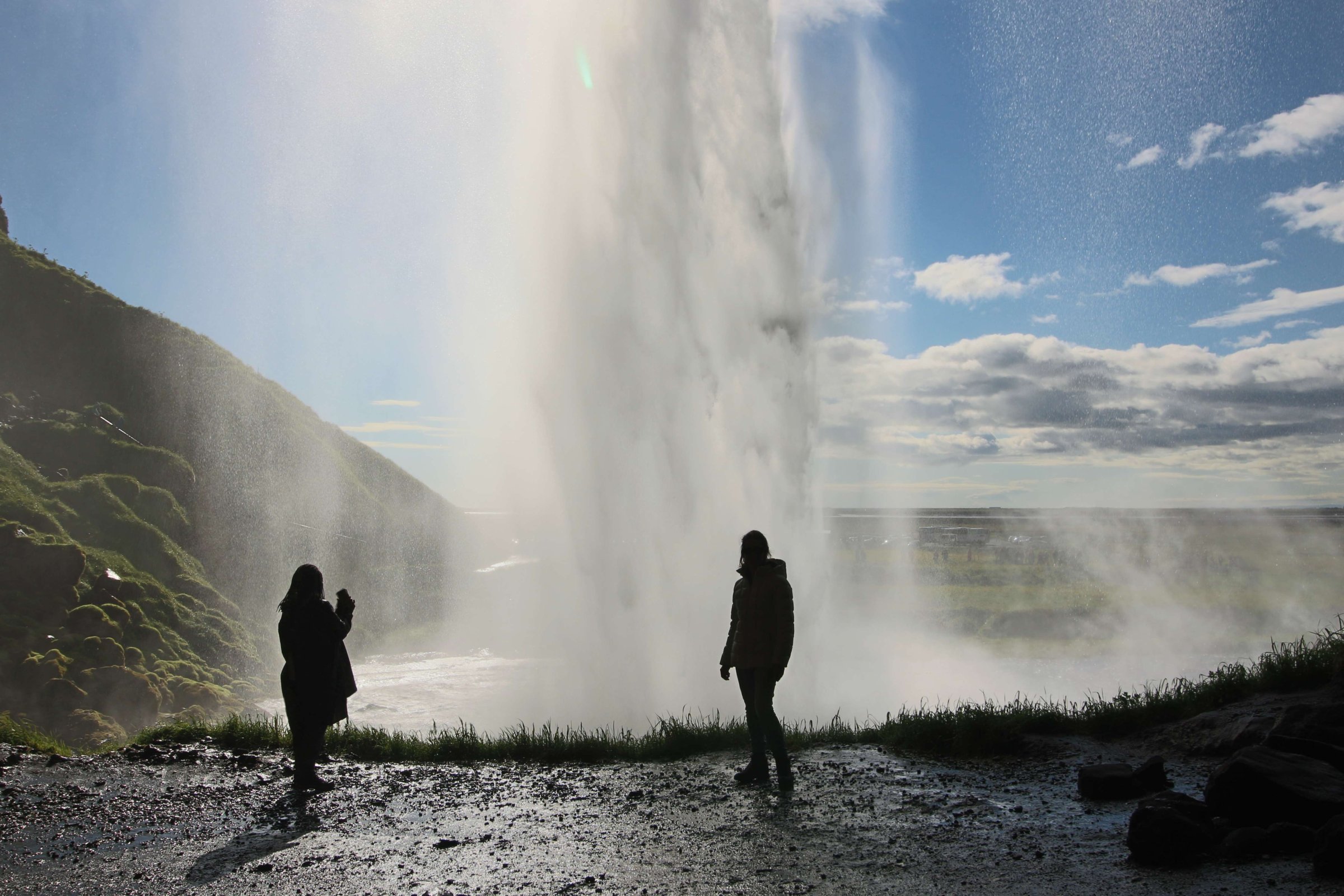
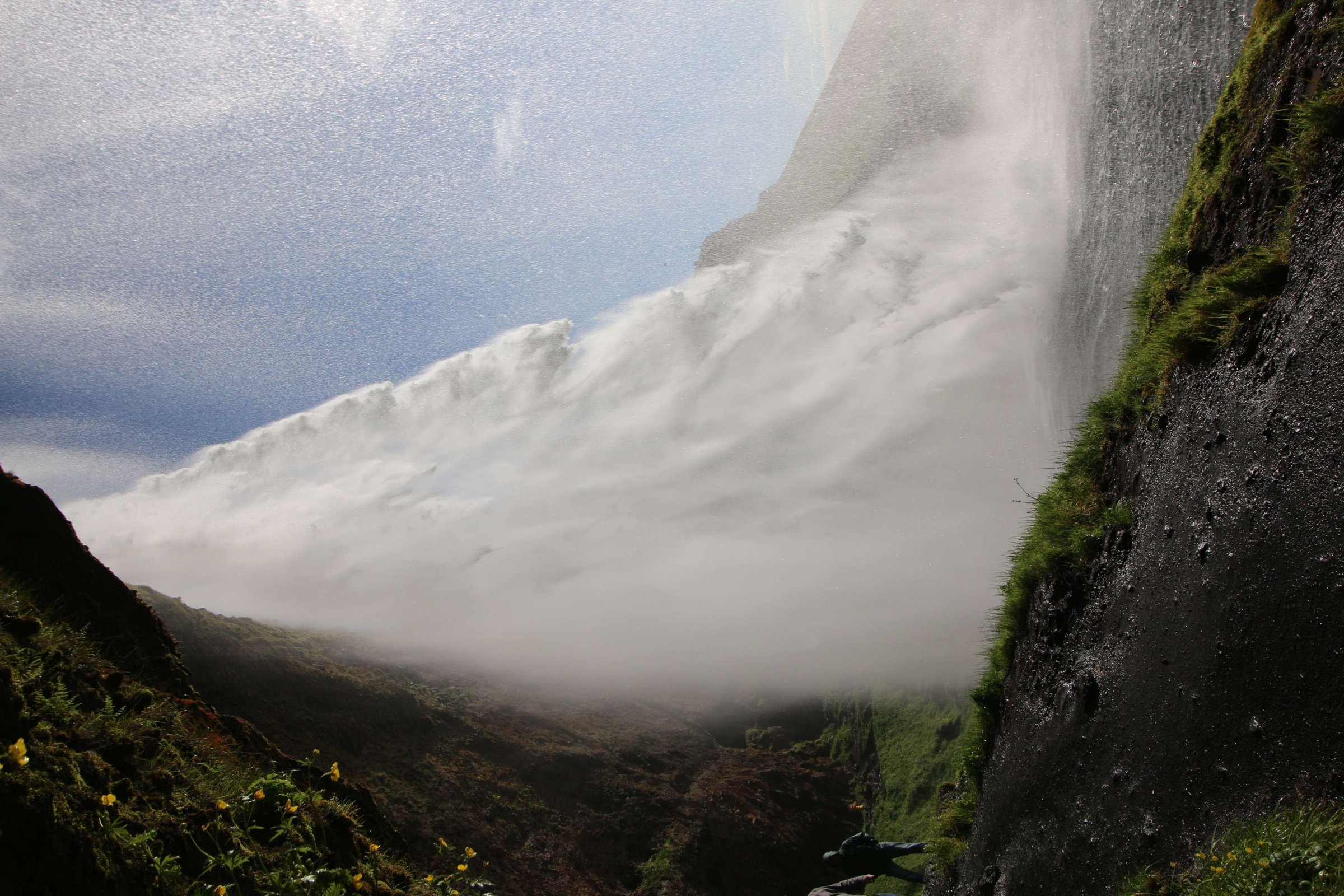
As we approached the waterfall, I thought we would not go behind it because it looked too wet. In the end we went anyway, and without raincoats because we had left them in the car and did not want to walk the 100 meters back. Yes, it was wet, but not unbearably so. By the time we got back to the car, our clothes had already dried. The waterfall is truly impressive: an enormous volume of water drops from great height, and you can look at it from every side. Thanks to that feature, it is probably one of the best waterfalls I have ever seen.
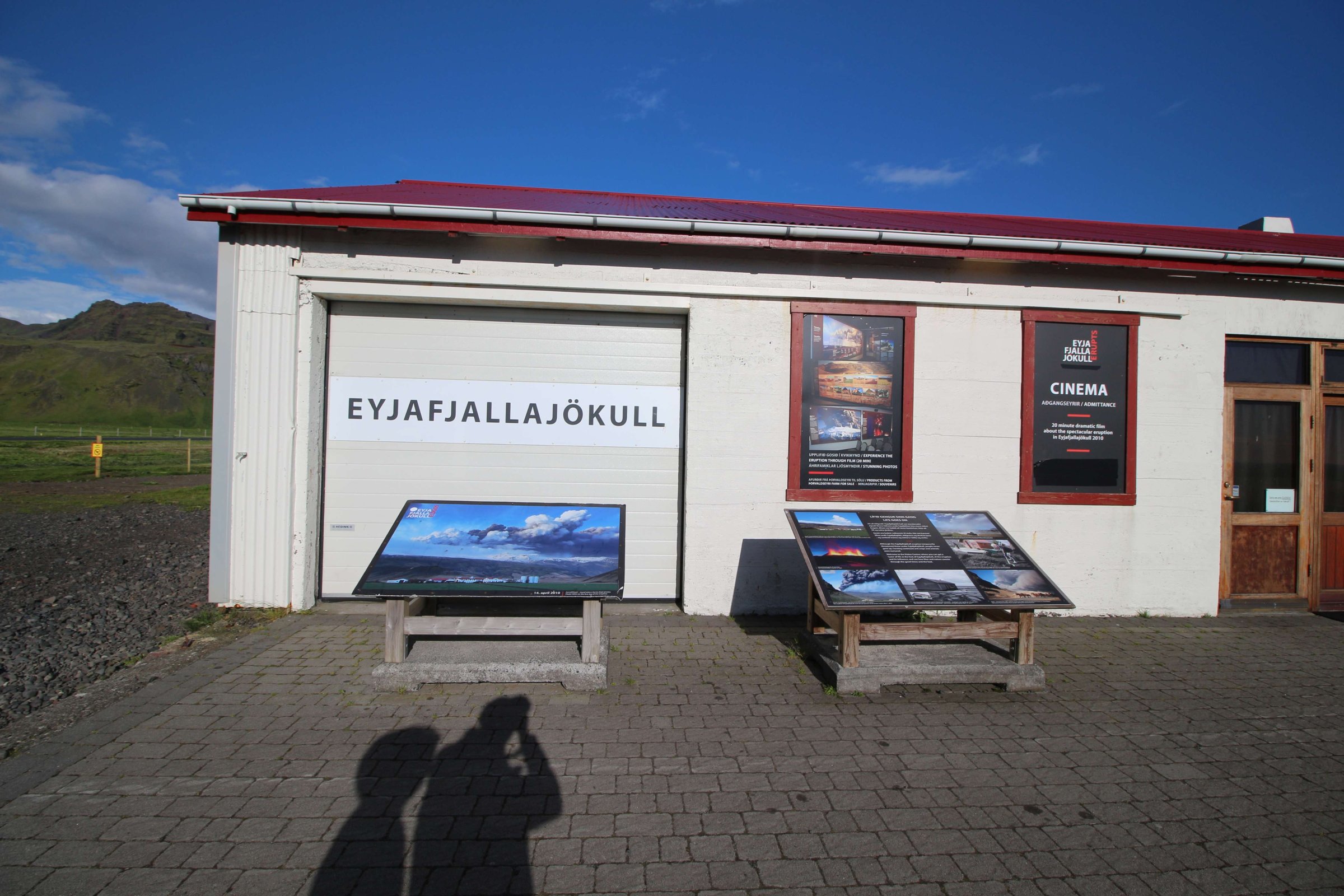
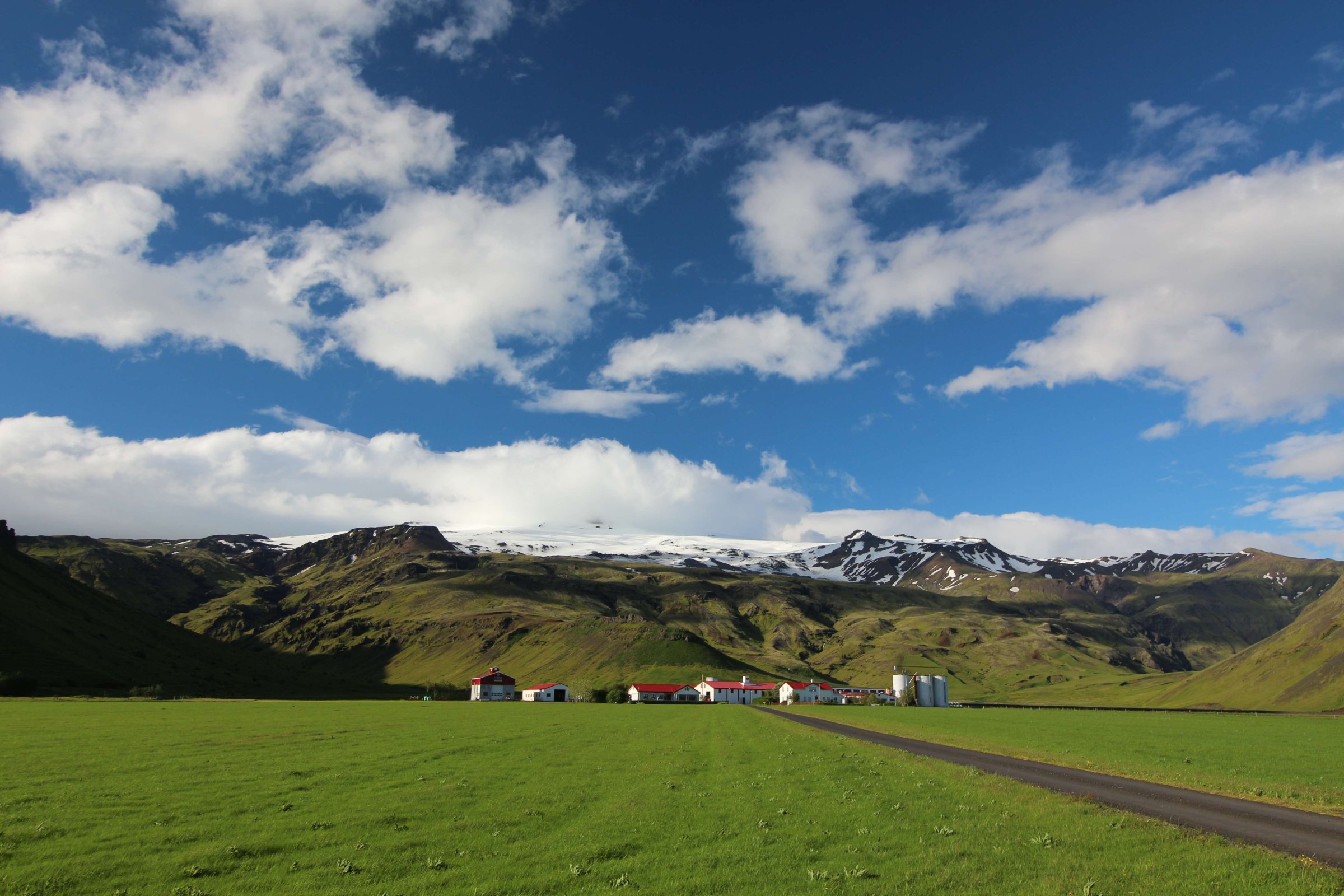
Then we kept driving. On the way we noticed a place that had not been marked on our map, a small house where cars were stopping. We turned in too. It was a museum, already closed, dedicated to the 2010 disaster when the Eyjafjallajokull volcano erupted and ash in the atmosphere shut down flights across the EU.
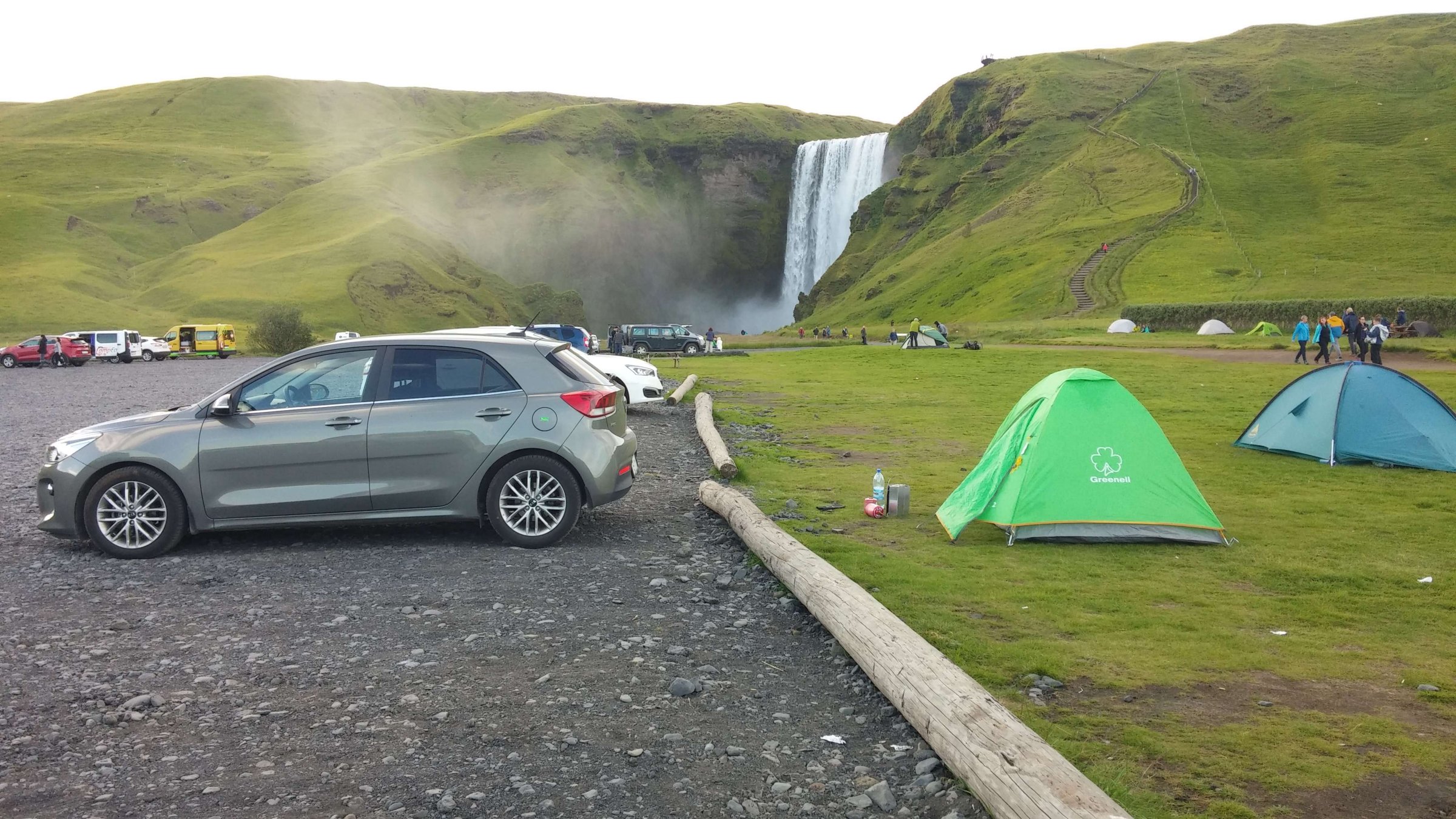
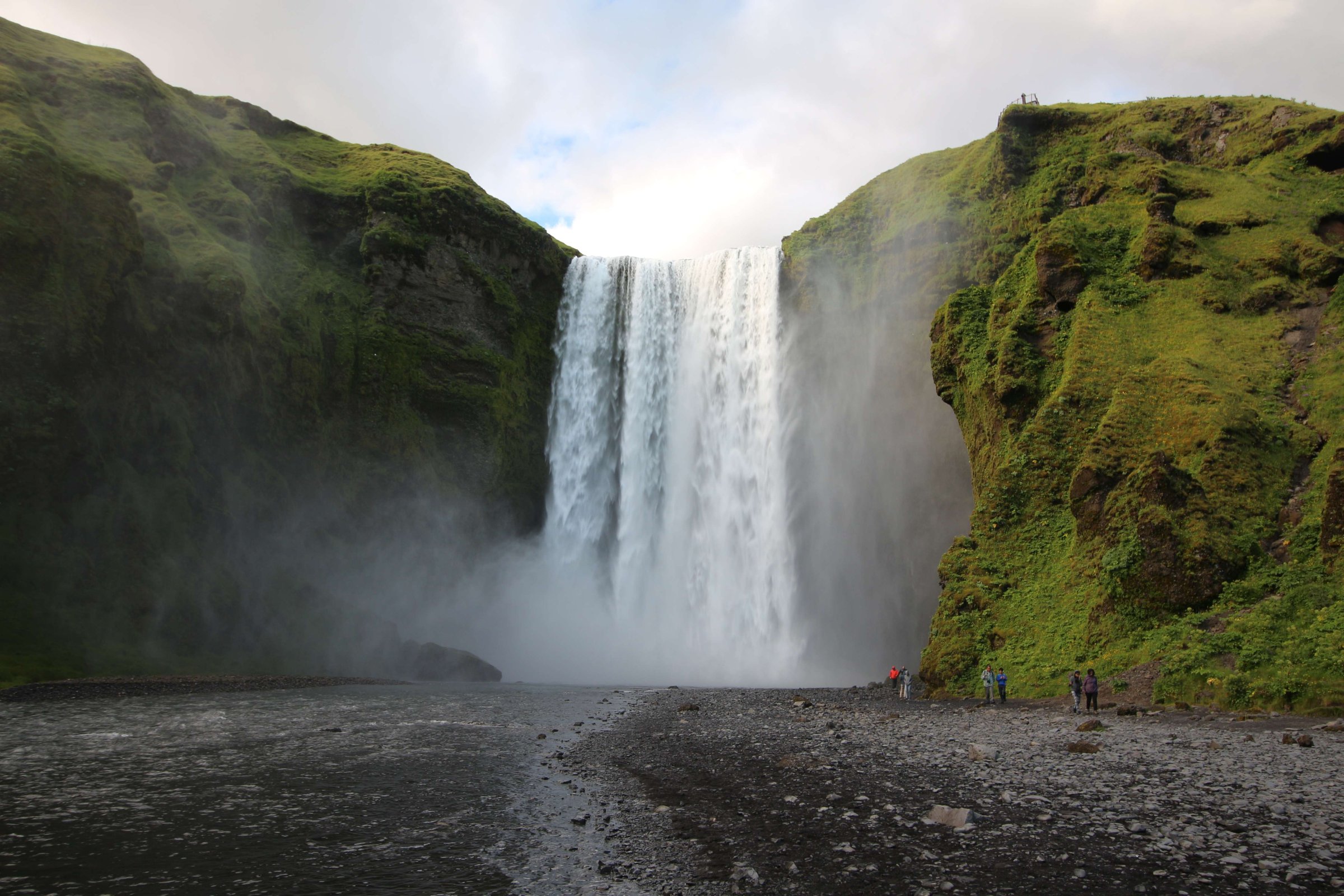
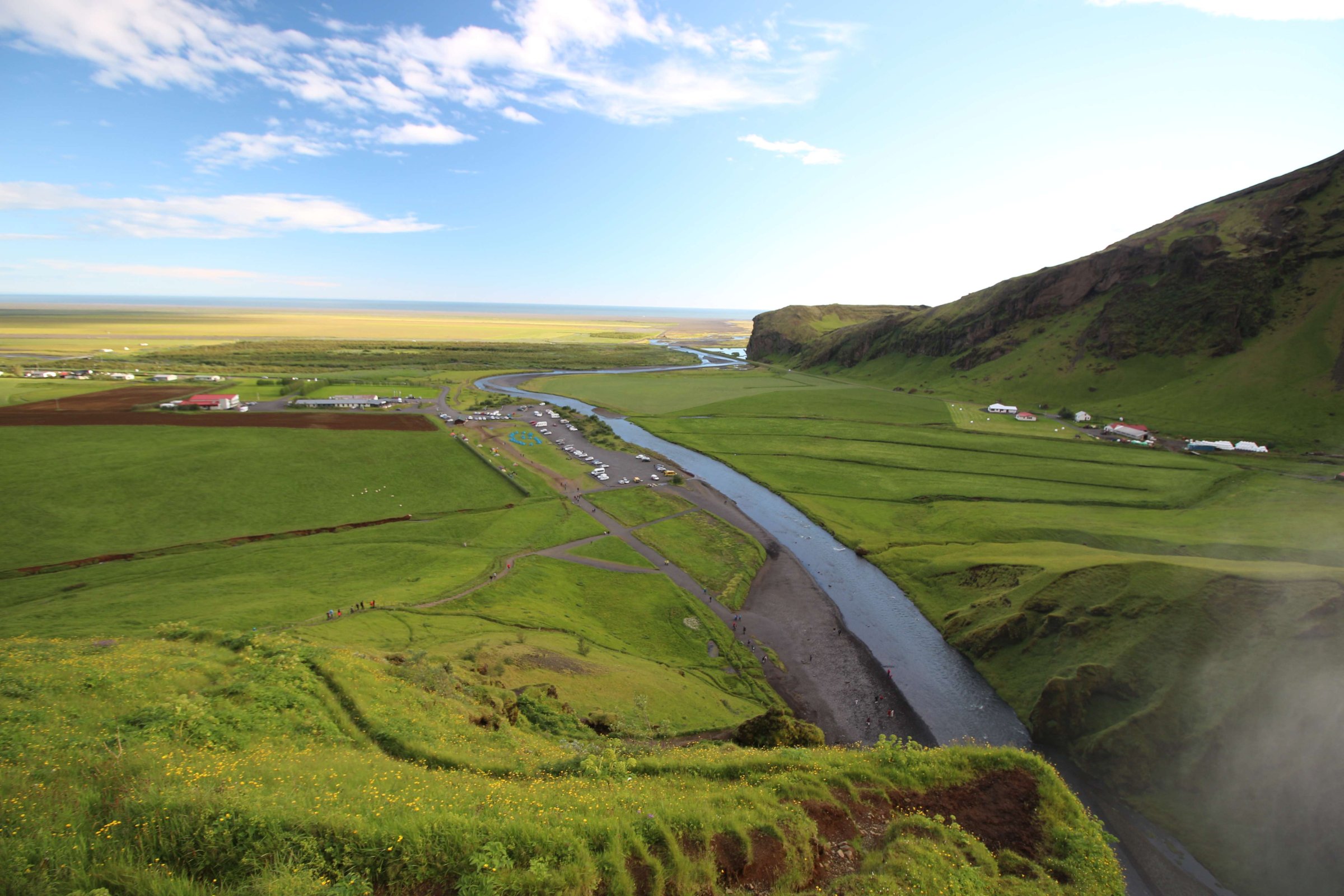
The next stop in our plan was Skogafoss. We arrived and discovered a campground right next to it. We decided not to go any farther that day and stayed there. After struggling our way to the very top of the waterfall, we took some photos, went back down, and pitched the tent.