Hvitserkur, Sudavik, the Westfjords and Cape Latrabjarg. Days 10-12
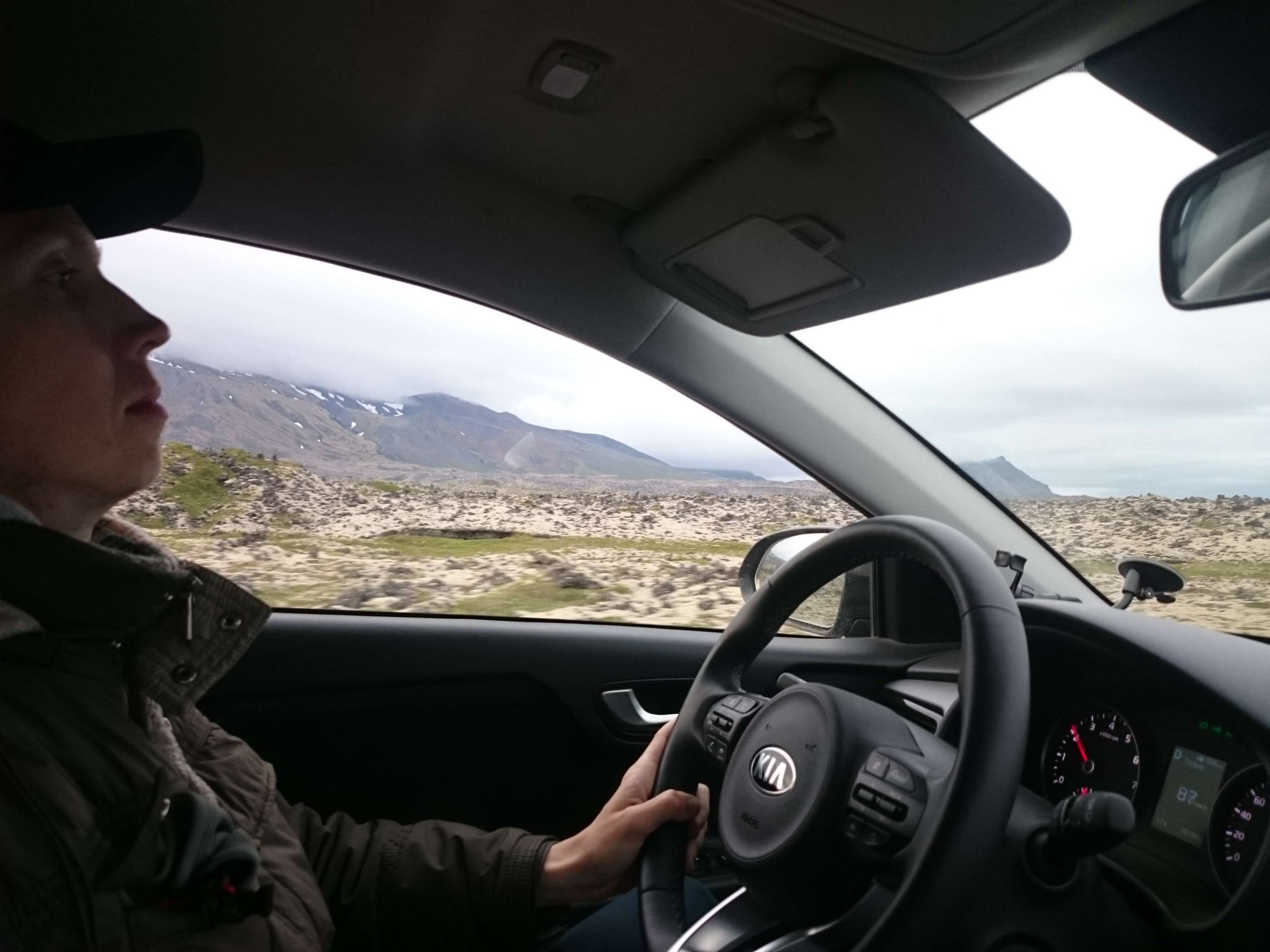
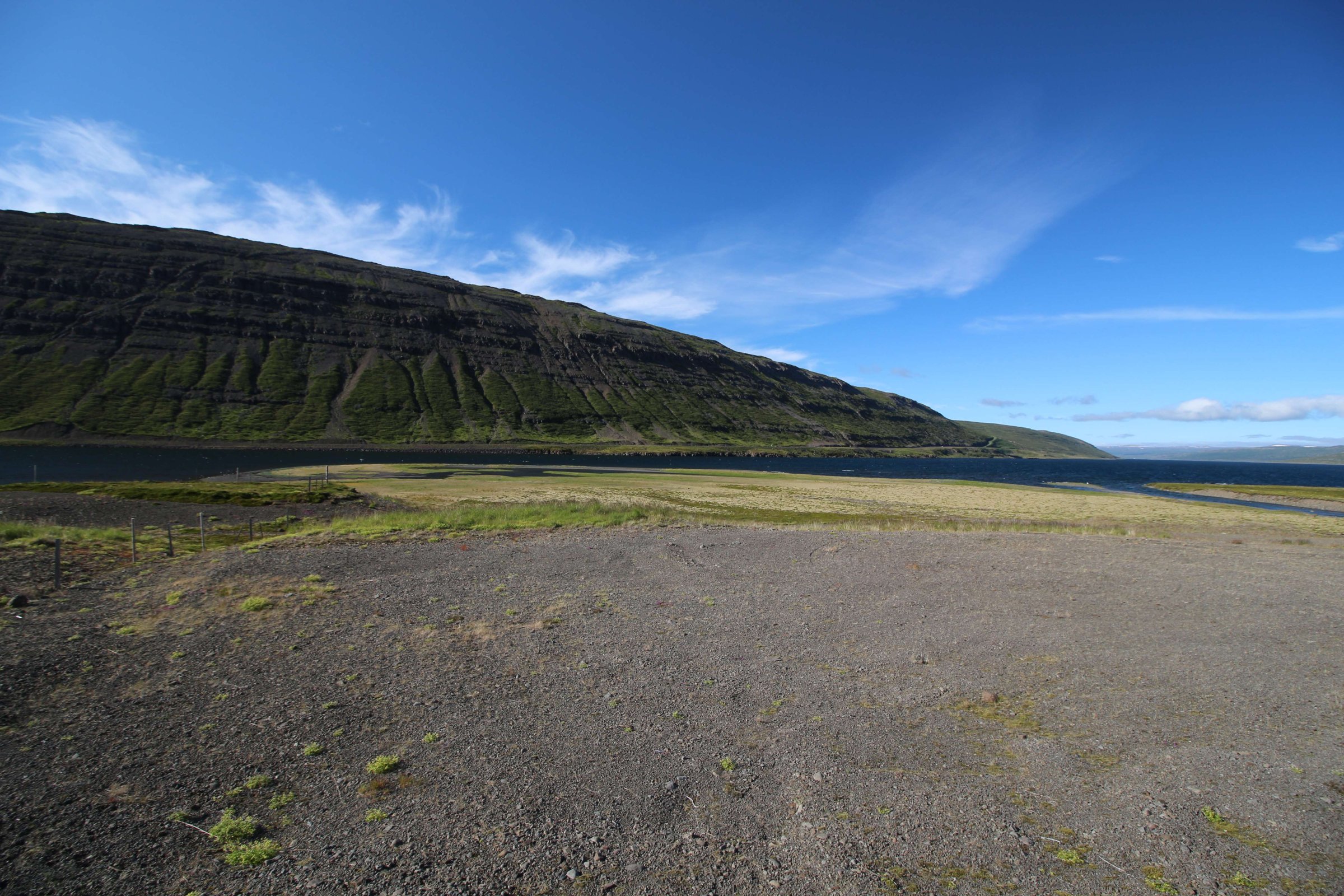
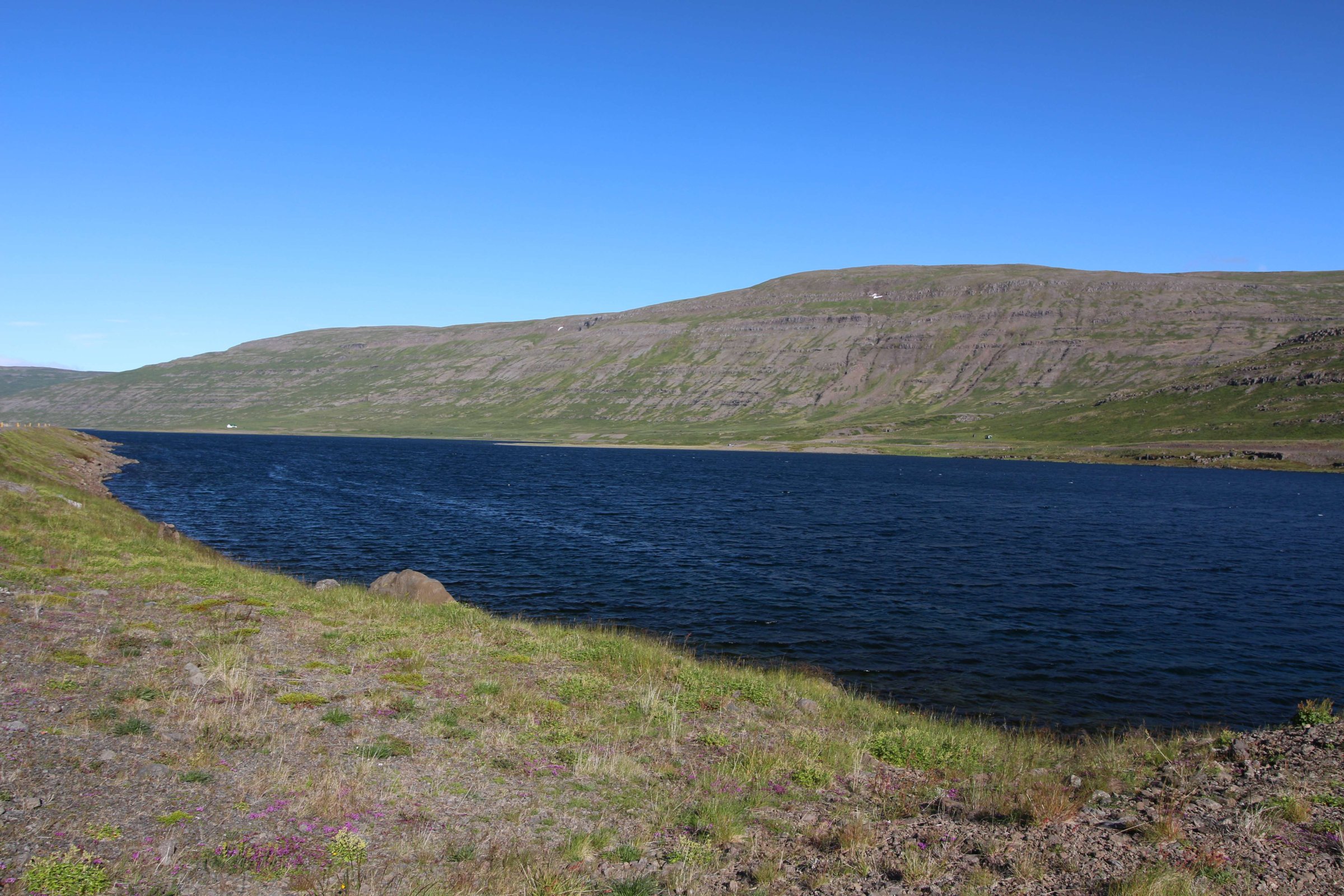
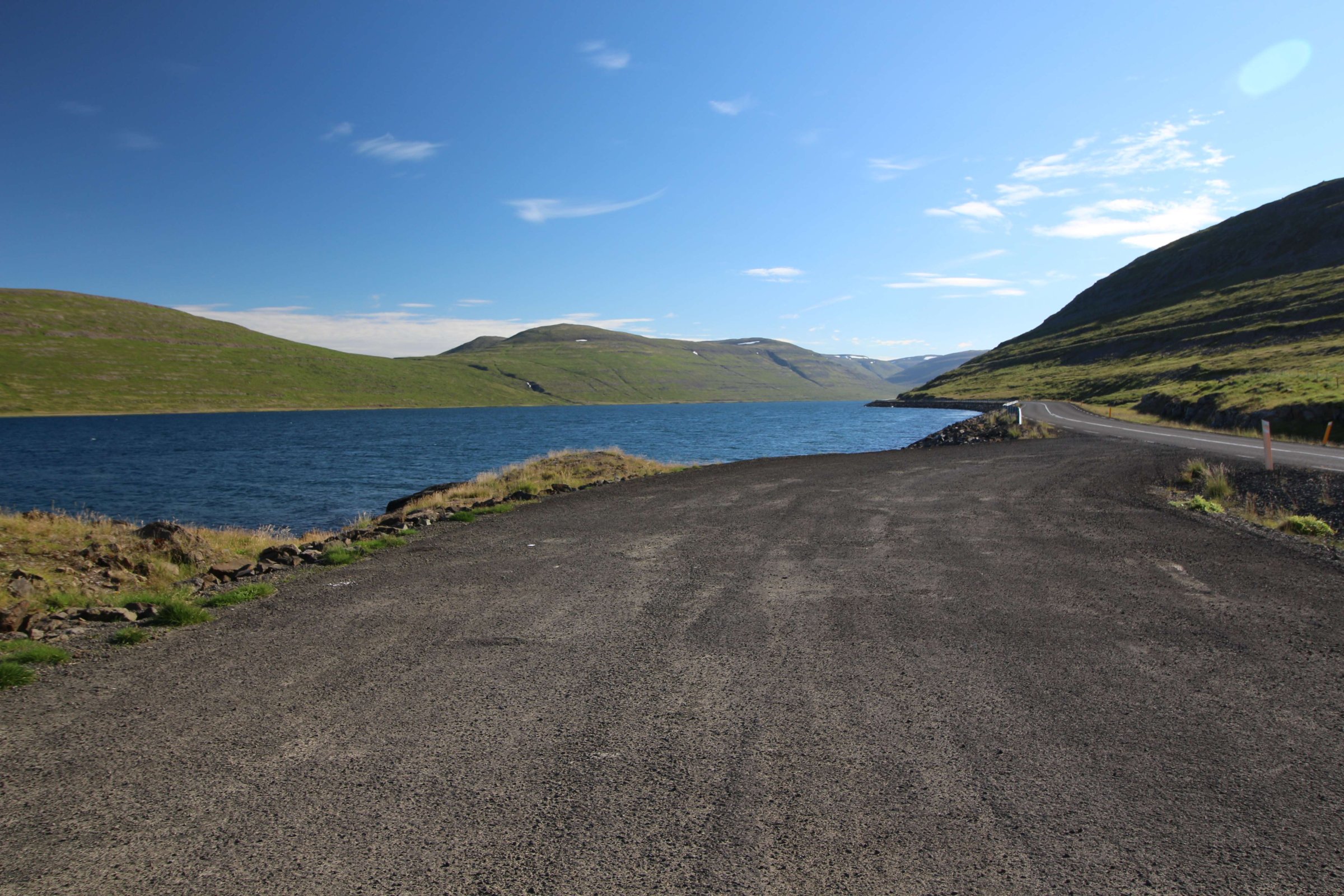
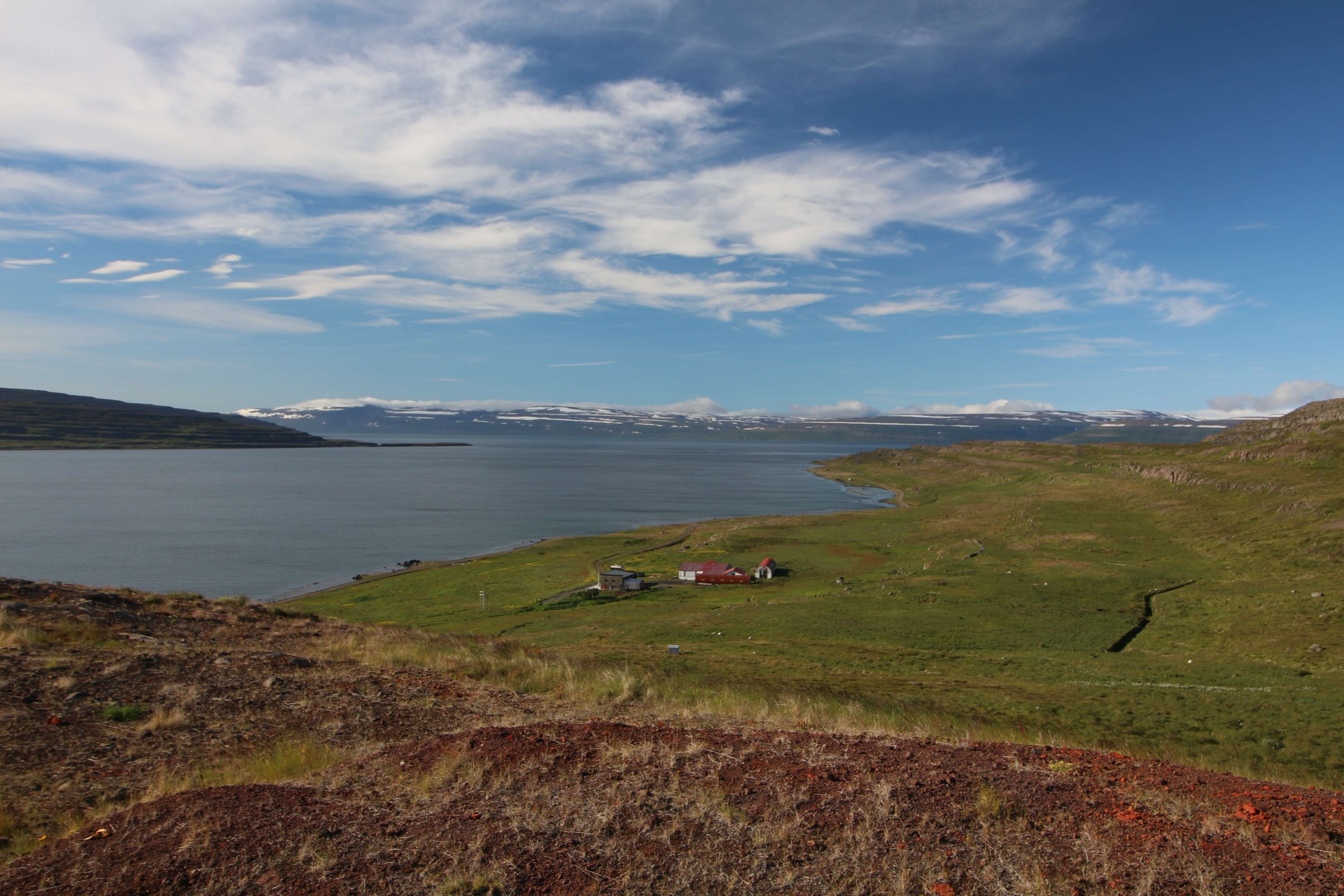
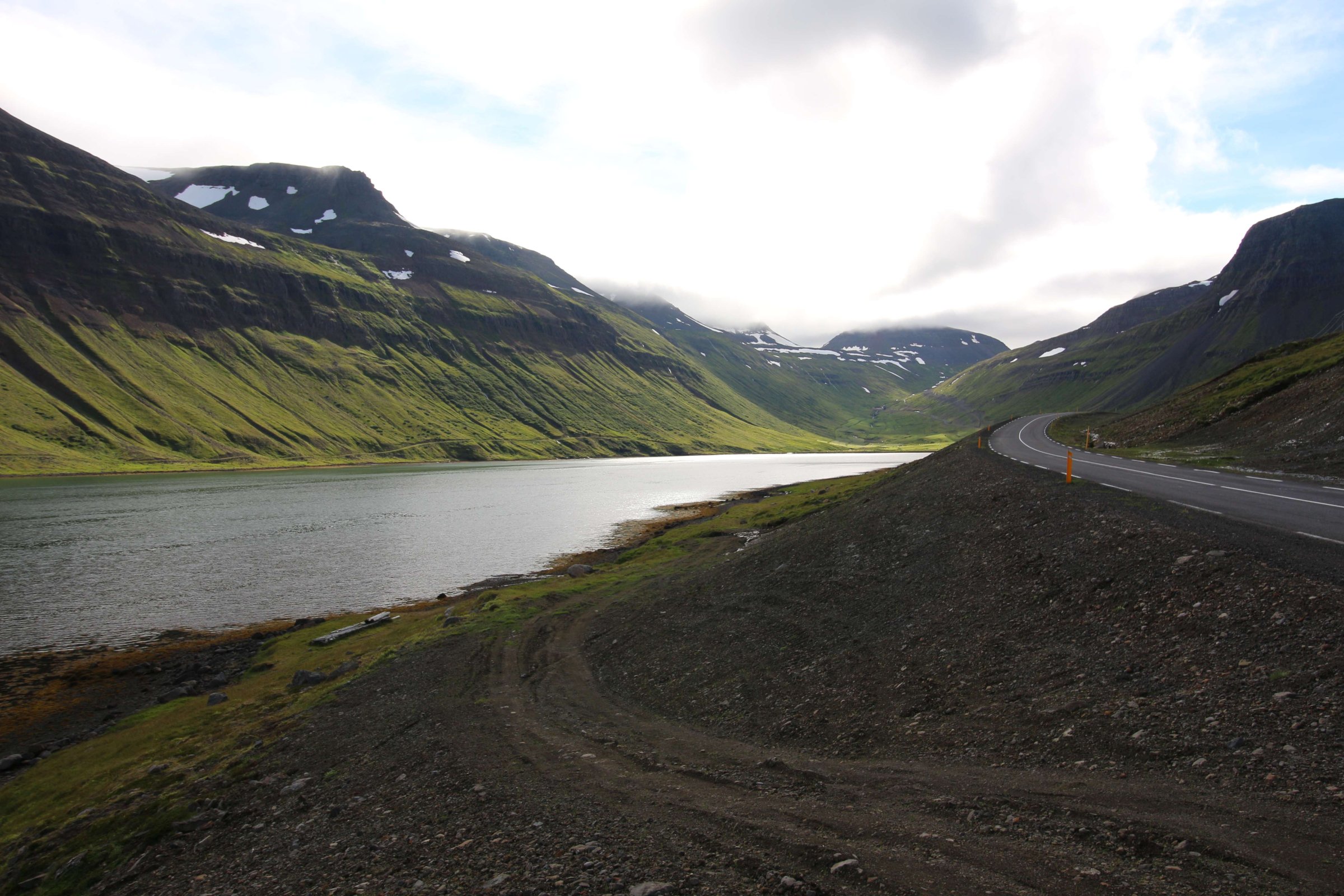
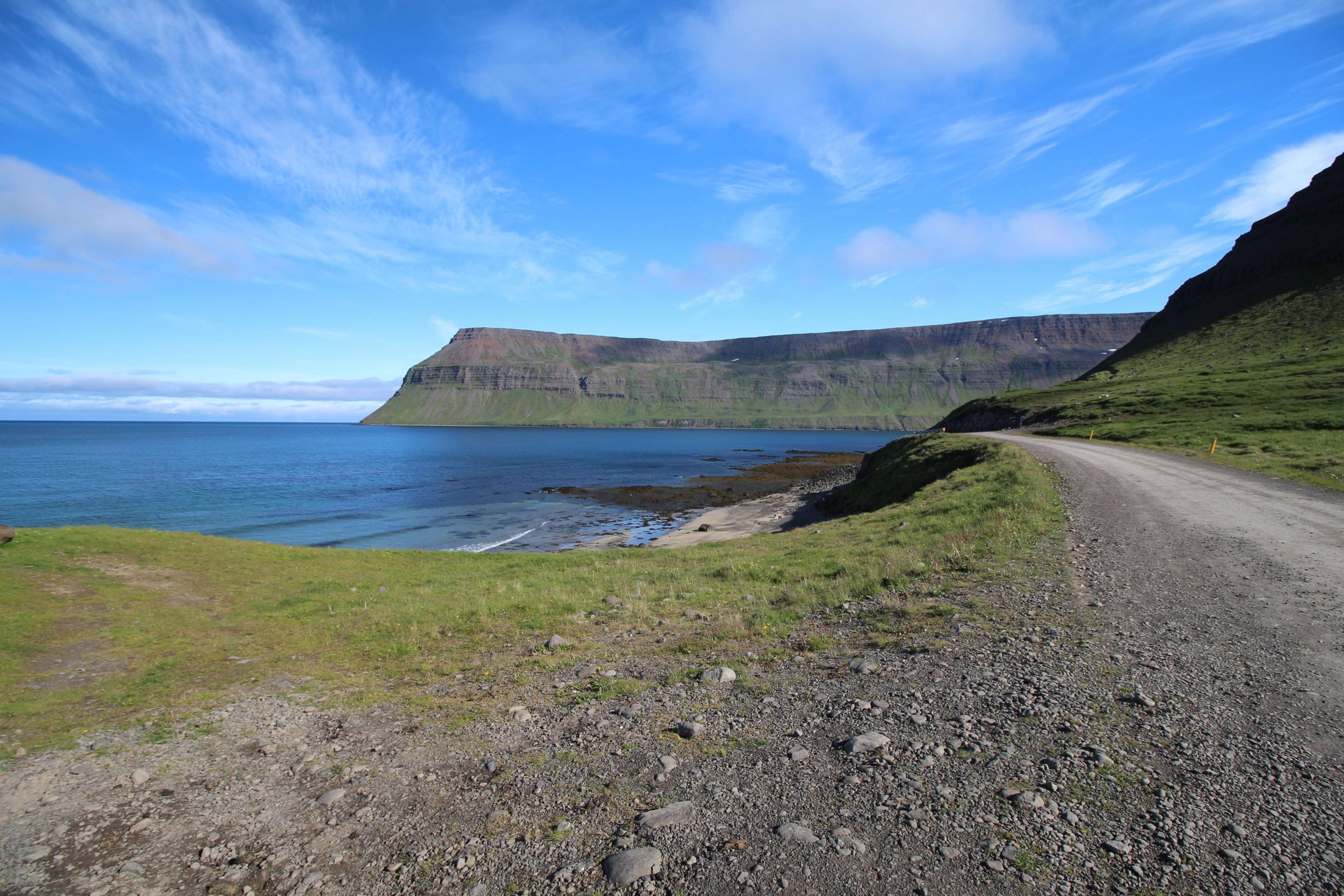
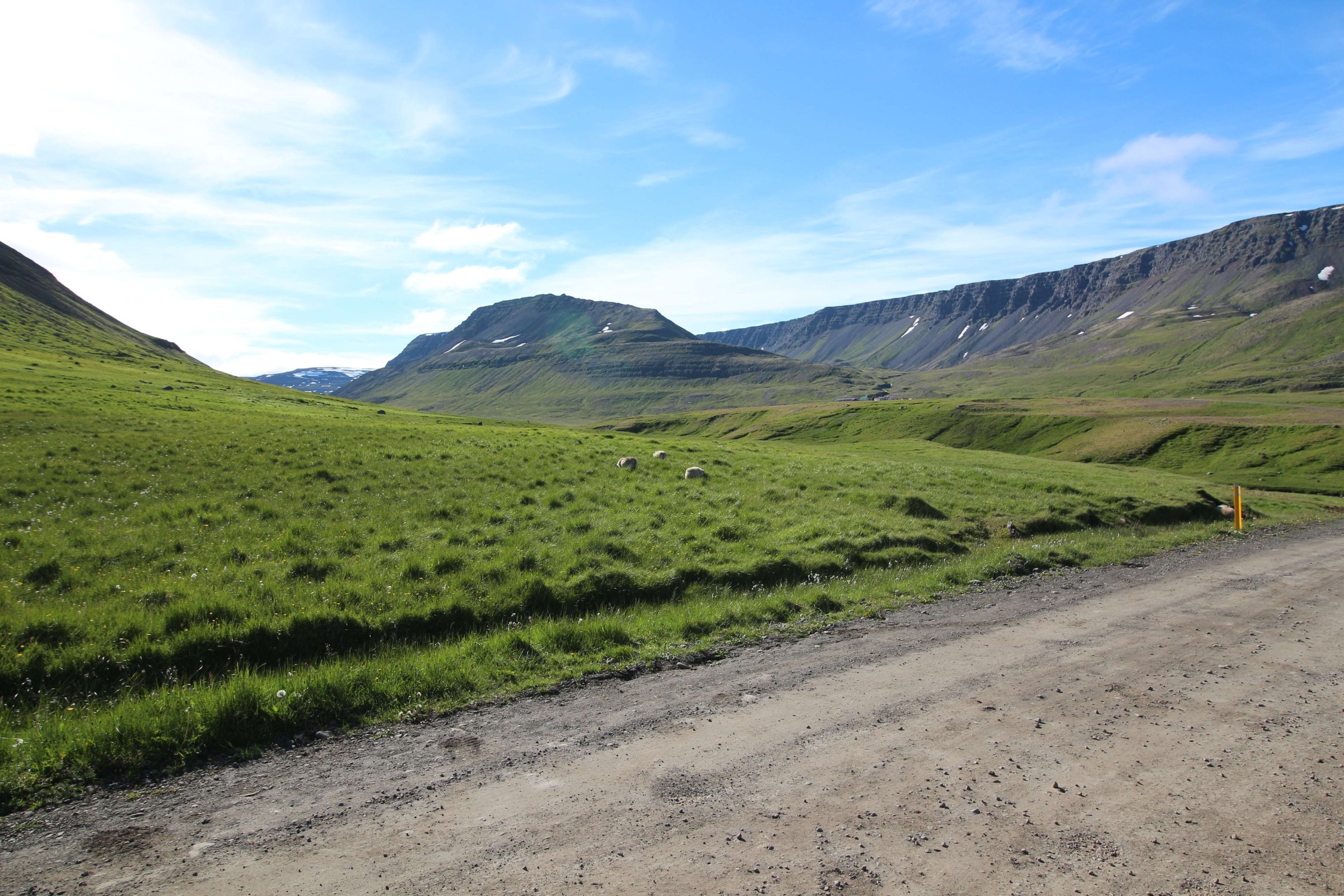
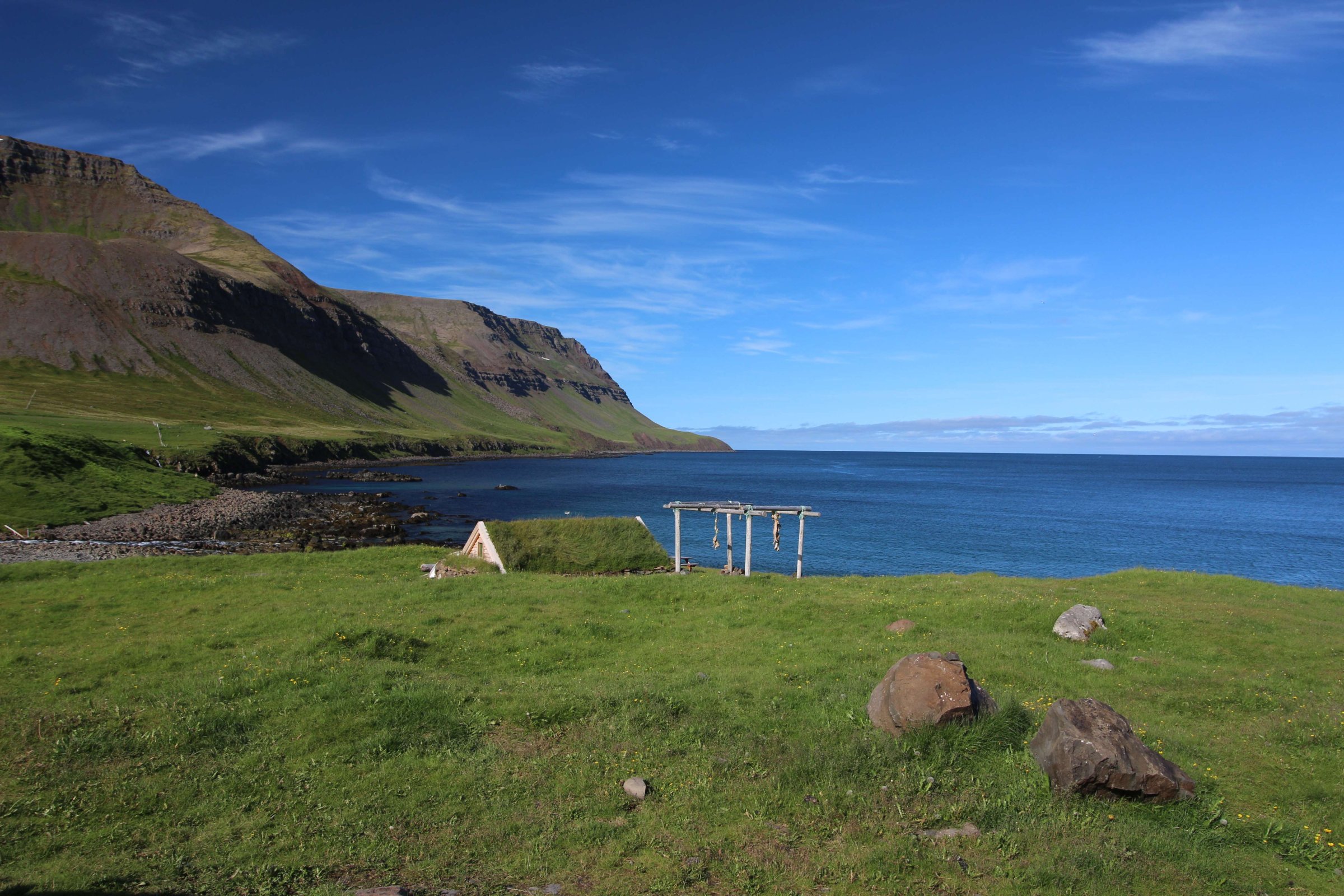
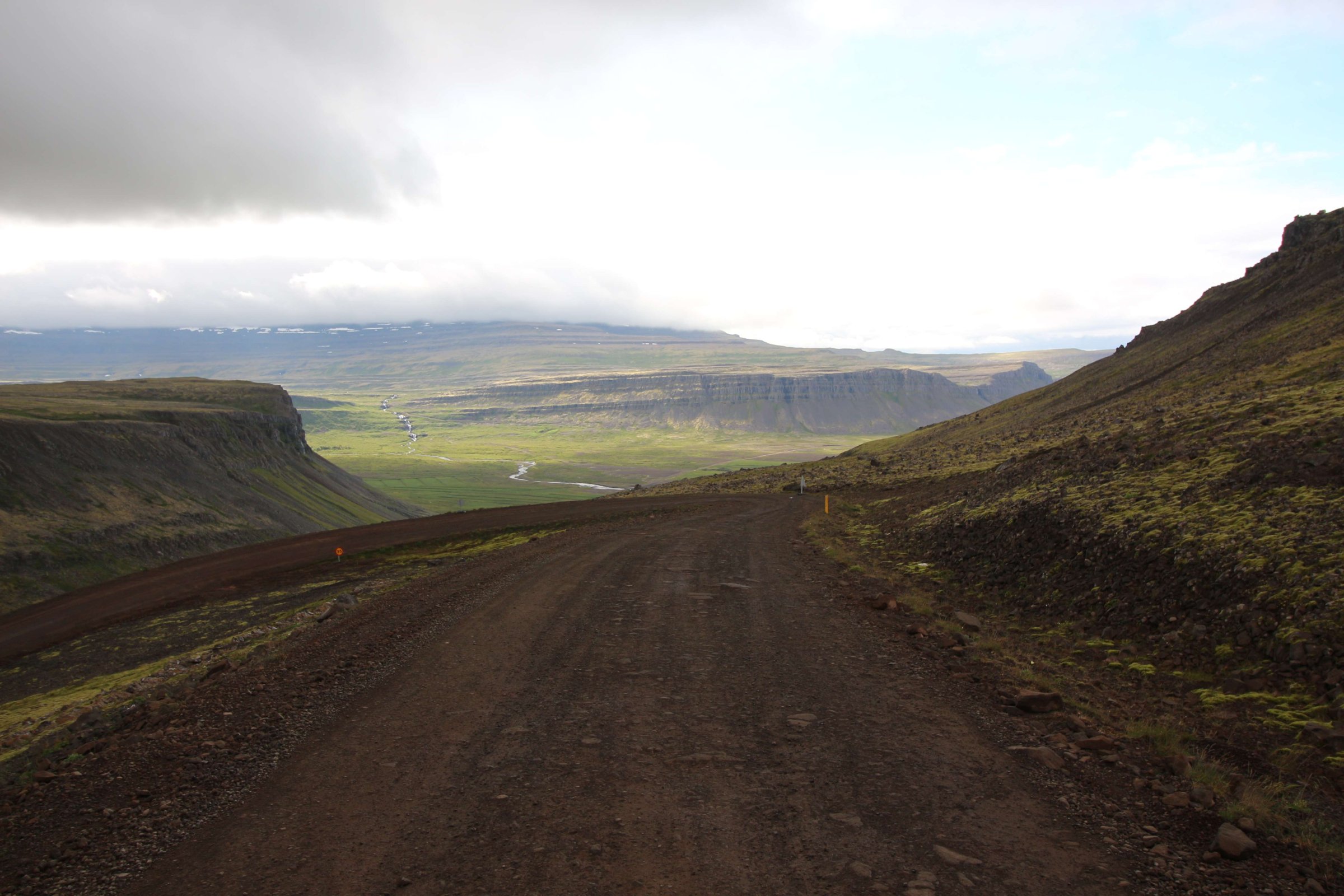
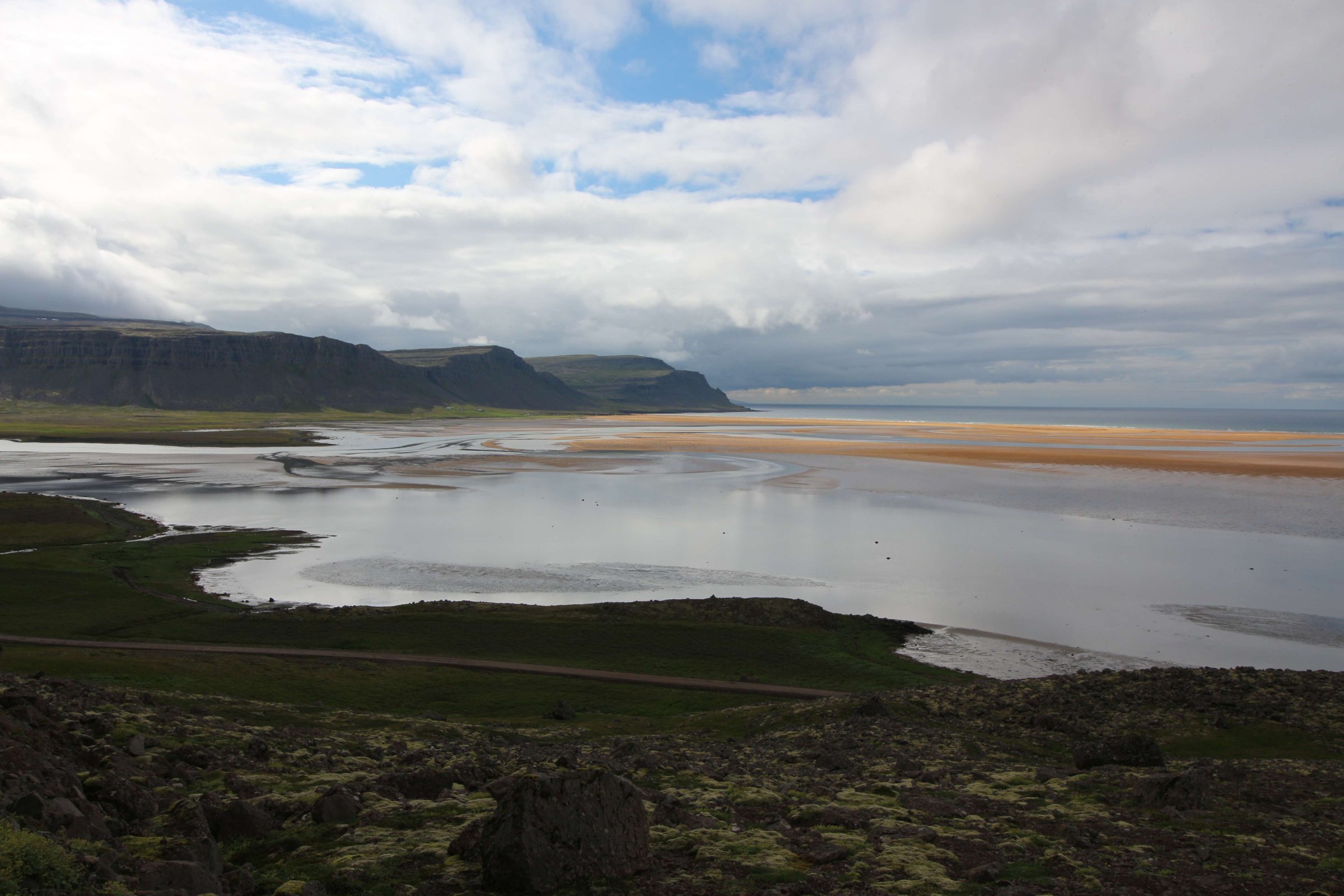
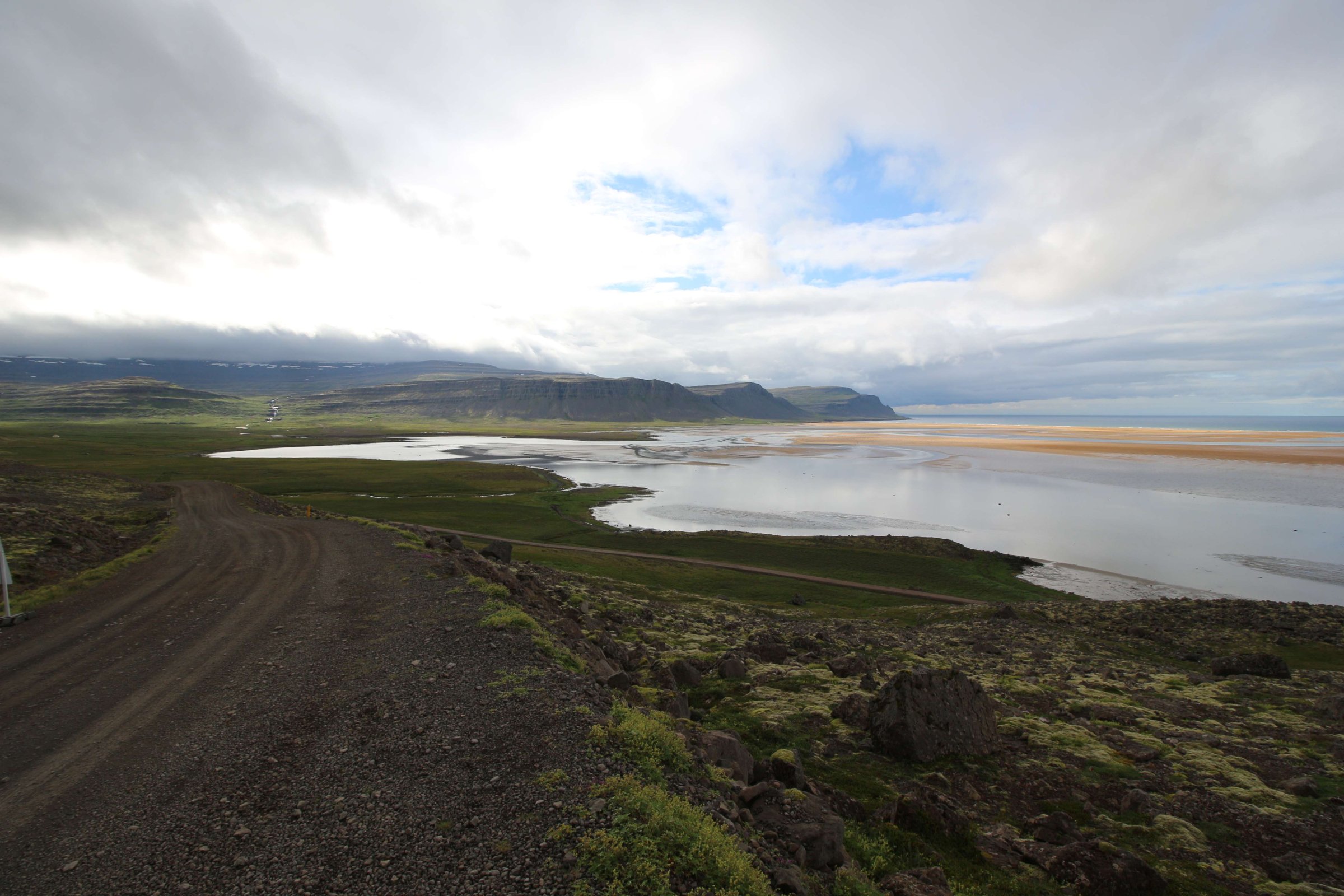
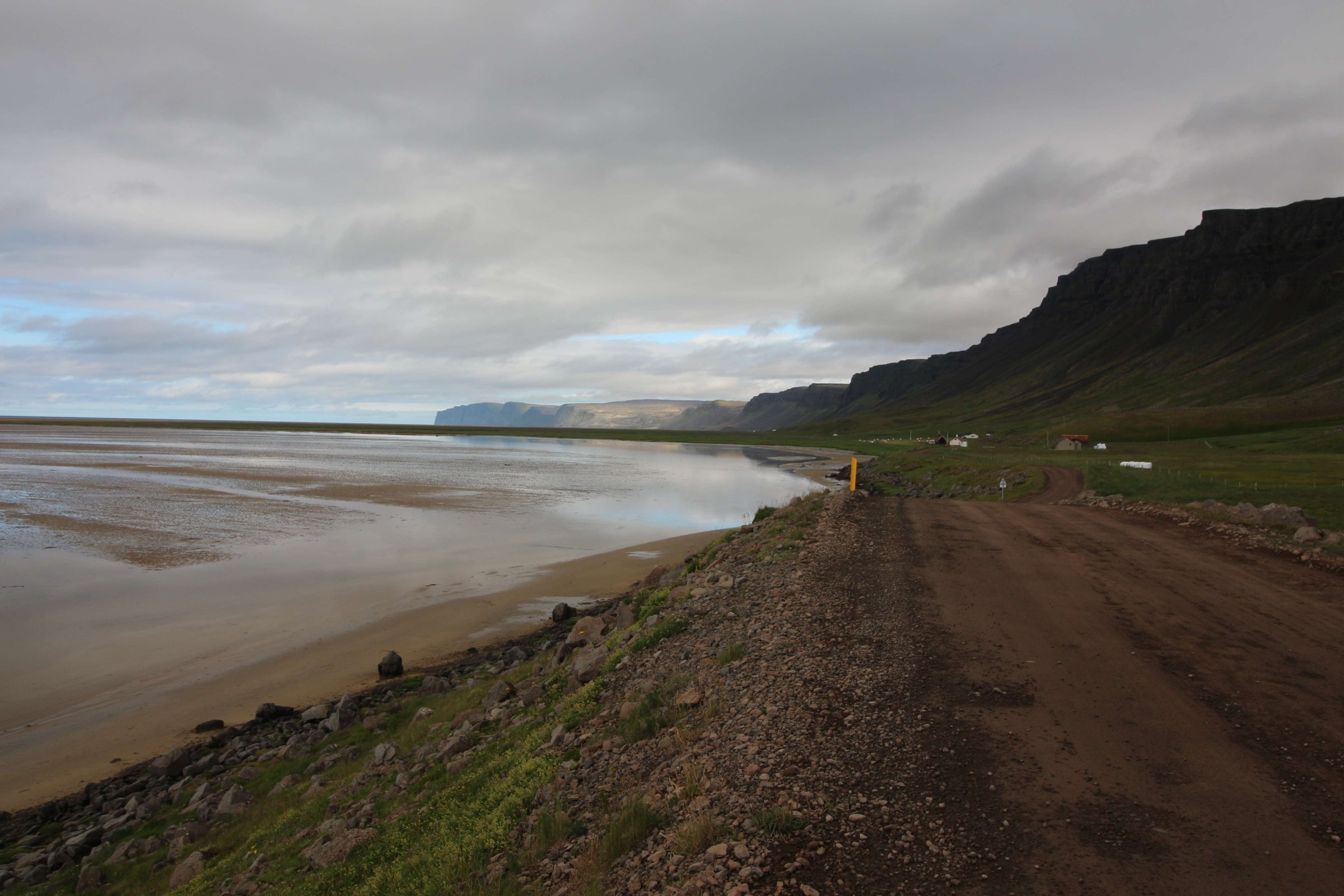
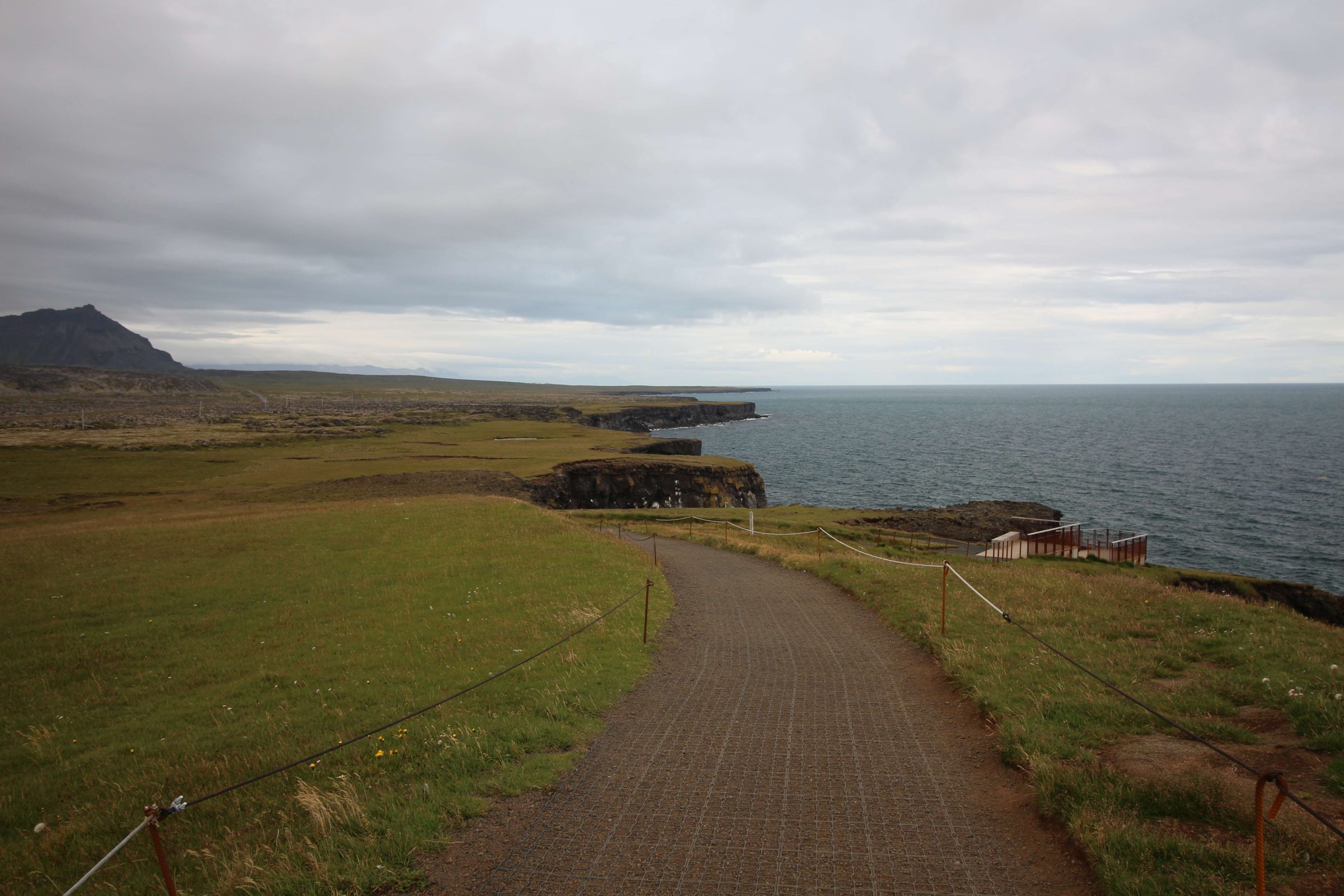
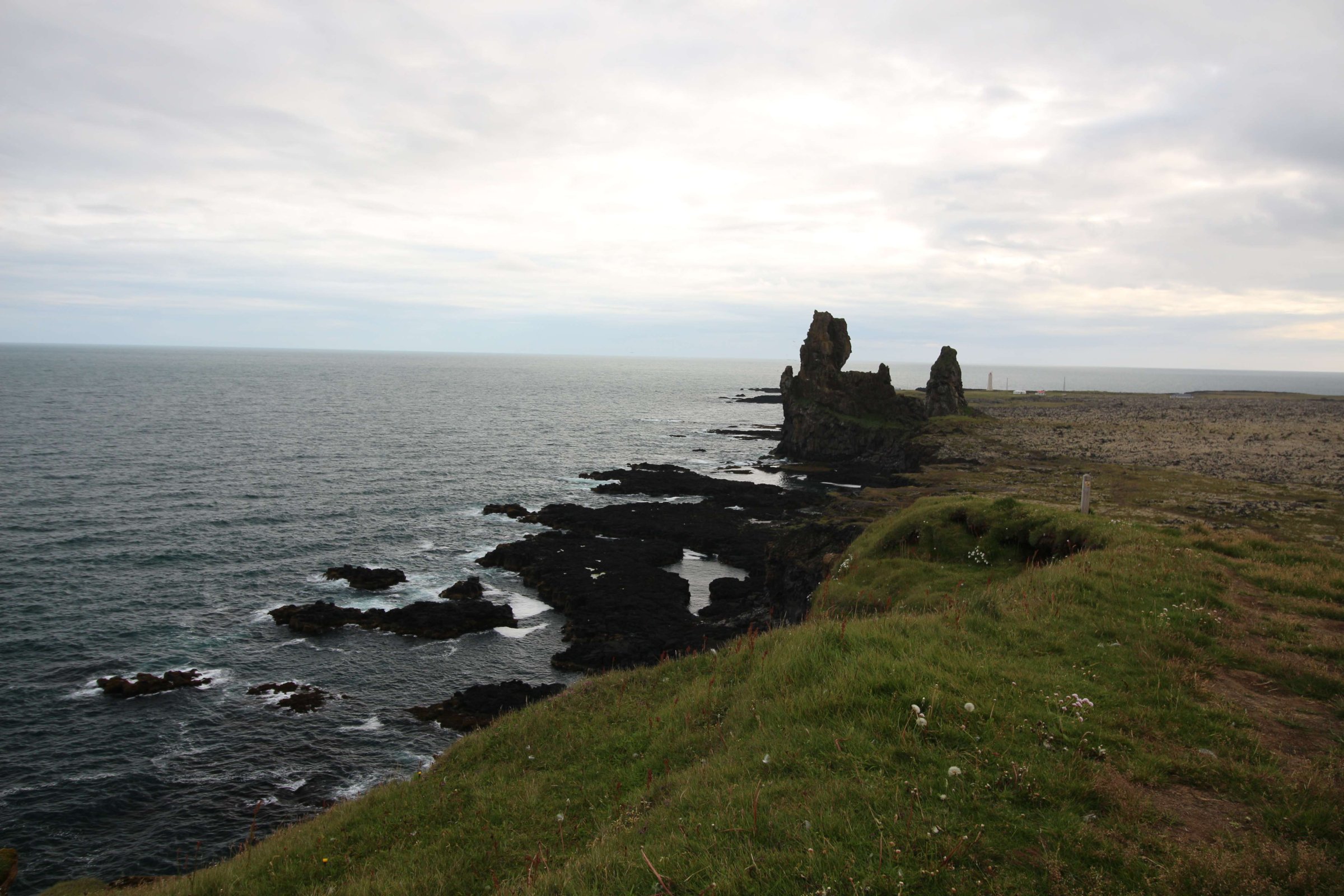
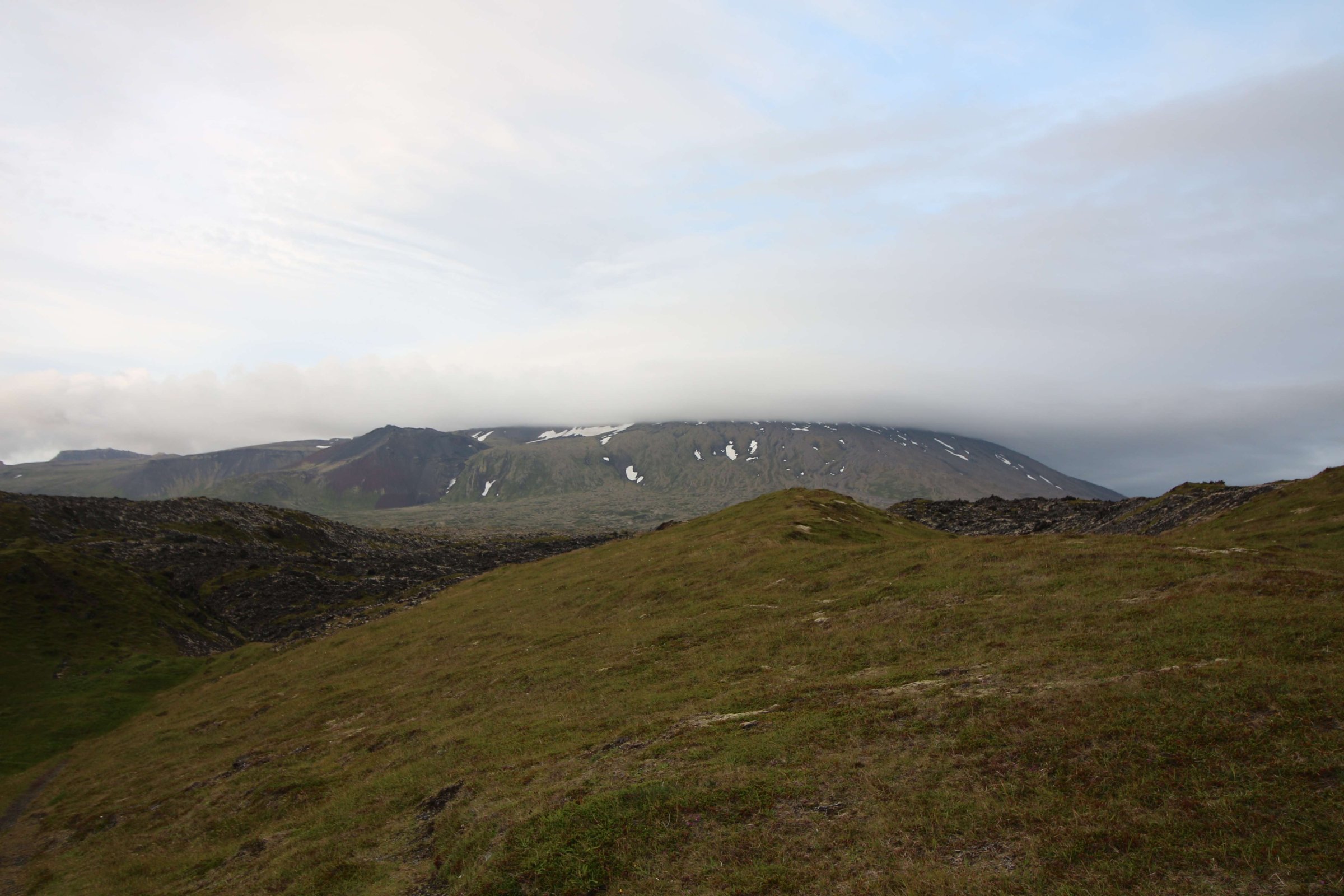
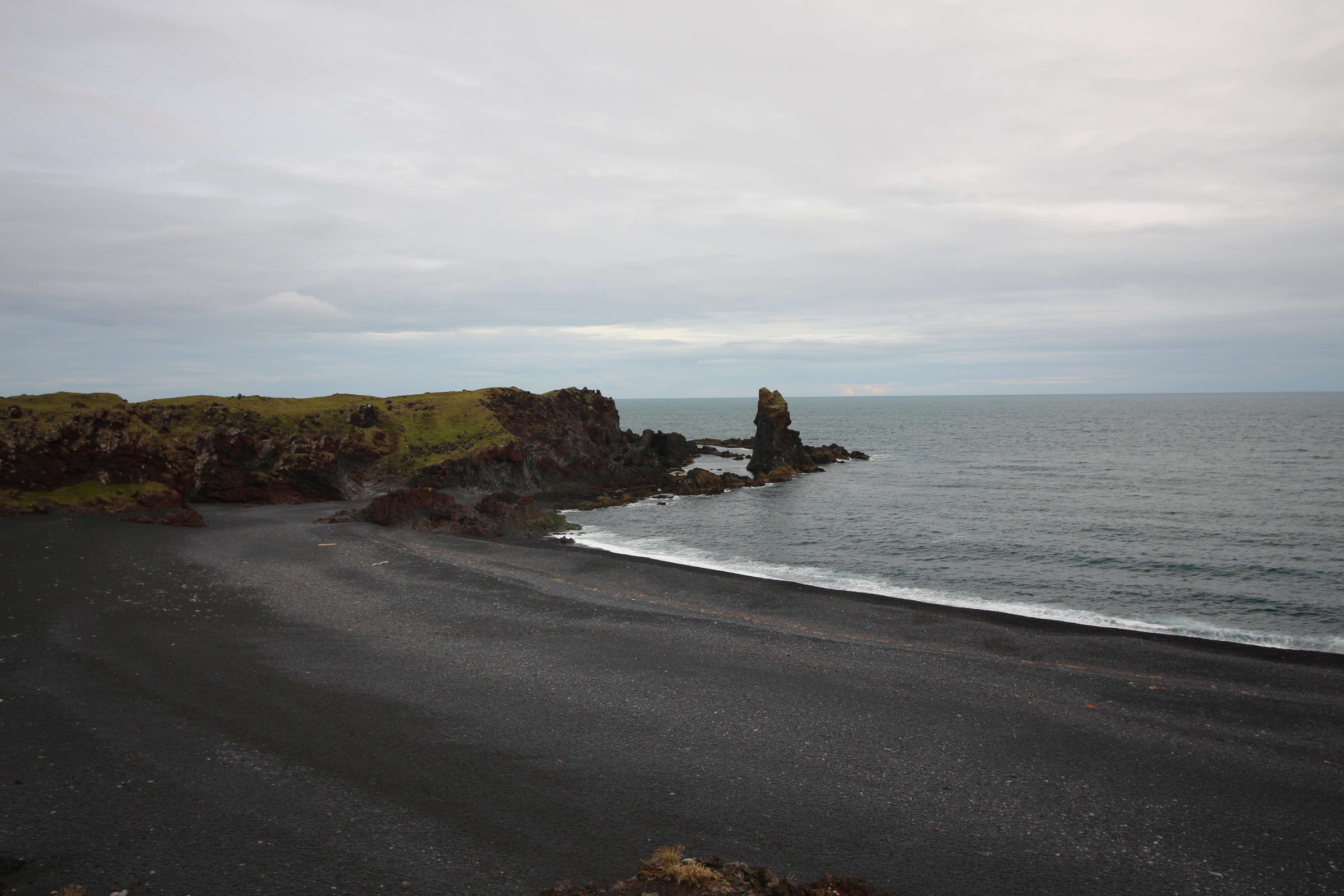
Morning of July 23. It was overcast outside and a light rain was falling. We packed up, filled our water bottles, said goodbye to the hostess, and drove off. We passed the waterfall we had visited the day before. In that weather we would not have dared to go near it. A very long drive was ahead of us, 680 km. It was probably the longest distance we covered in a single day during the entire trip. The weather actually helped us make such a long run.
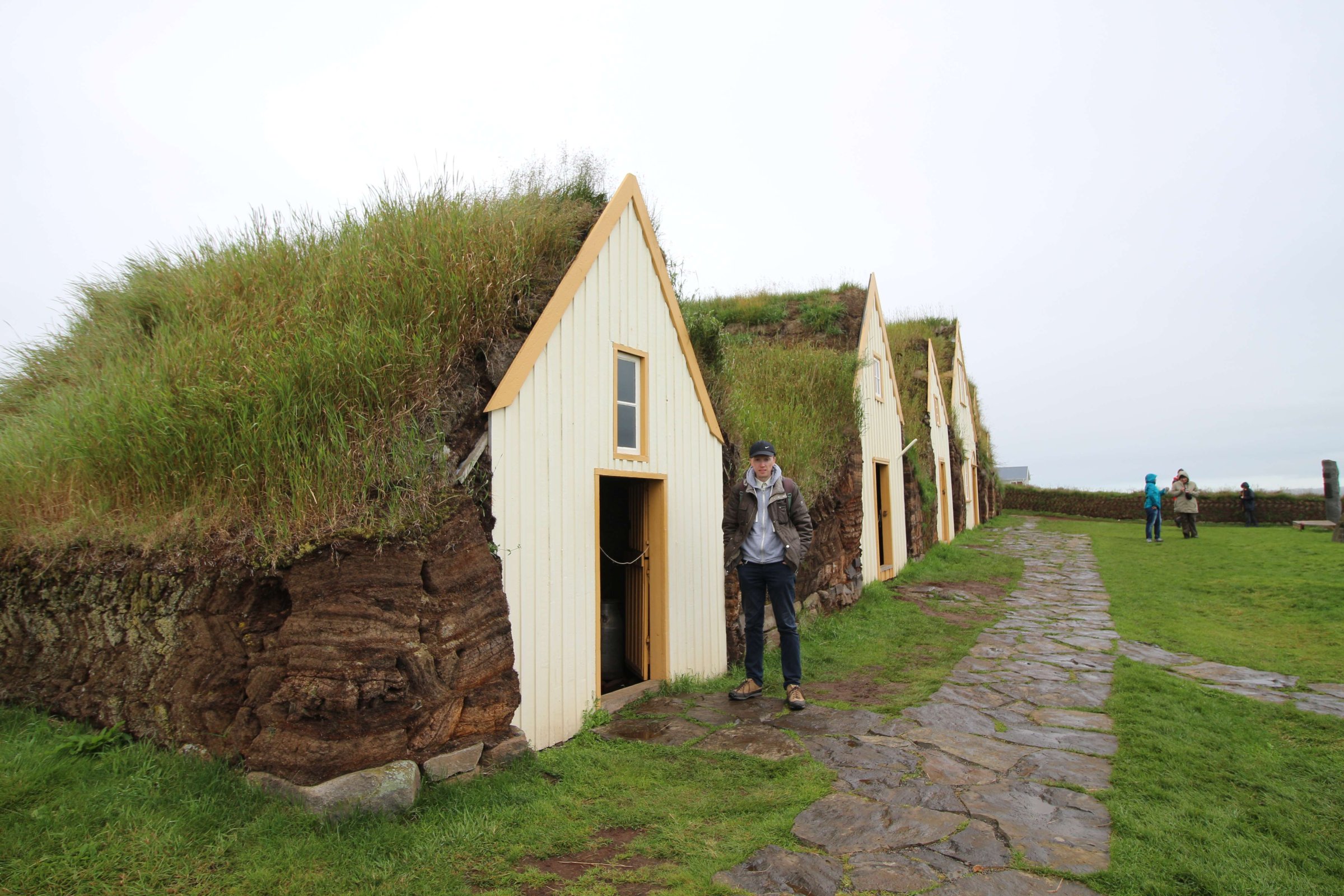
The first place we headed for was something Sveta had found online: houses with turf roofs covered in grass. Nothing especially impressive, though. Later we occasionally saw similar houses far away from tourist routes.
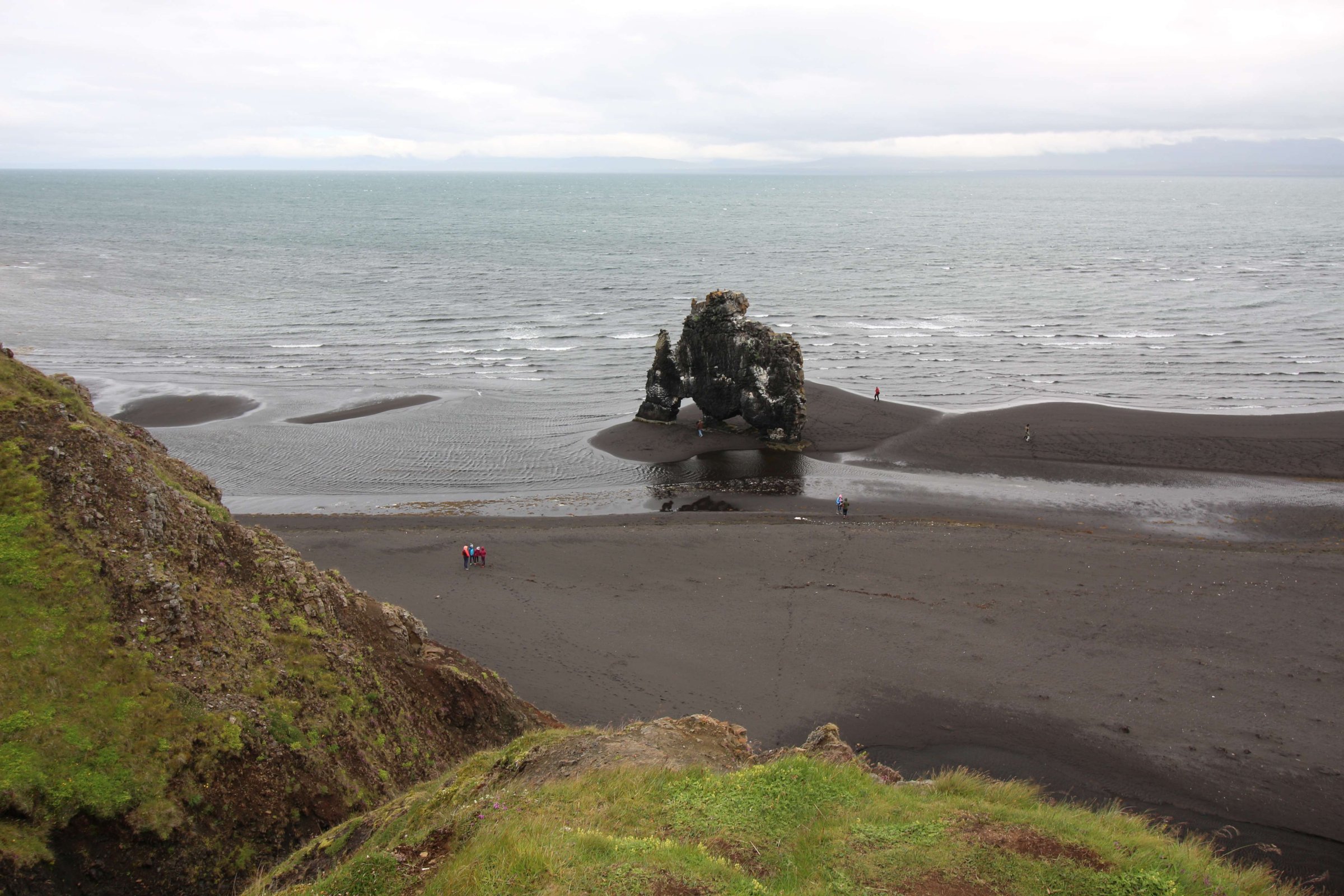
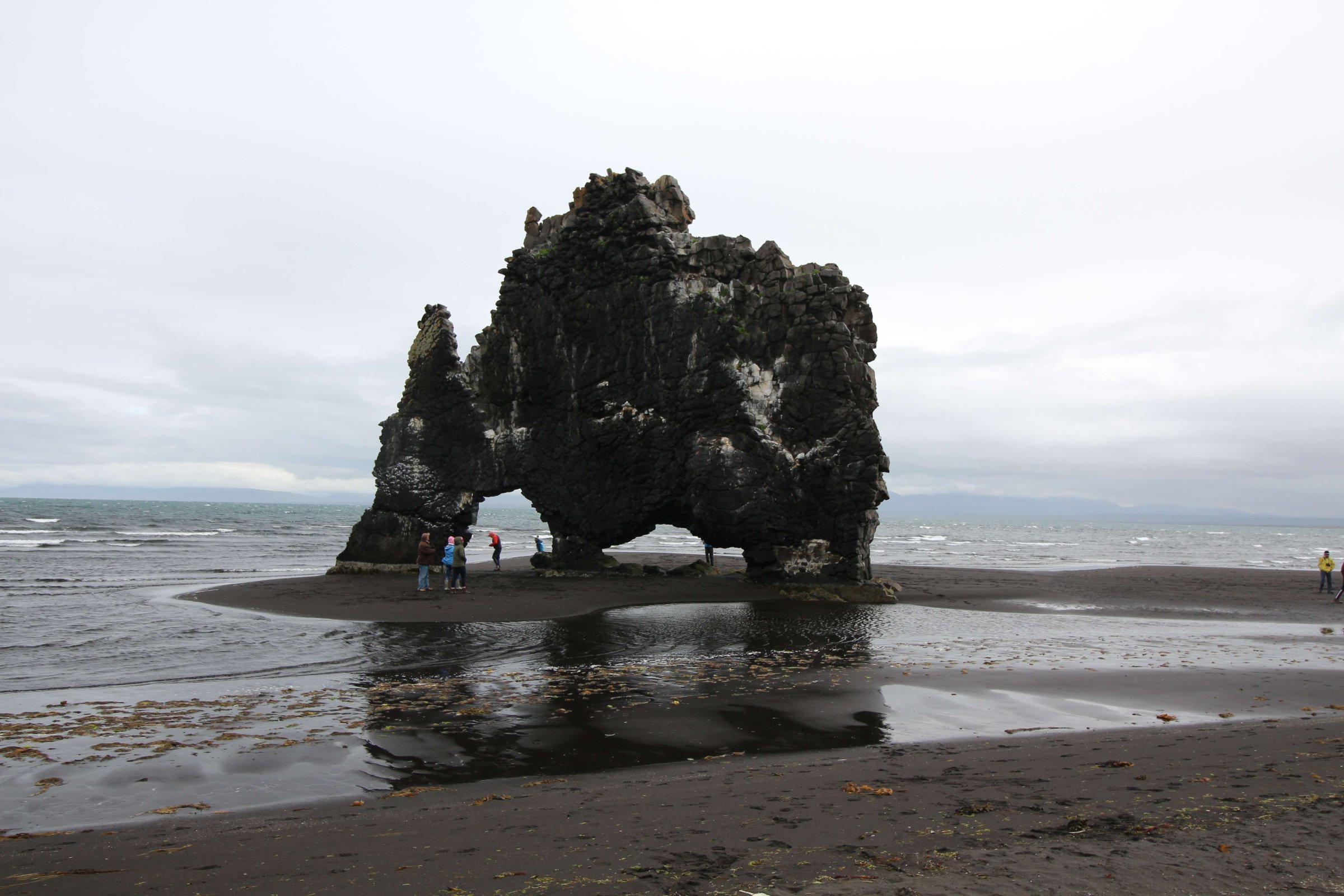
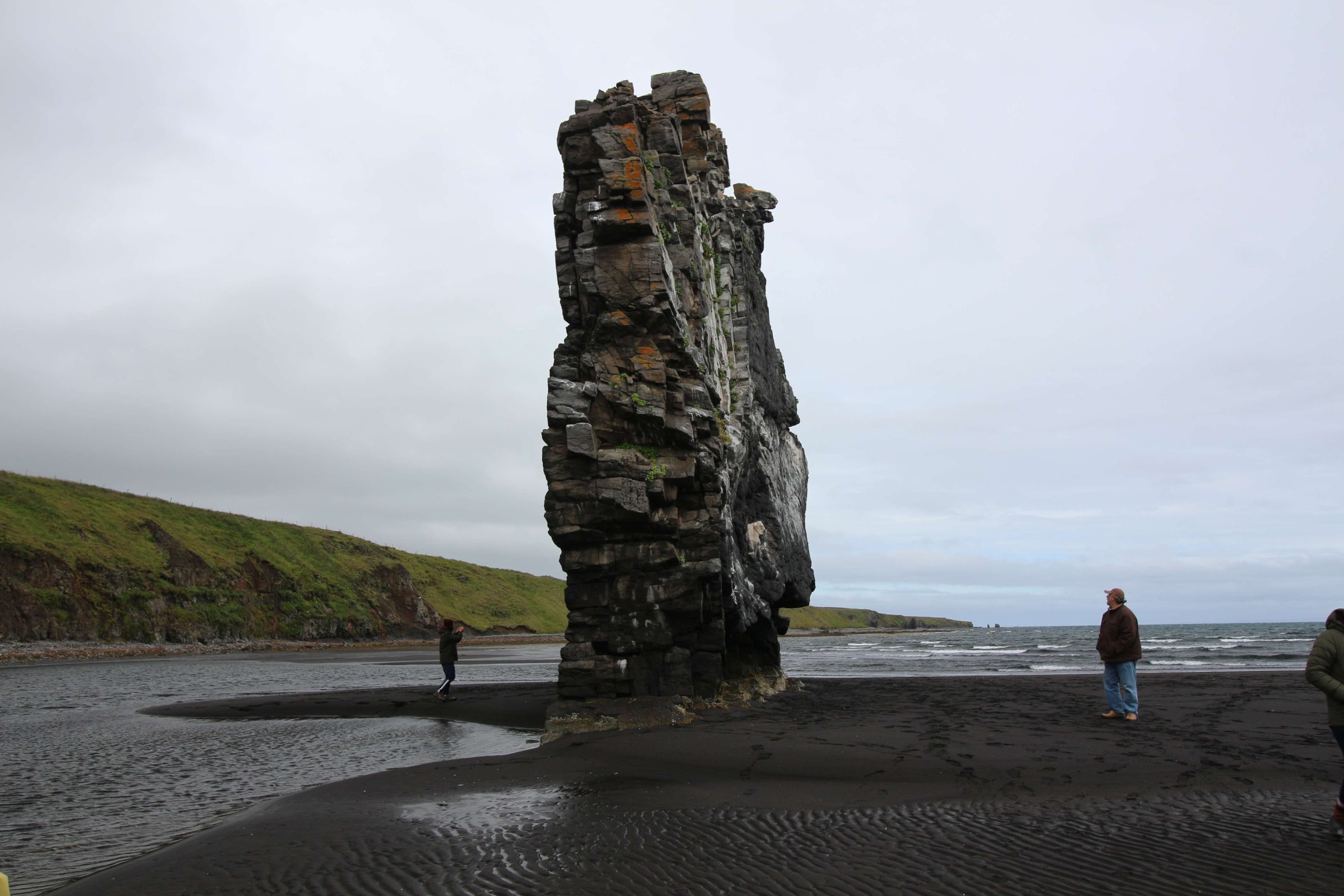
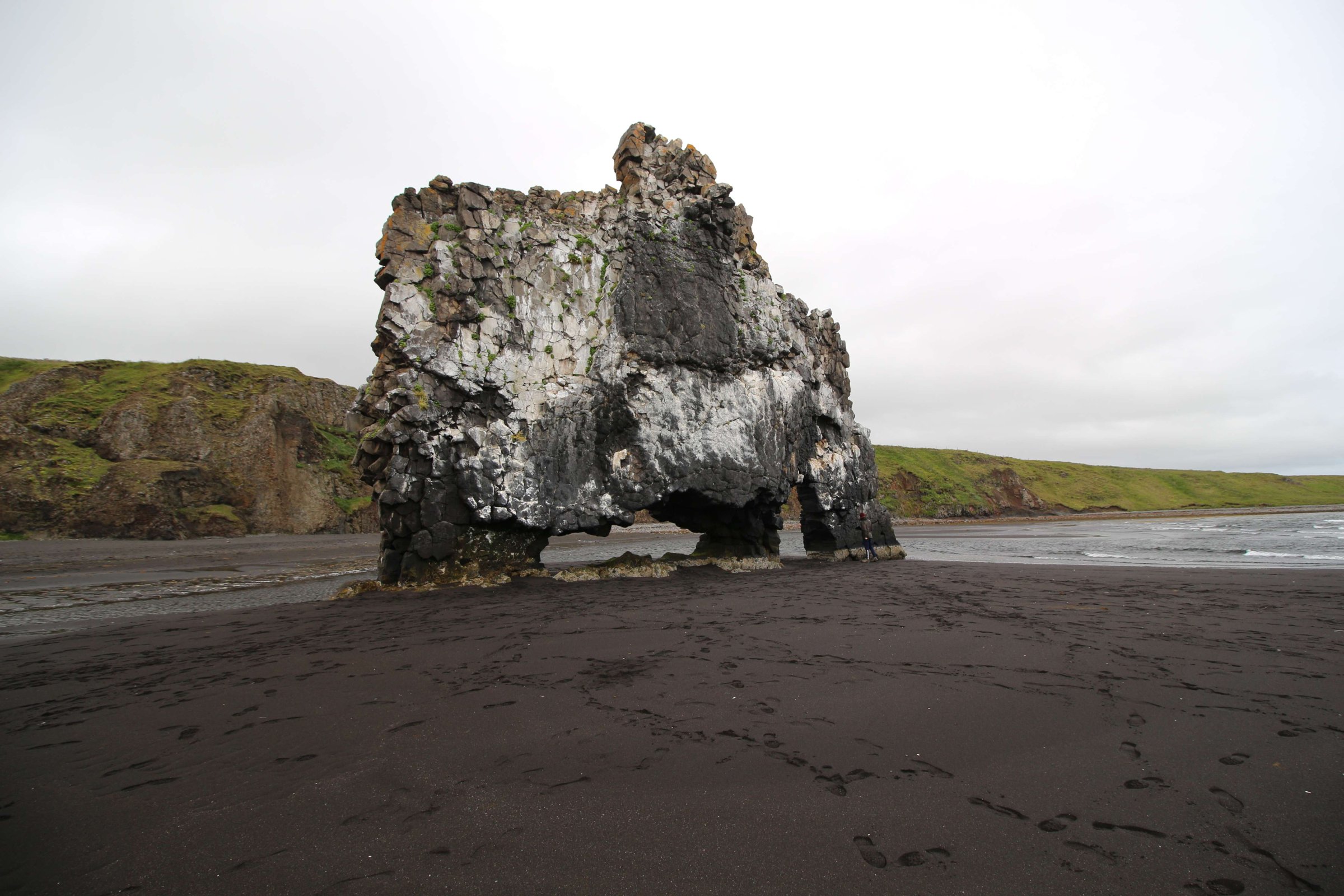
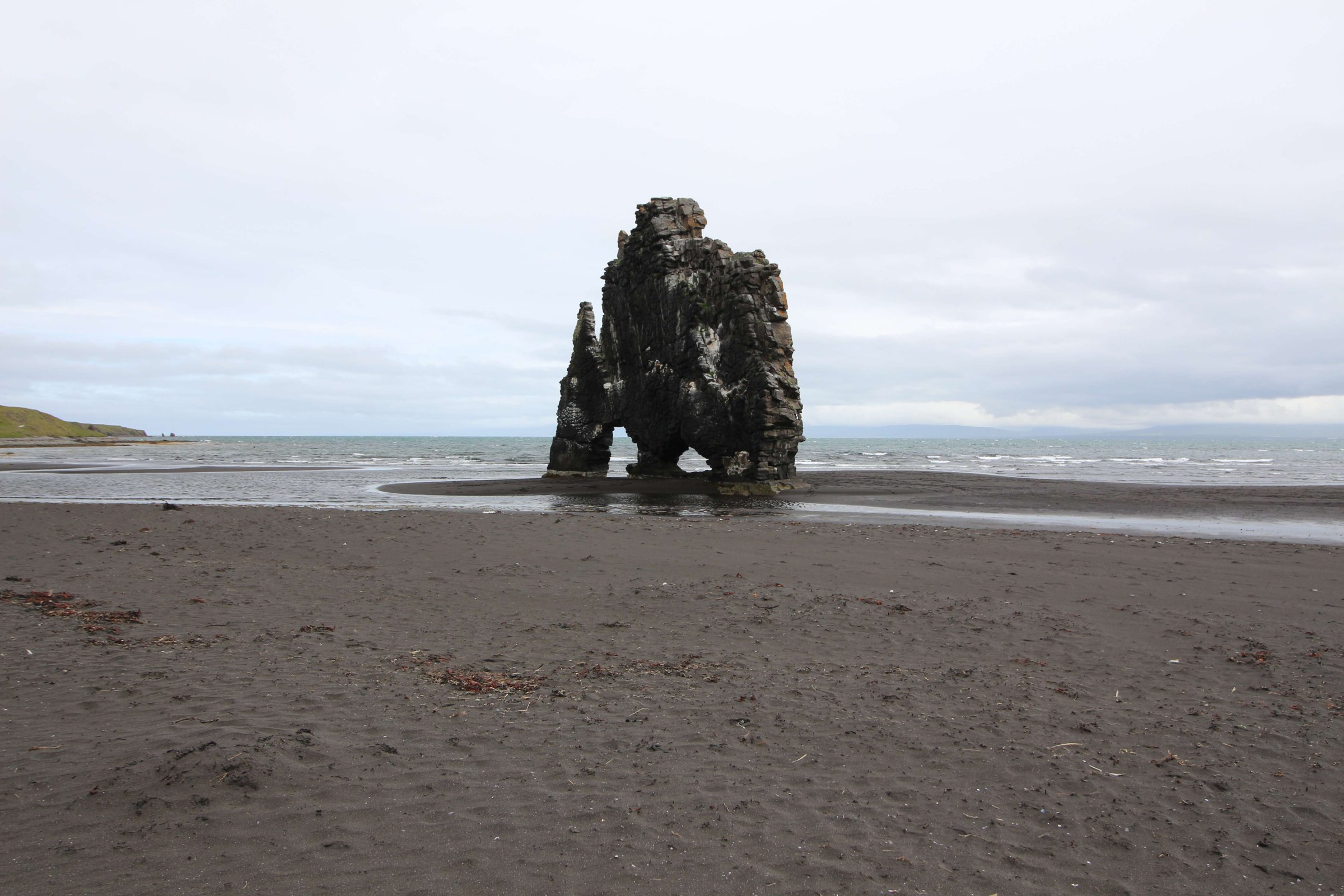
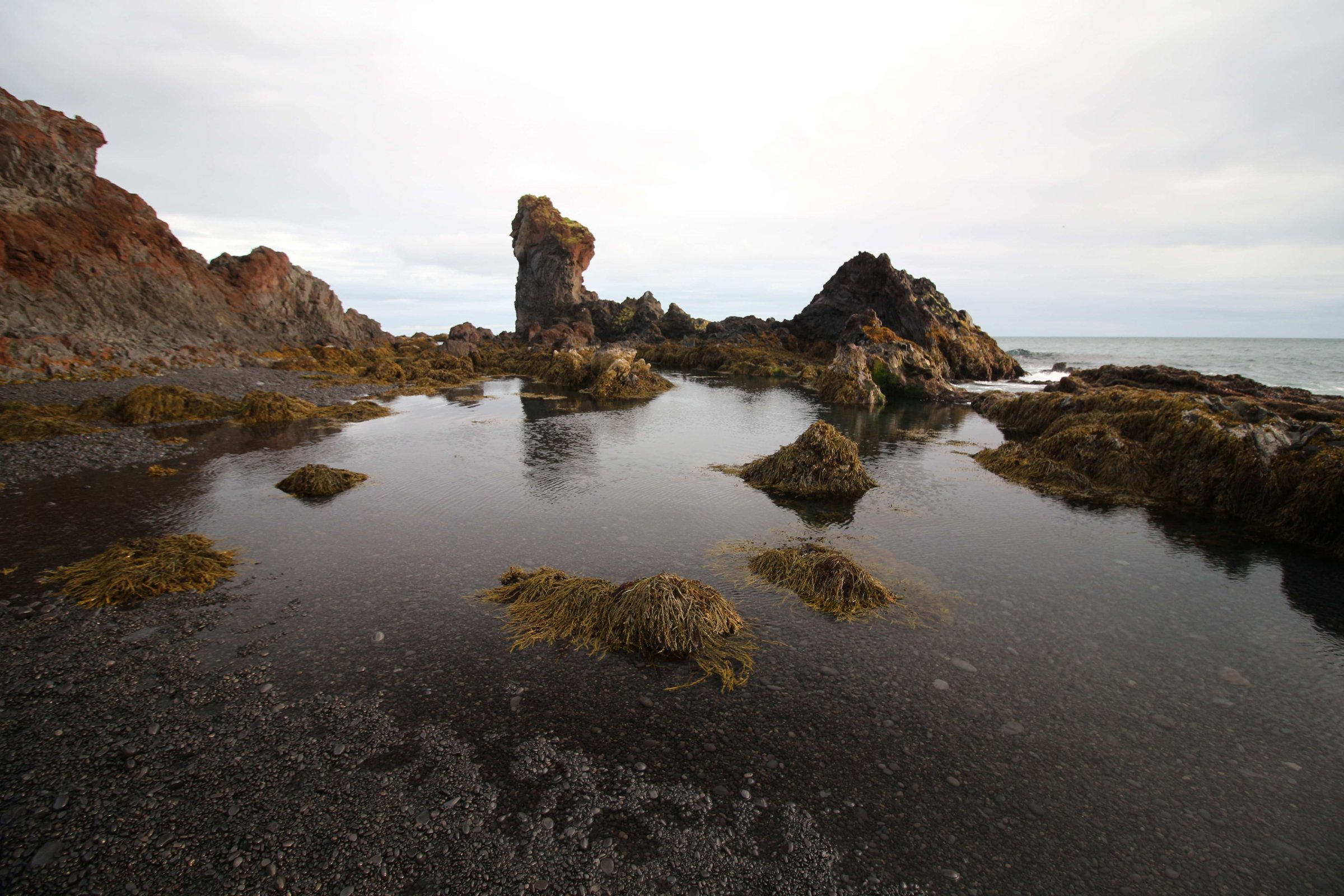
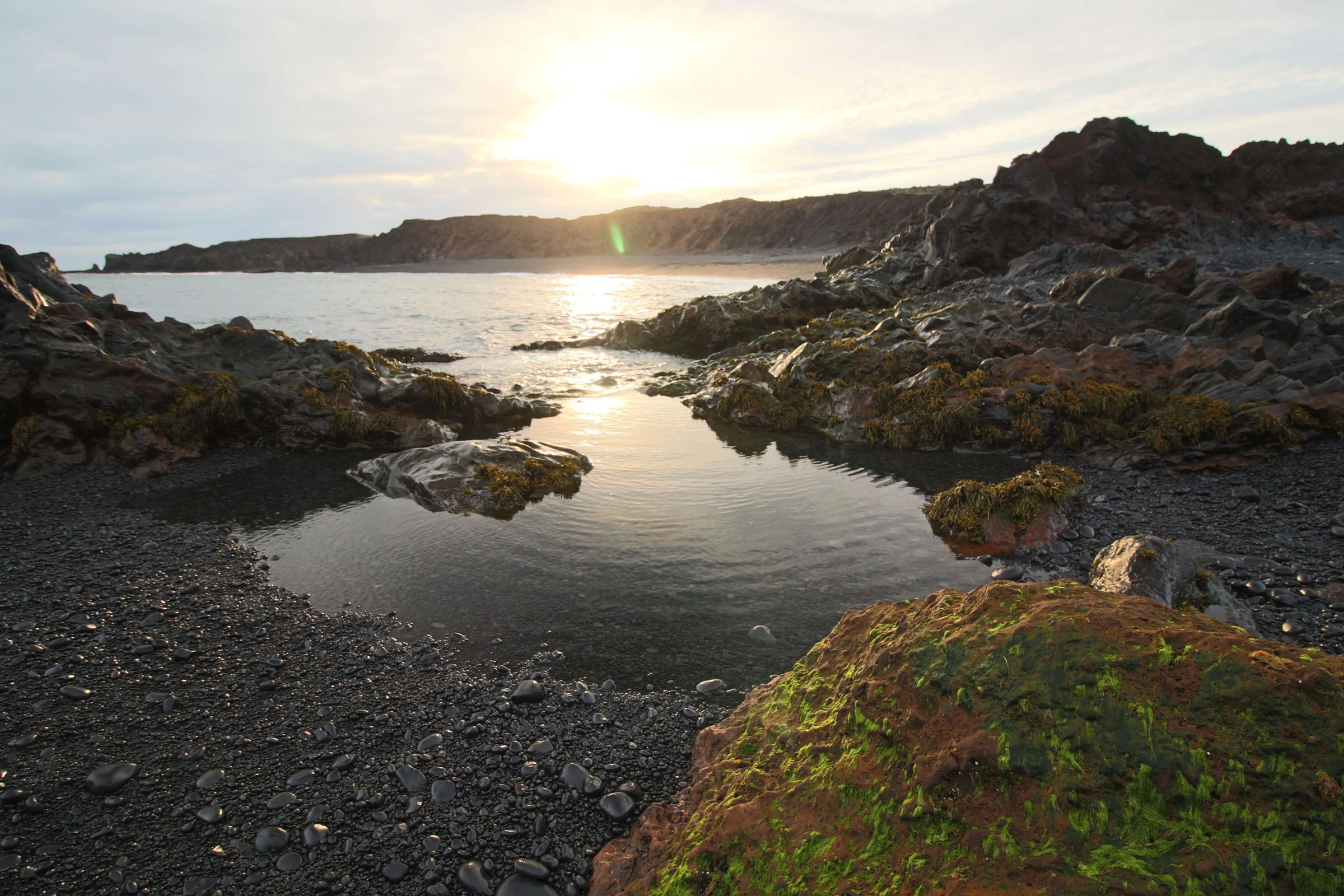
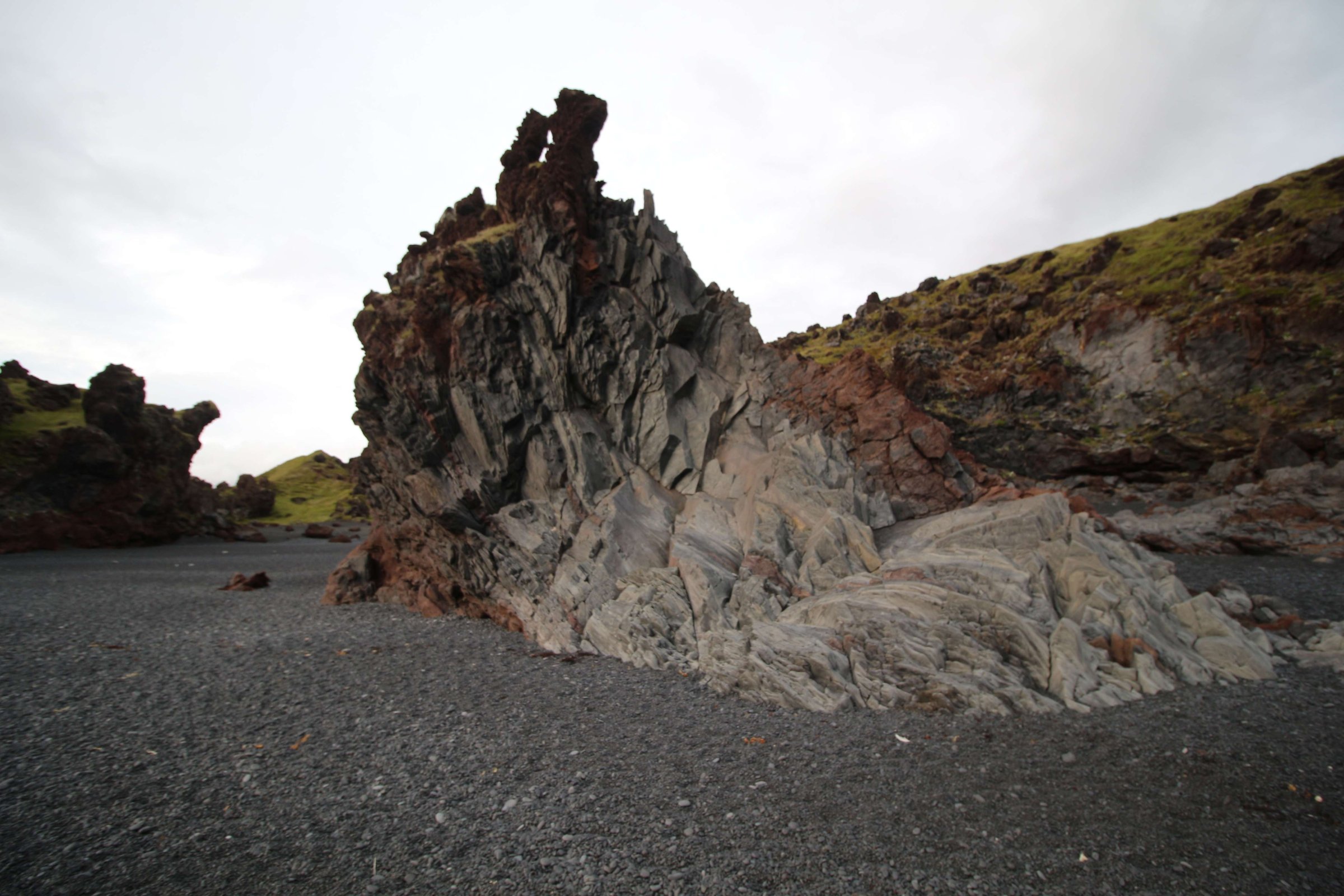
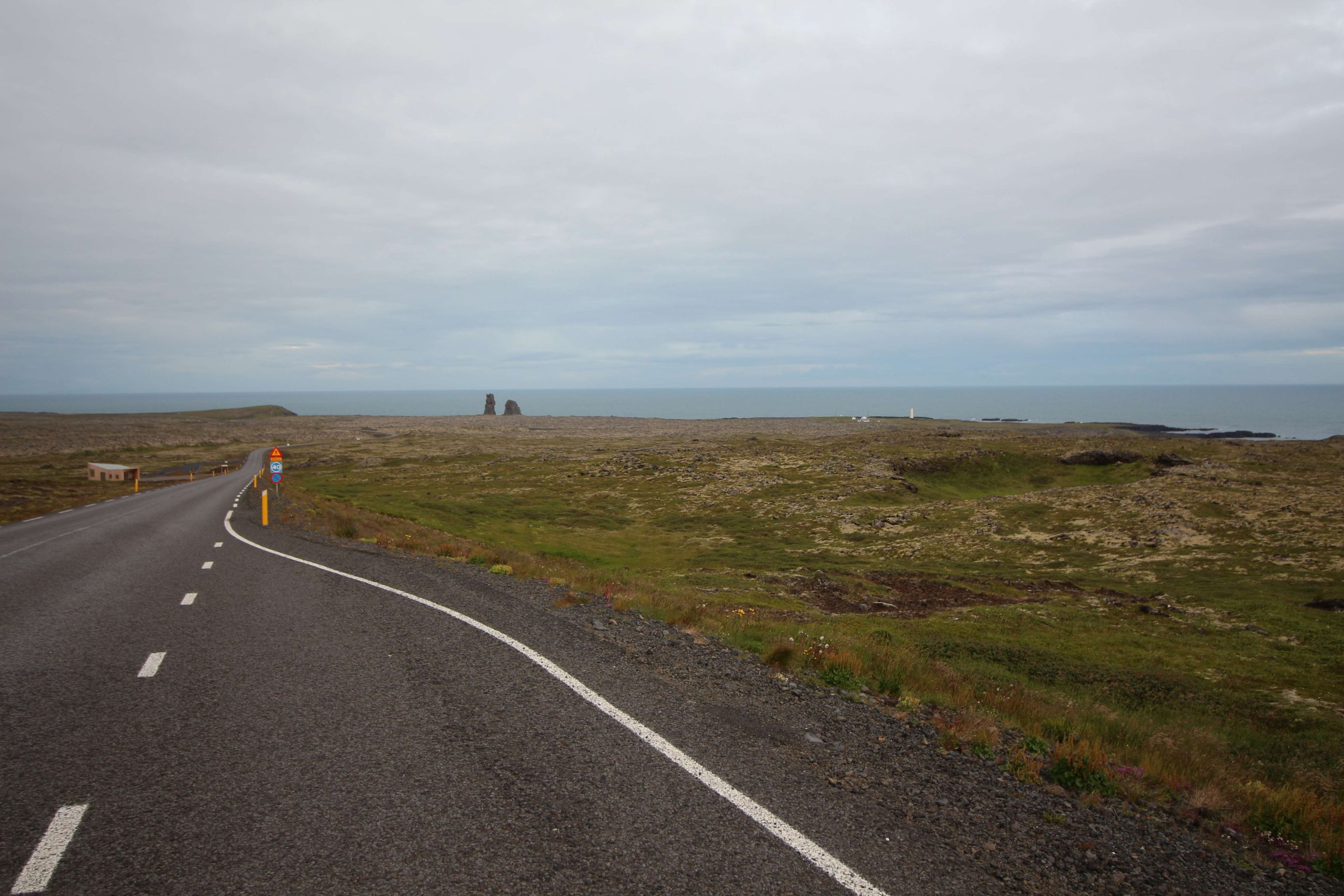
Then we moved on. Next in the plan was a rock in the sea that looked either like an elephant or like a troll squatting and chewing sunflower seeds like a street thug. And here the real pain began. To get there we had to crawl 28 km along a gravel road. The rock itself was nice, but the gloomy weather ruined the photos.
As far as I understand, it is not always possible to walk right up to it. At some times of year, or certain times of day, the way gets covered by water at high tide. We were lucky and had a good walk around it.
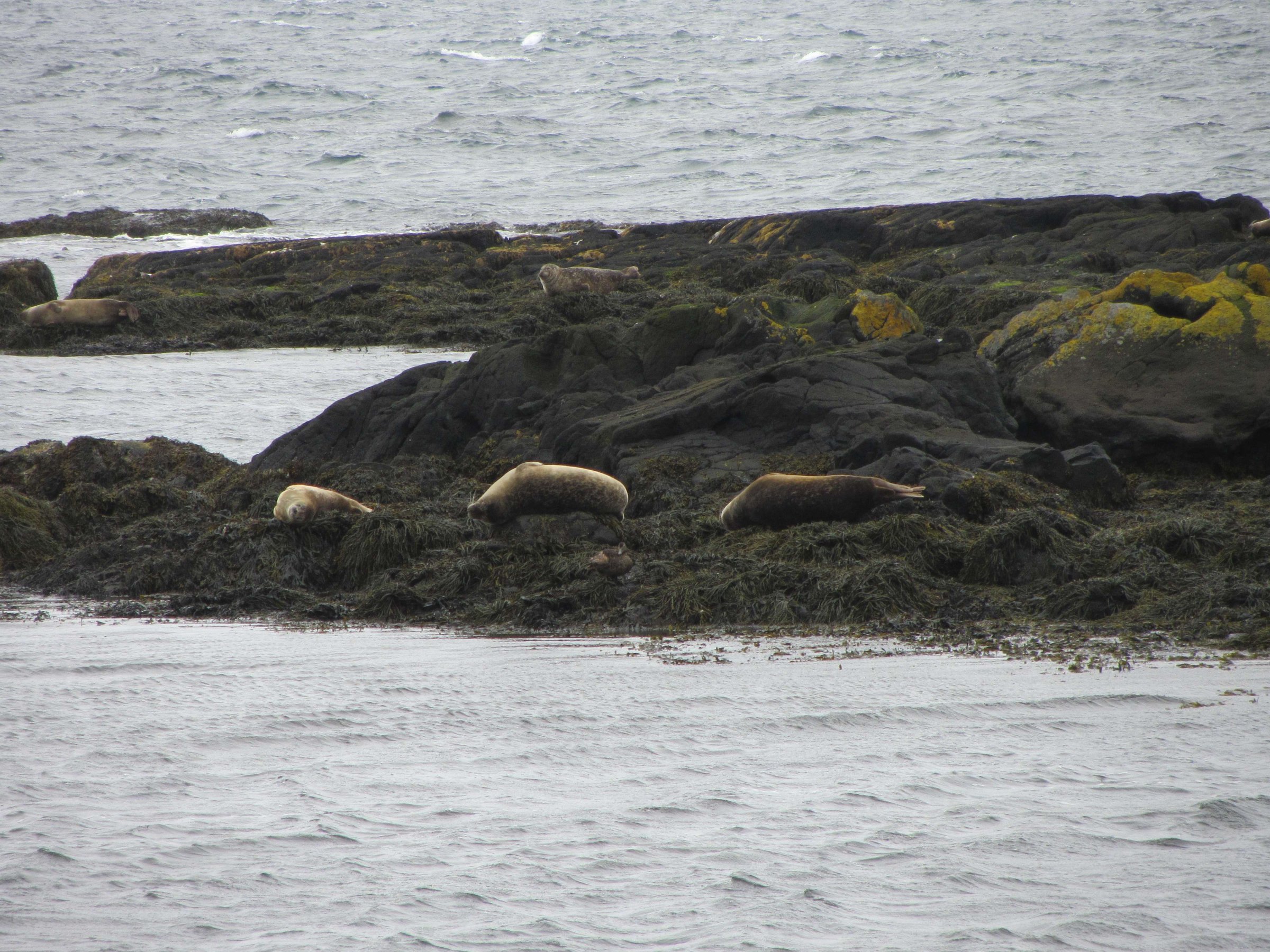
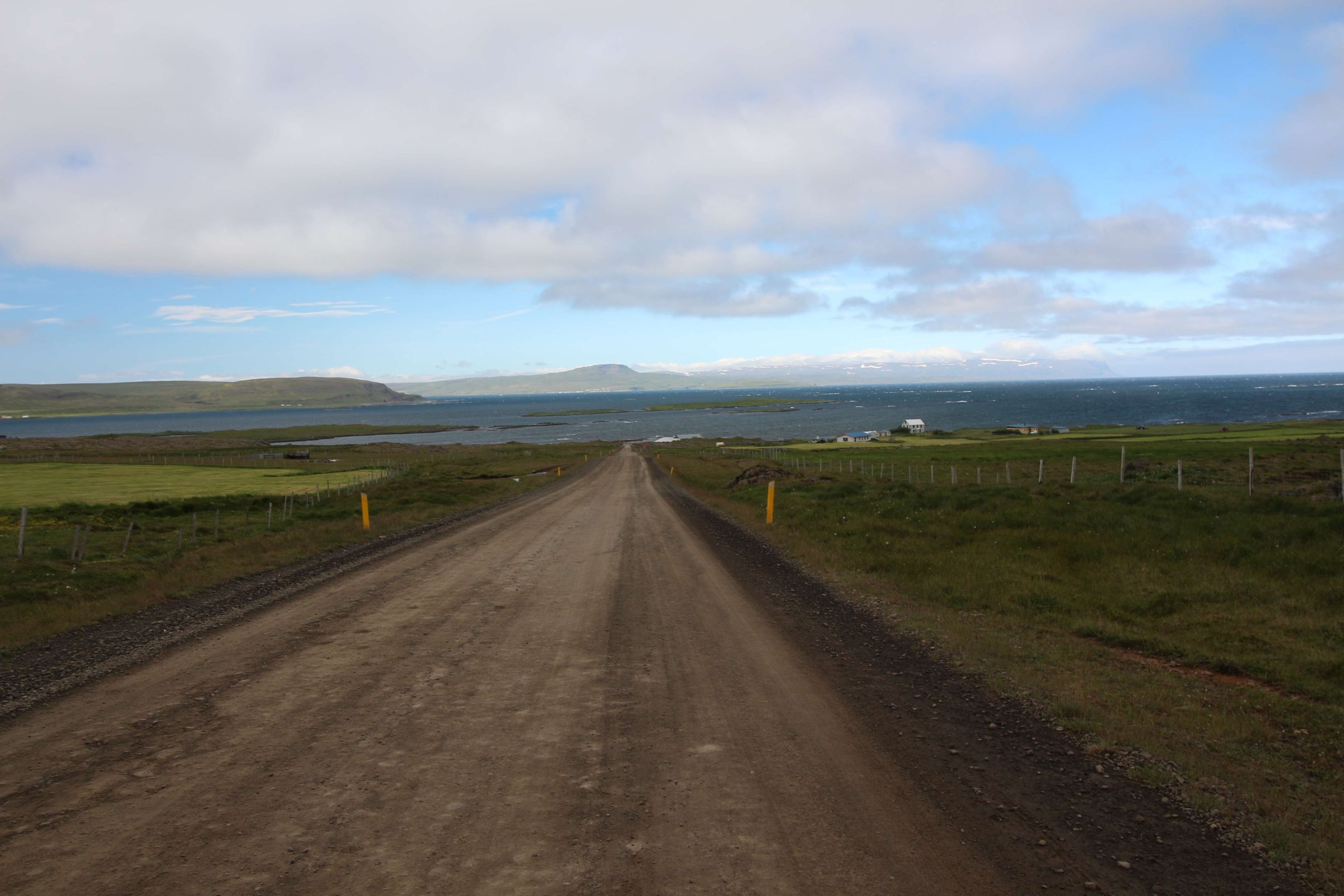
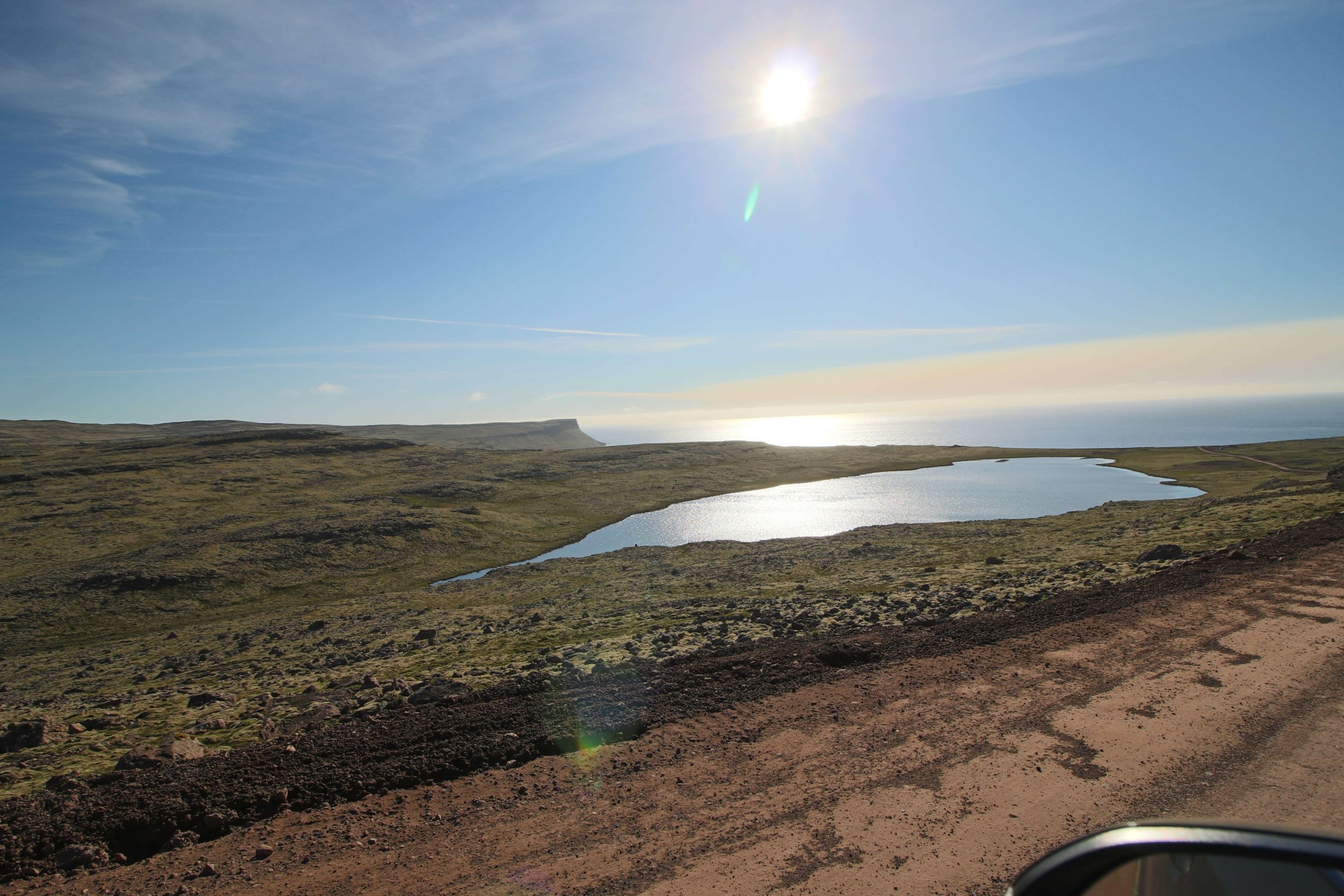
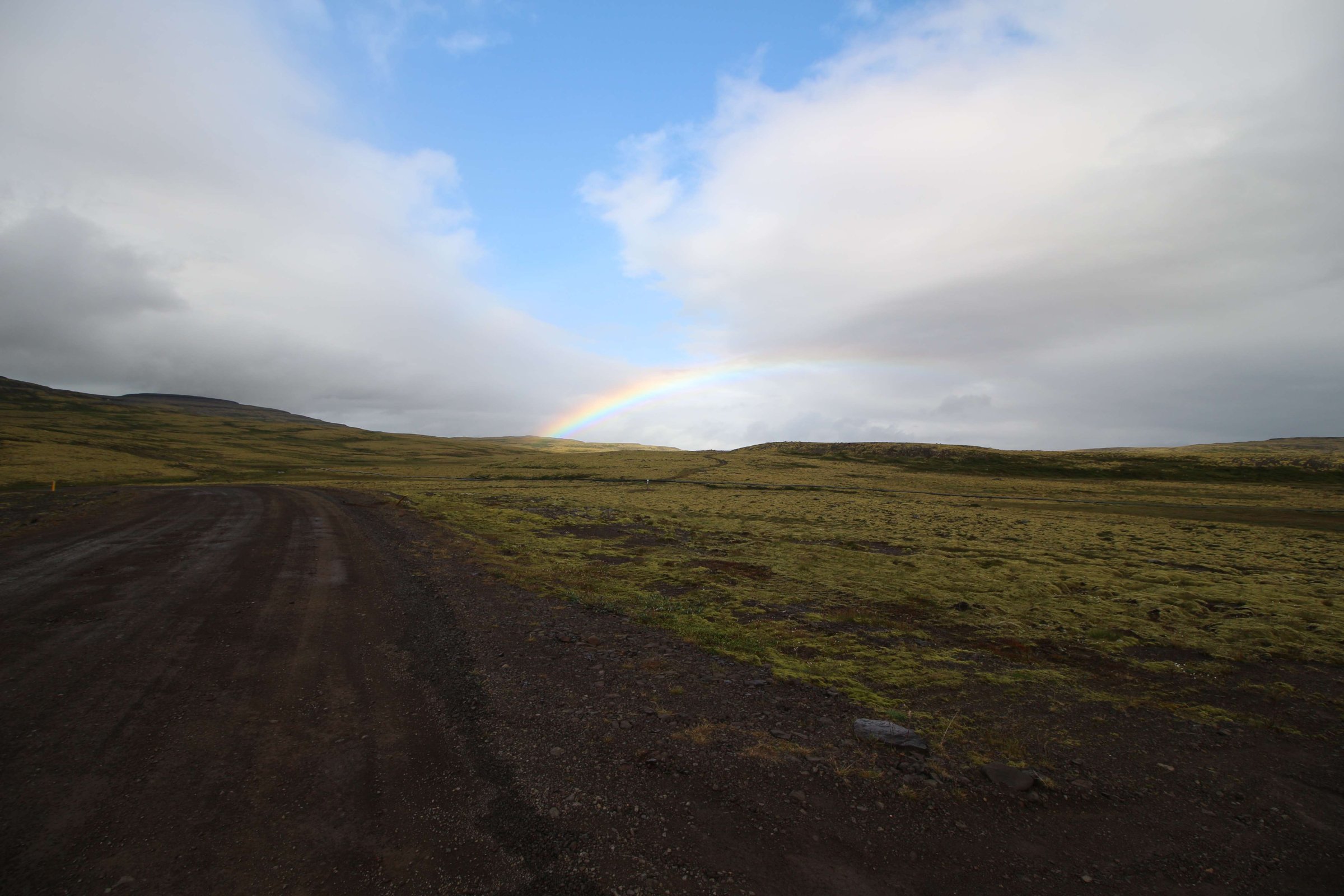
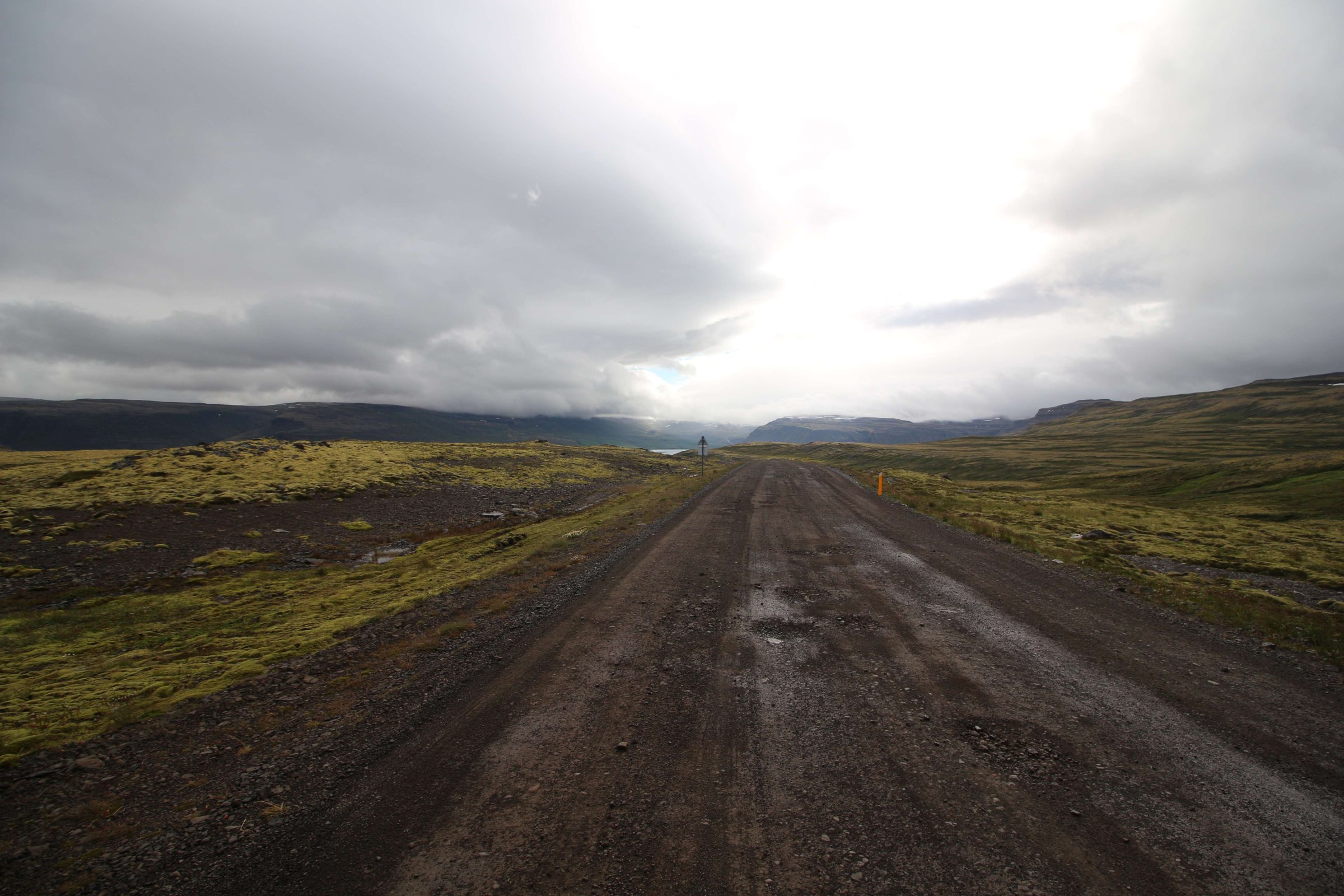
After that we had a choice: go back along the same road or continue for another 50 km, but in return get a chance to see seals. We chose the second option and regretted it, because those 50 km of gravel dragged on forever. I always worry when I am driving on a bad road. Every pothole I hit inflicts real emotional damage. Often the road looks fine and you can accelerate to 80 km/h, but then suddenly it turns into a washboard and you no longer know whether to brake hard and crawl or press the gas and try to skim over it. I remember exactly the same kind of washboard on the way to Khuzhir on Olkhon Island at Lake Baikal. We got shaken badly there too. In general this happens because graders keep leveling the road, but at the same time they can leave it rough enough to puncture a tire. Tire punctures are common in Iceland. Our tires were fairly low-profile as well, so I had even more reason to worry. I had brought a tire repair kit from home just in case. If we had punctured a wheel, maybe we could have fixed it on the spot. If not, it would have been a complete fiasco.
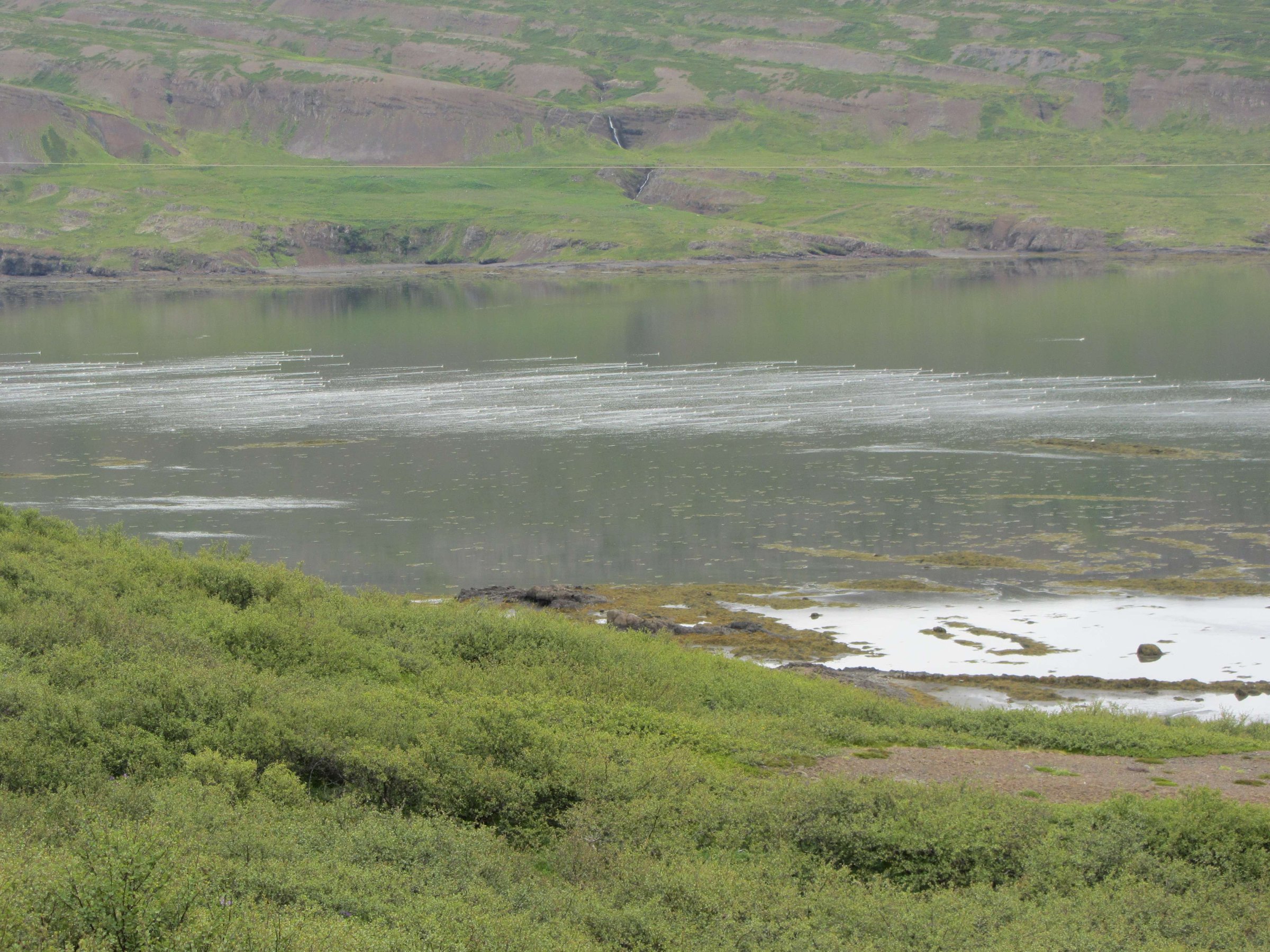
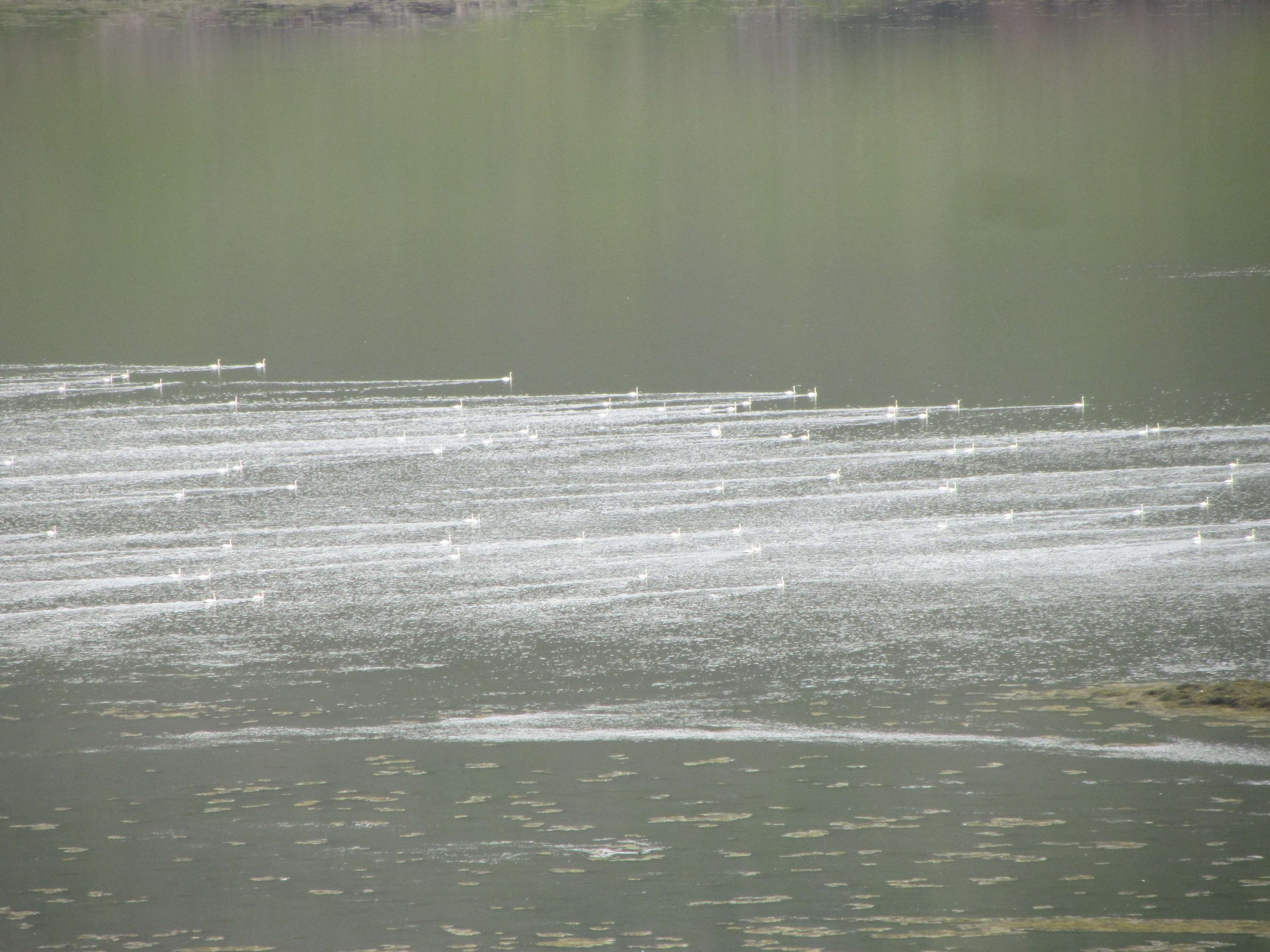
Here are the seals. I photographed them with my other camera with stronger zoom. They were lying on a somewhat distant islet.
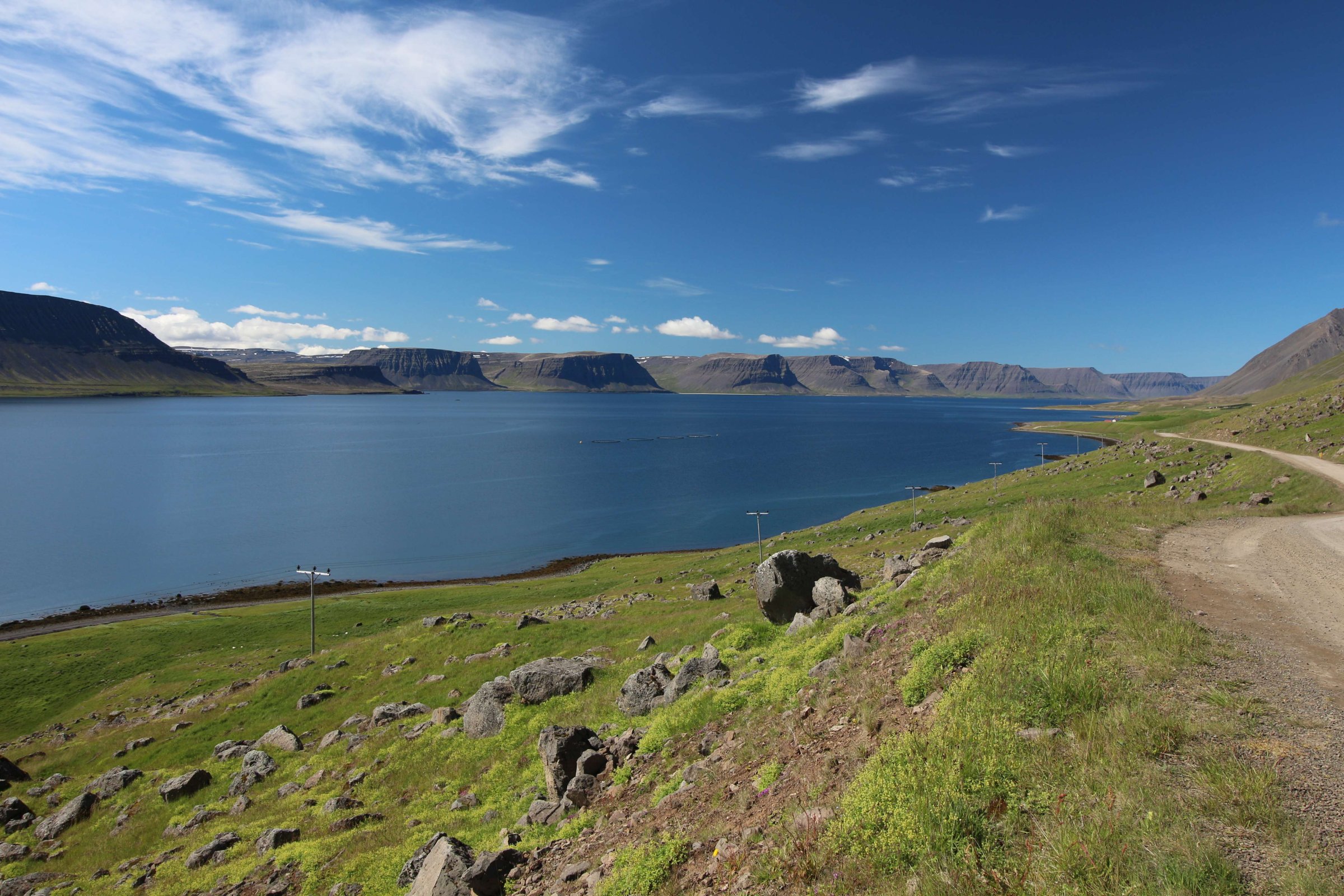
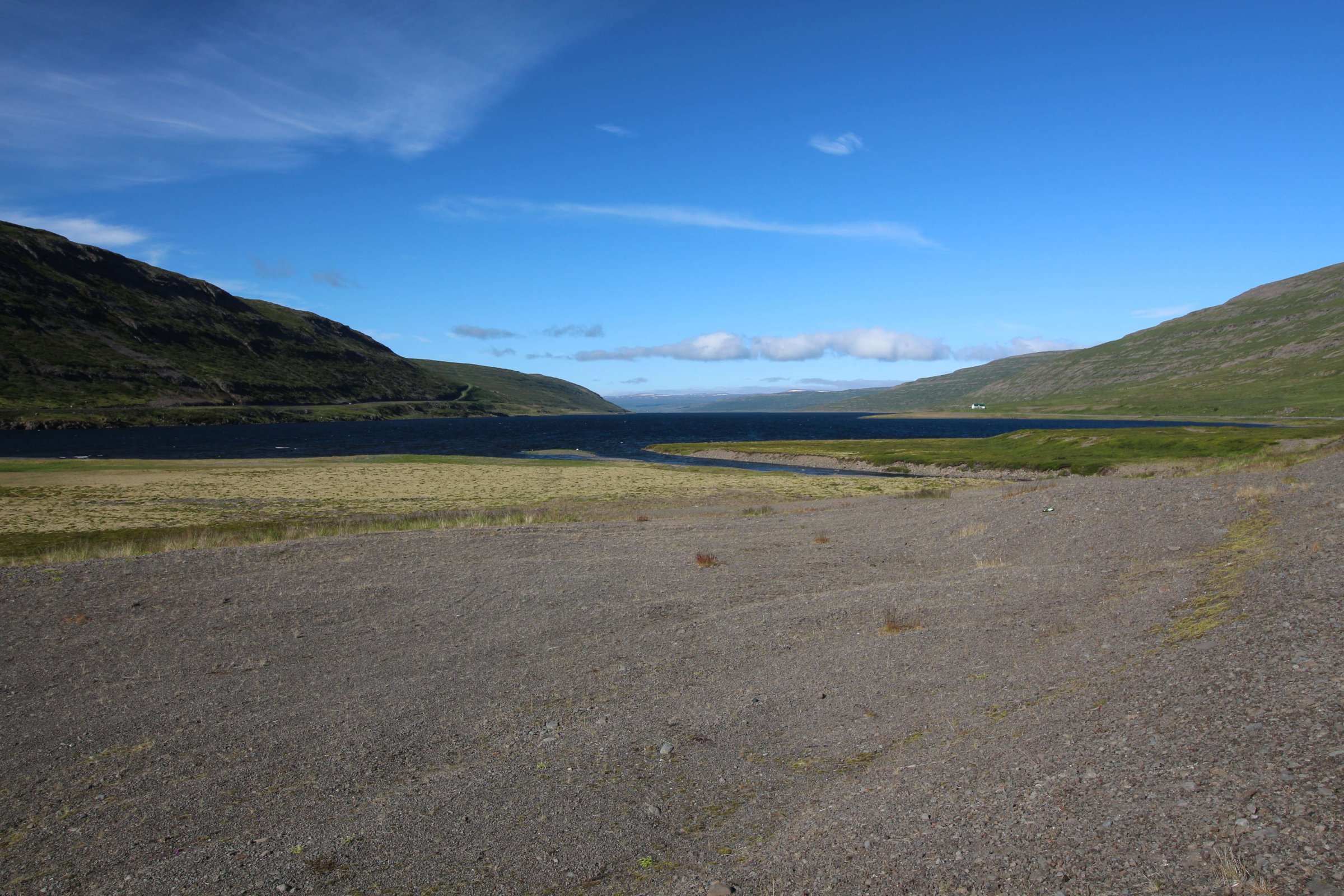
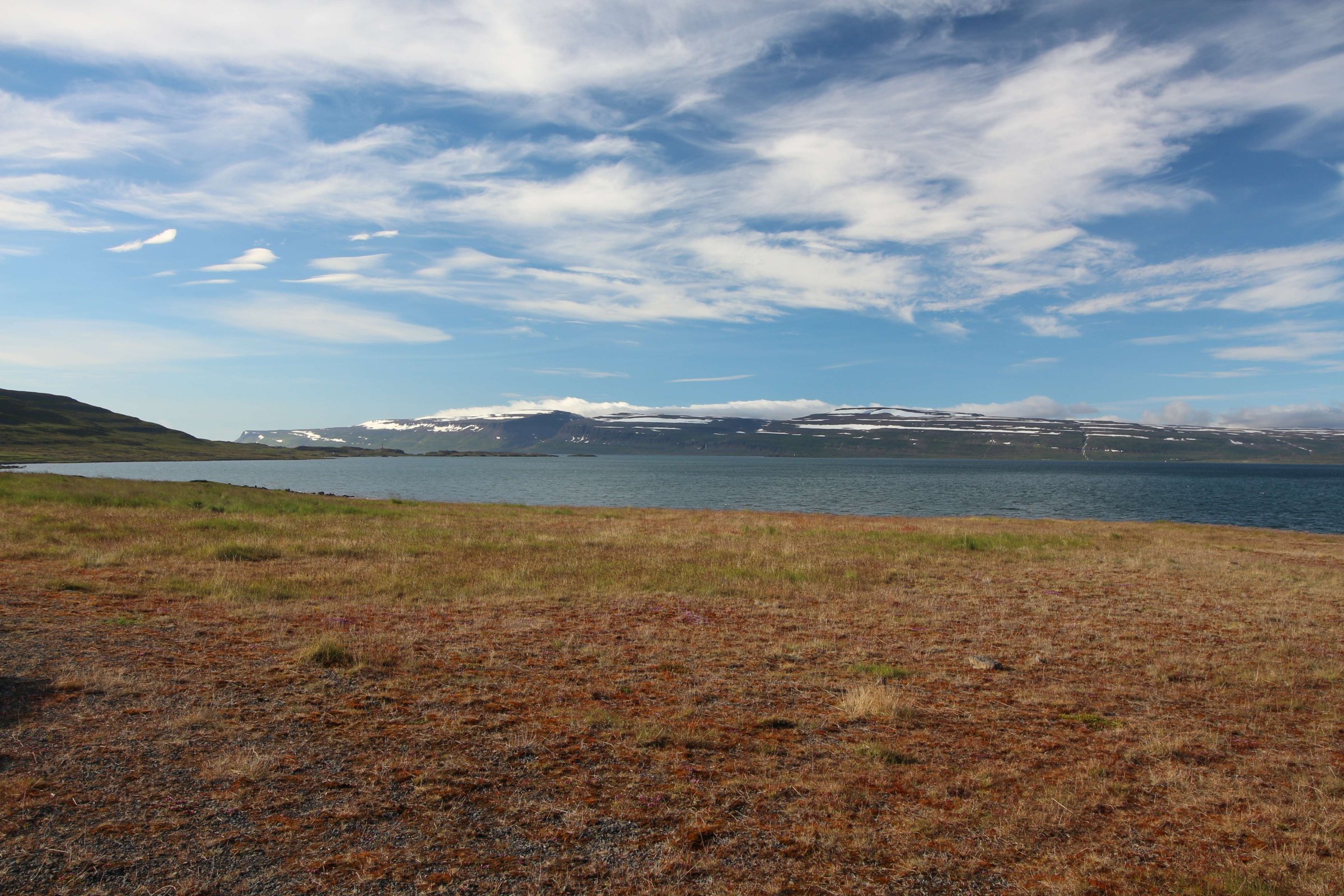
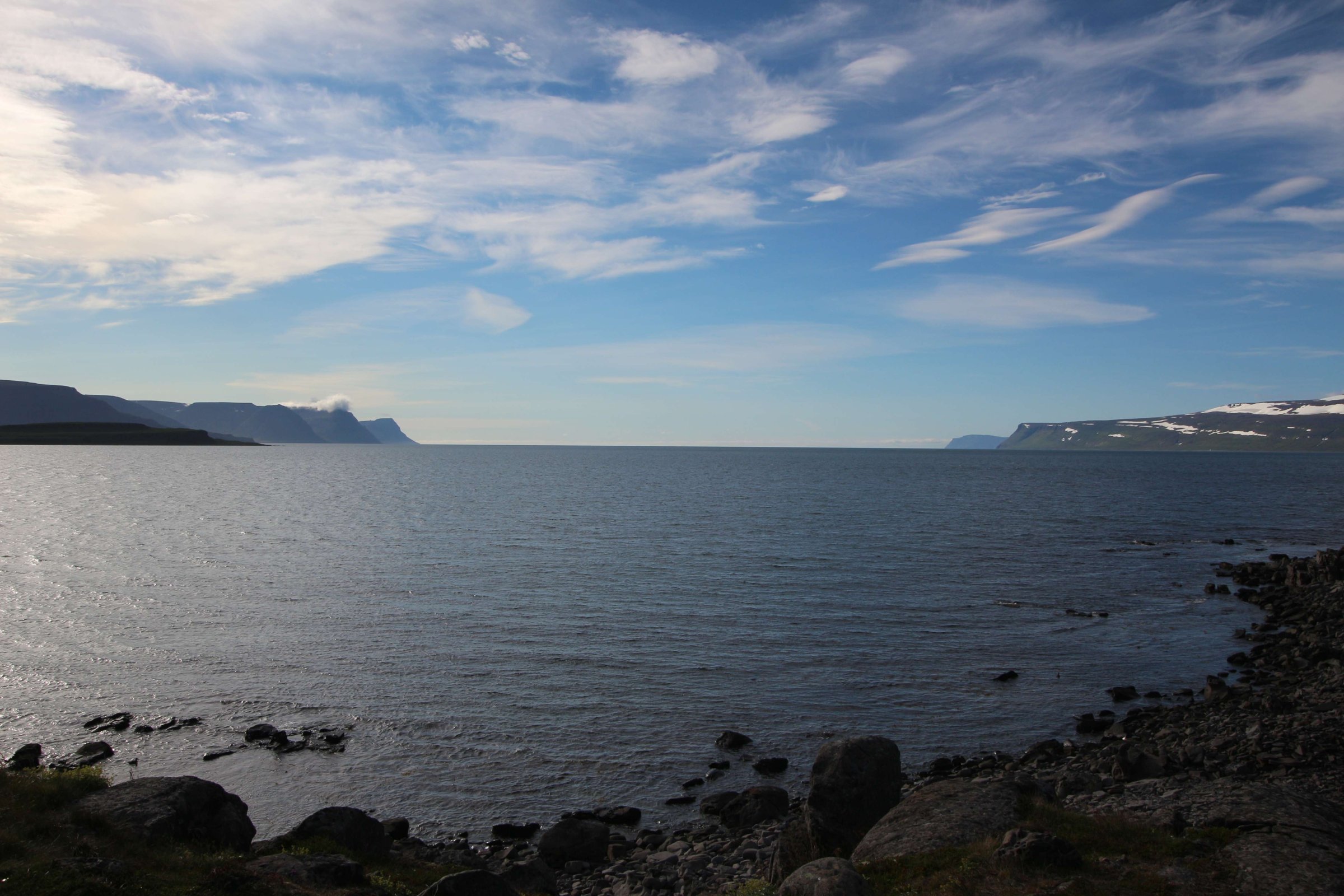
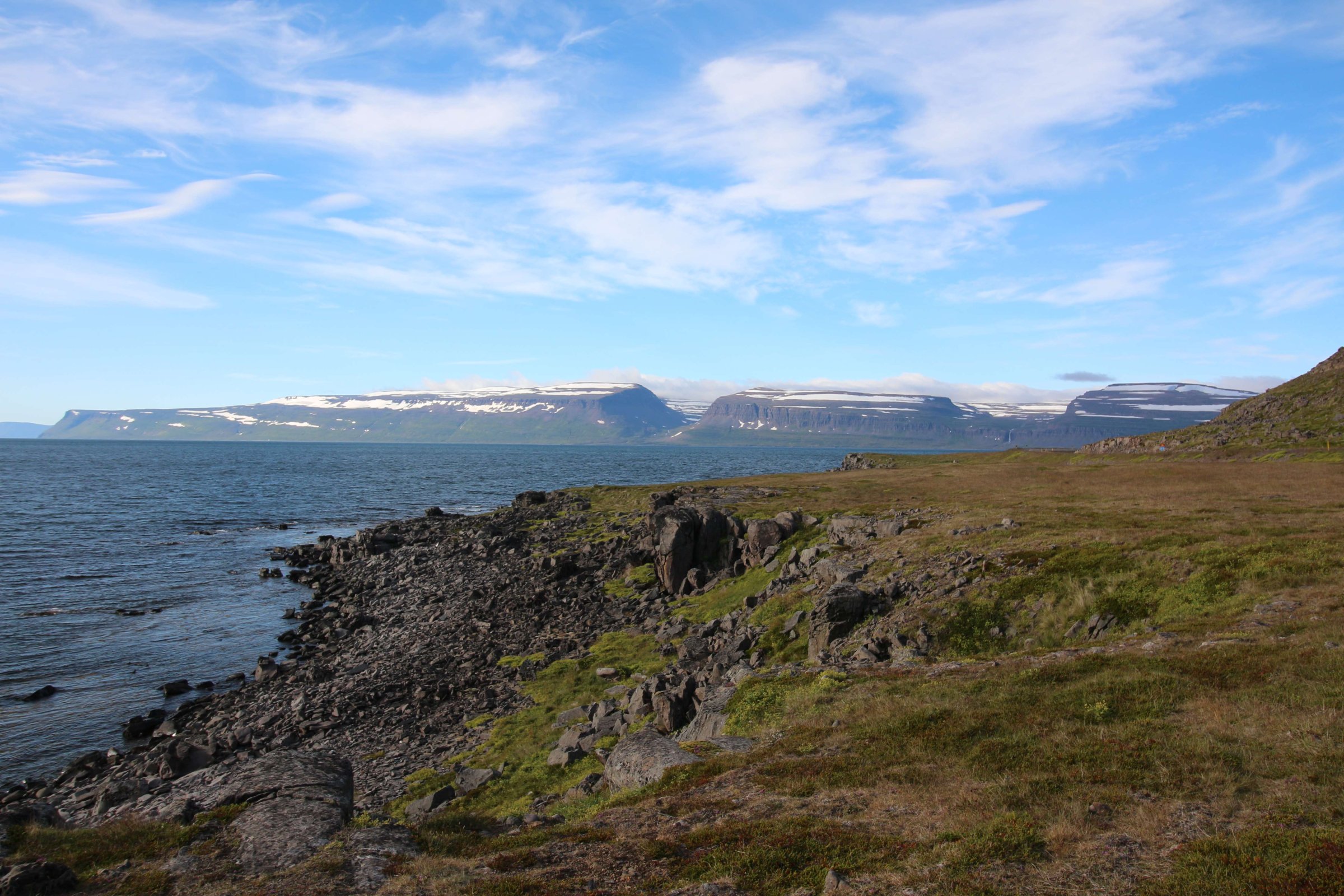
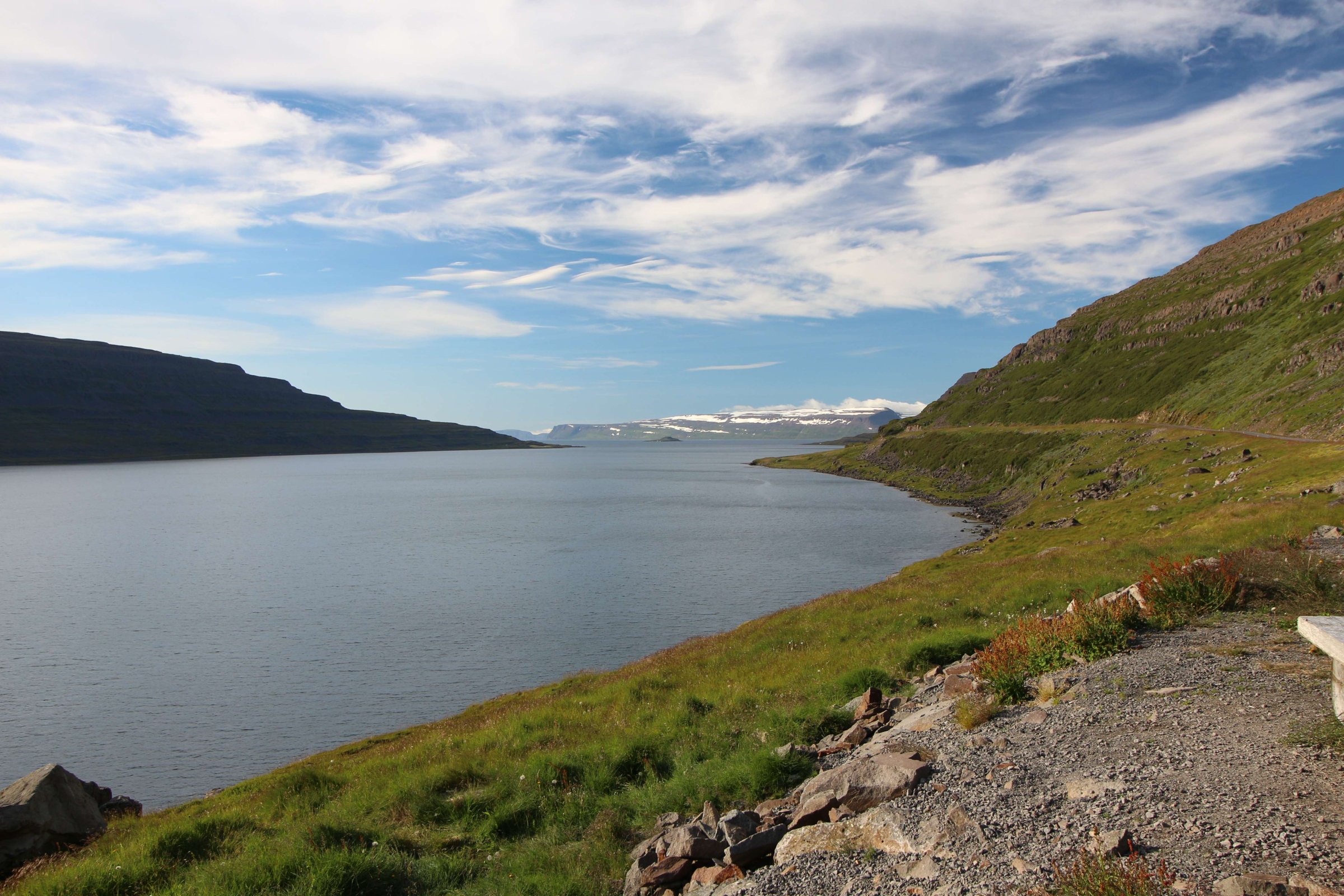
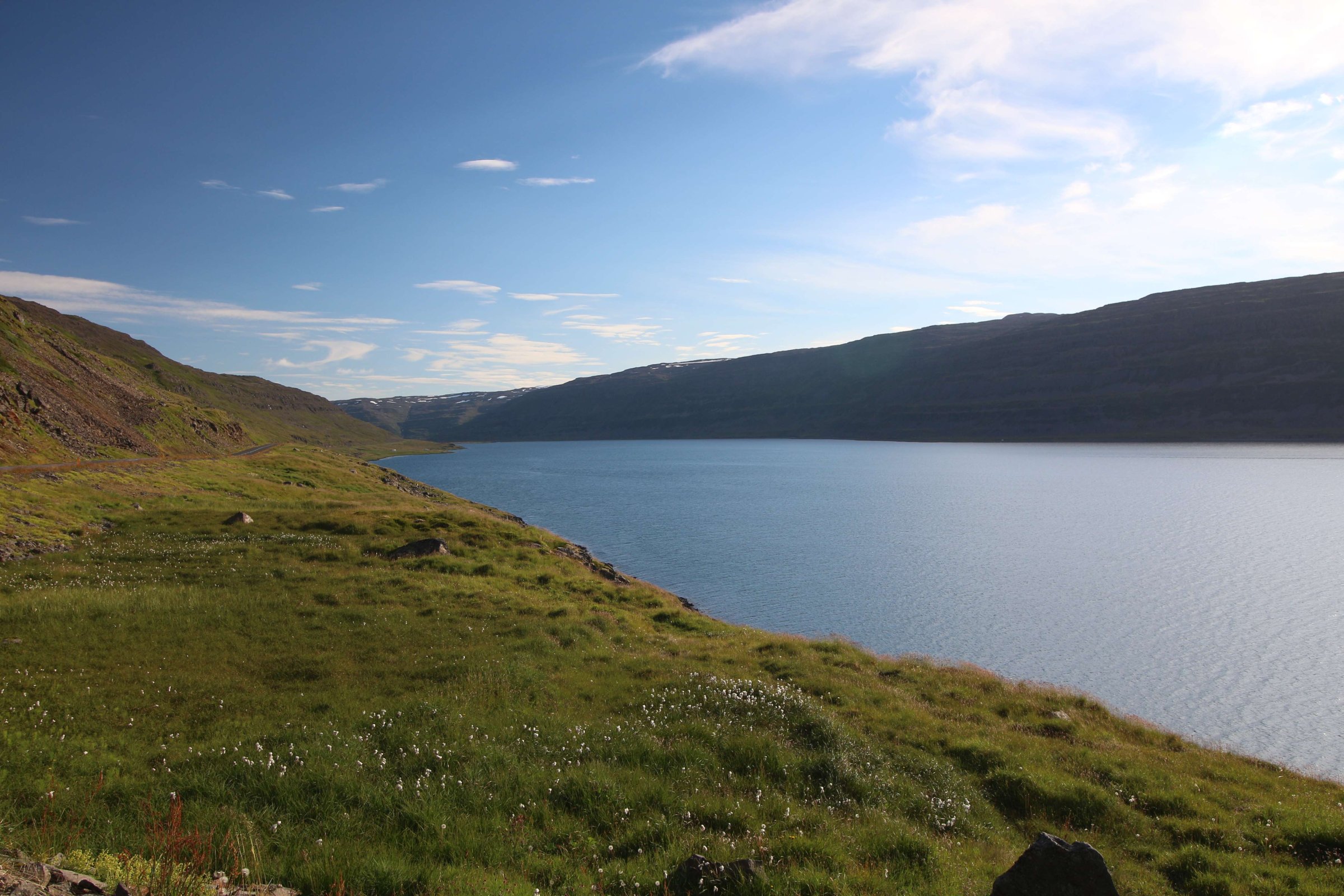
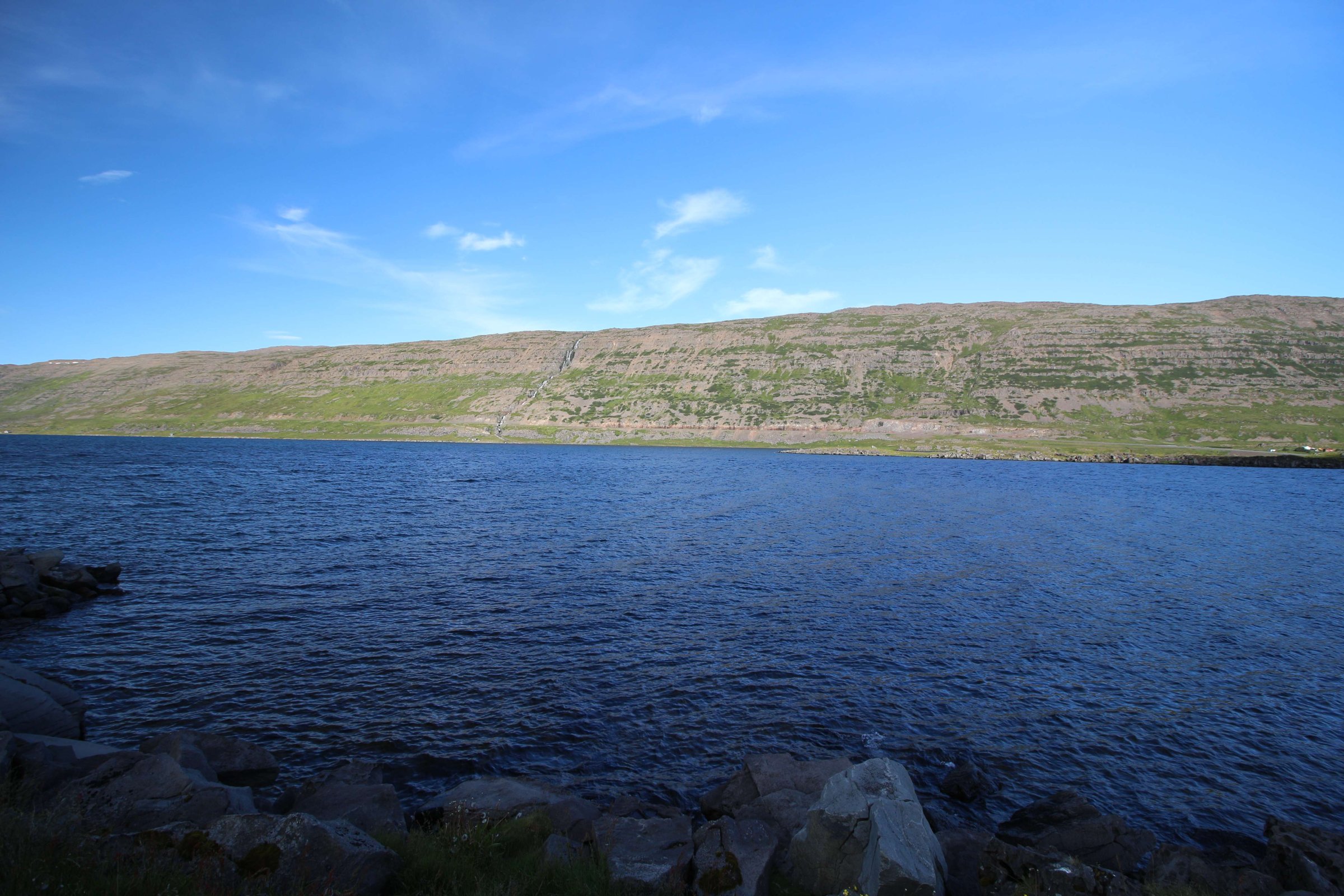
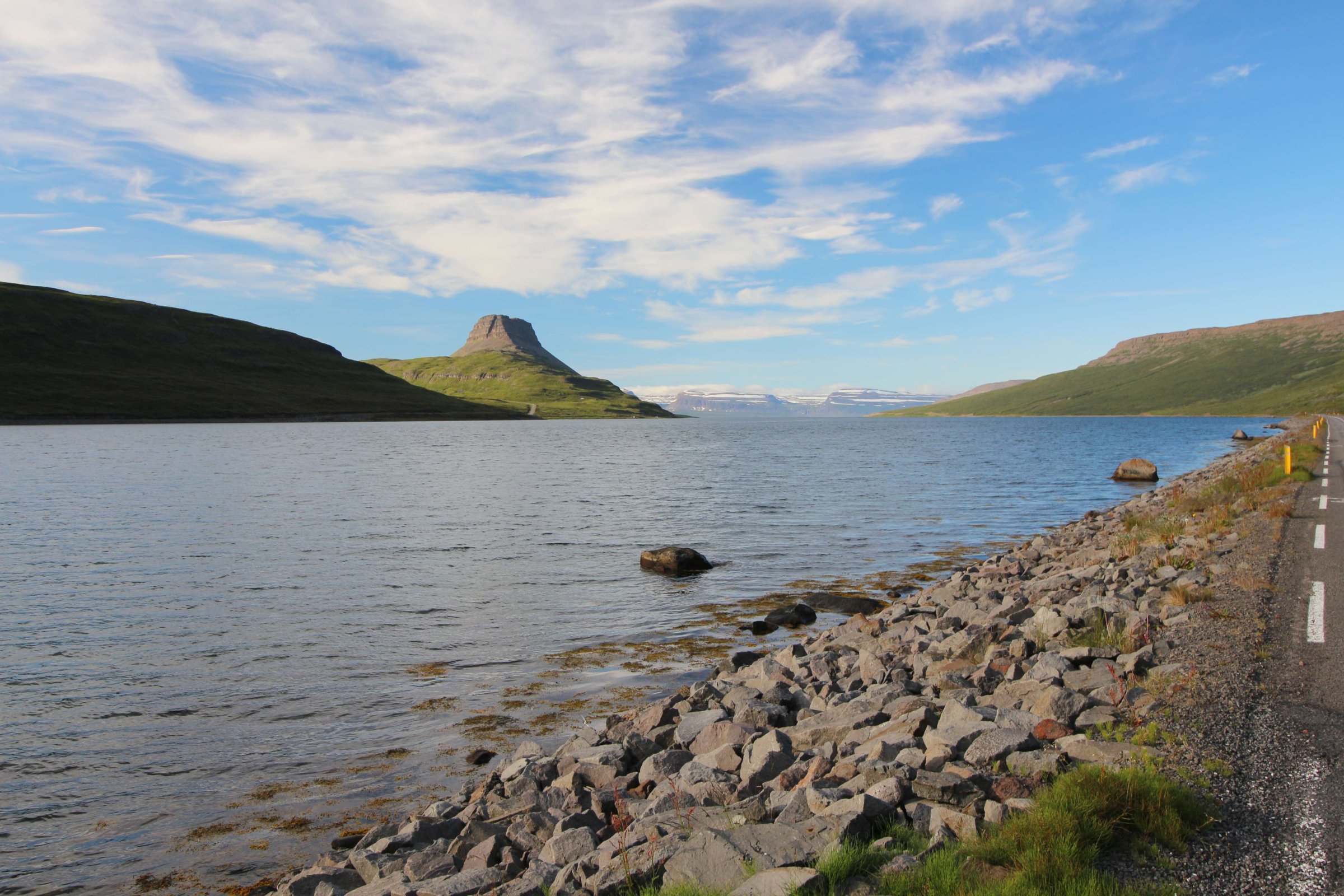
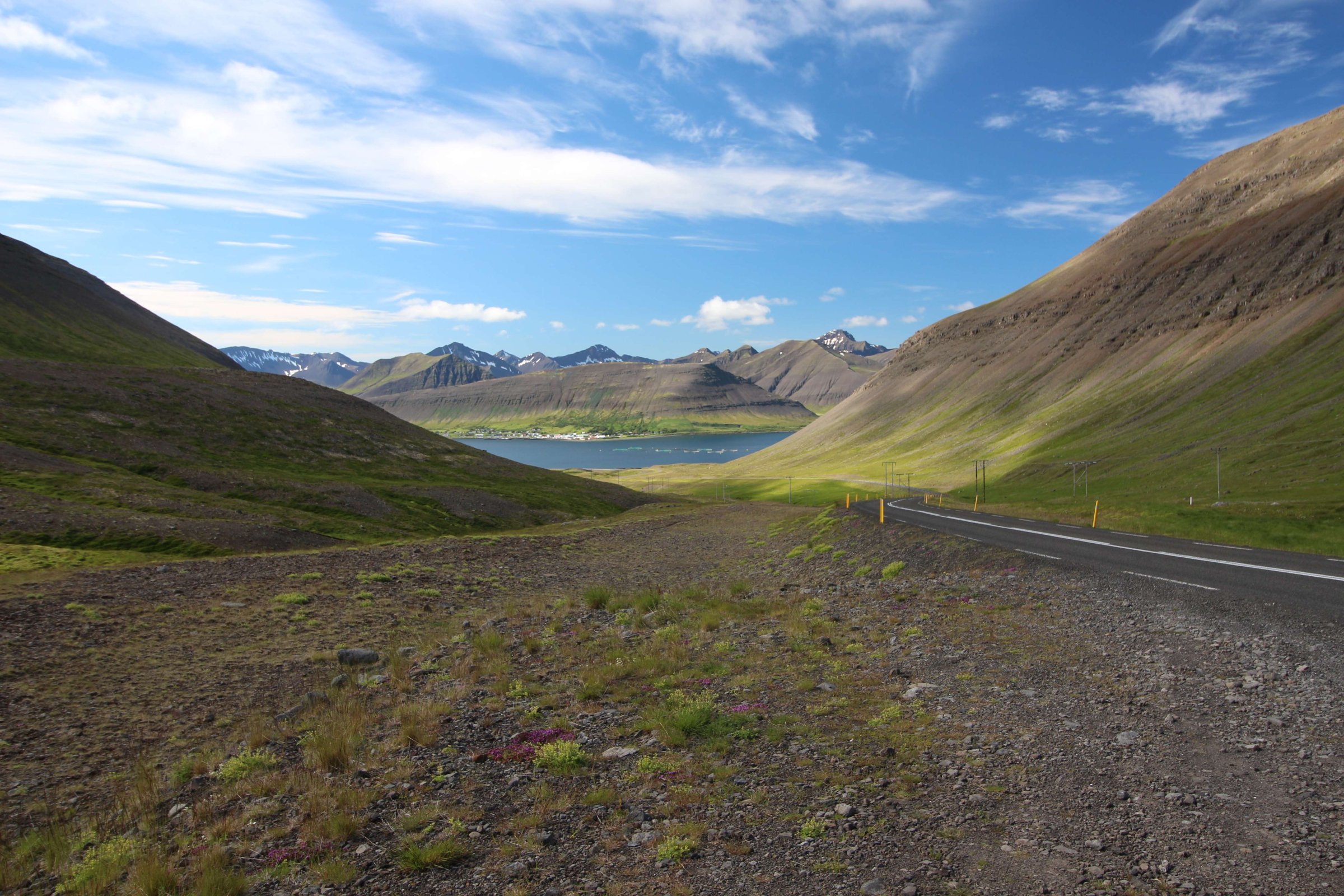
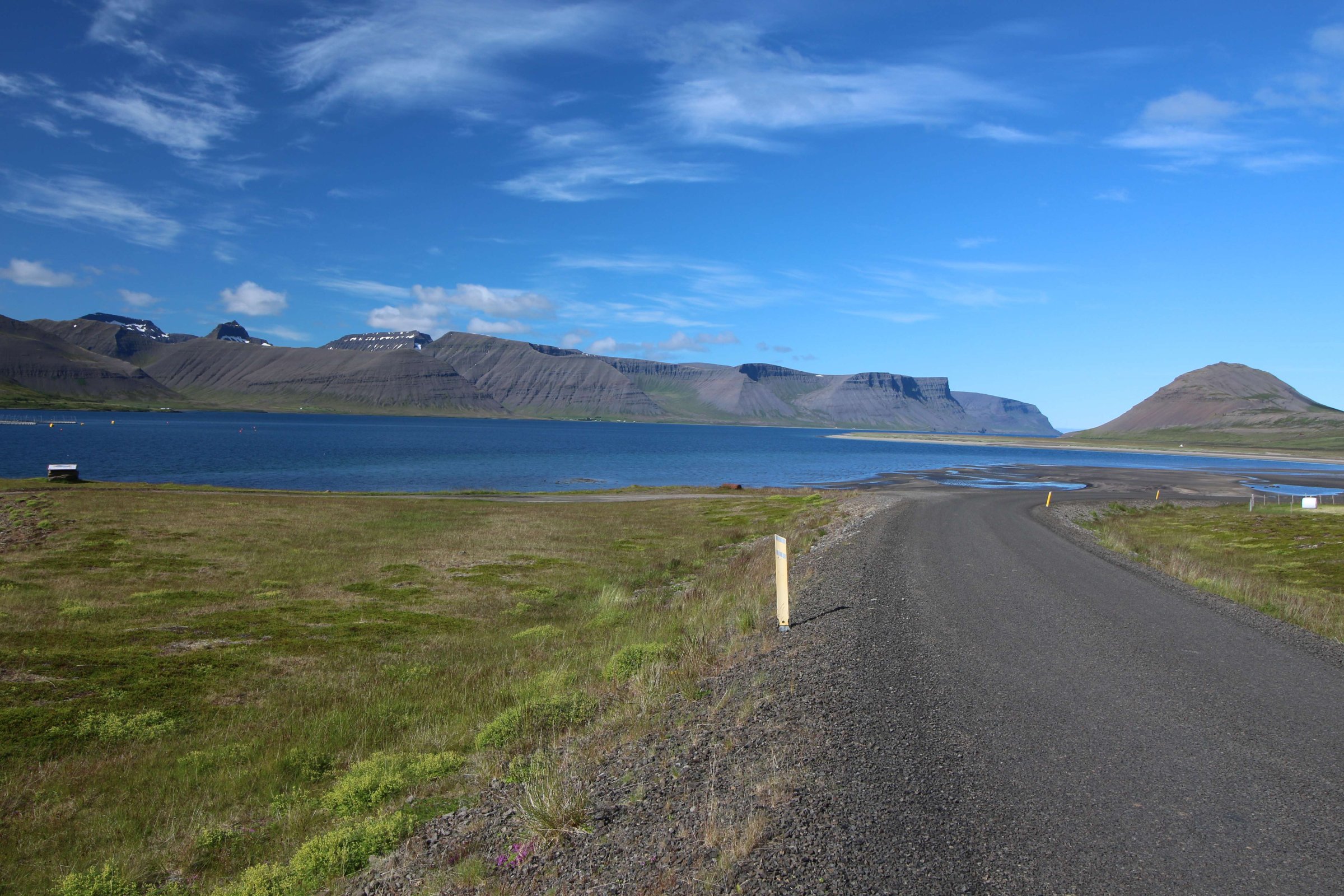
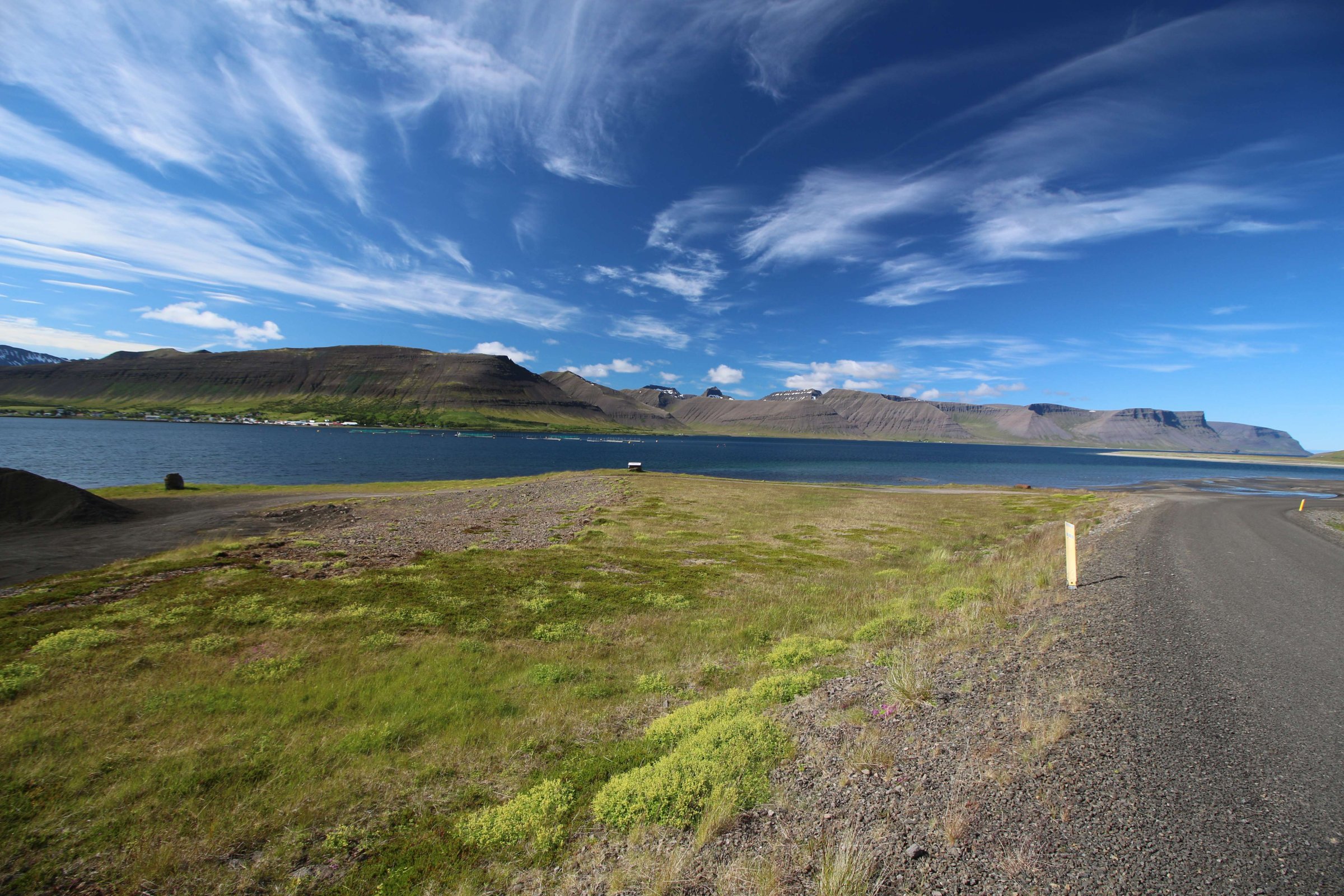
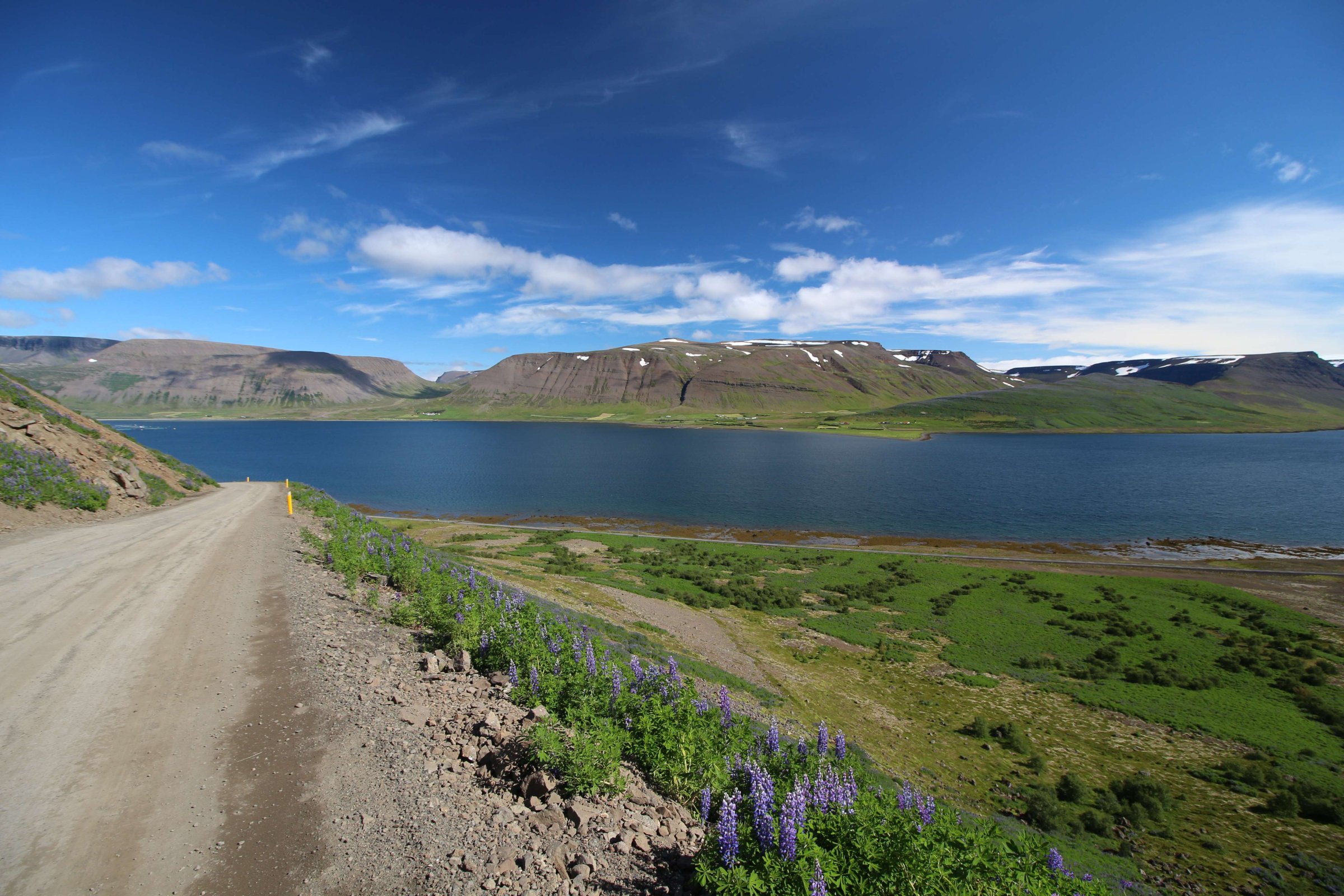
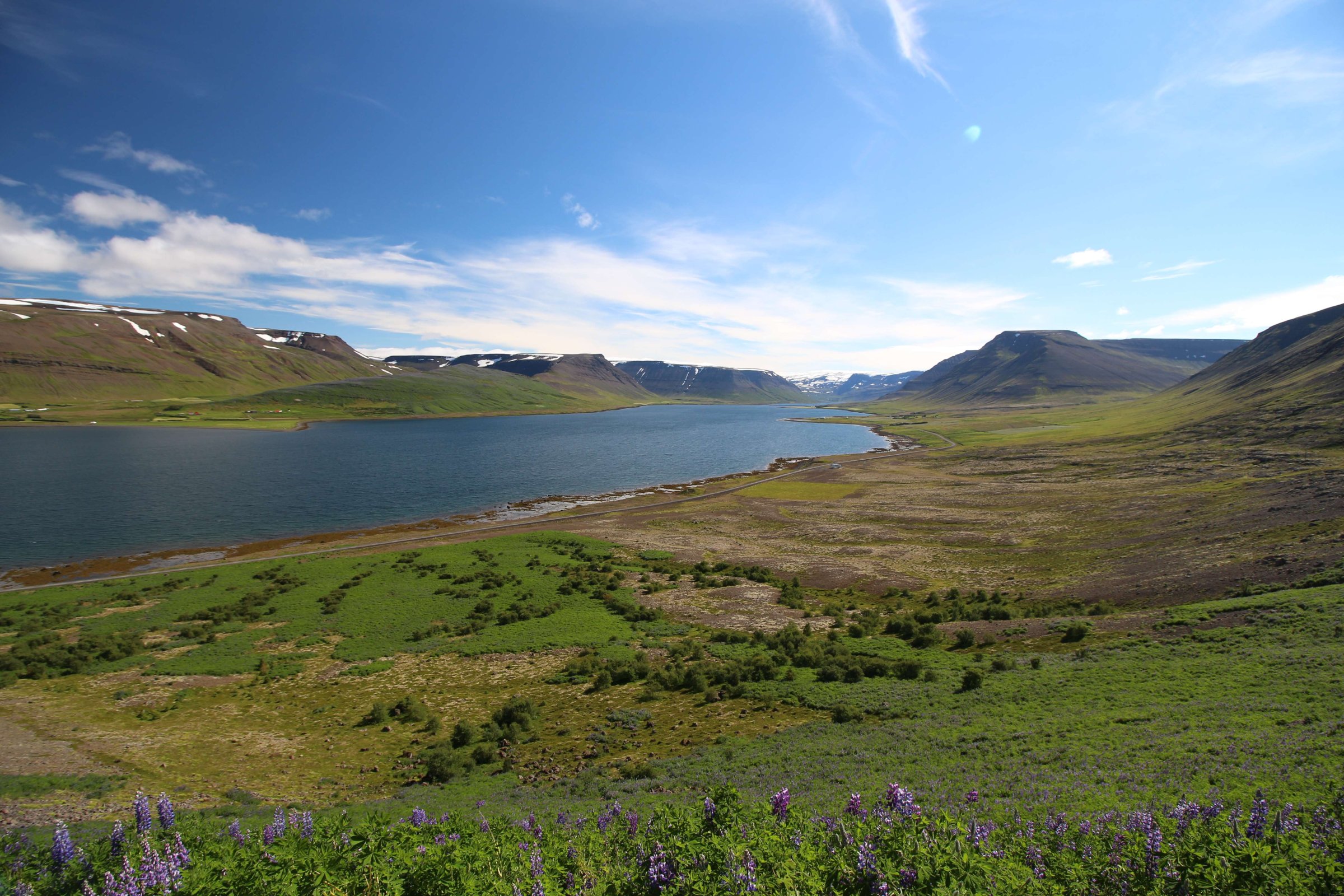
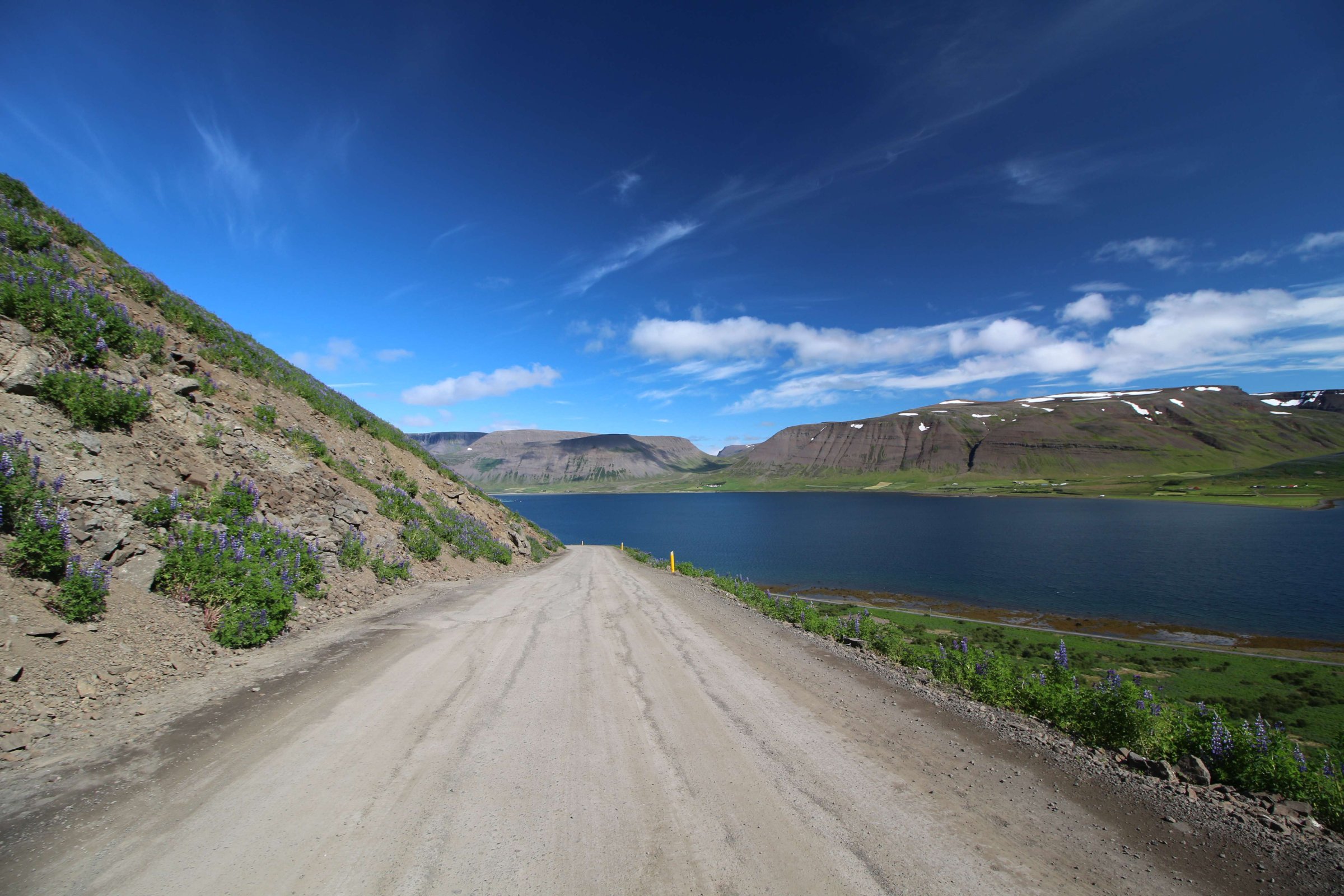
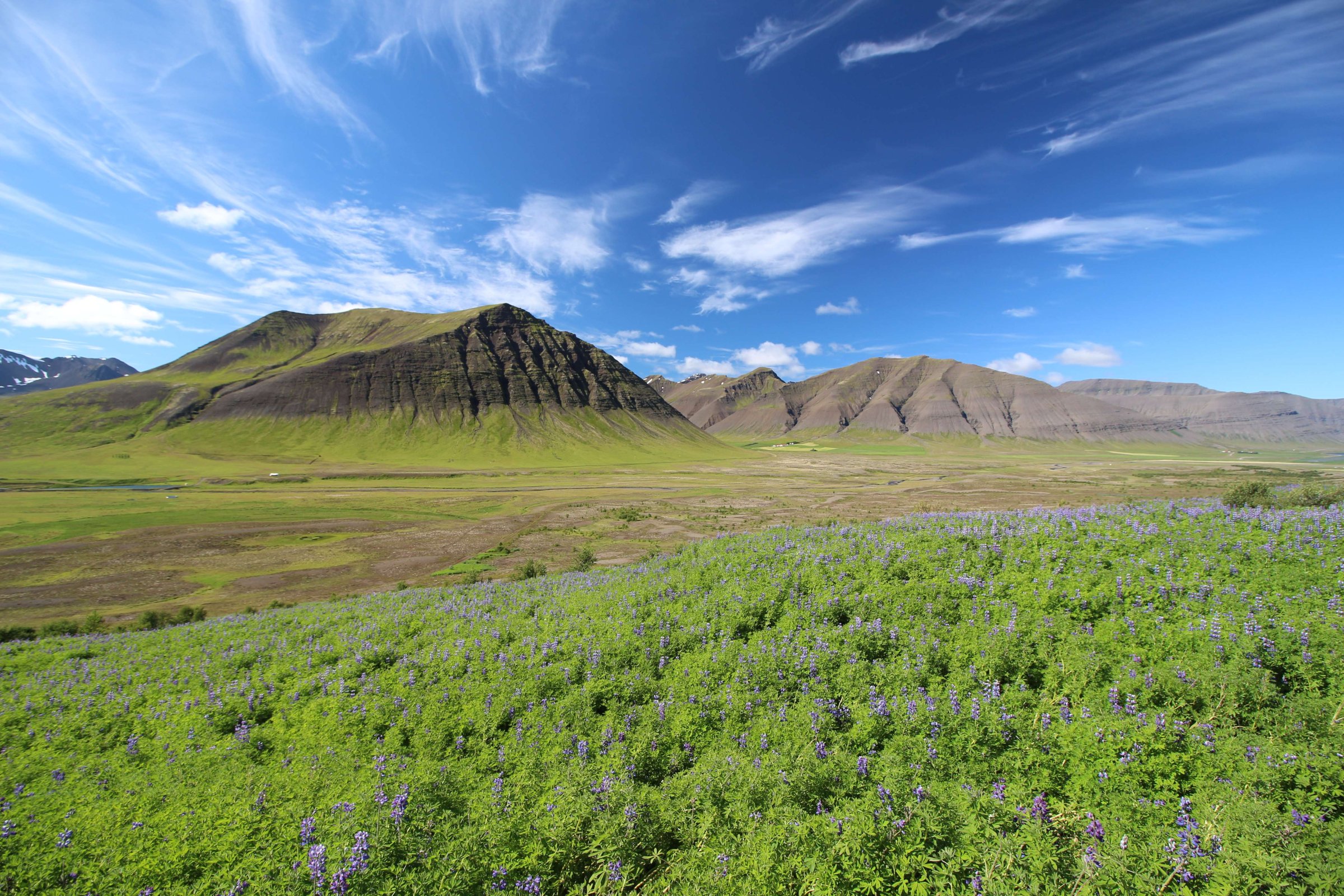
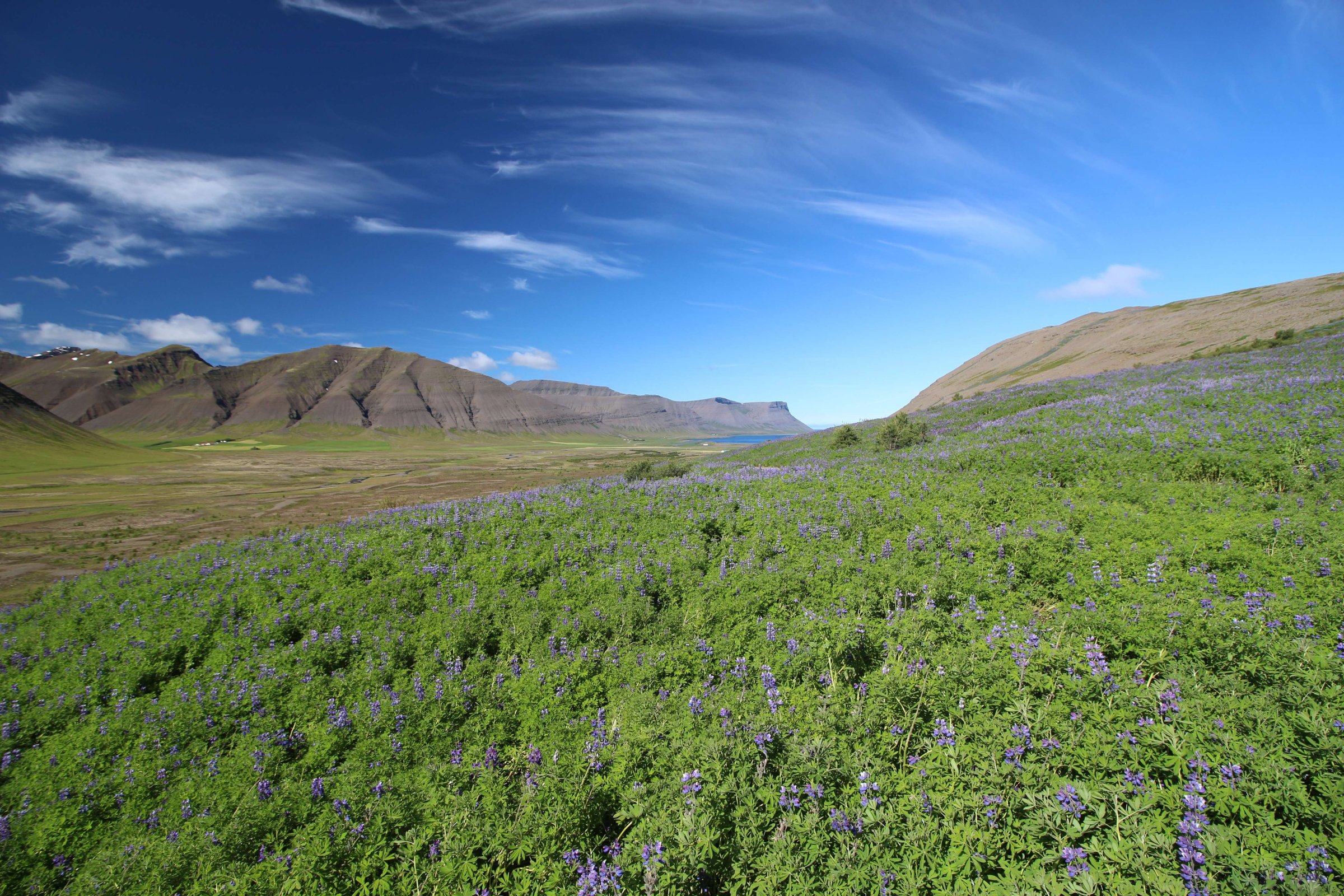
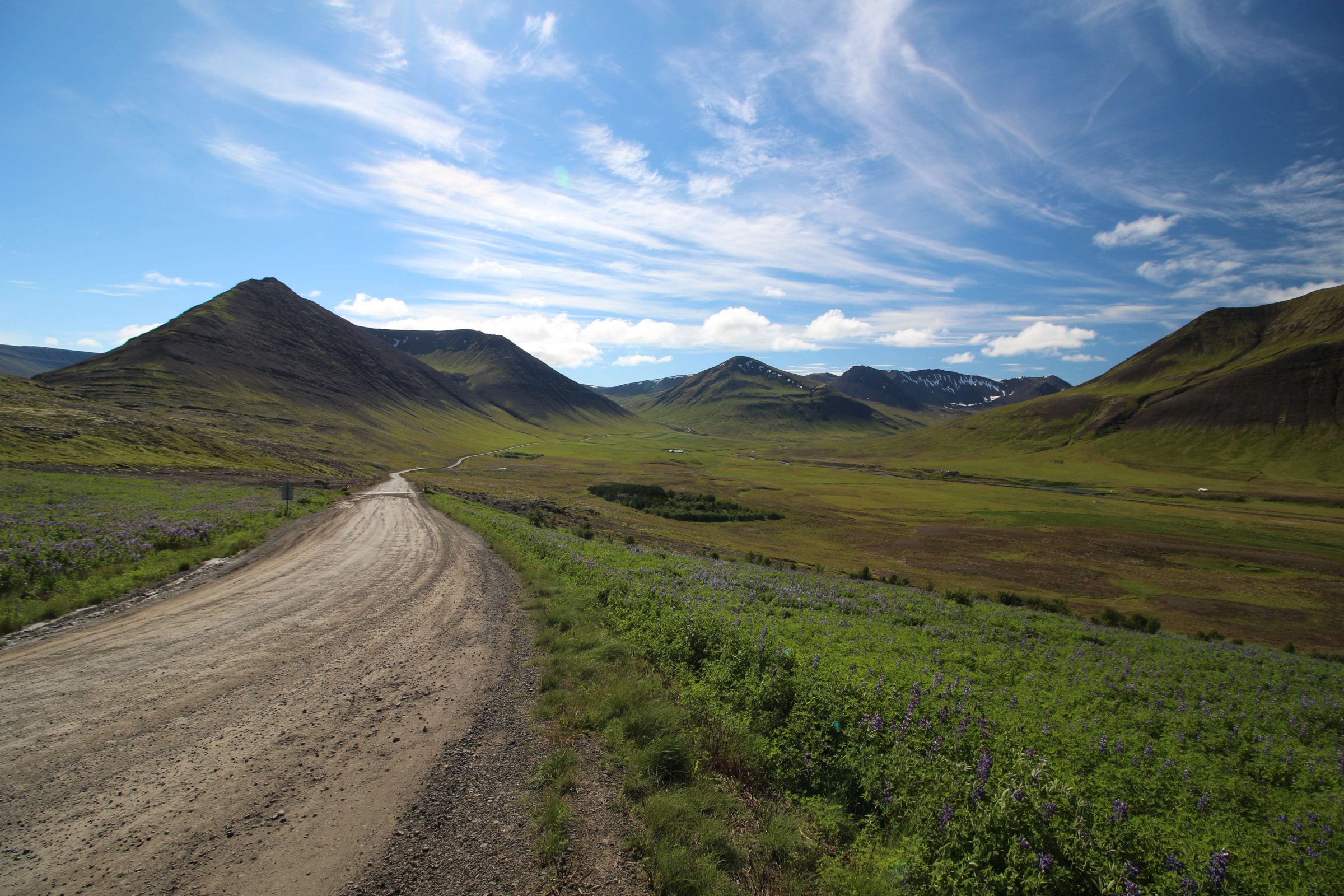
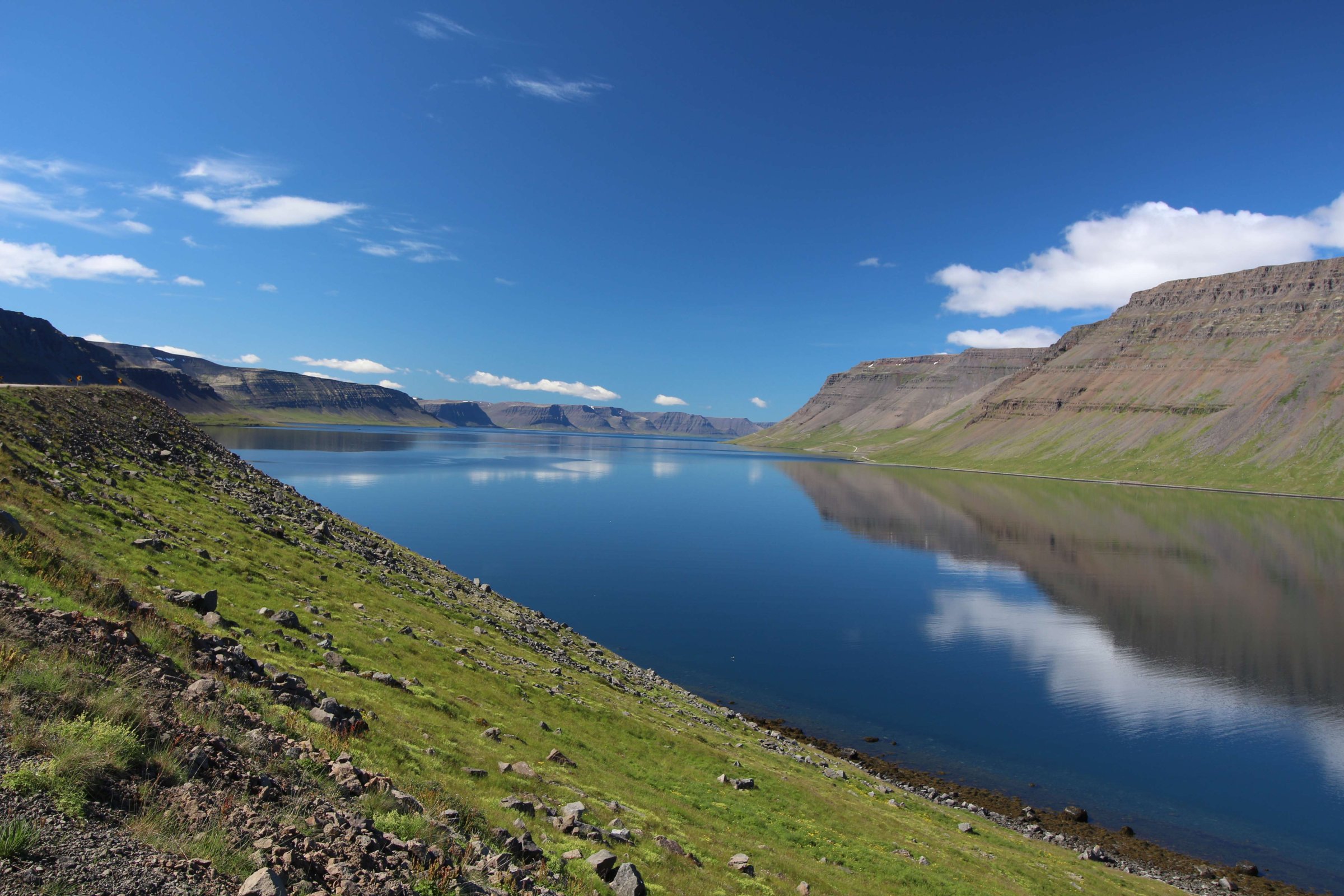
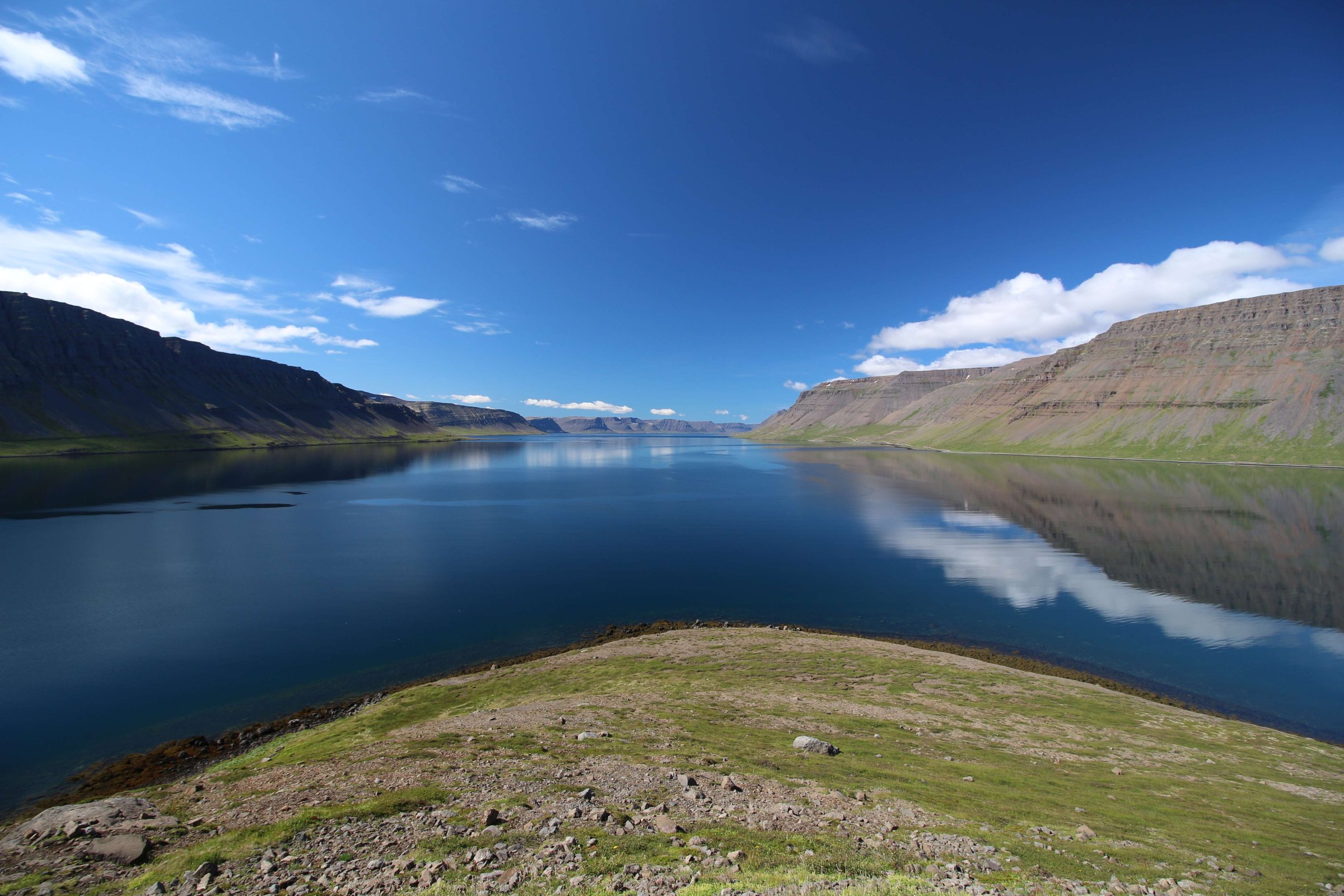
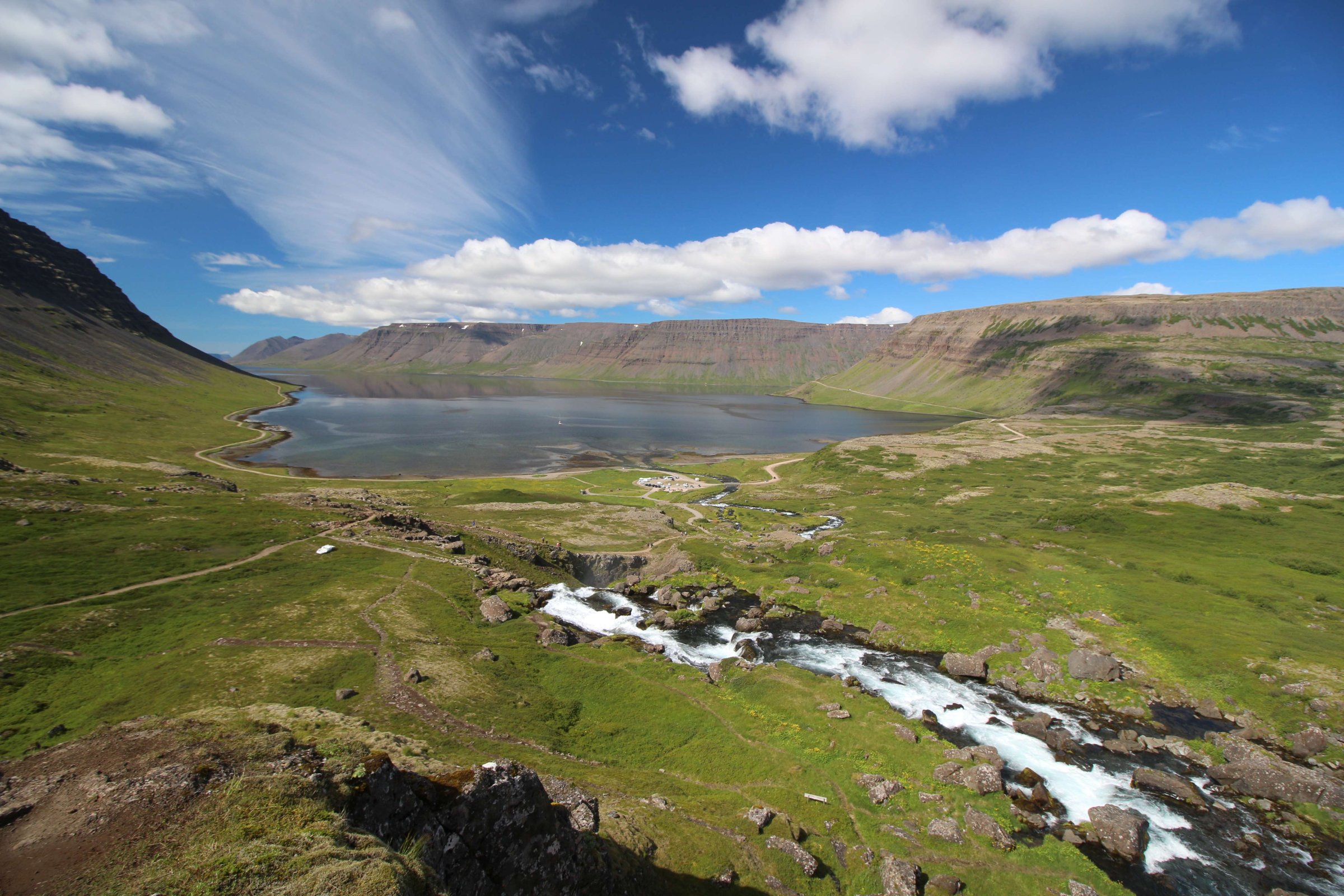
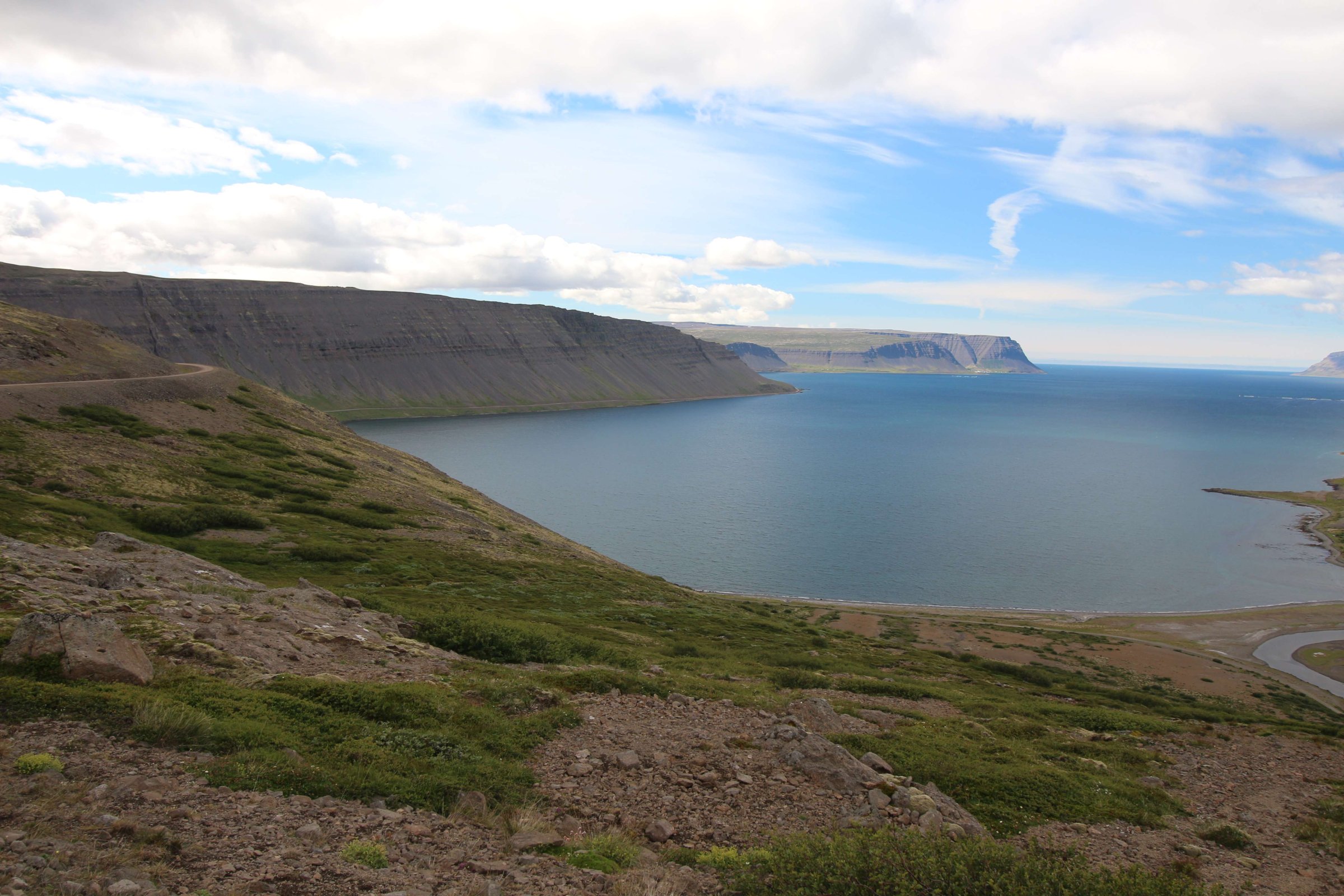
That was it. After that we still had to reach Sudavik. I had booked a hotel there because I knew it would be cold that night. We were driving through nasty damp weather, sometimes with rain lashing the windshield, already tired from the long exhausting road. And then suddenly, after crossing a pass into the northwestern Icelandic fjords, the clouds split apart and blue sky opened up in front of us. As it turned out, there was not even a hint of rain there because the mountains were holding it back. We had seen exactly the same weather effect on the Lofoten Islands in Norway, and the scenery there had been just as beautiful. Funny enough, while writing these words about Lofoten, I later checked my old file of Iceland points and saw that during planning I had marked these fjords with the note: "possibly as beautiful as Lofoten".
We stopped for a snack.
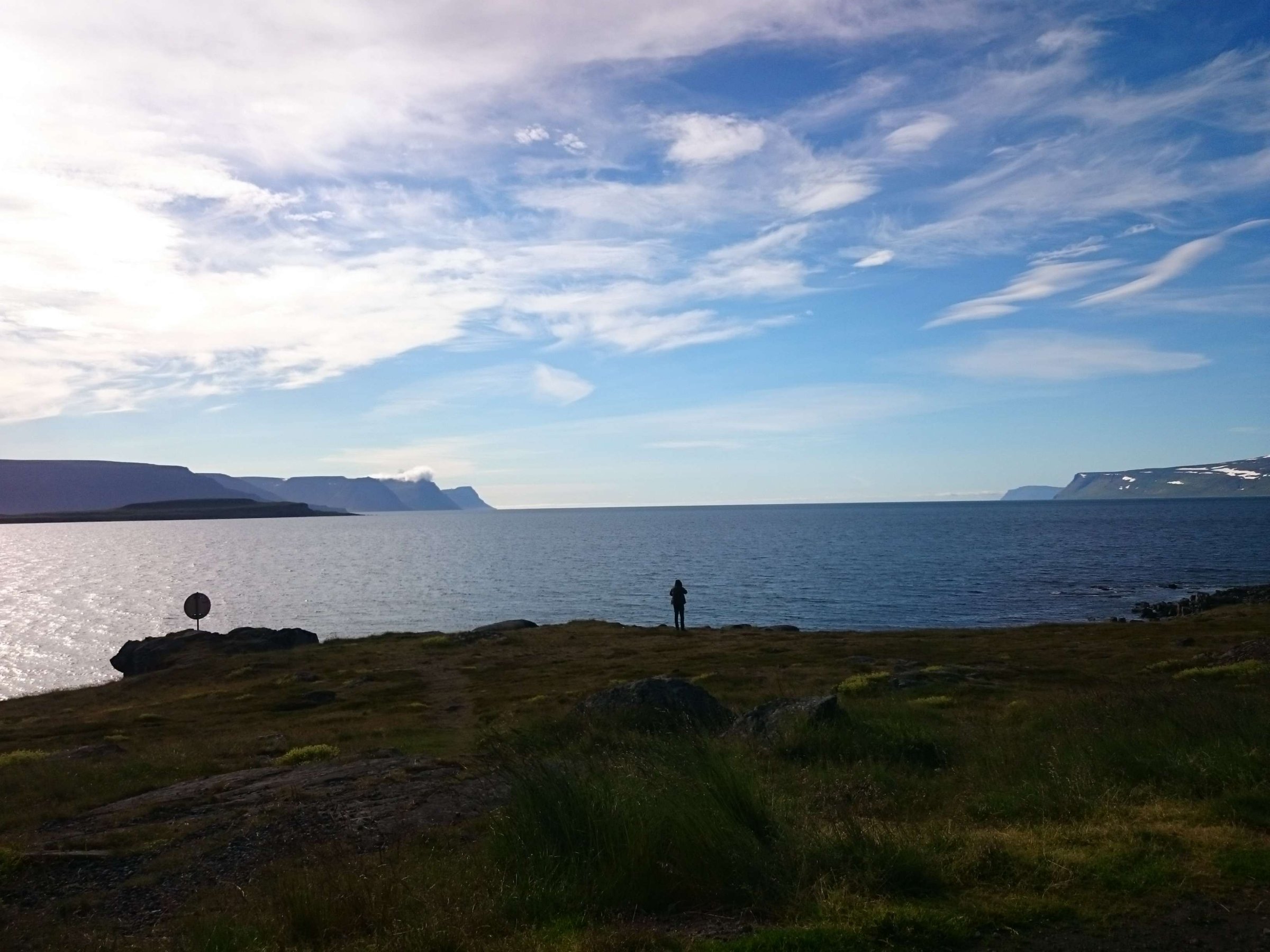
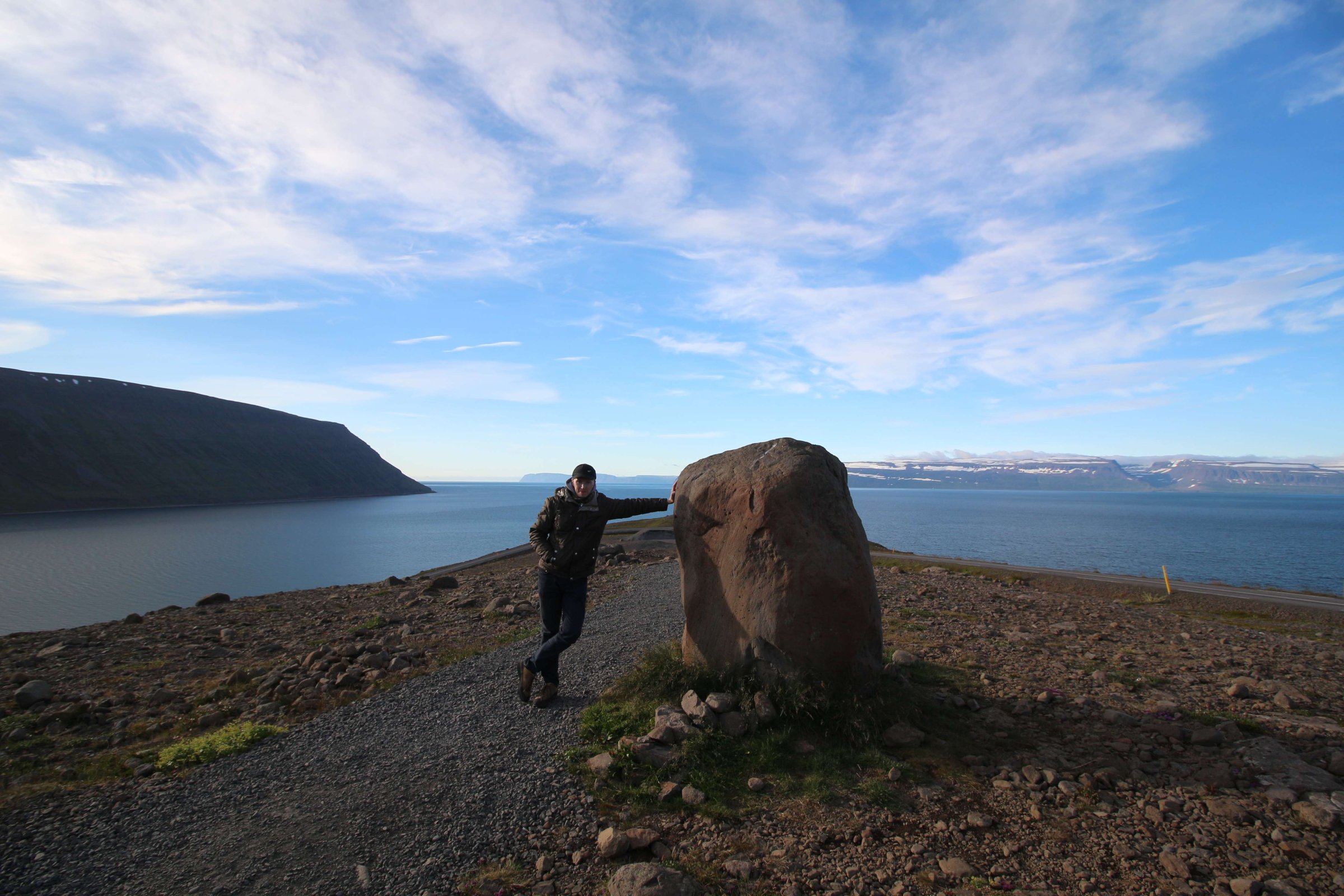
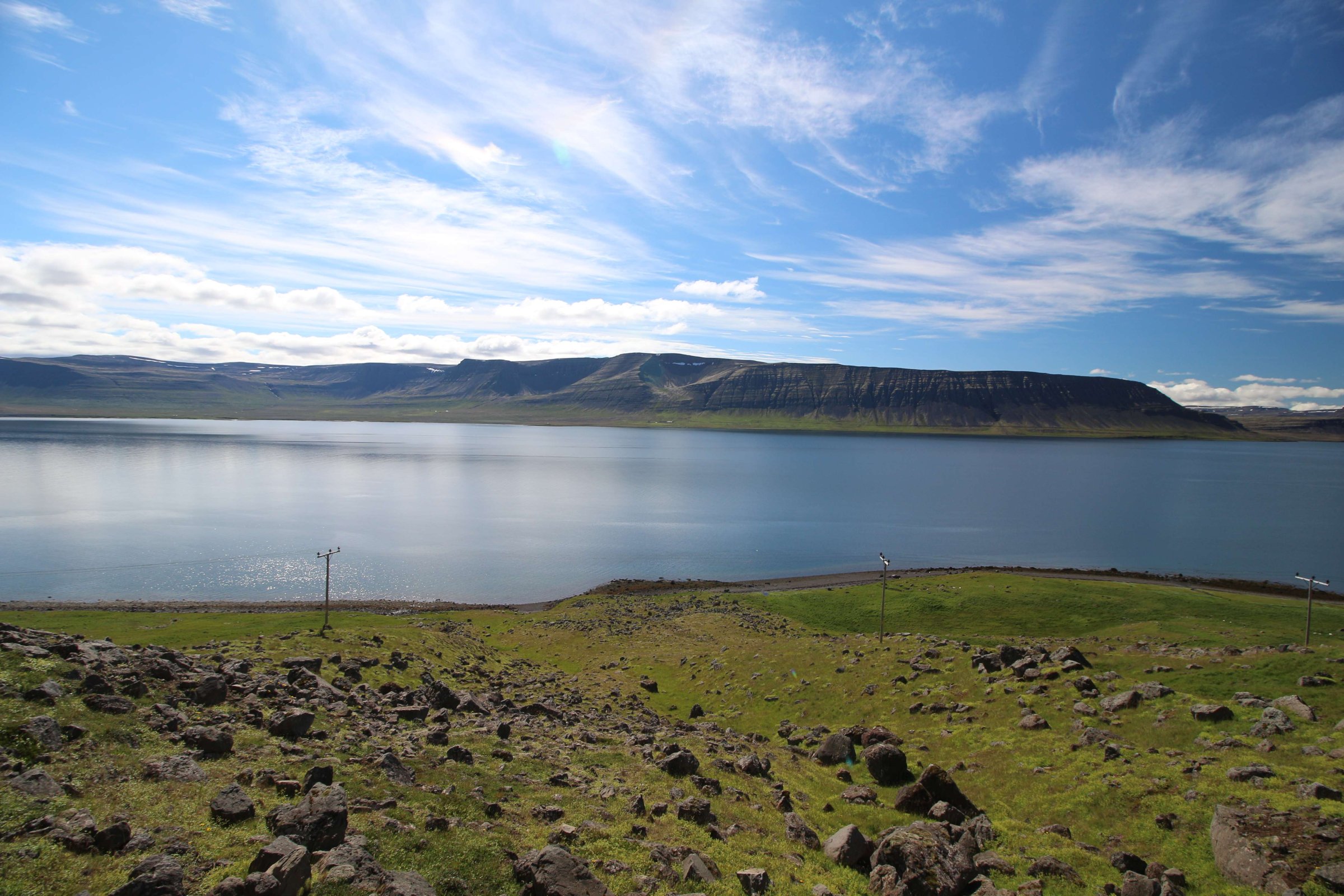
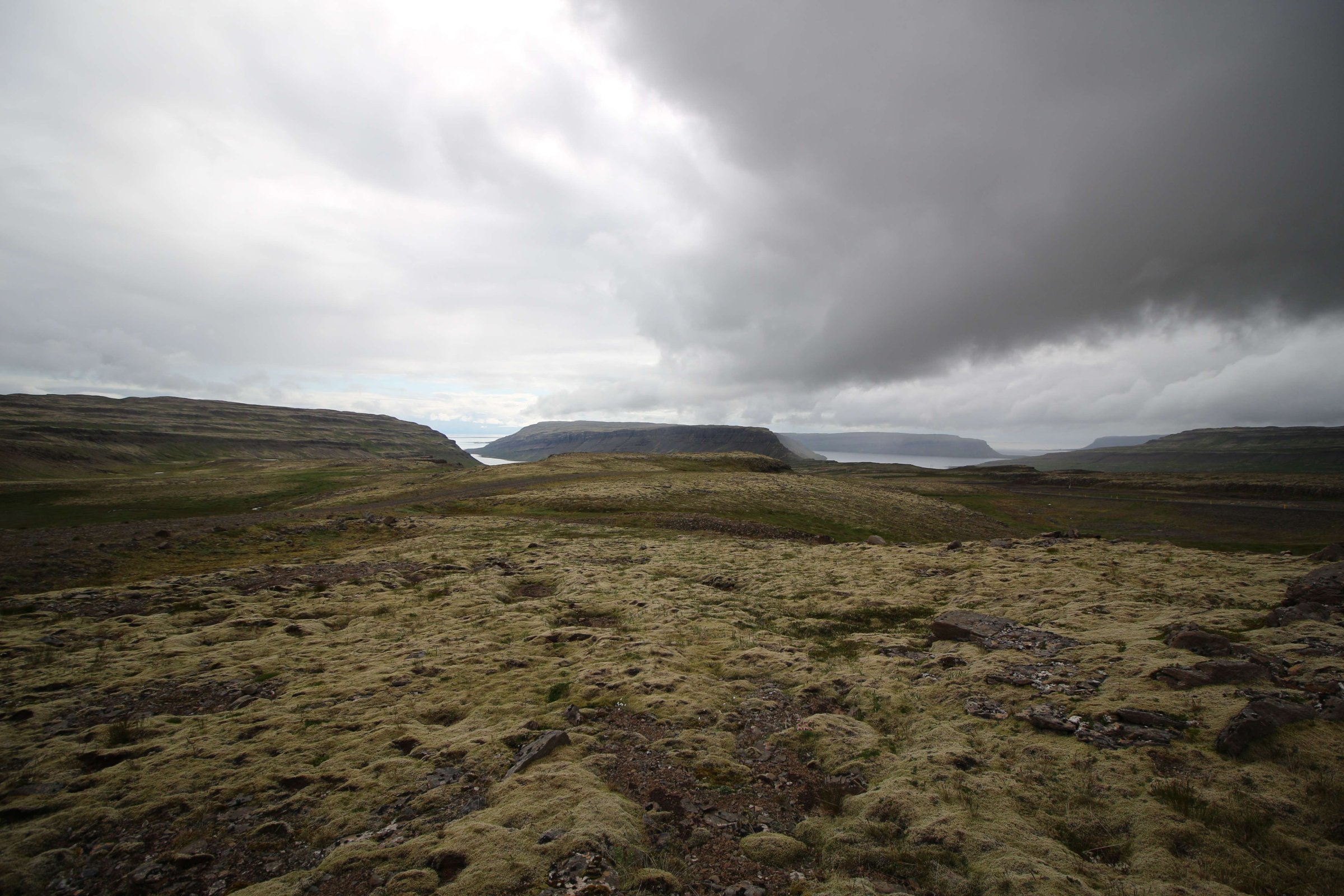
By the way, even though the sun had come out, the temperature dropped and it became windy. Perhaps because these fjords are as close to Greenland as Iceland gets.
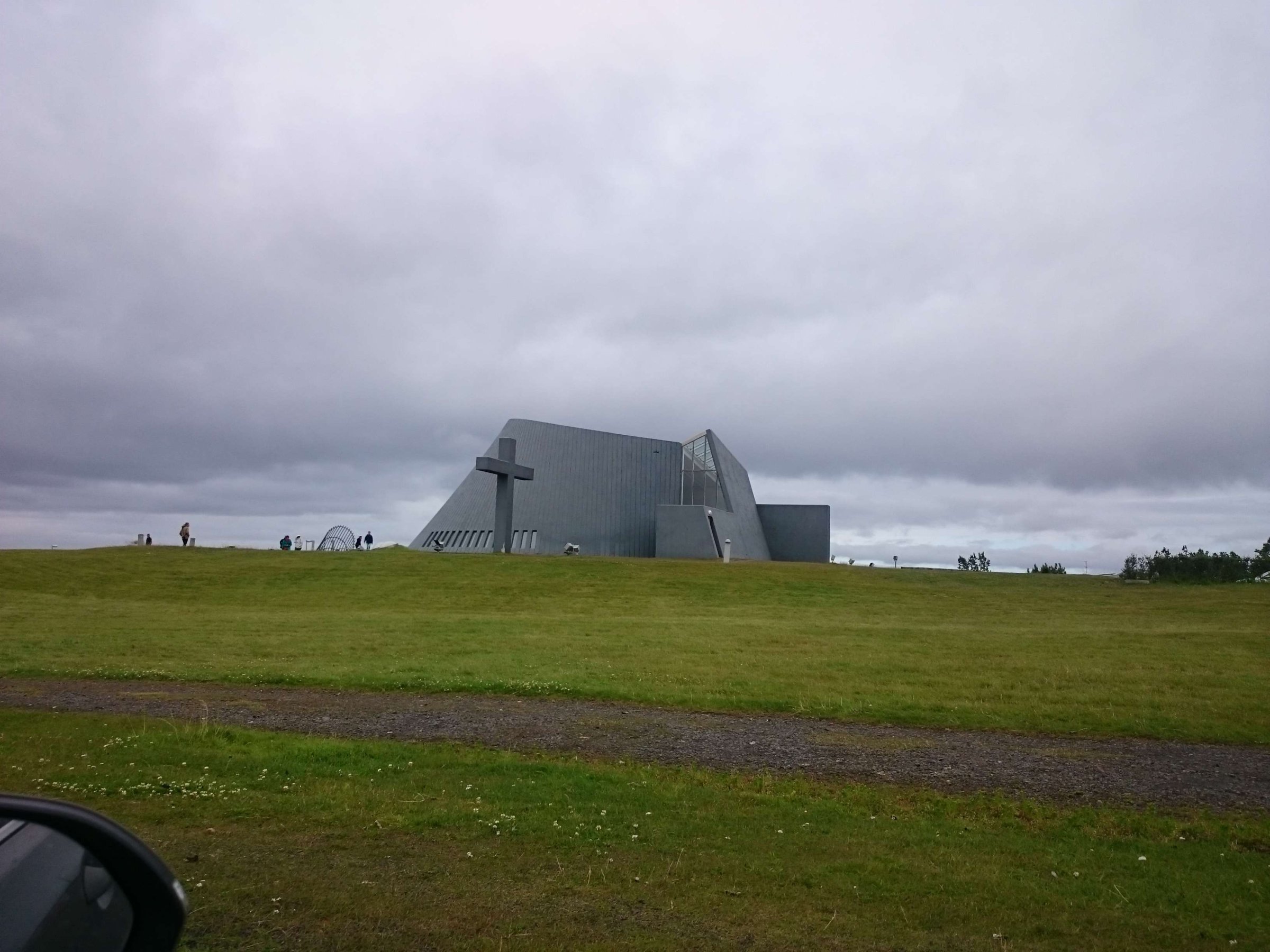
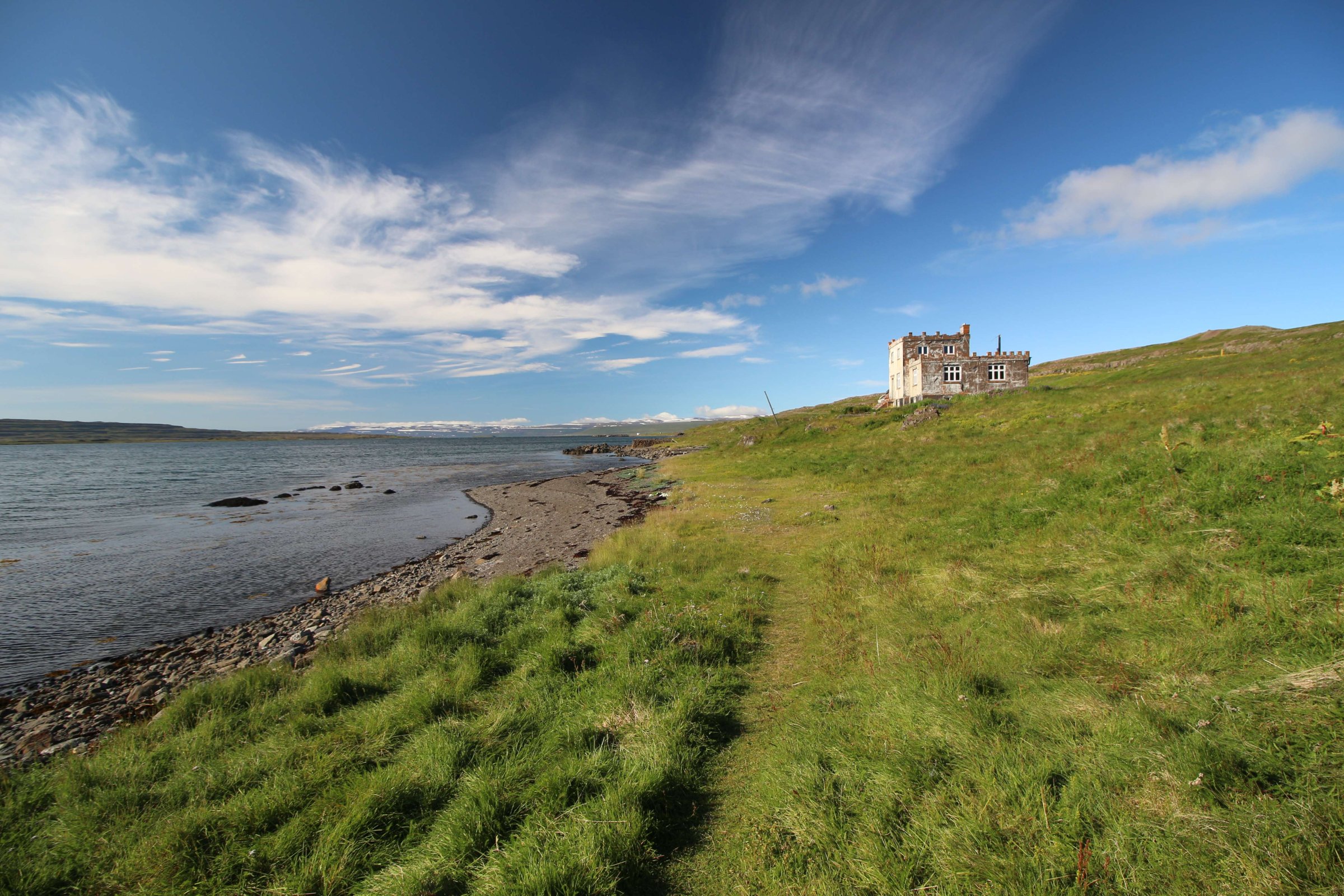
We also could not pass one fortress without stopping. We noticed it while already driving past at speed, so we had to turn around.
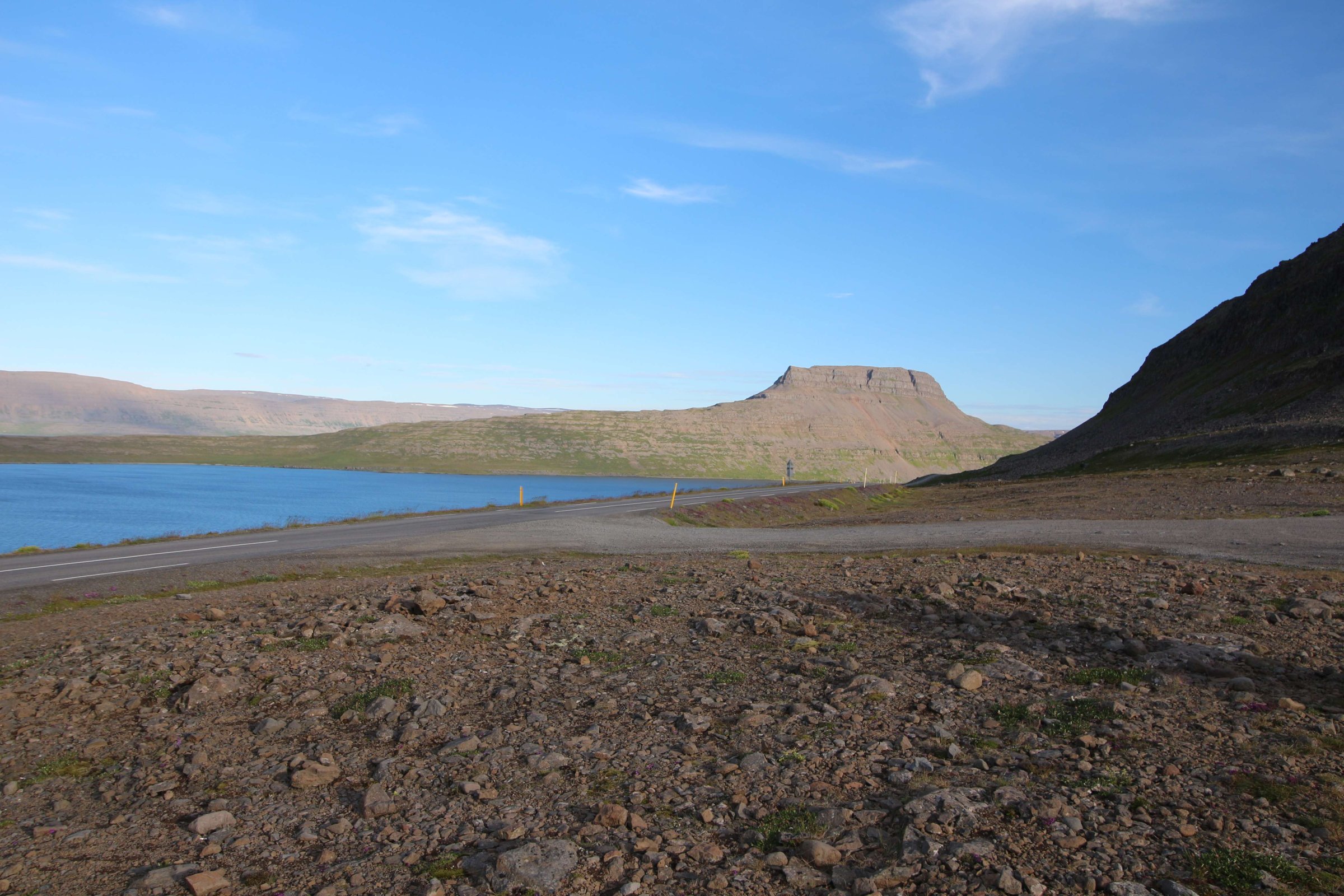
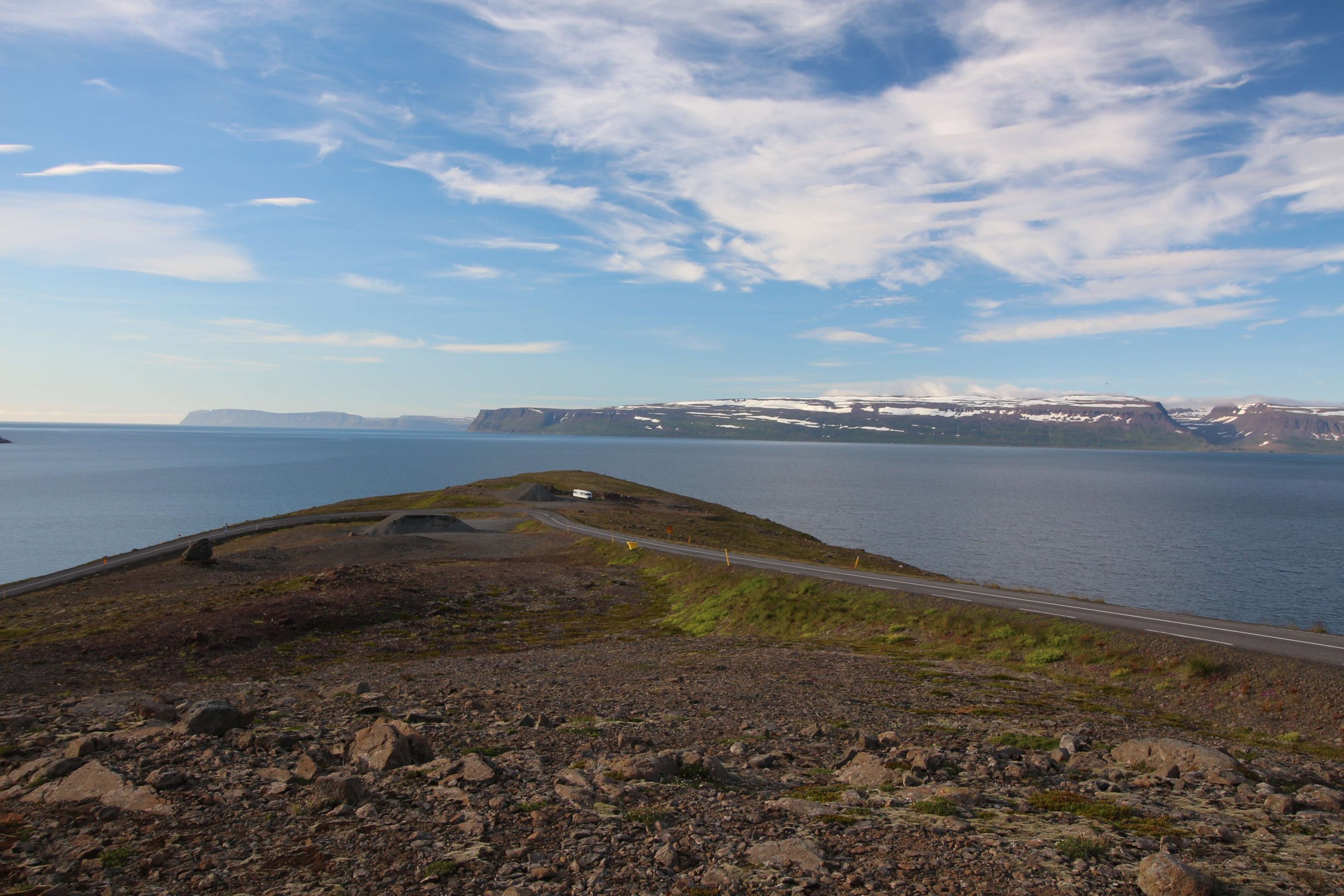
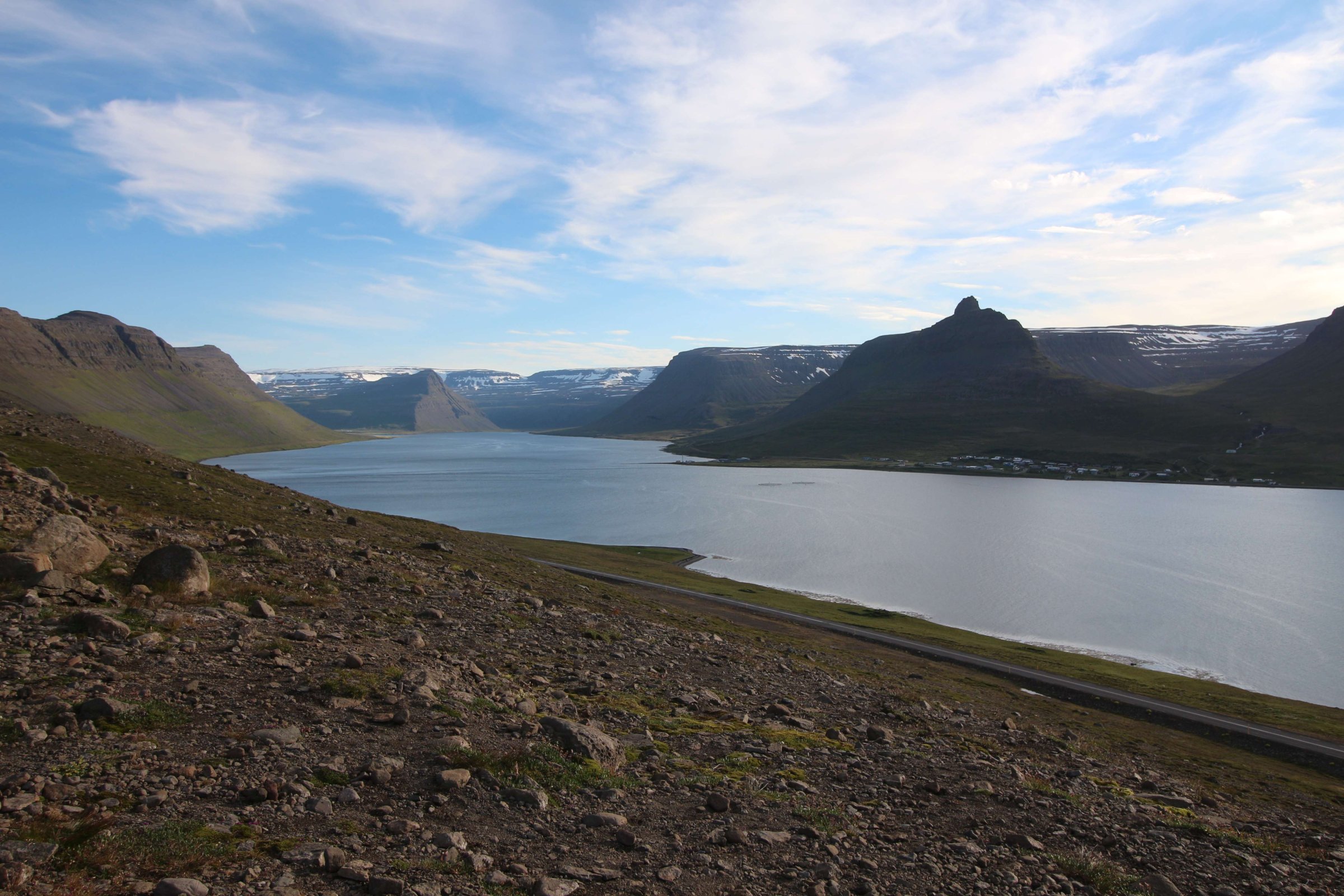
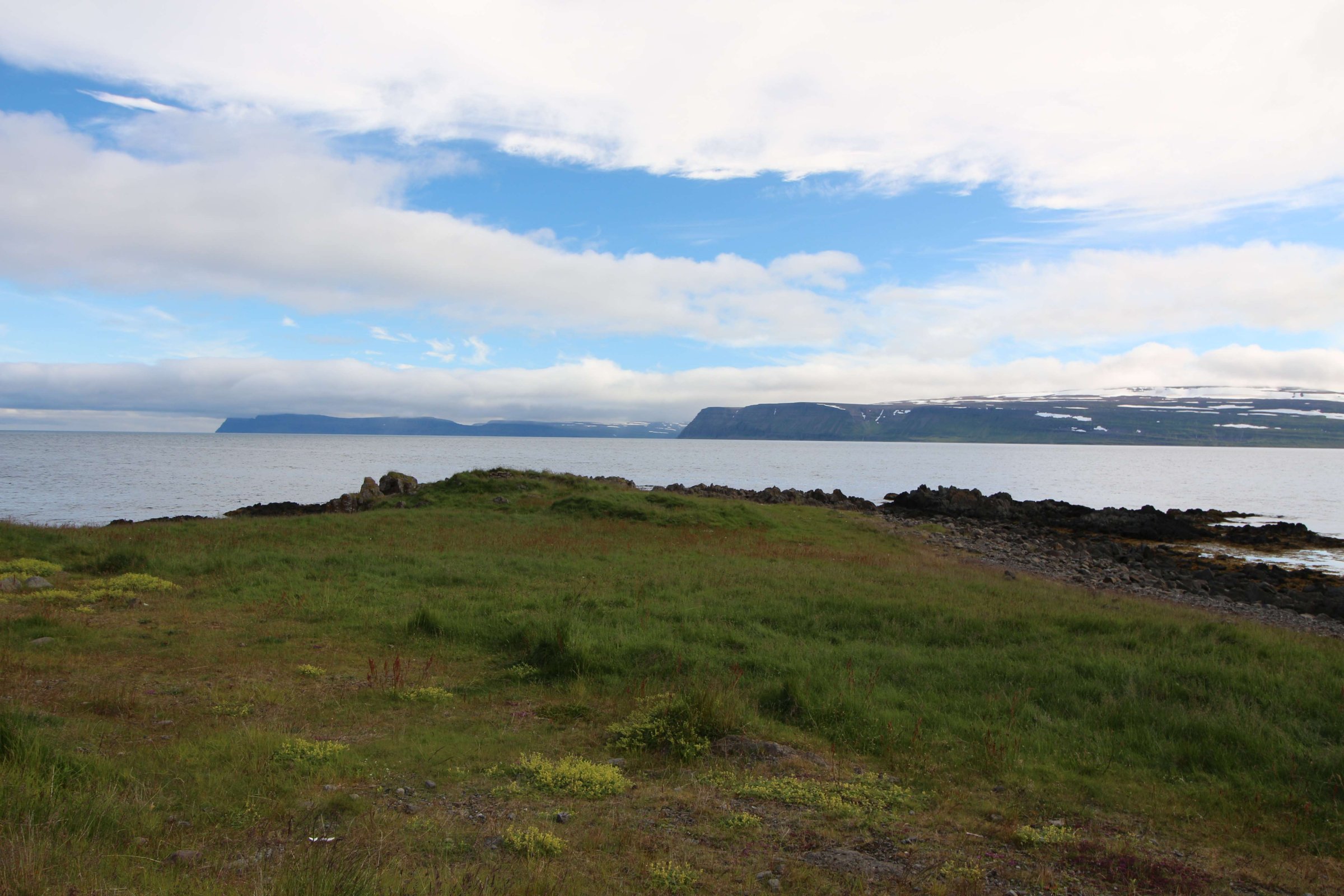
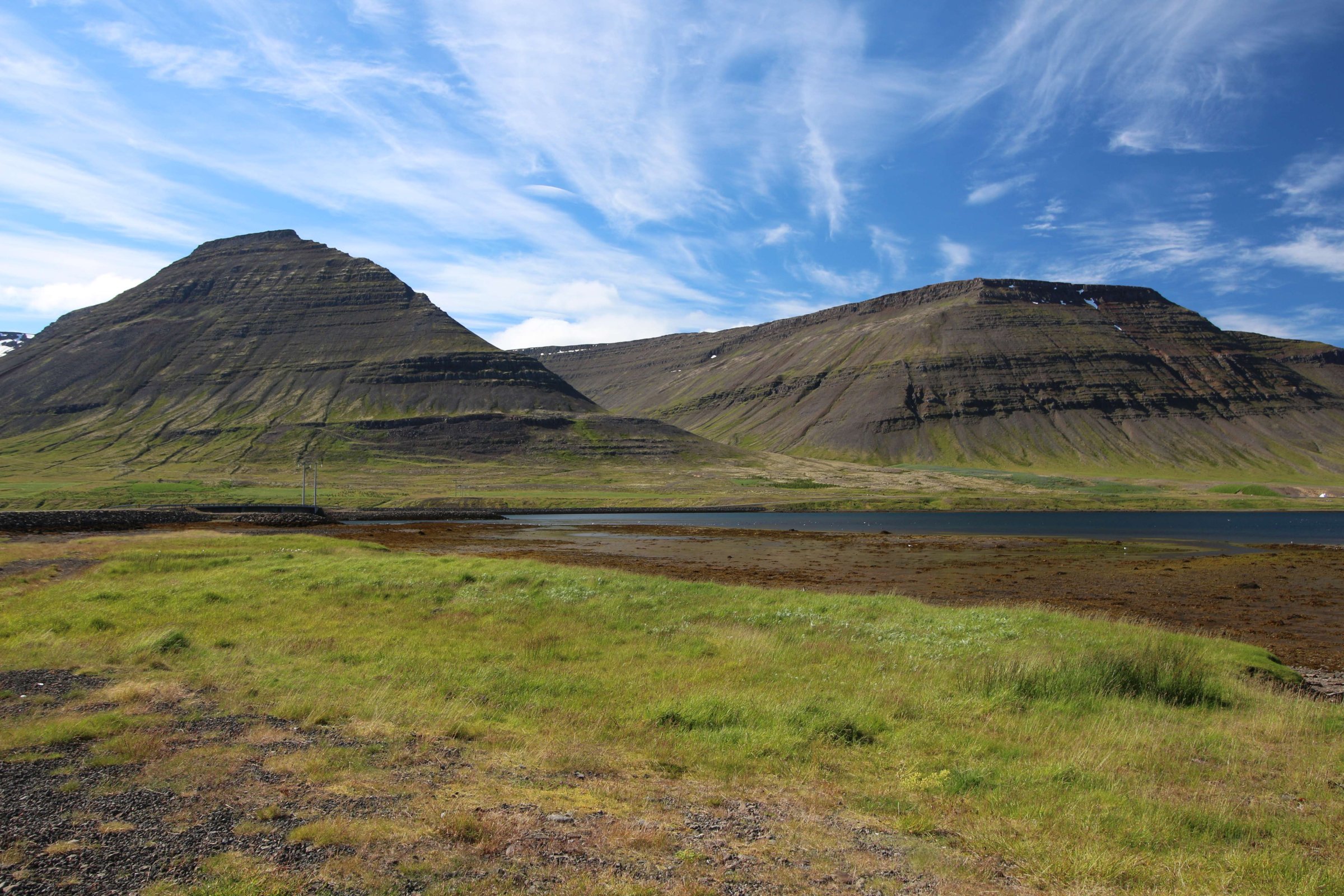
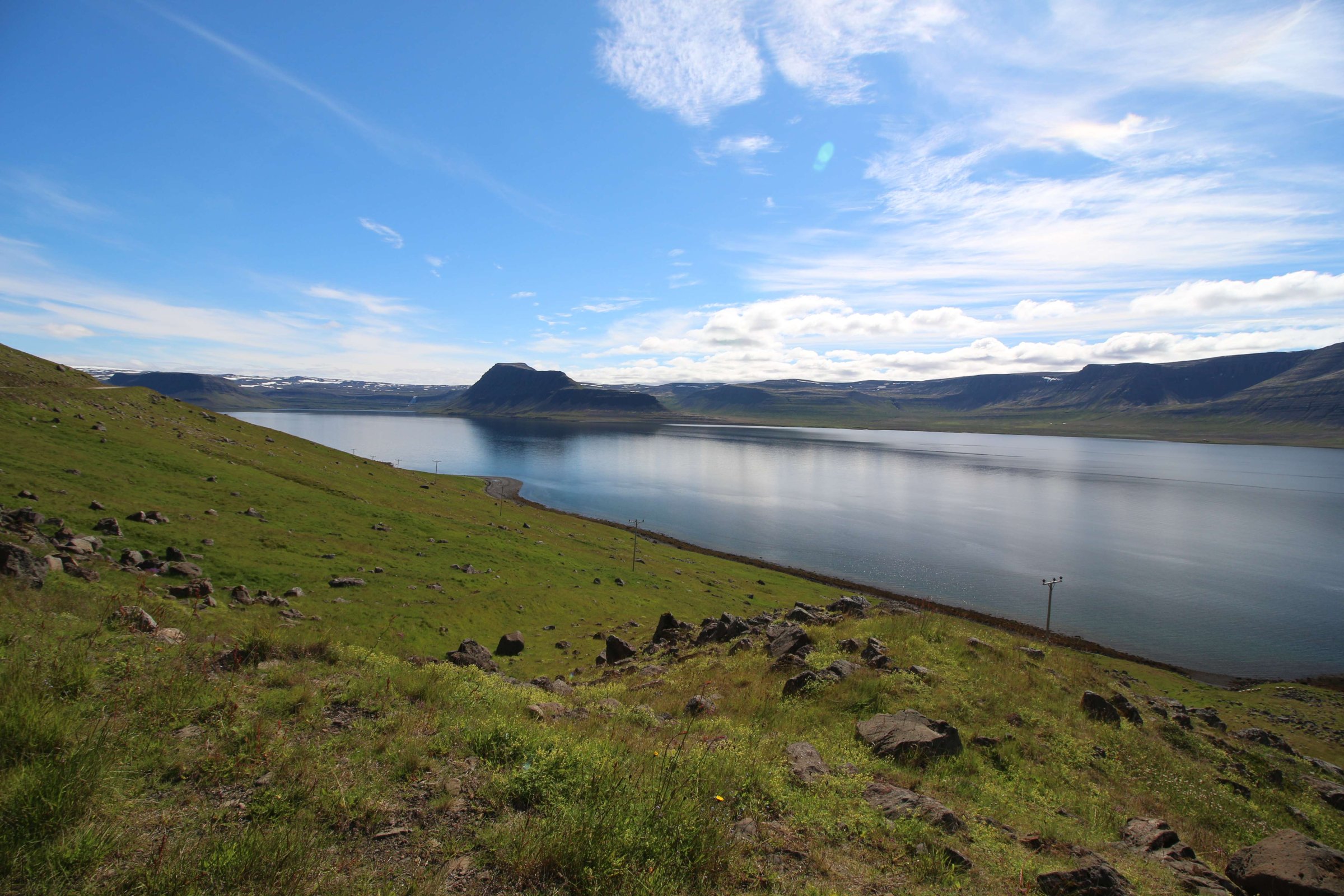
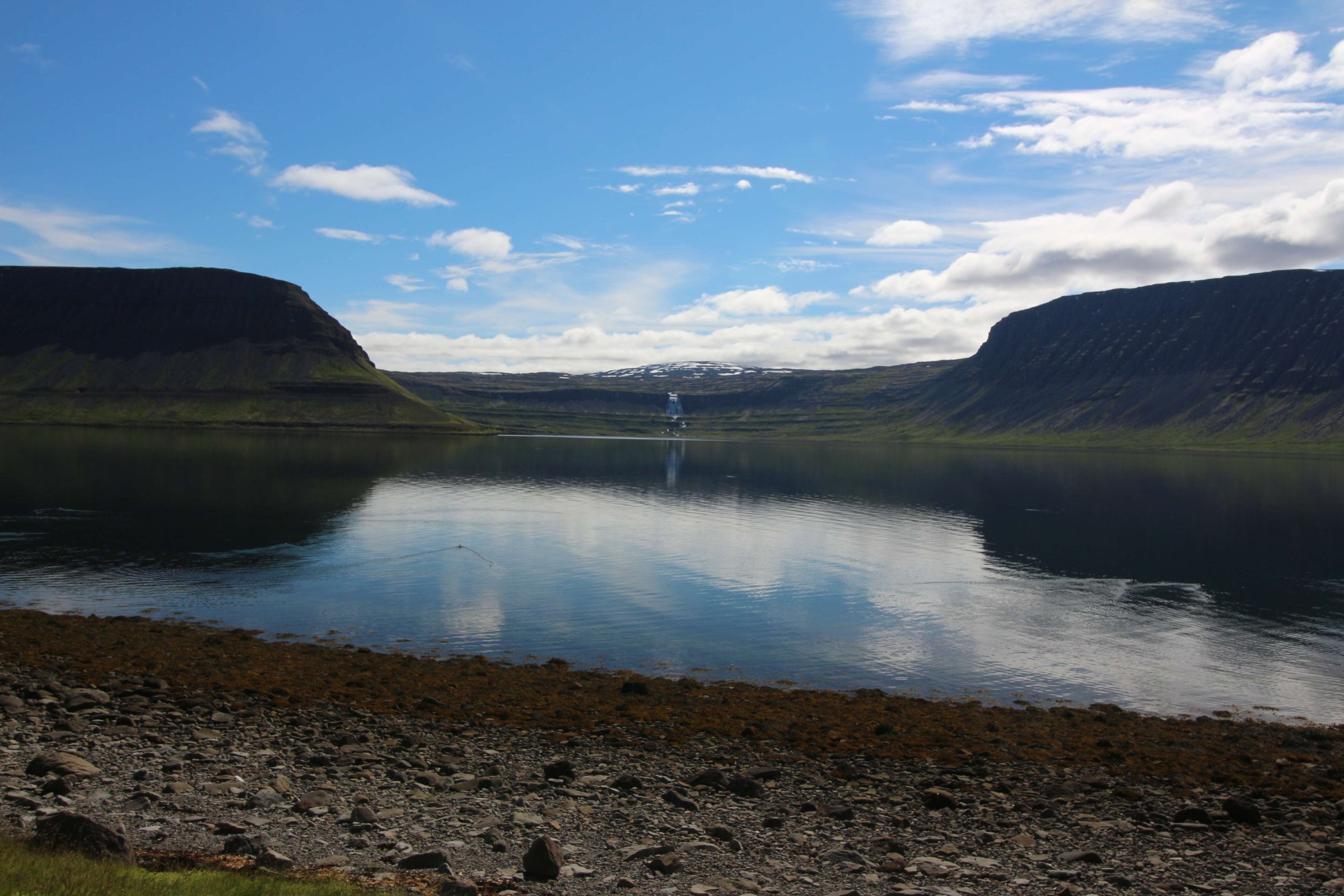
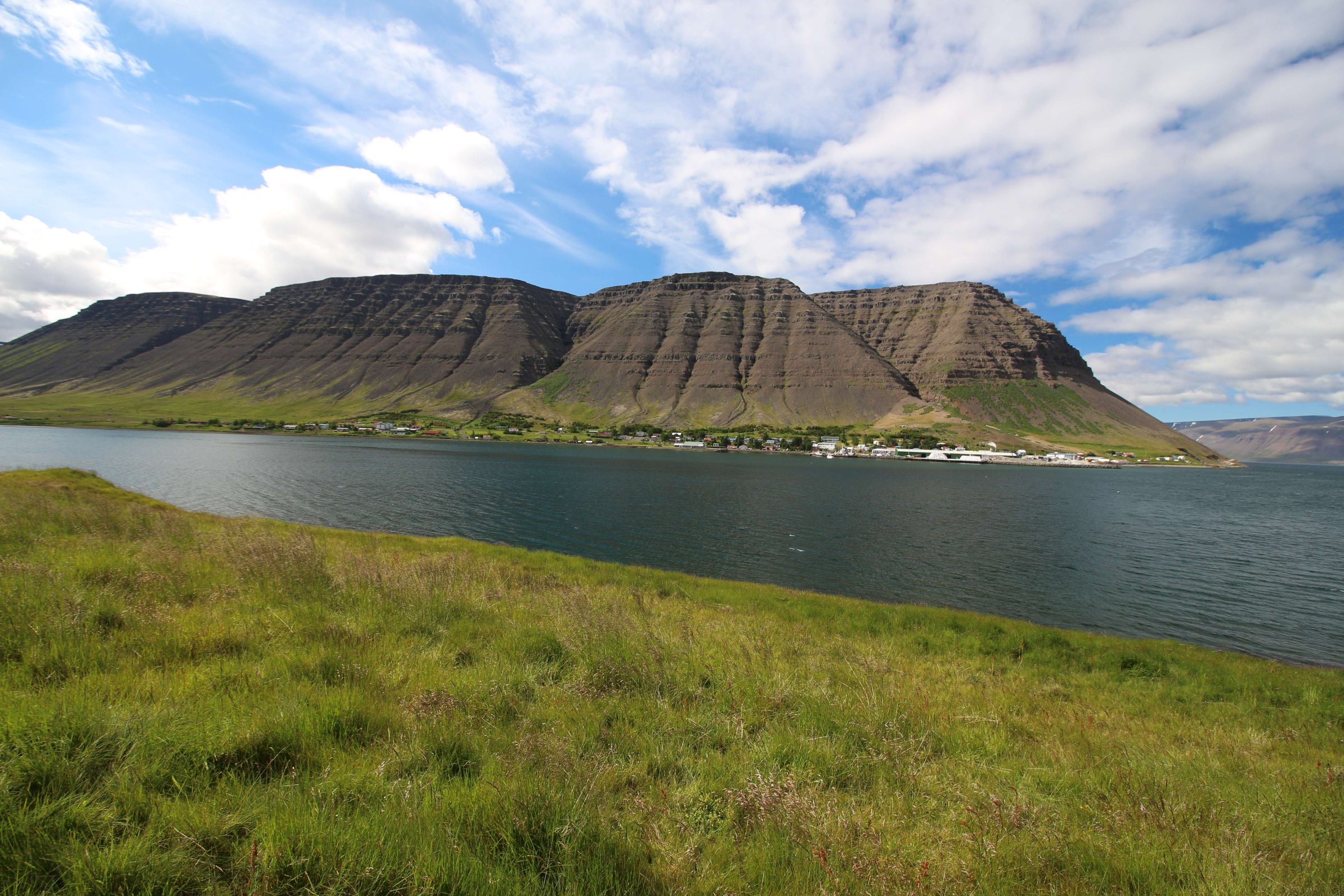
A very modern fortress, complete with good double-glazed windows. After that came one beautiful view after another, all of them fjords.
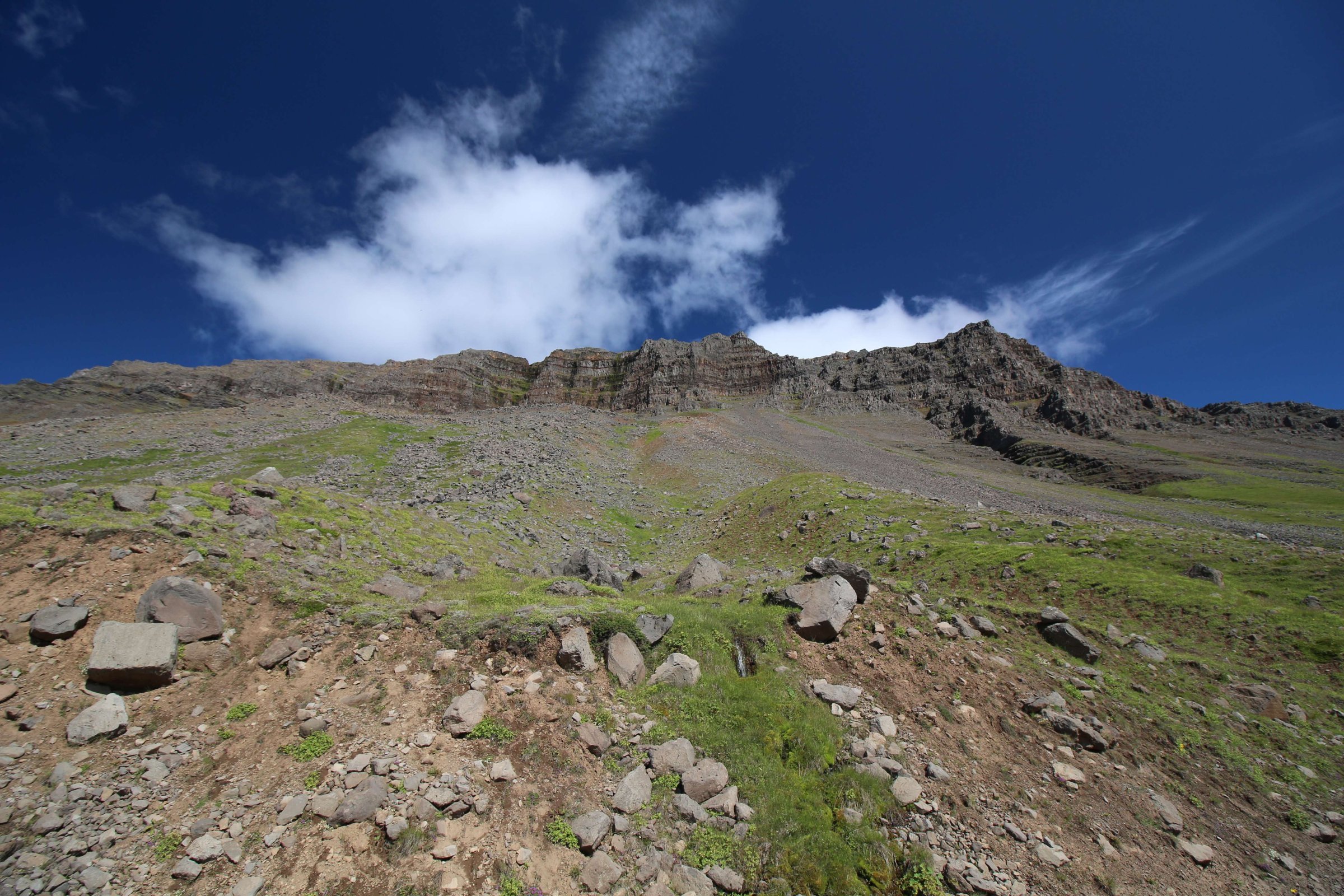
Toward evening we finally reached our hotel in Sudavik. As usual, we barely managed to arrive before the latest check-in time, simply because it is impossible to drive through beauty without stopping. Two Polish girls were running the place. One of them spoke a little Russian, though very poorly, so we mostly talked in English. They gave us a room with a mountain view. I always have this feeling in such places that if a huge rock starts rolling down that slope, it will fly straight into our room at full speed.
One of the girls told us that the current weather was supposedly the worst Iceland had seen in the last hundred years and that we had simply been unlucky, that summer had failed. Strange, because this was exactly the sort of weather we had prepared for. We thought it was always like this. There was also a note in the room saying that if you had made it there, you were a special traveler because only about 5% of visitors get that far. Even if that was true, I still do not understand where those 5% were supposed to stay. There are very few hotels and towns in that region and very few cars on the roads. By my feeling, maybe 1% of travelers actually make it there.
Morning of July 24. We had the free breakfast, packed up, and got ready to leave. One of the girls at the hotel suggested we leave our signature on the wall as a memory.
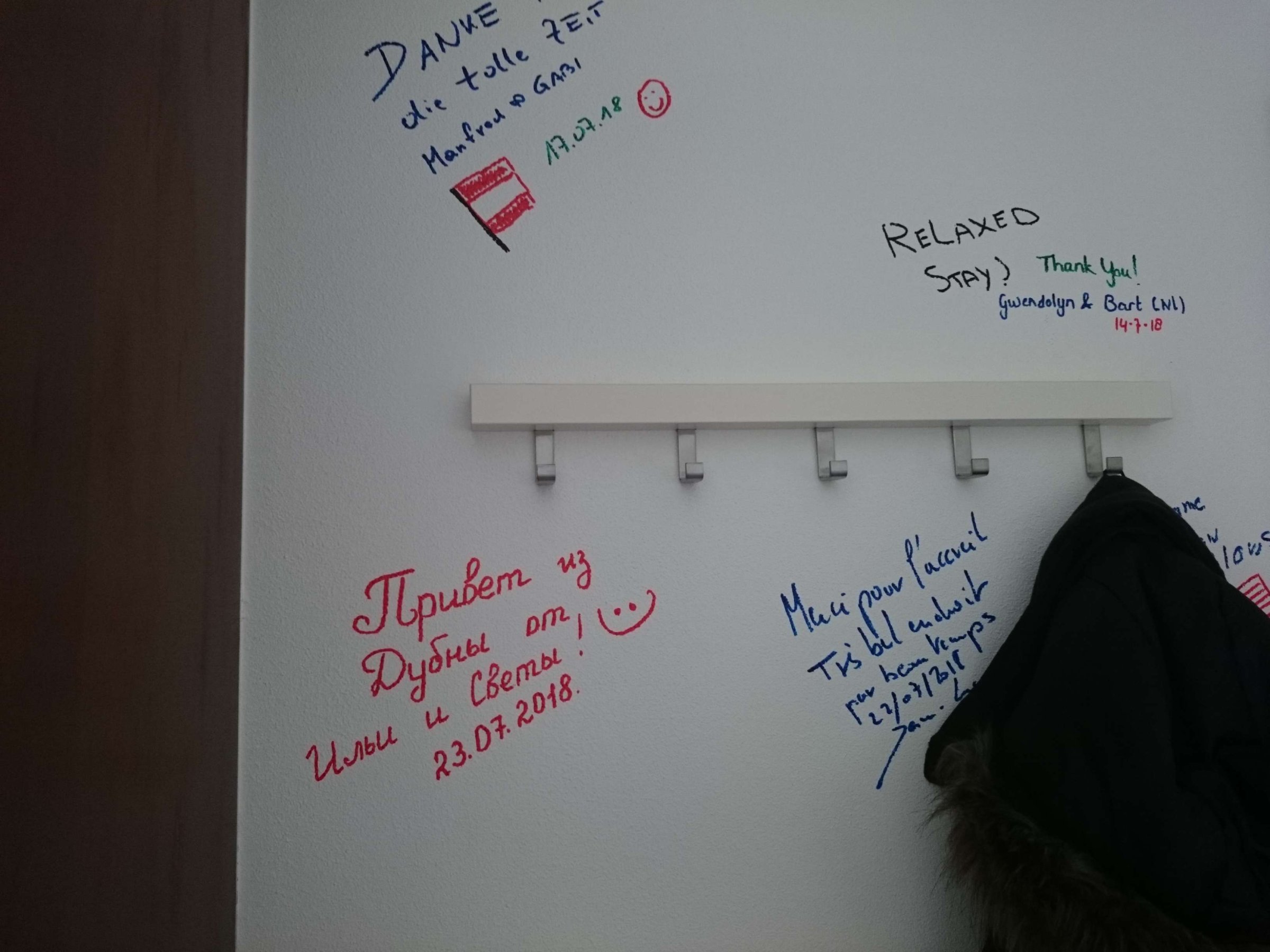
We set off. Another long drive through the fjords was ahead. The weather that morning was not quite the same as the day before. It was overcast, but perhaps only temporarily. It felt as if cloudy weather belonged to the night, while the sun would clear it away once it rose. With that in mind we decided to drive slowly. We stopped in the nearest town after the one where we had slept, washed the car at a self-service wash, went into a shop, had a quick snack, and carried on. Right then the sun came out.
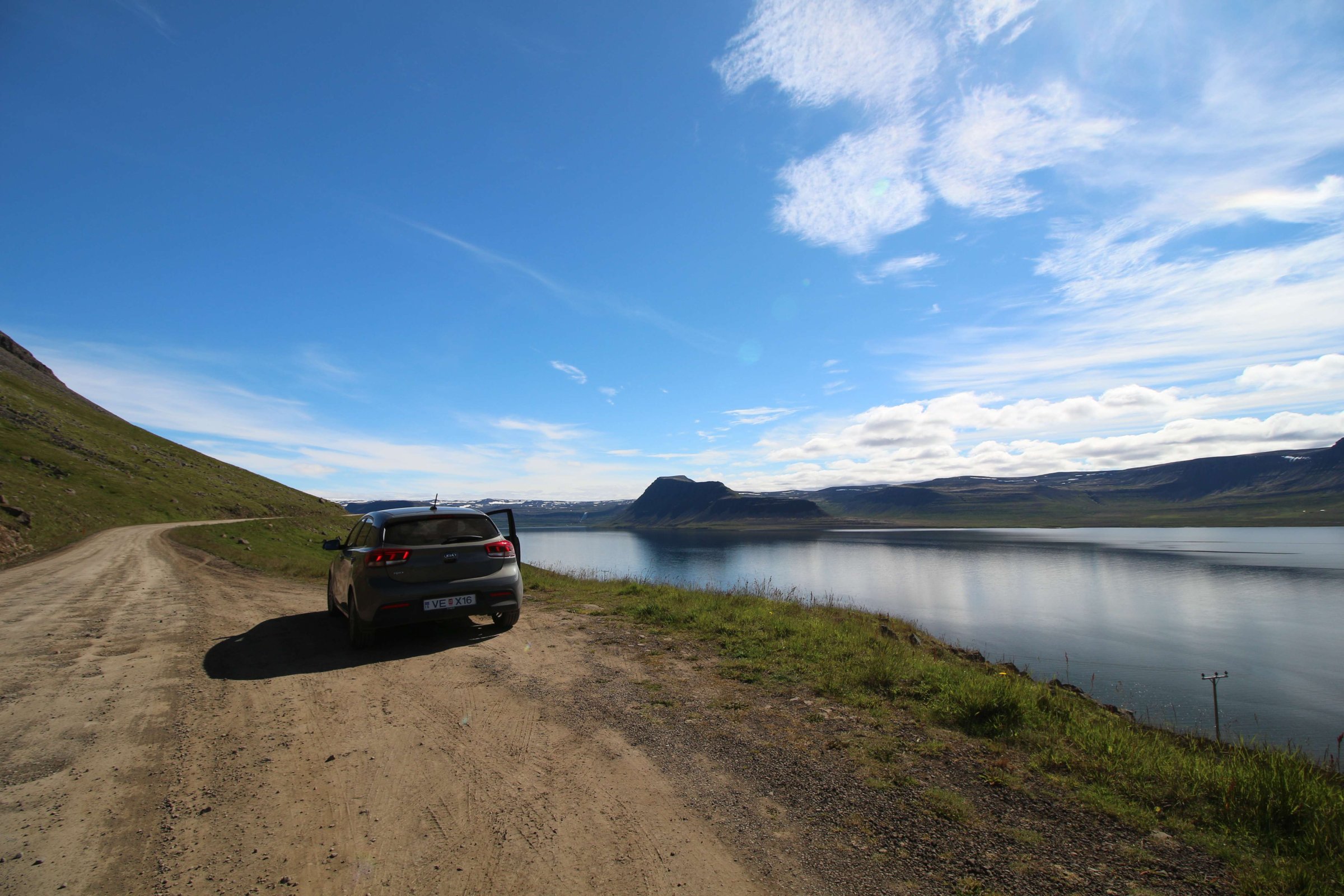
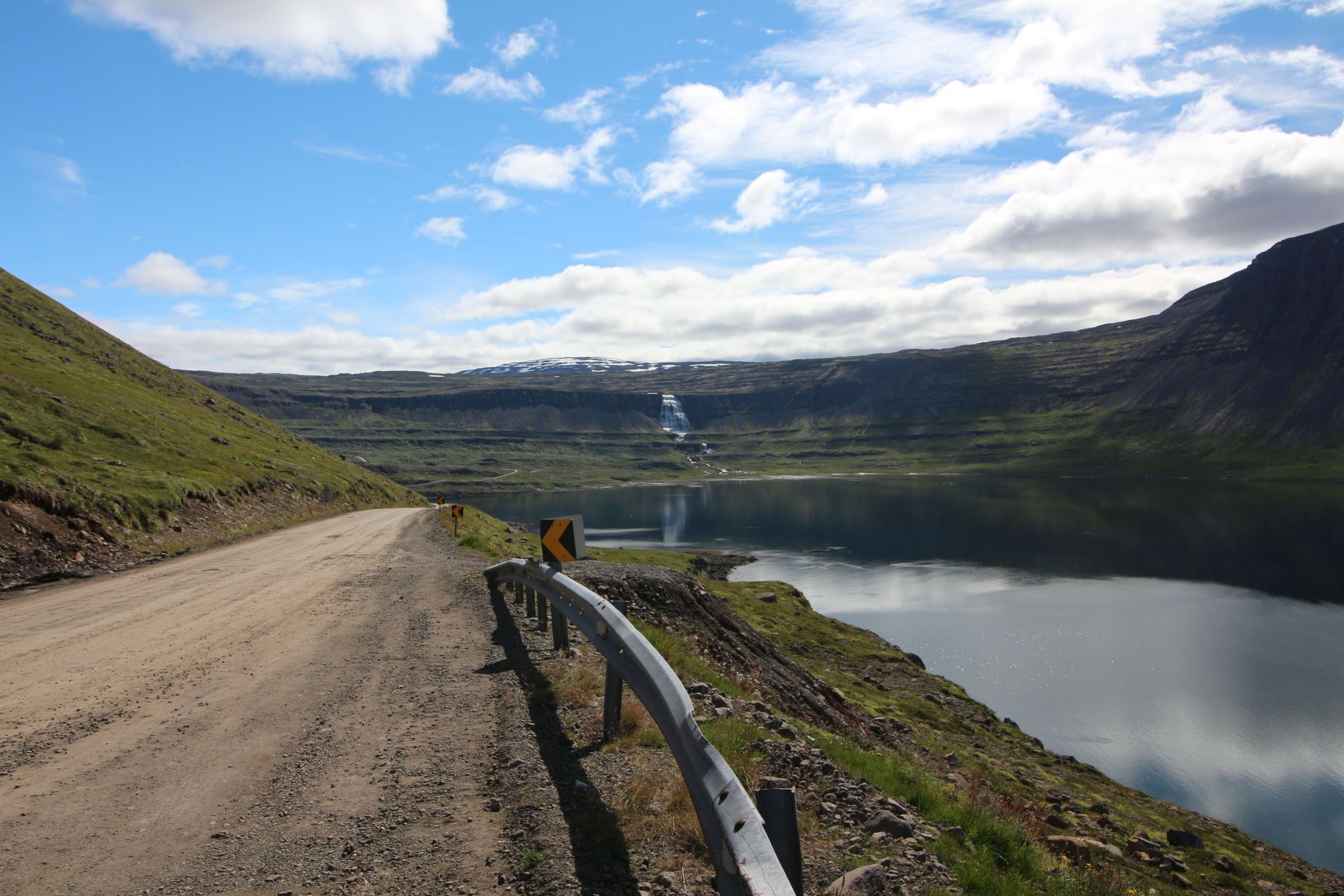
That day we drove an incredible amount of gravel. There are almost no asphalt roads in those fjords. Maybe that is another reason travelers rarely go there.
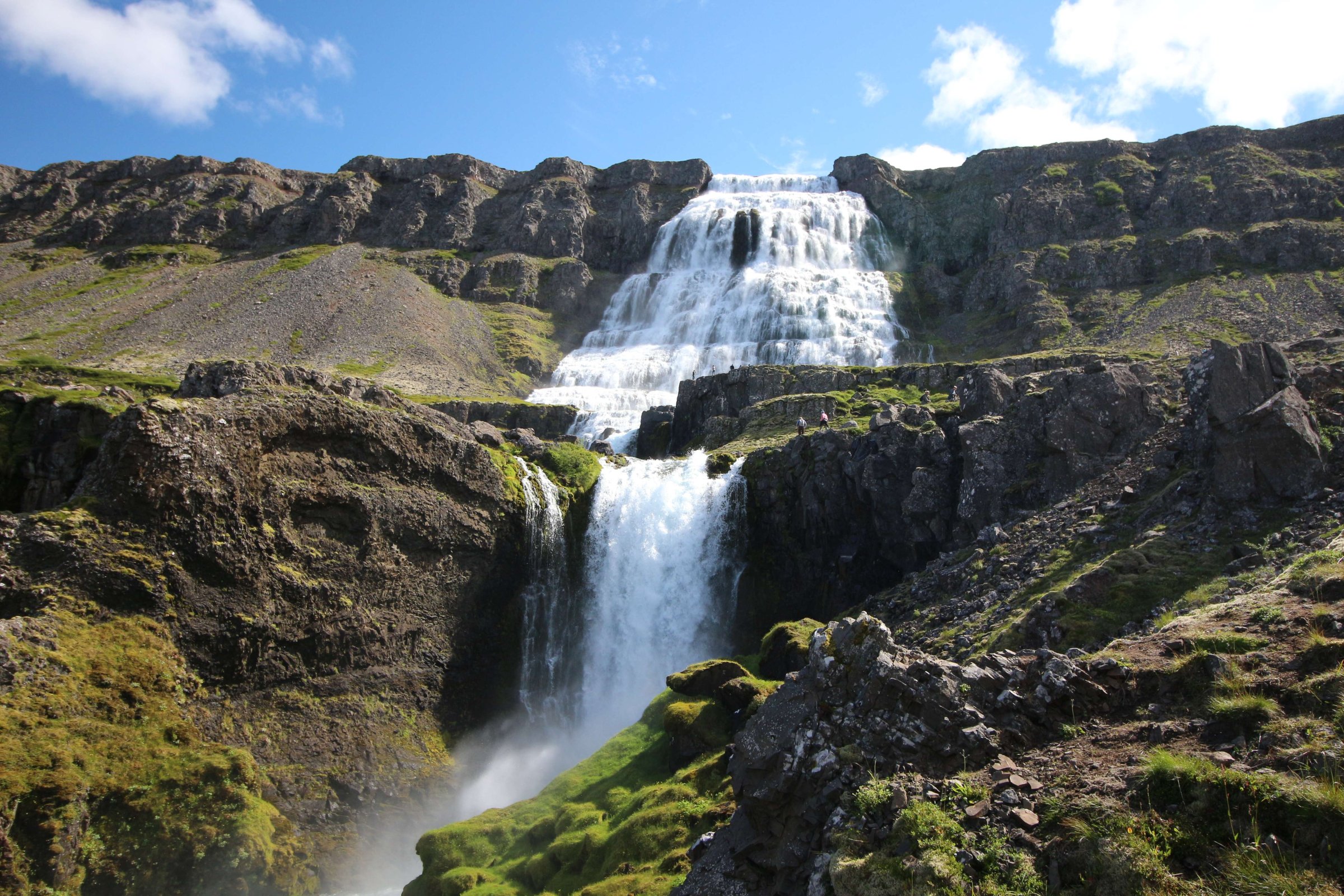
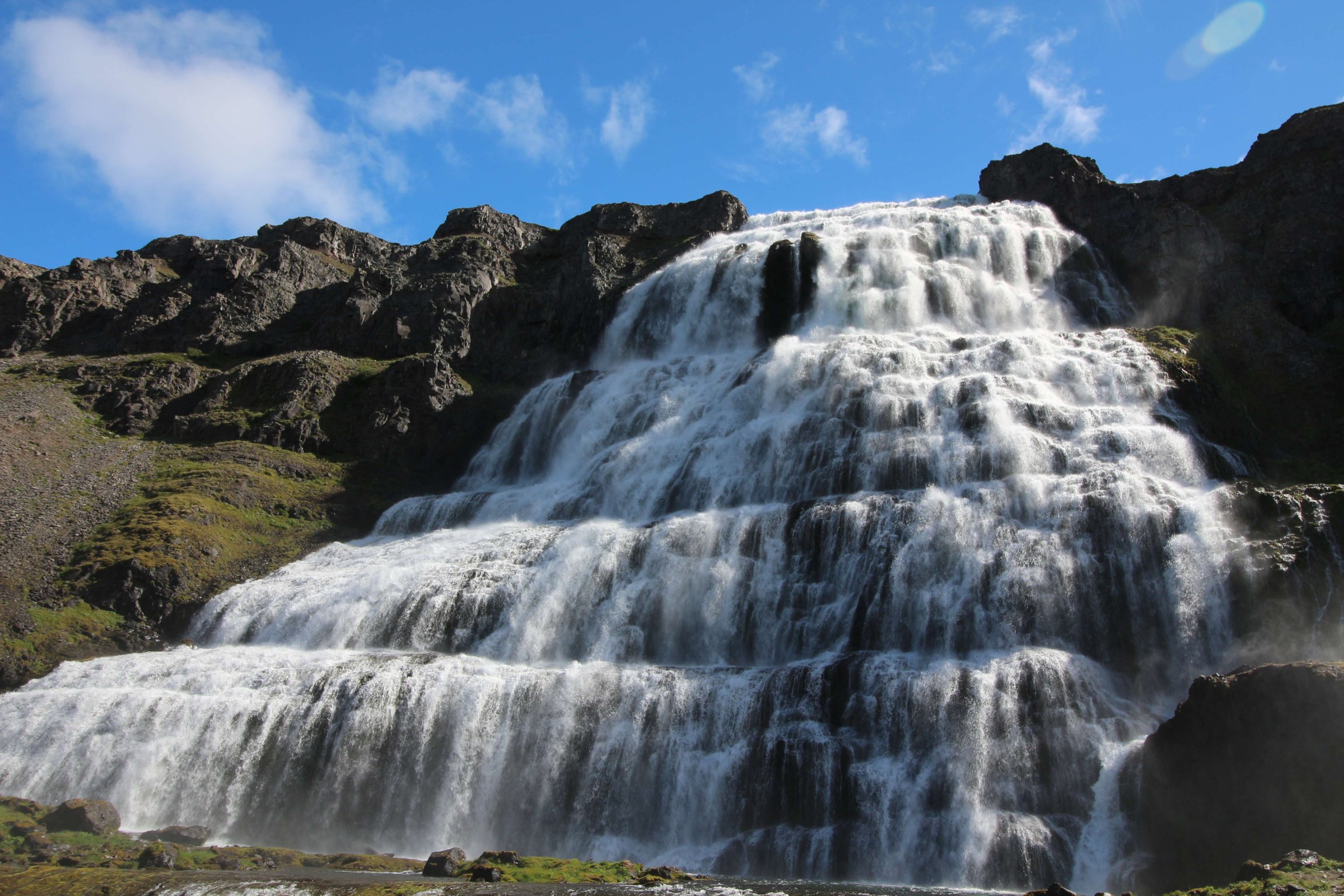
Next in the plan was a beautiful waterfall. Here we had not reached it yet, but were already stopping for photos.
And here we reached it and climbed right onto it.
There were plenty of midges around it.
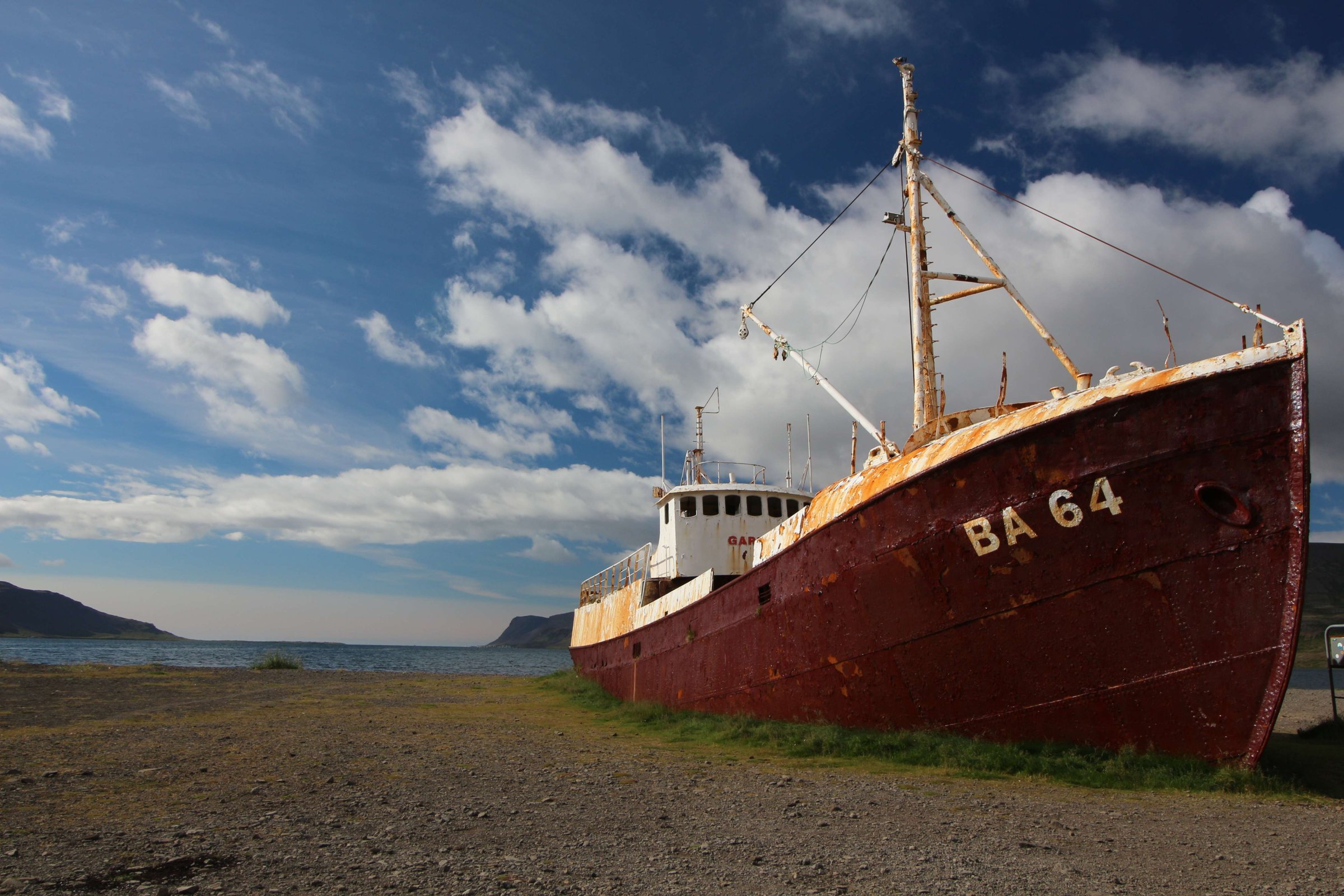
Then we drove on. At one point we noticed a ship that I had seen online while planning the trip but had decided not to add to our map. Now that it was right in front of us, we decided not to skip it after all.
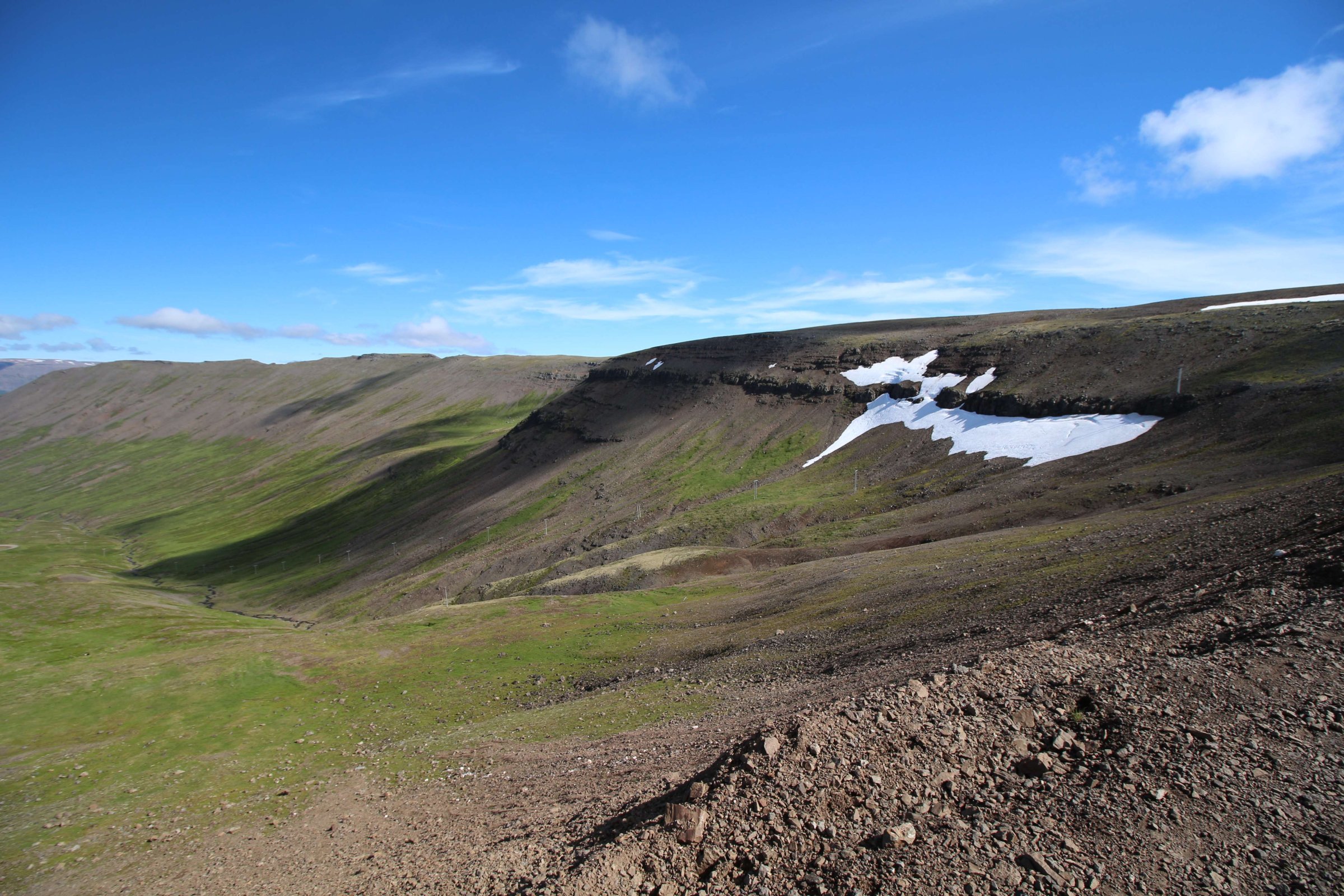
After that came a brutal gravel road. In places it ran right next to a cliff, and you could clearly see that landslides had recently come down from the slopes. We also had to climb steeply quite often on those gravel stretches.
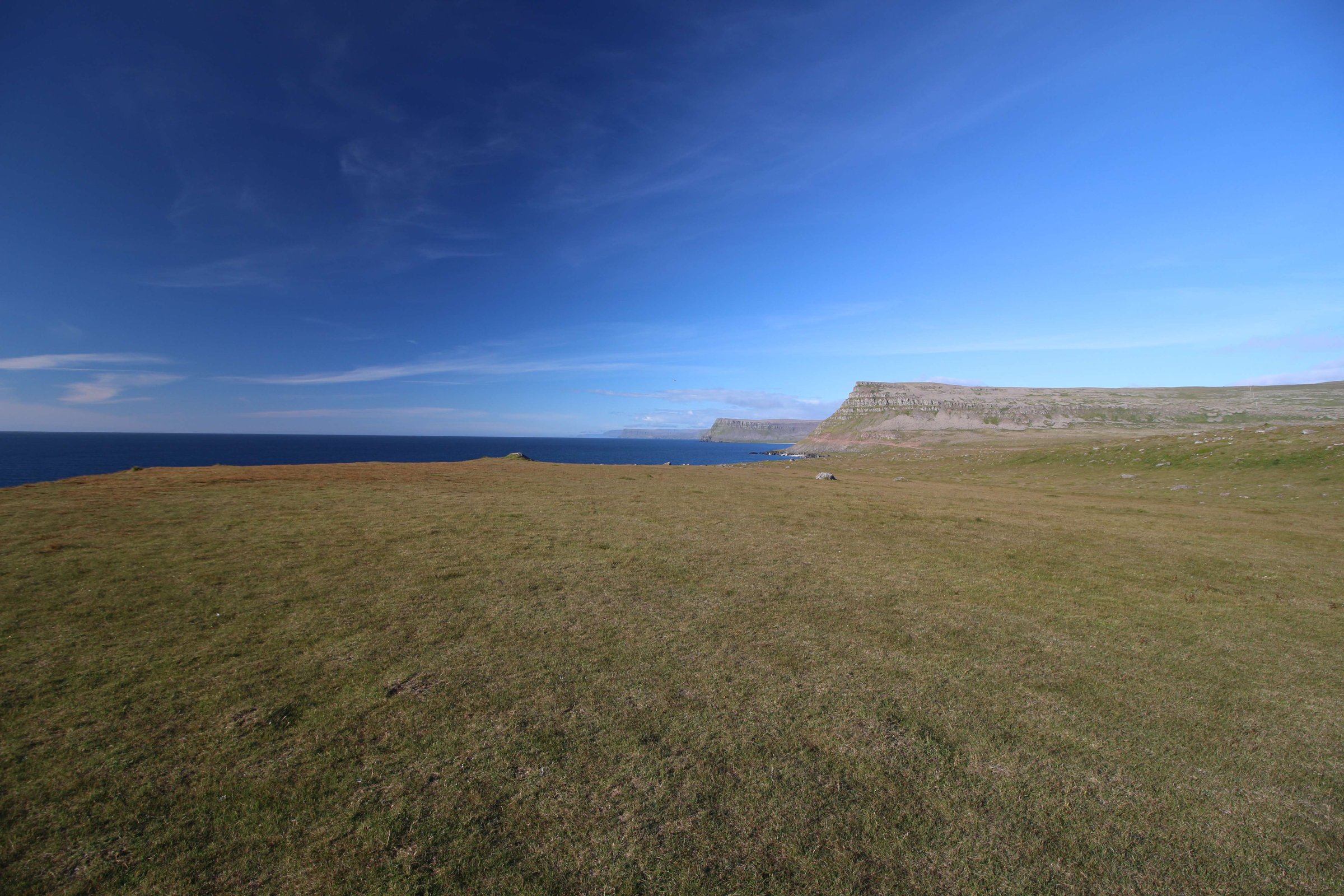
We were heading to the westernmost point of Iceland, Cape Latrabjarg.
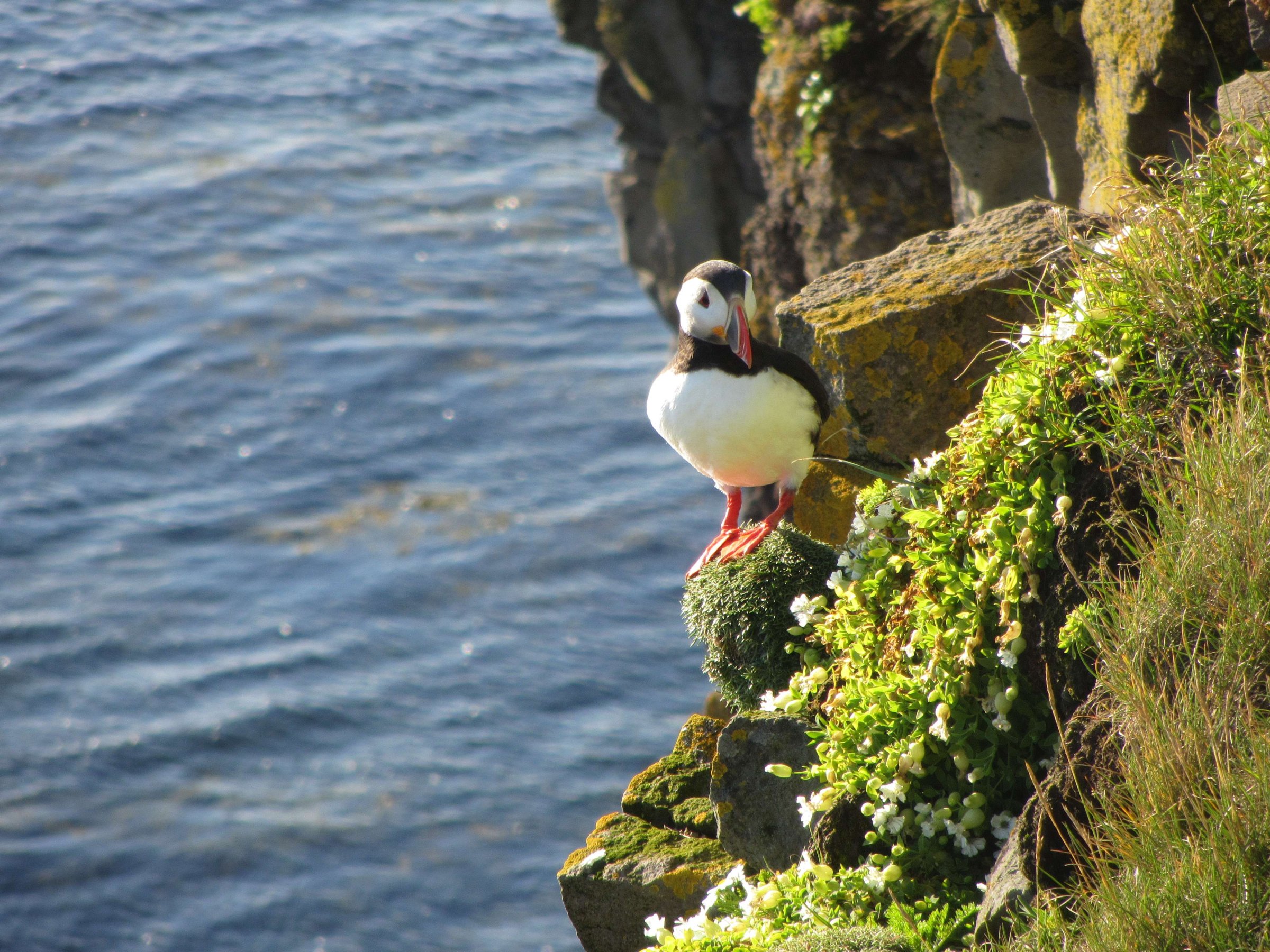
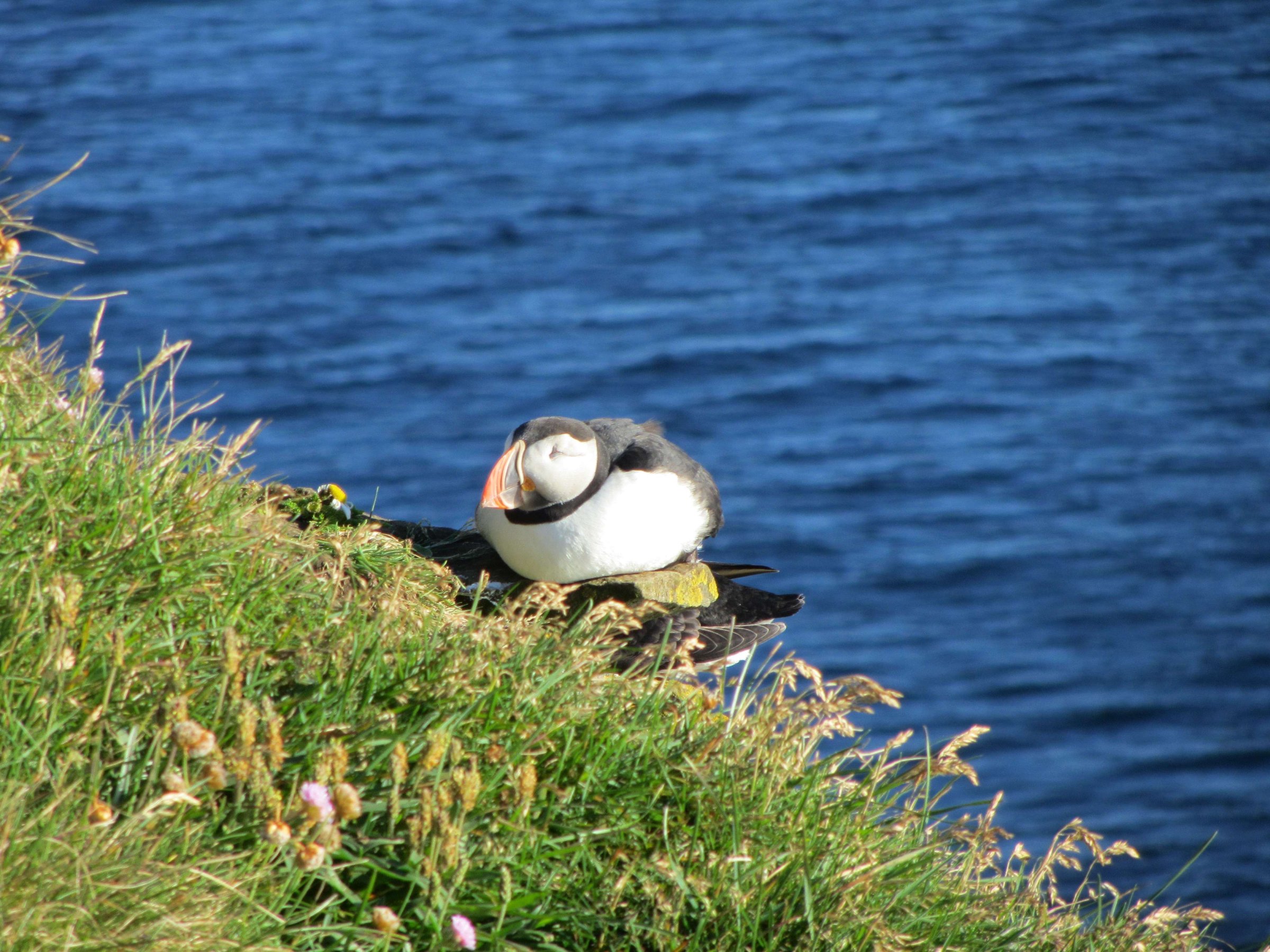
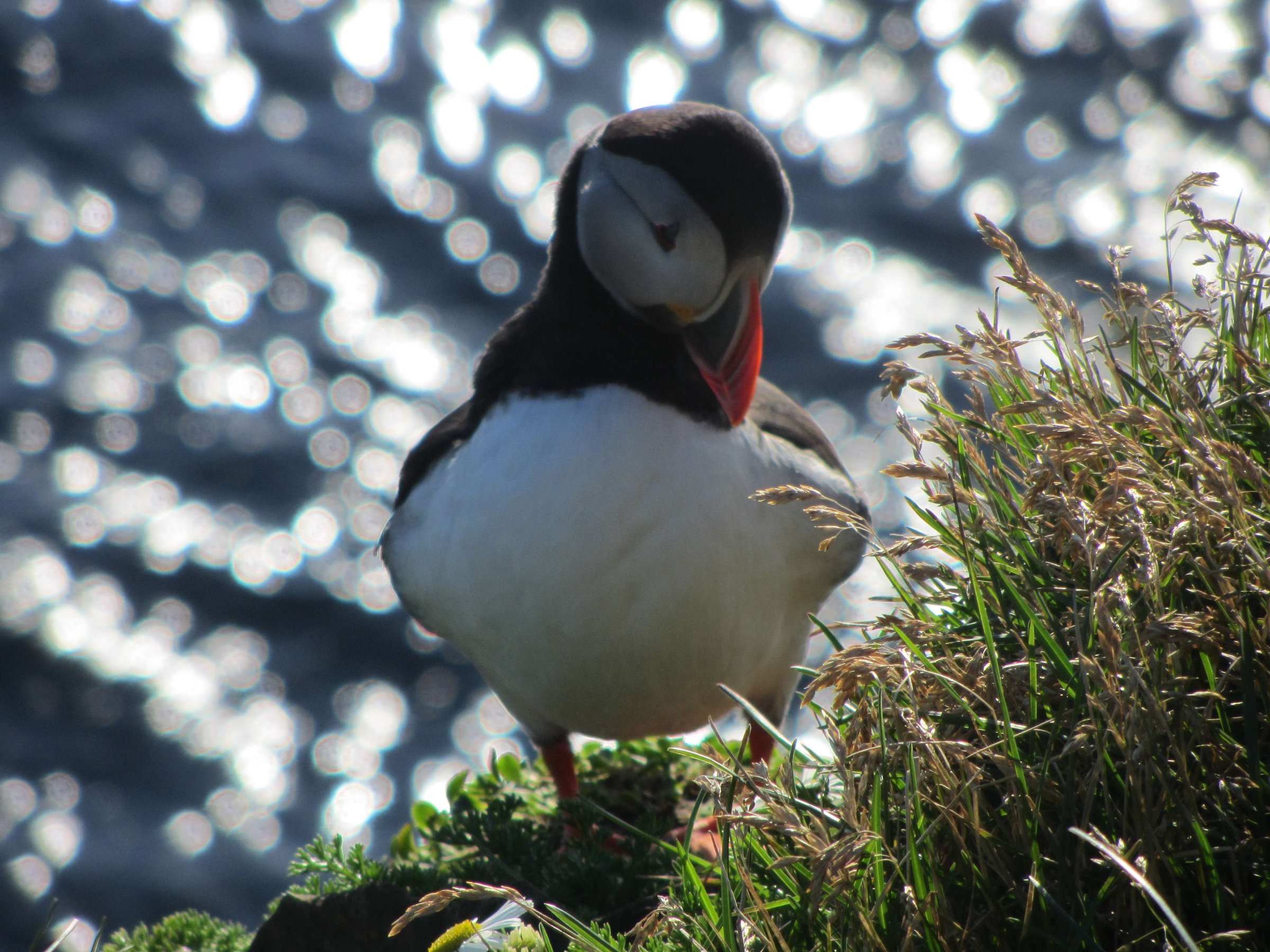
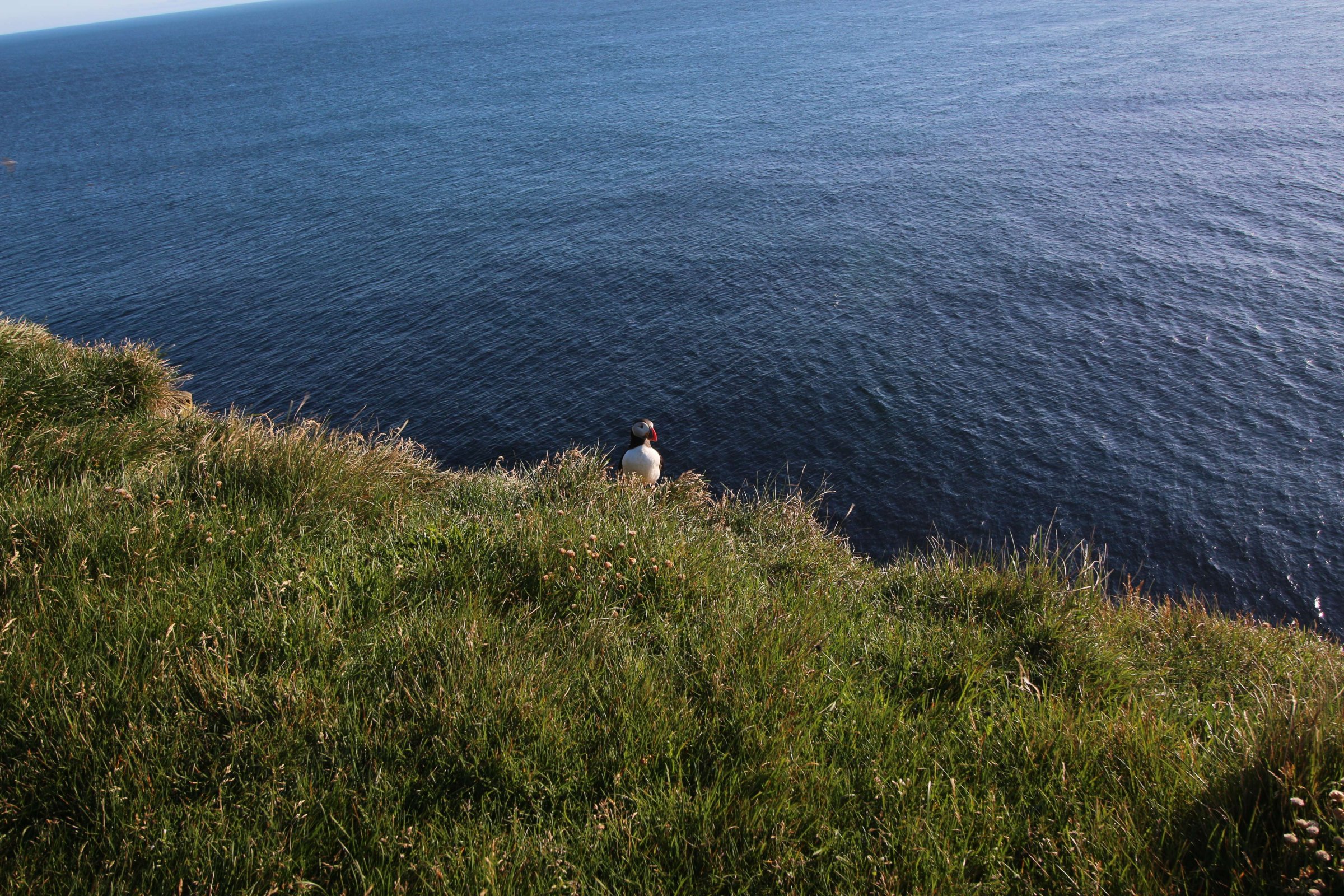
On the cliff we knew we were supposed to see puffins, and we did.
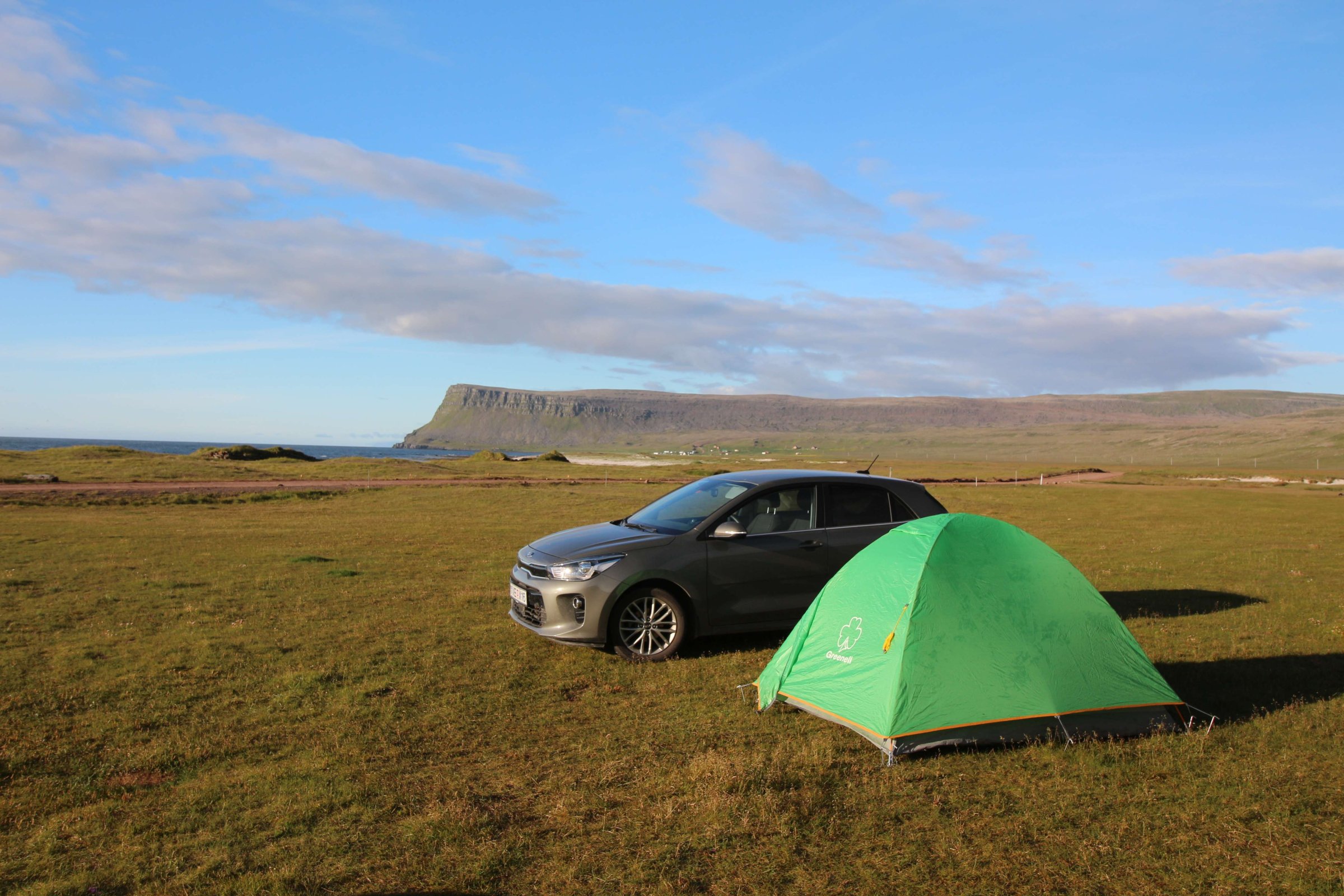
On the way to the cape we had noticed one traveler's car parked in a field. When we drove back, more cars had joined it. We asked whether it was a campground and whether it was free. Both answers were yes. So we decided to drive in as well and pitch our tent there.
Even though we were close to the sea, the evening was not cold, but the temperature kept slowly dropping. Since the campground was free, the toilet was cold, the water was cold, and the toilet block itself stood about 100 meters away. So during the night we had to walk there through wet dew in +6 to +8 C weather. But the night sunset there was excellent.
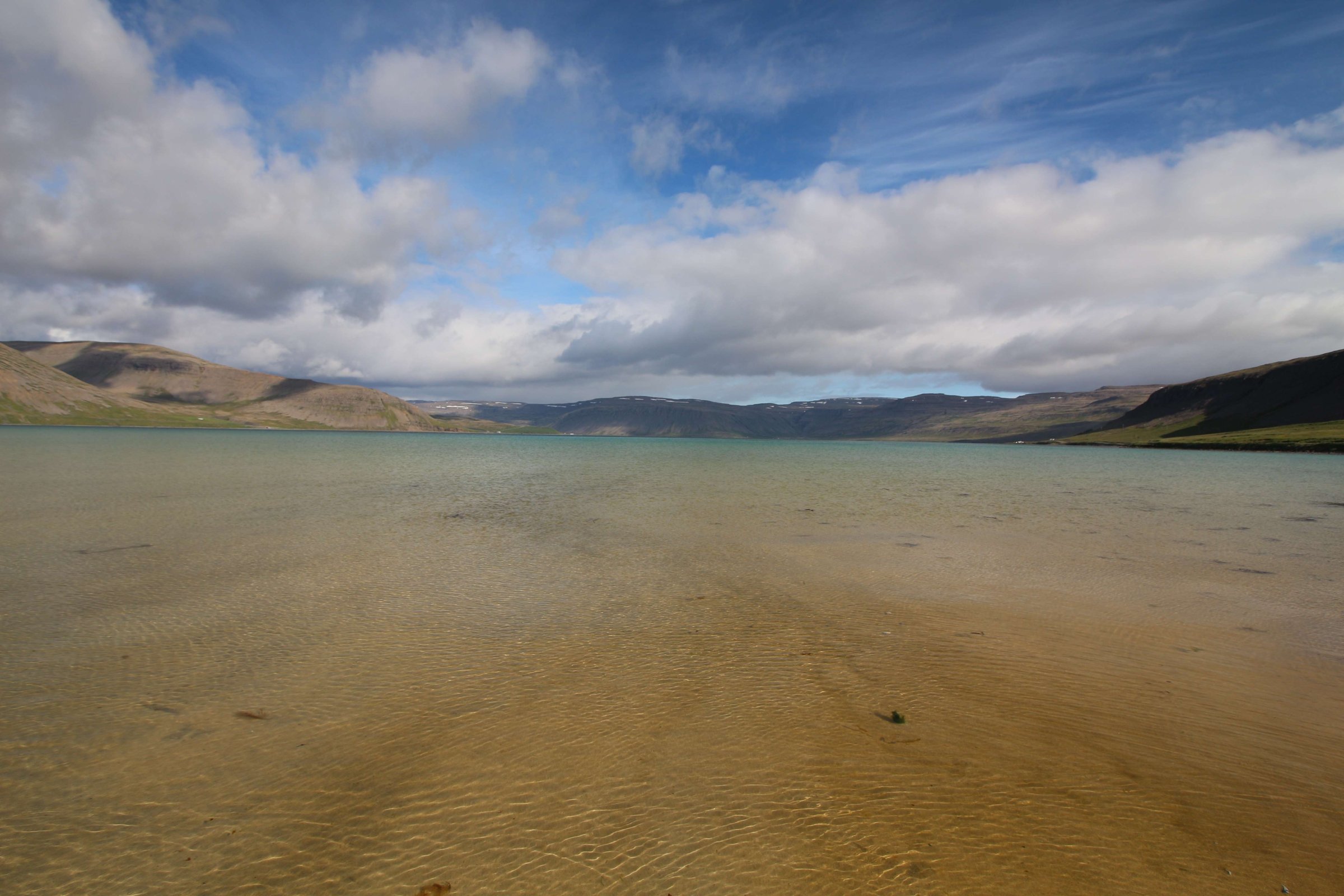
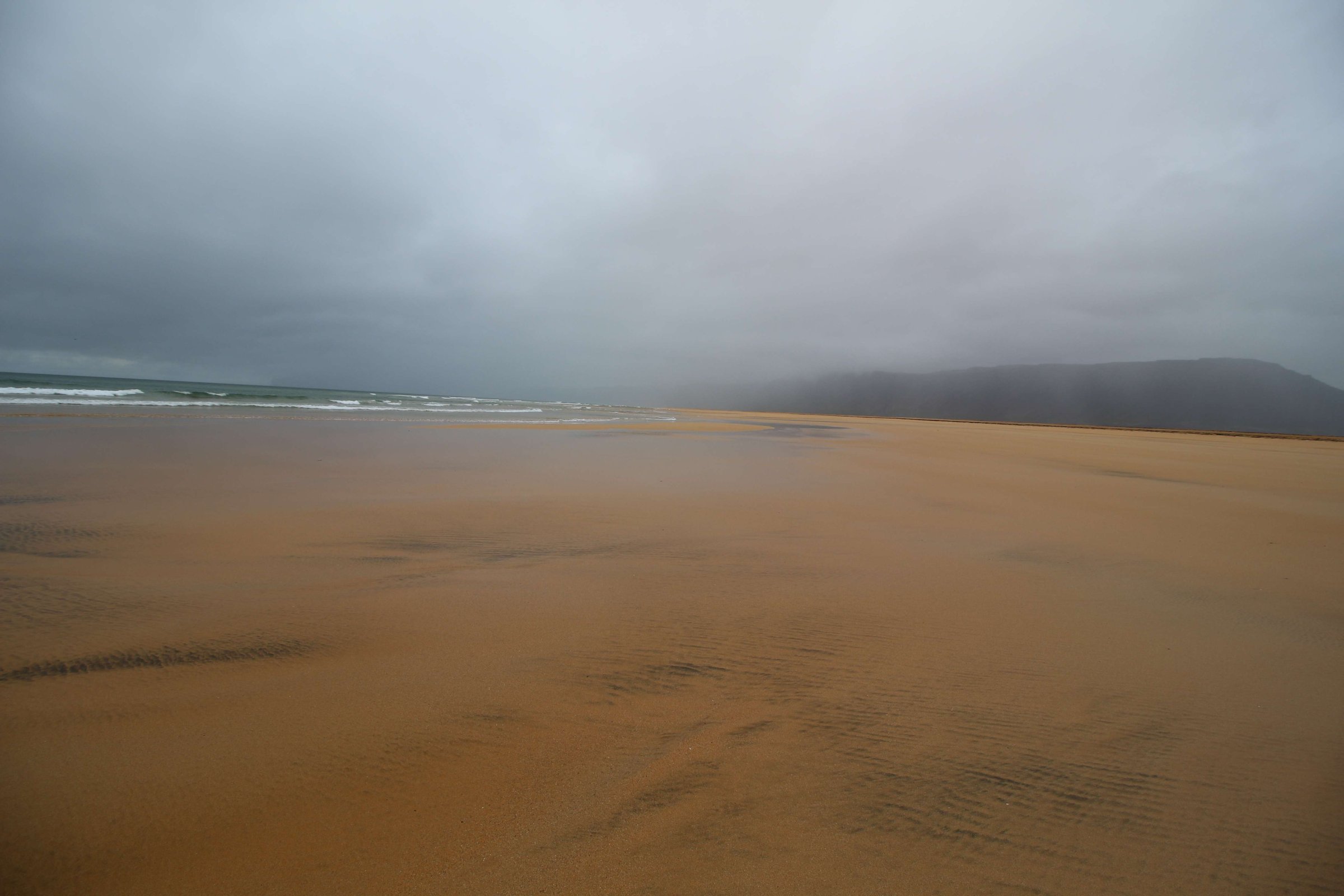
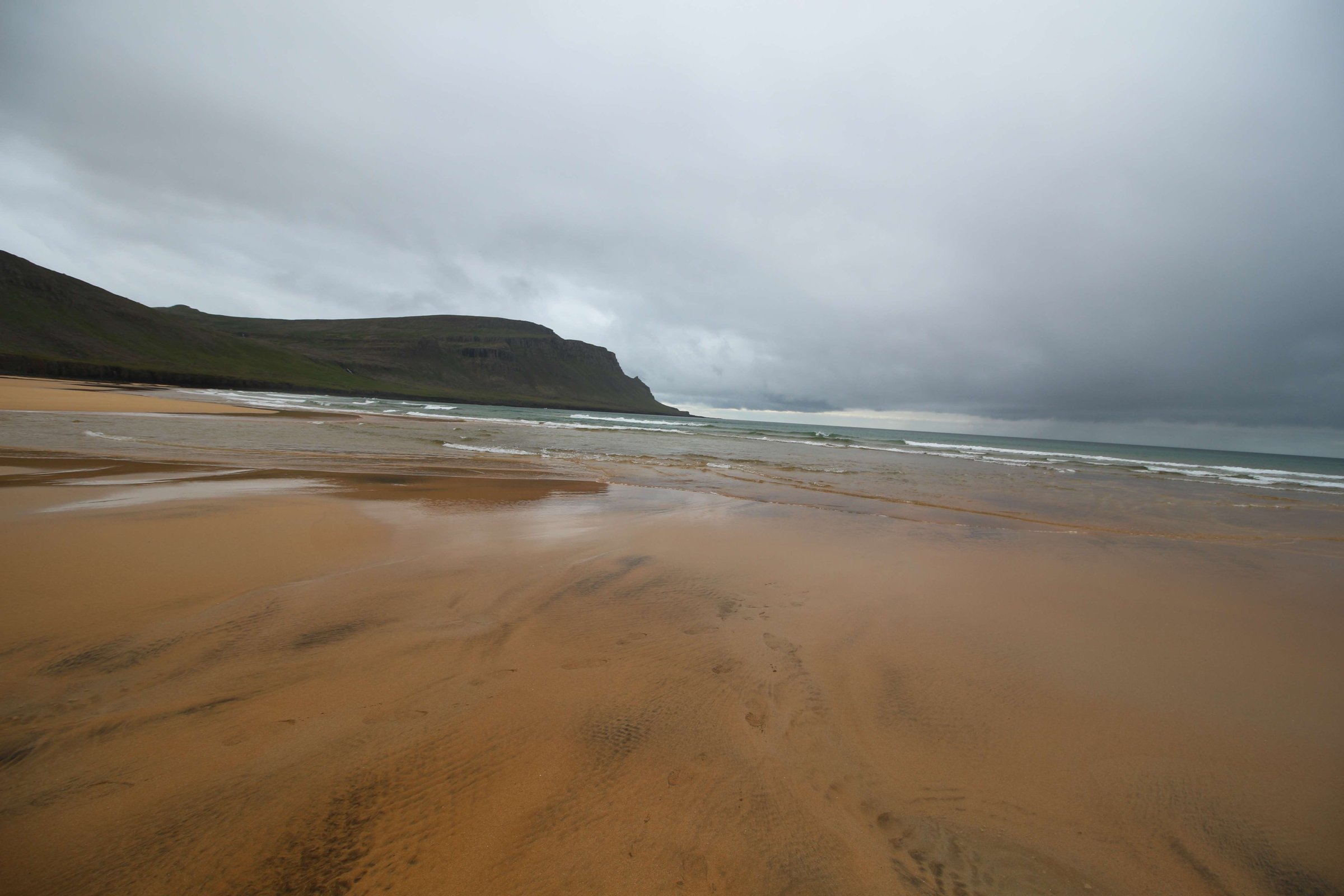
Morning of July 25. Only a few days remained before the flight back to Russia. We got up, packed the tent, and drove to a nearby place. There was a beautiful beach there. On the way the weather kept switching from good to bad and back again.
But once we reached the place and started walking toward the beach, the weather turned worse.
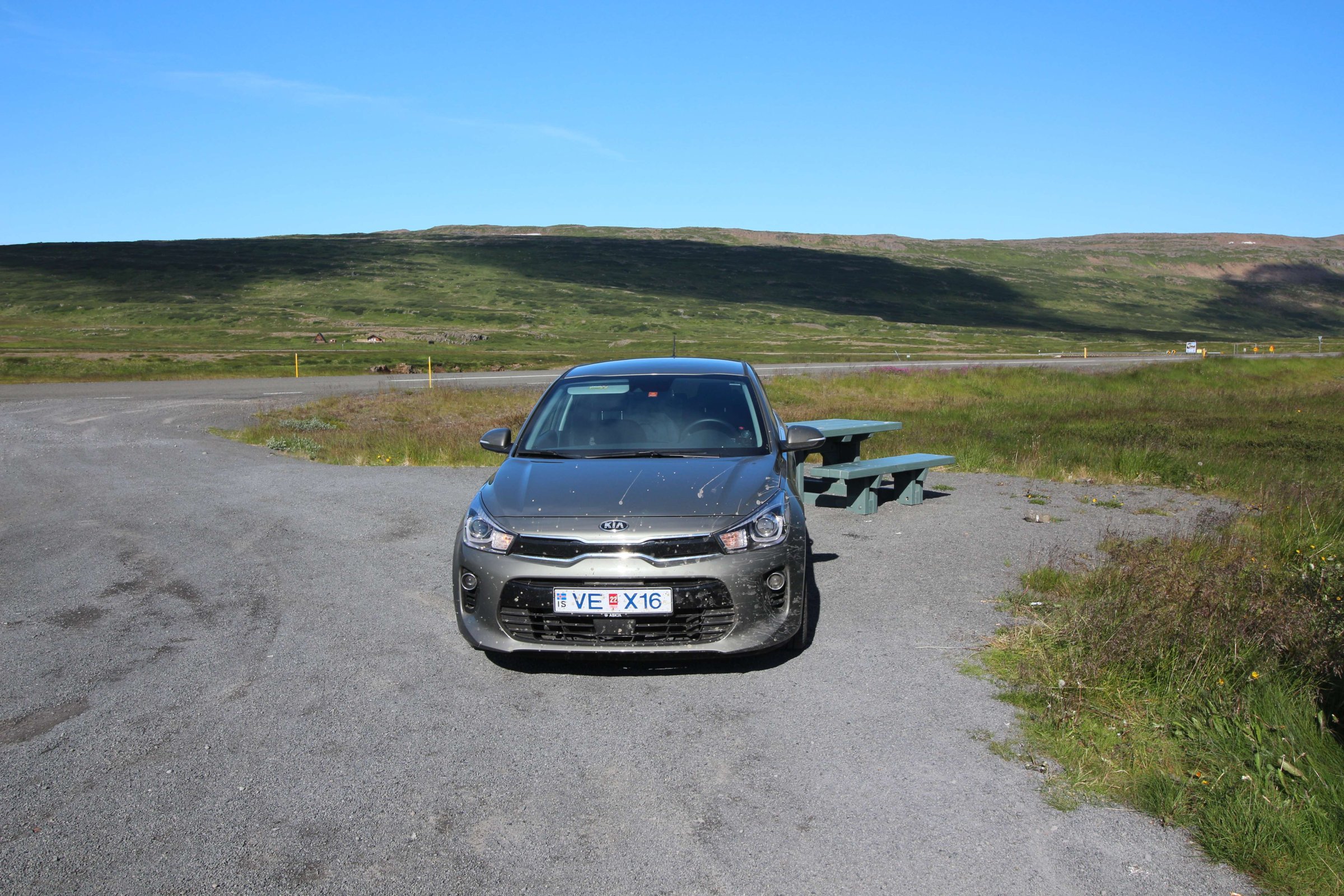
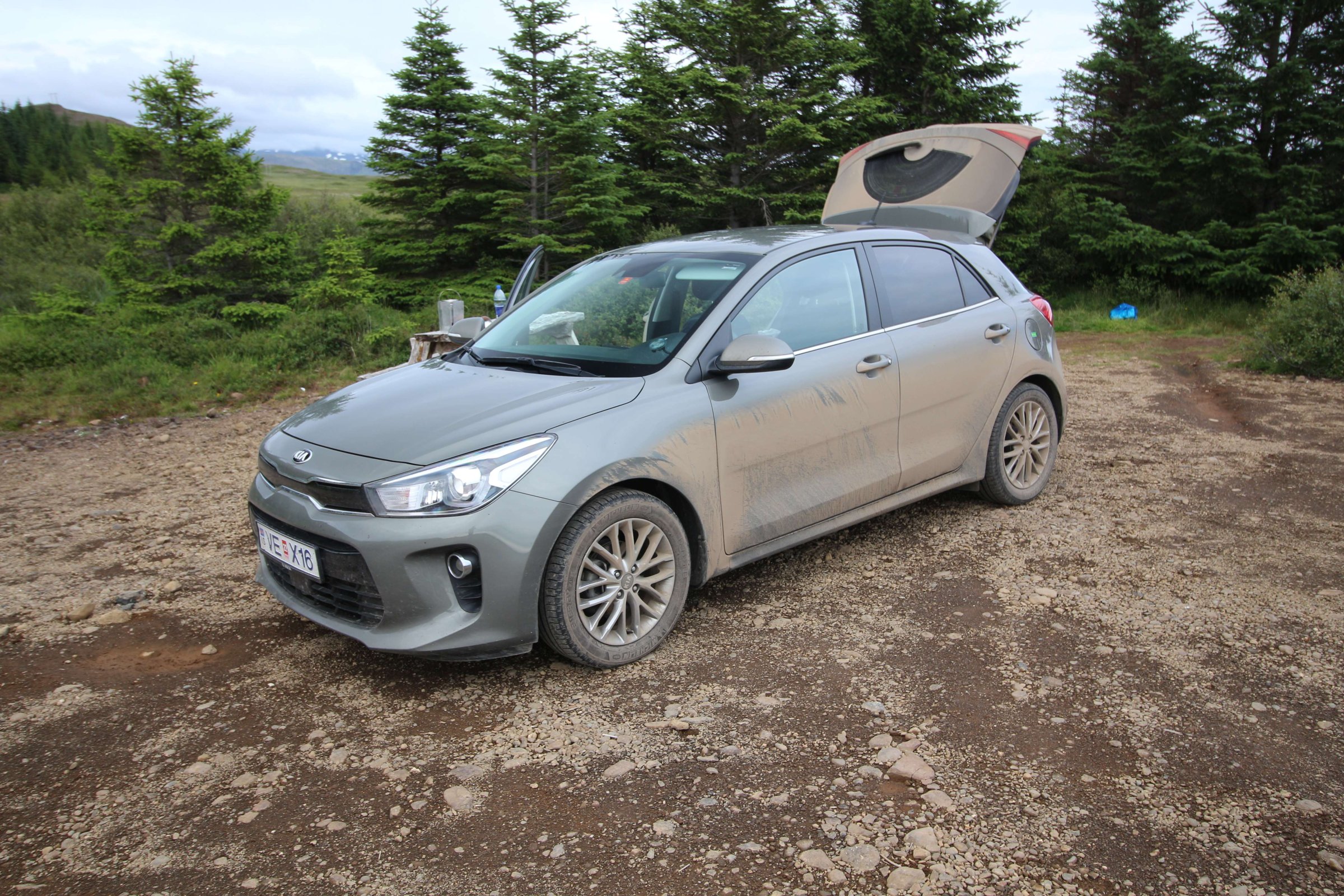
It was a long walk across the sand in half-fog before we reached the water. Along the way we met goats wandering freely. After that beach we spent a long time driving through the fjords again. The weather kept changing. As always, there was a lot of gravel driving. At one point we spent several dozen kilometers on a particularly bad road. It was very wet and covered the car in so much dirt that none of my cars had ever been that filthy before.
Our route led toward the peninsula where the Snaefellsjokull glacier stands on top of an extinct volcano. Unfortunately we could not really see it that day because it was hidden behind clouds.
We drove around the area following the points we had marked at home and then continued toward a place I had chosen as our next overnight stop before the trip even started. It was supposed to be free. We found it, and it really did seem free because there were no signs saying that payment was required. There was a toilet, a sink with cold water, and even a 220-volt socket with a kettle. Many seagulls were flying nearby because the campground was close to the sea.