Travel tips for New Zealand
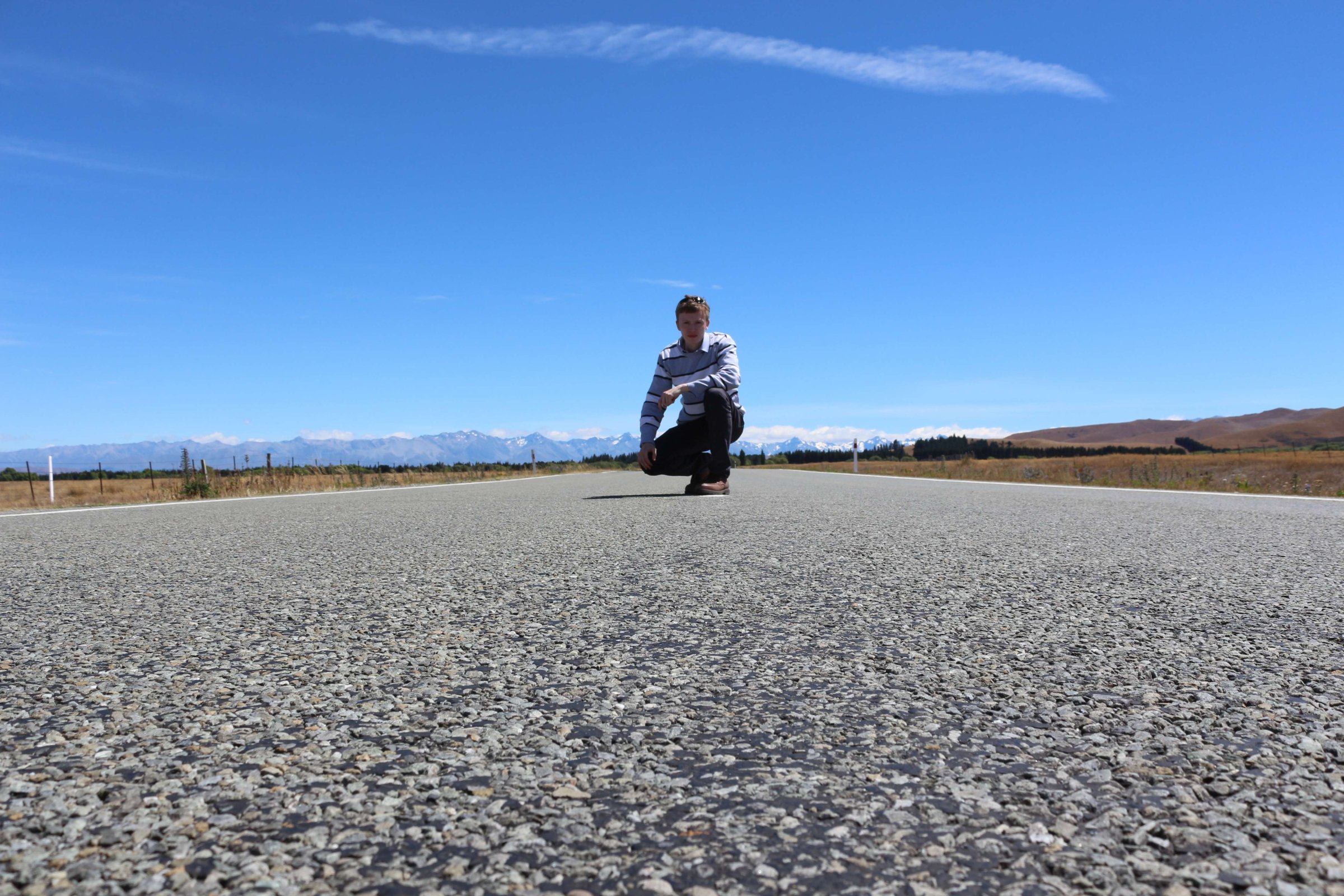
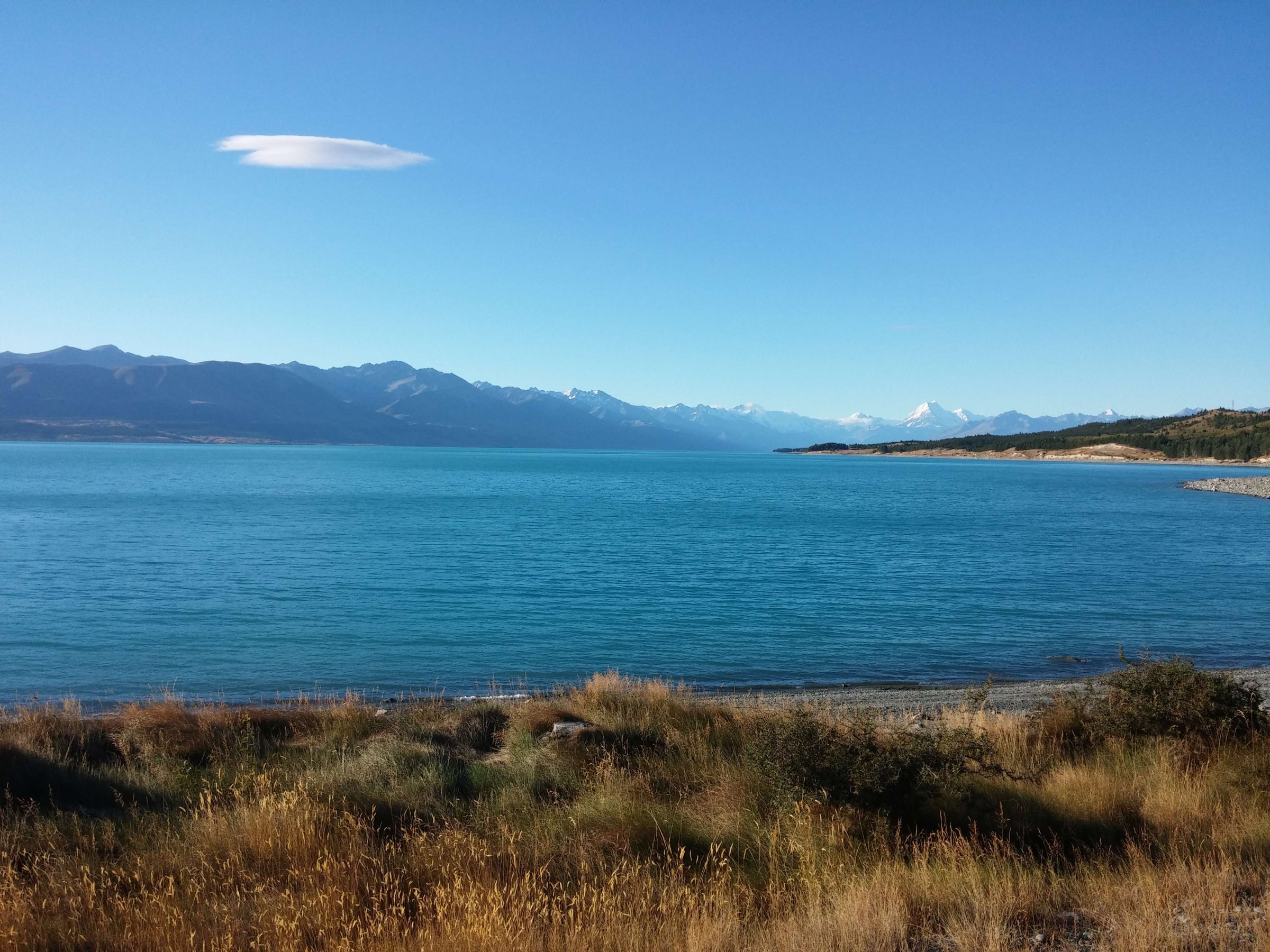
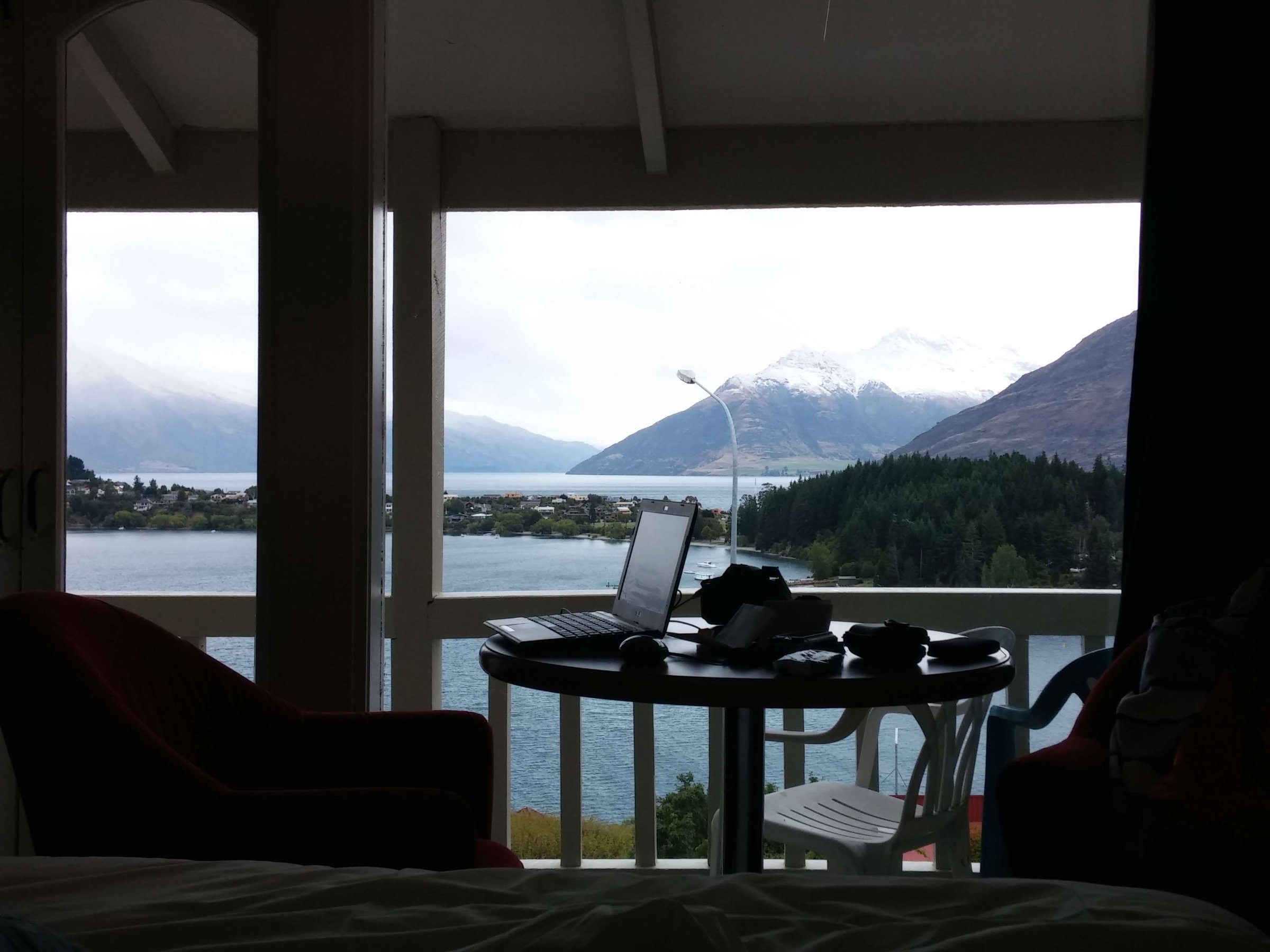
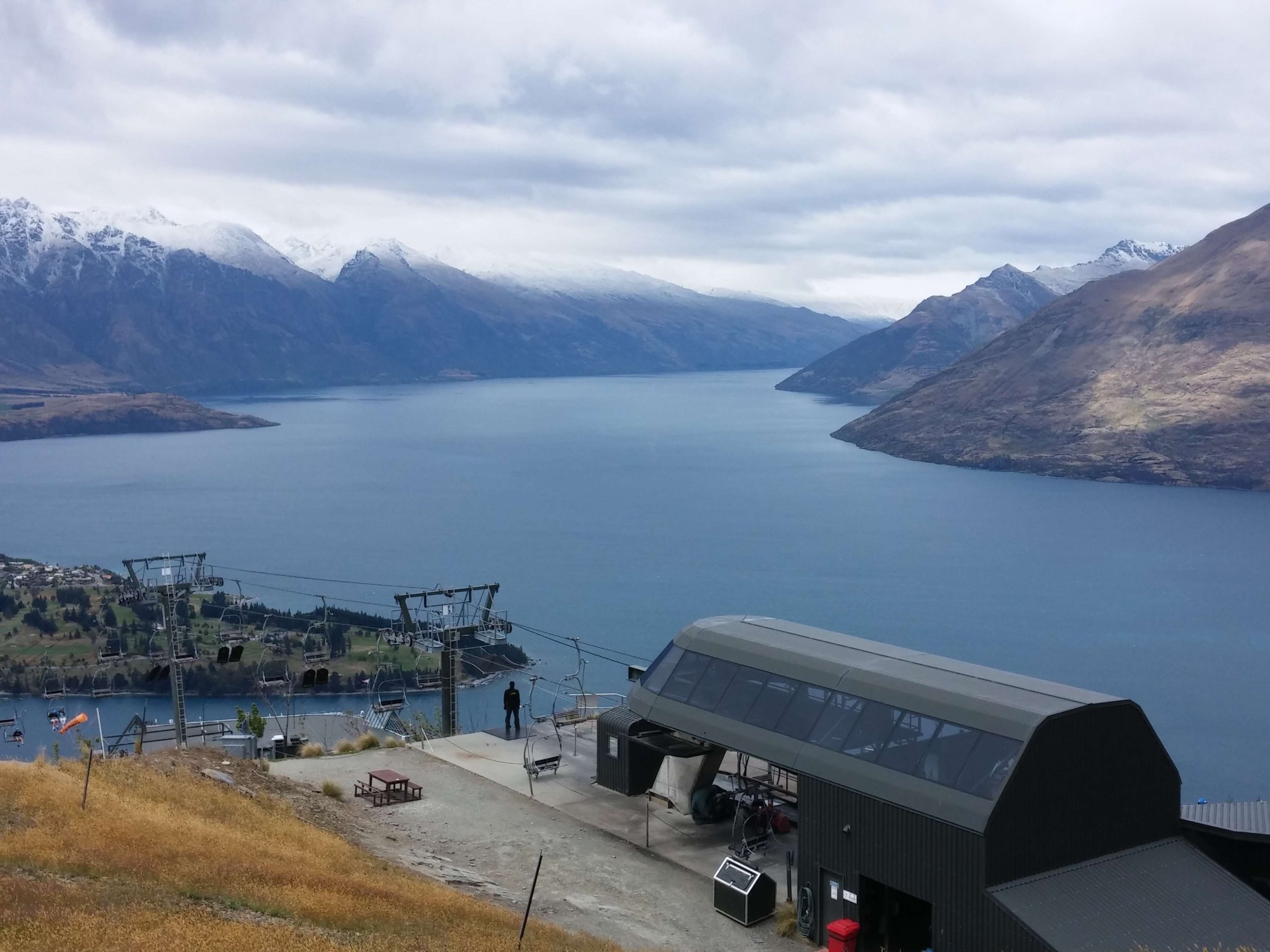


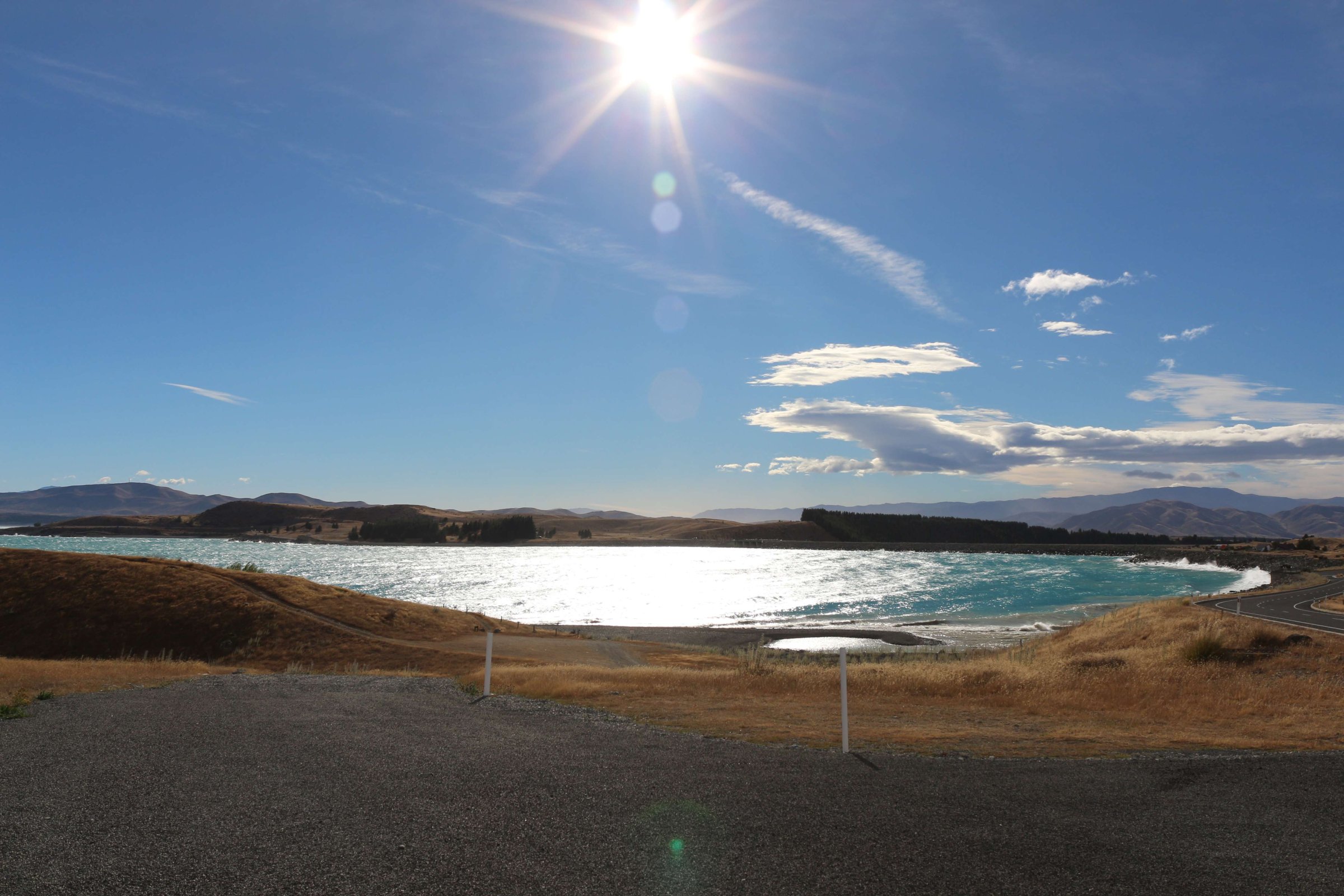
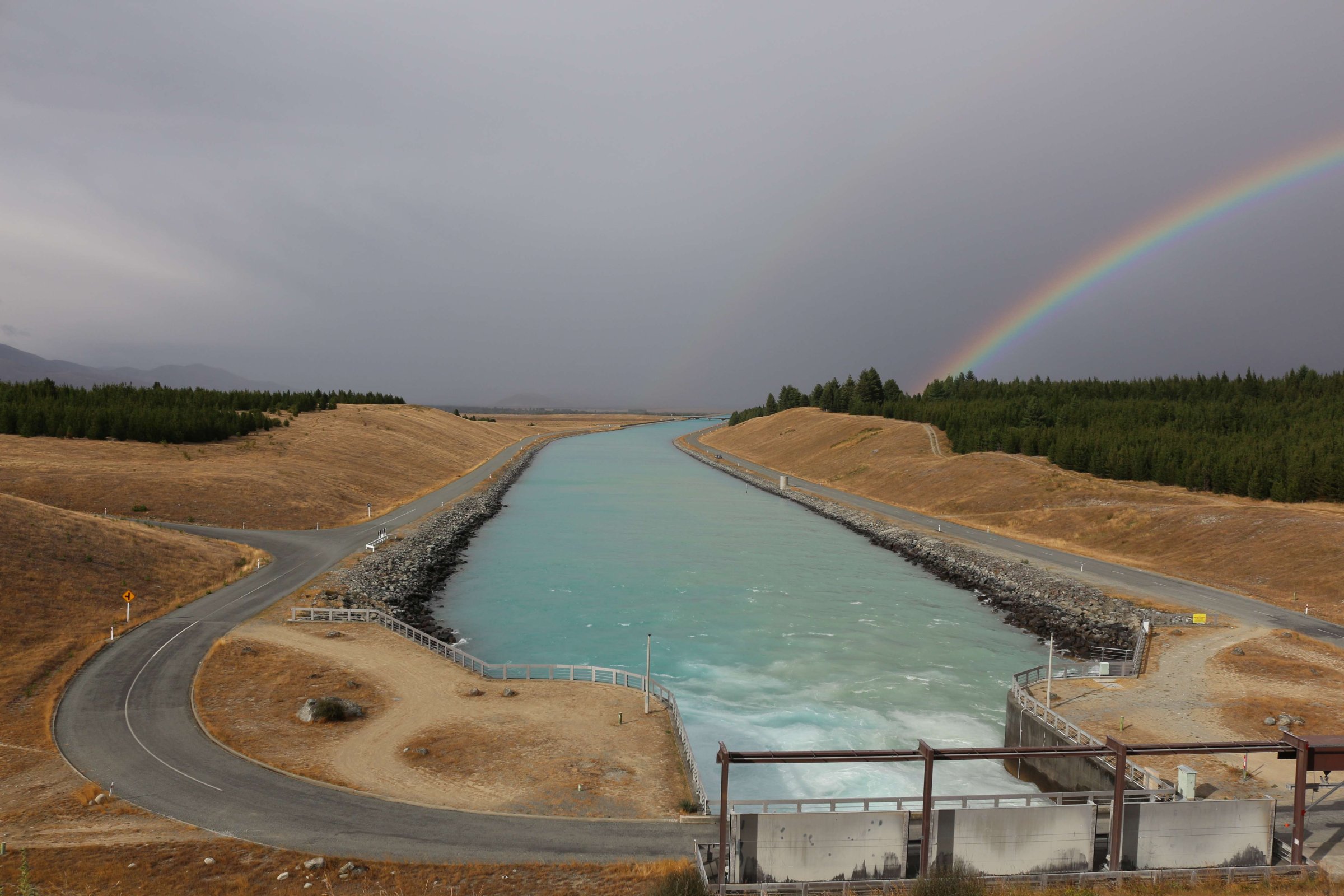
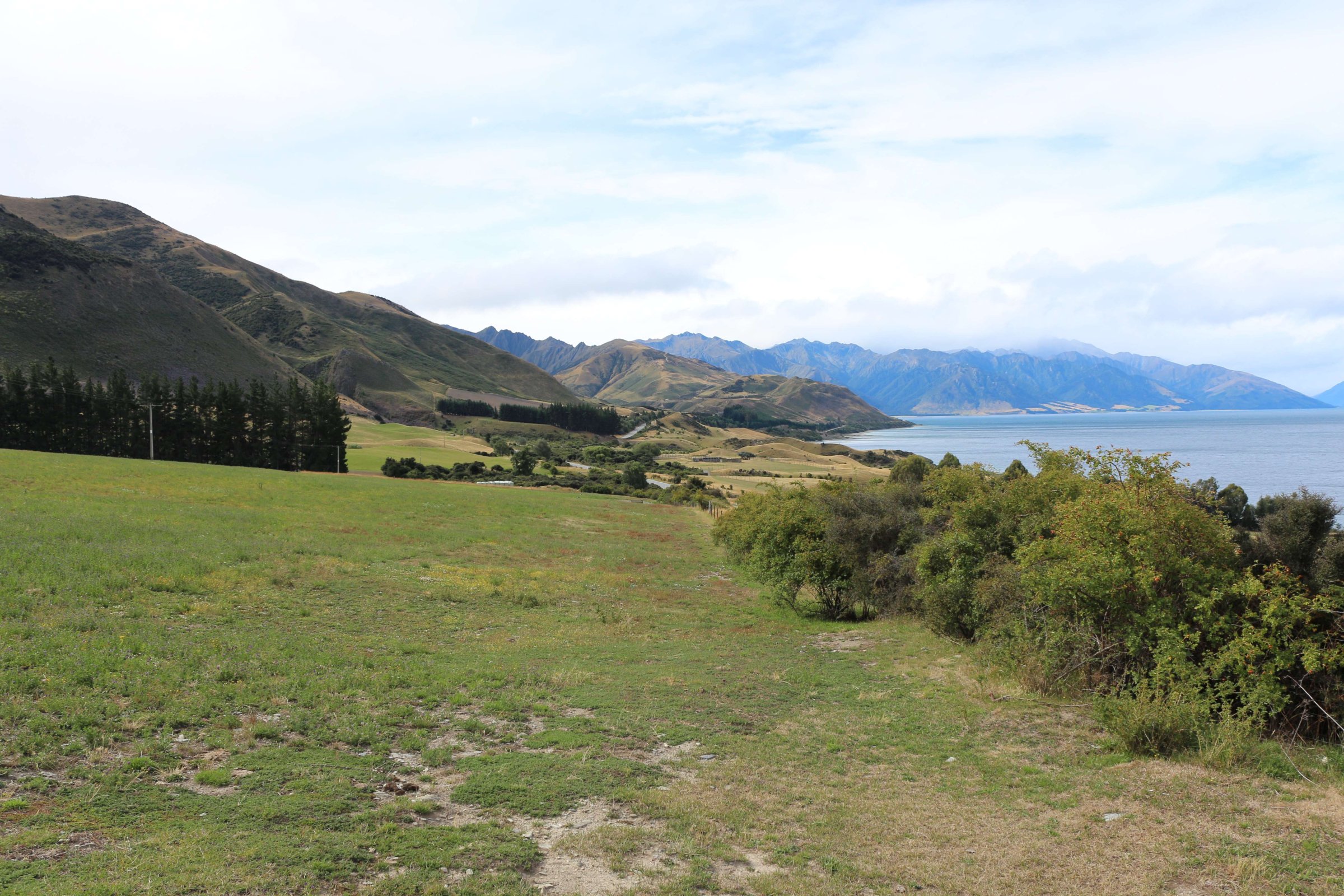
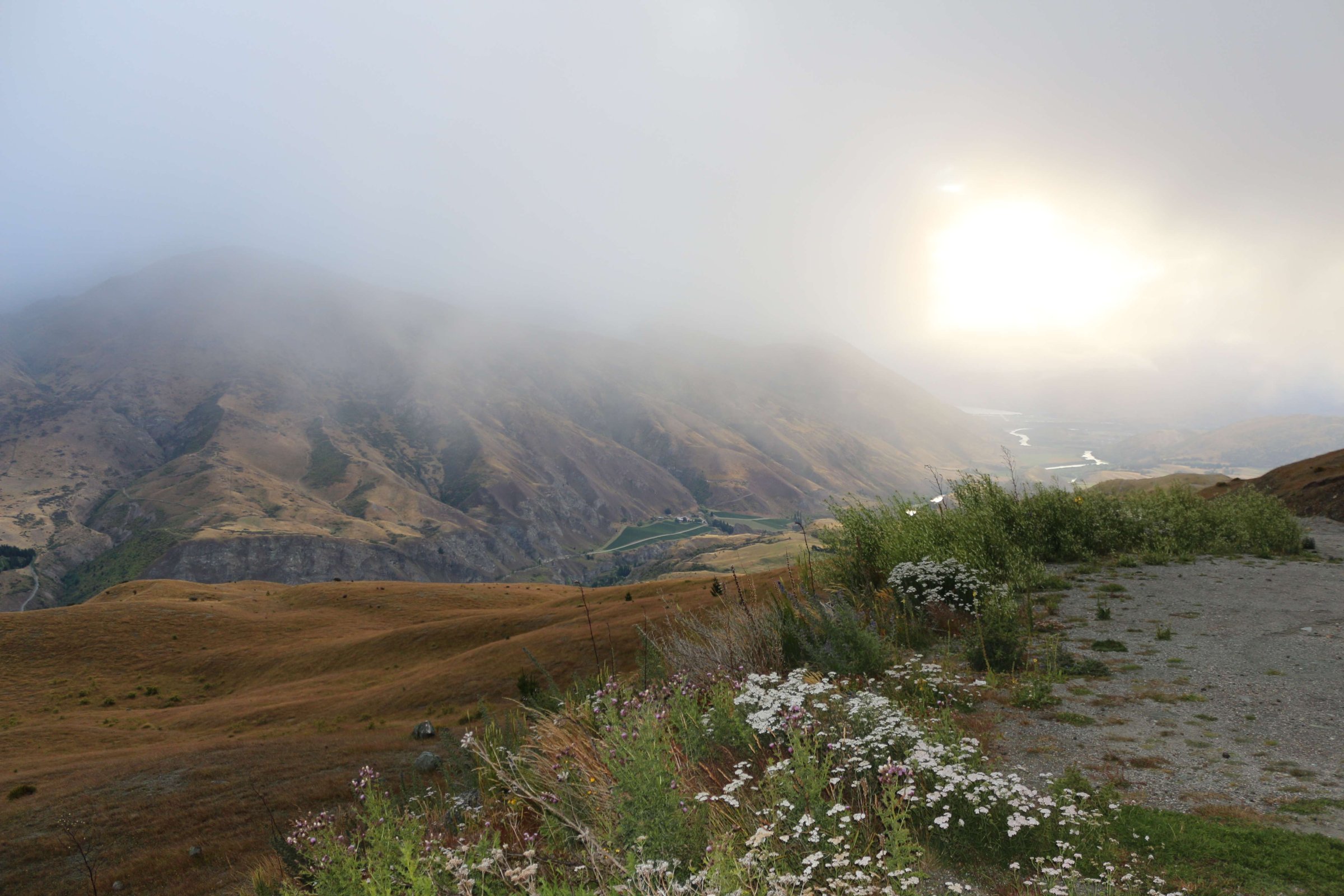
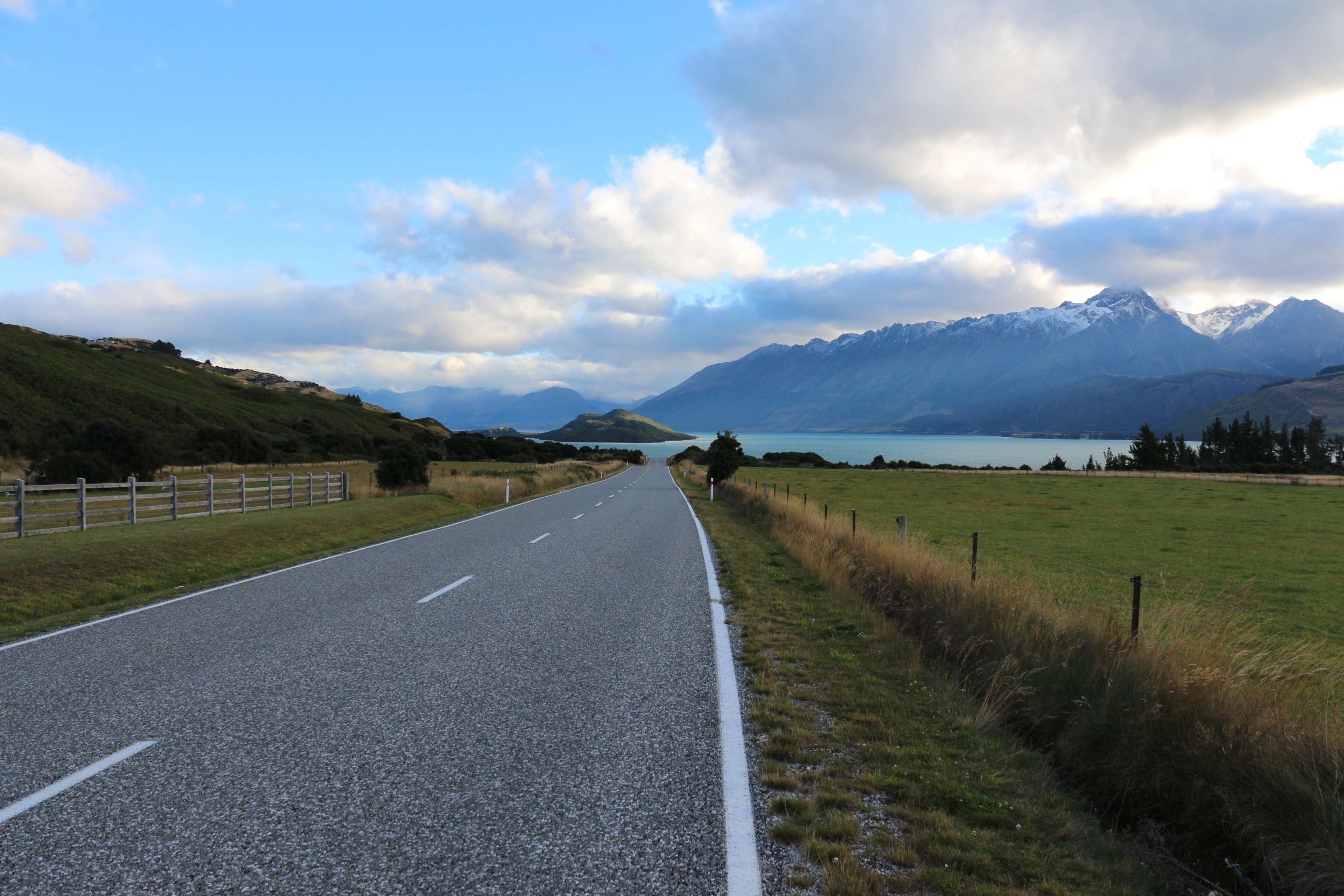
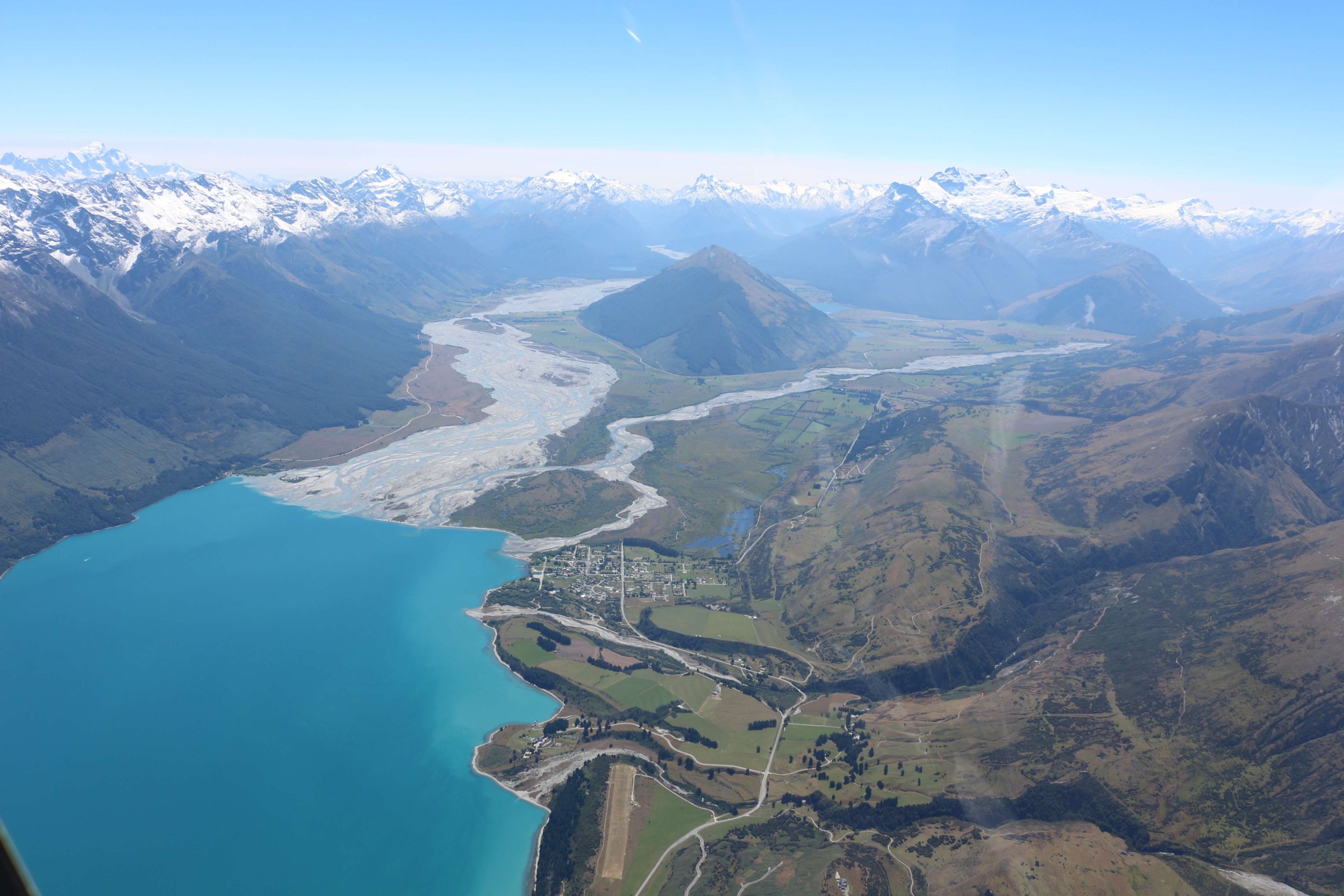
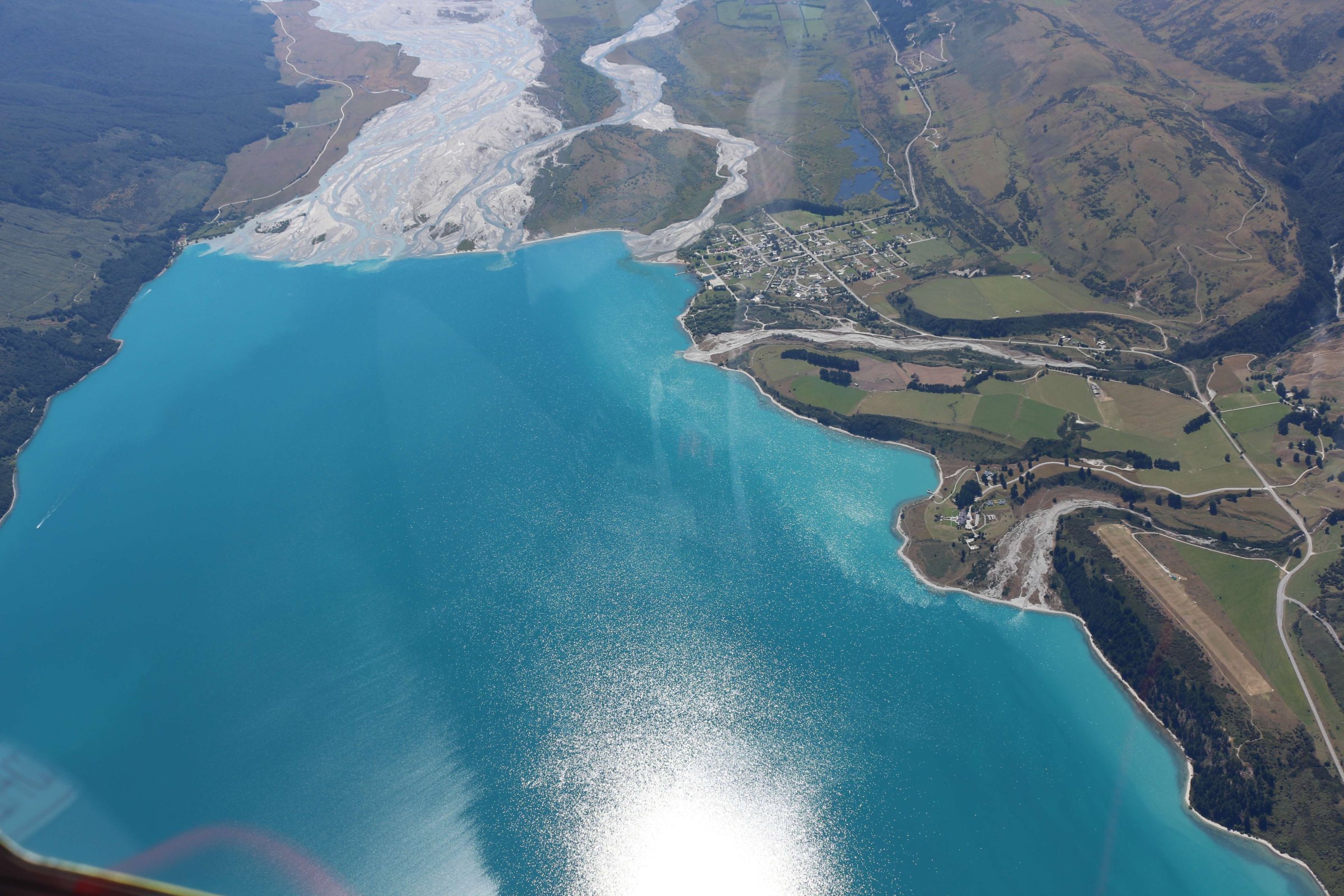
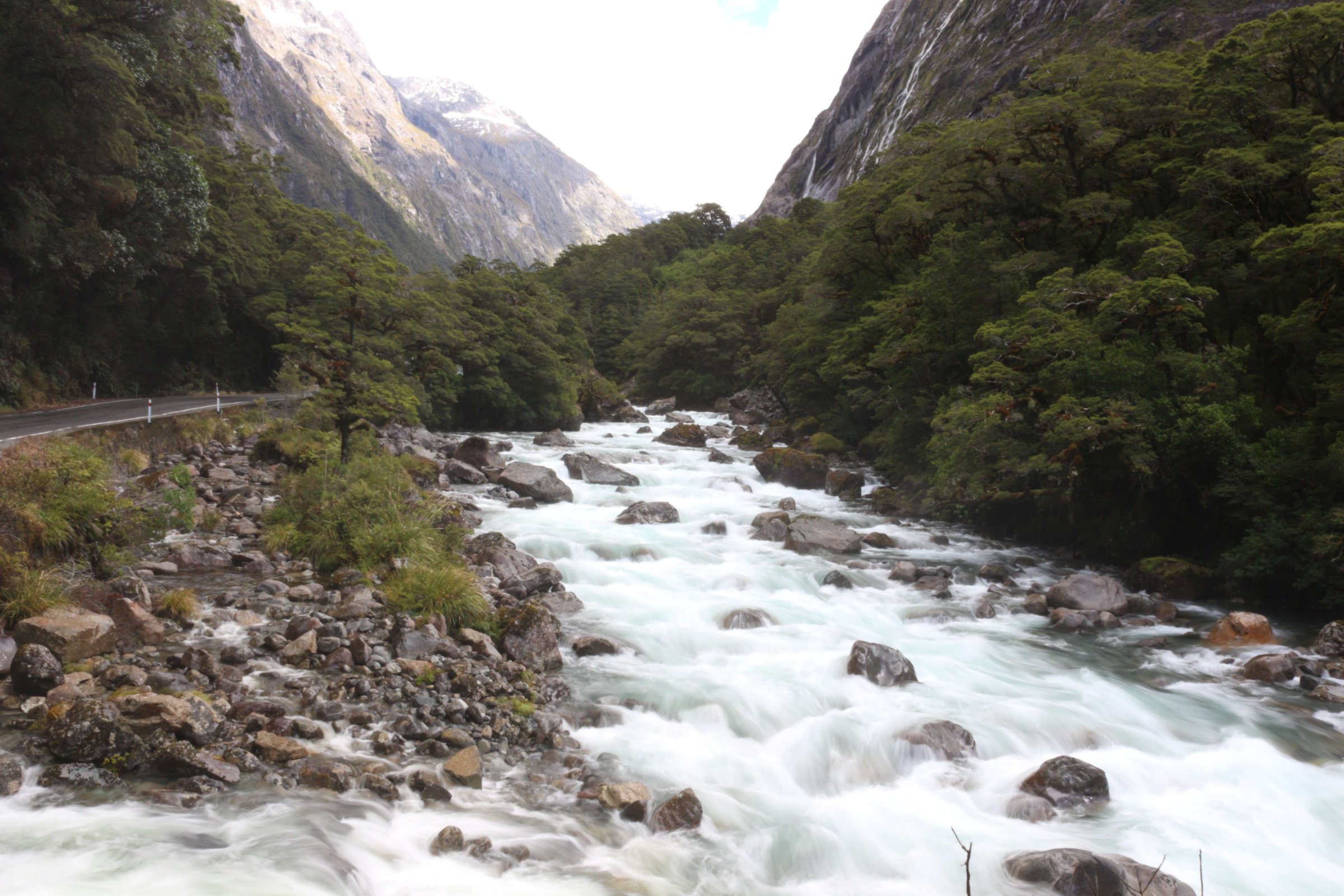
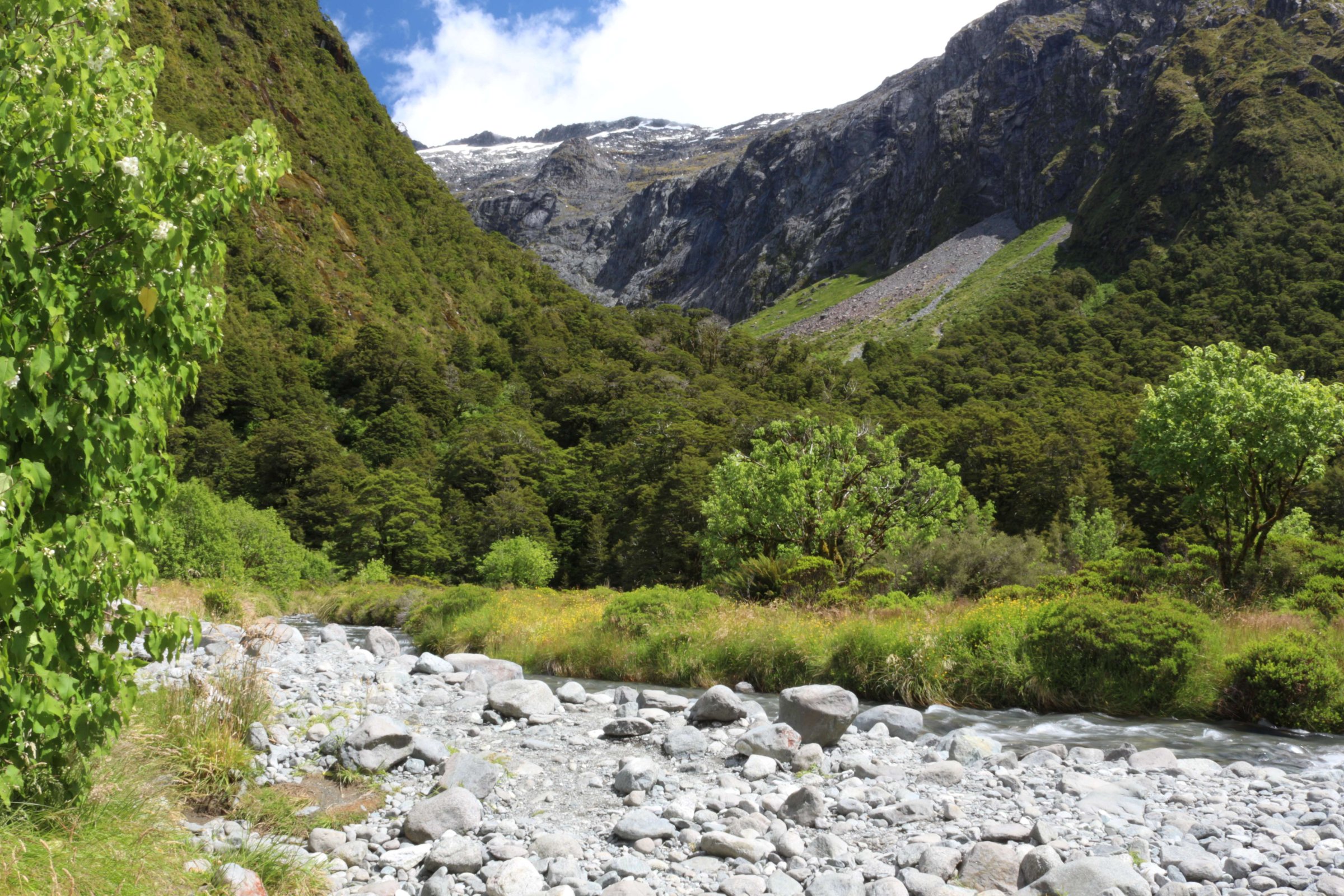
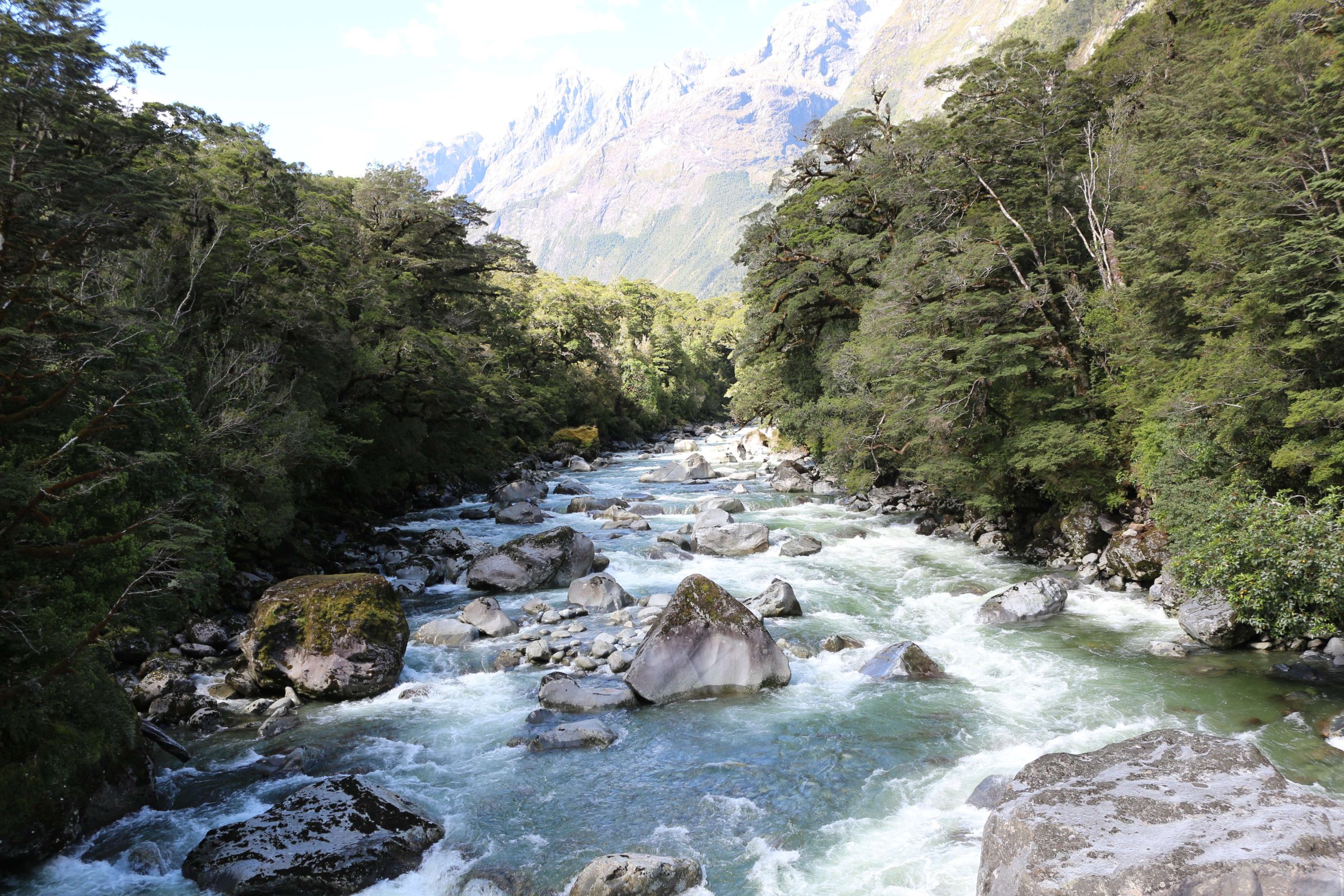
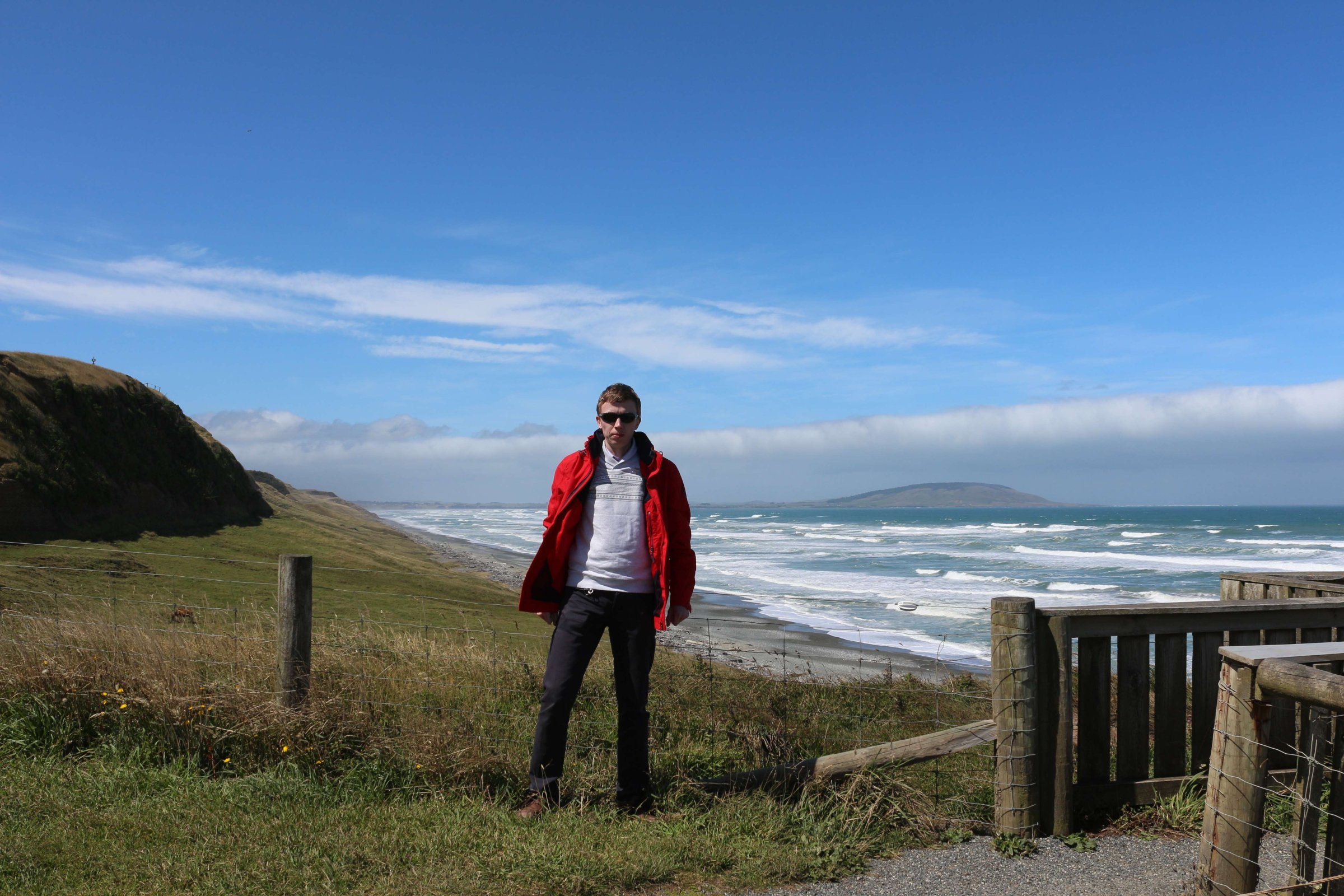
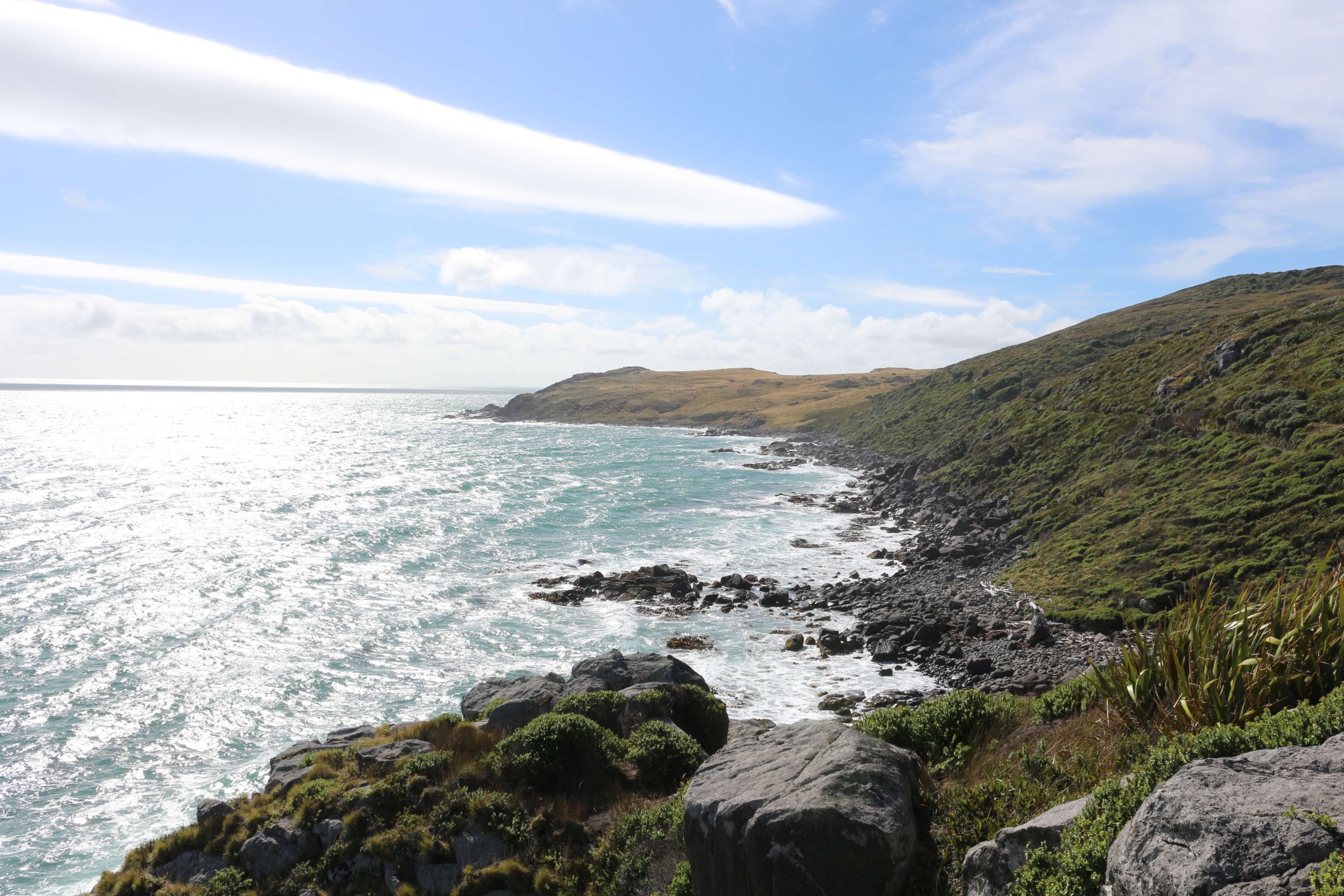
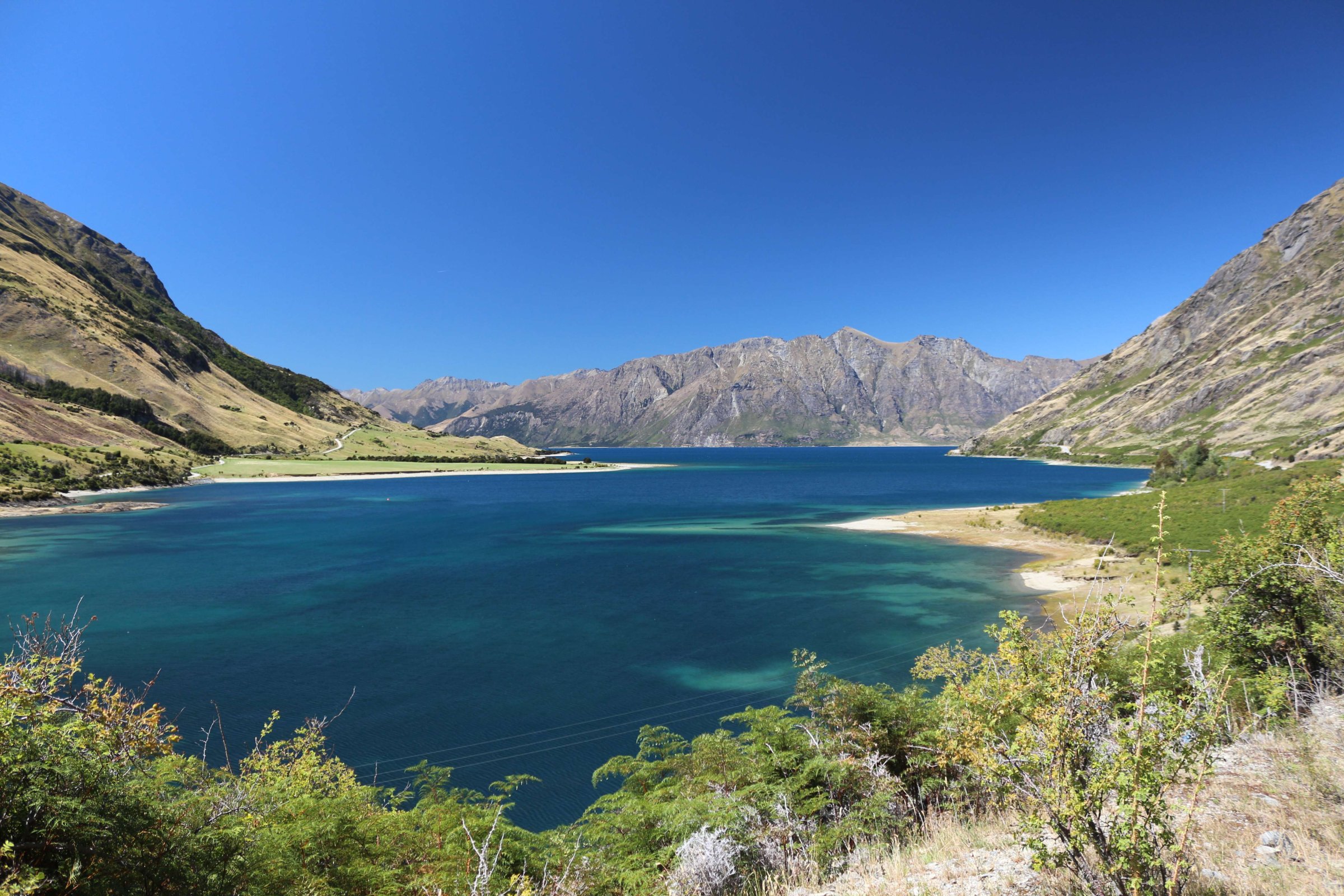
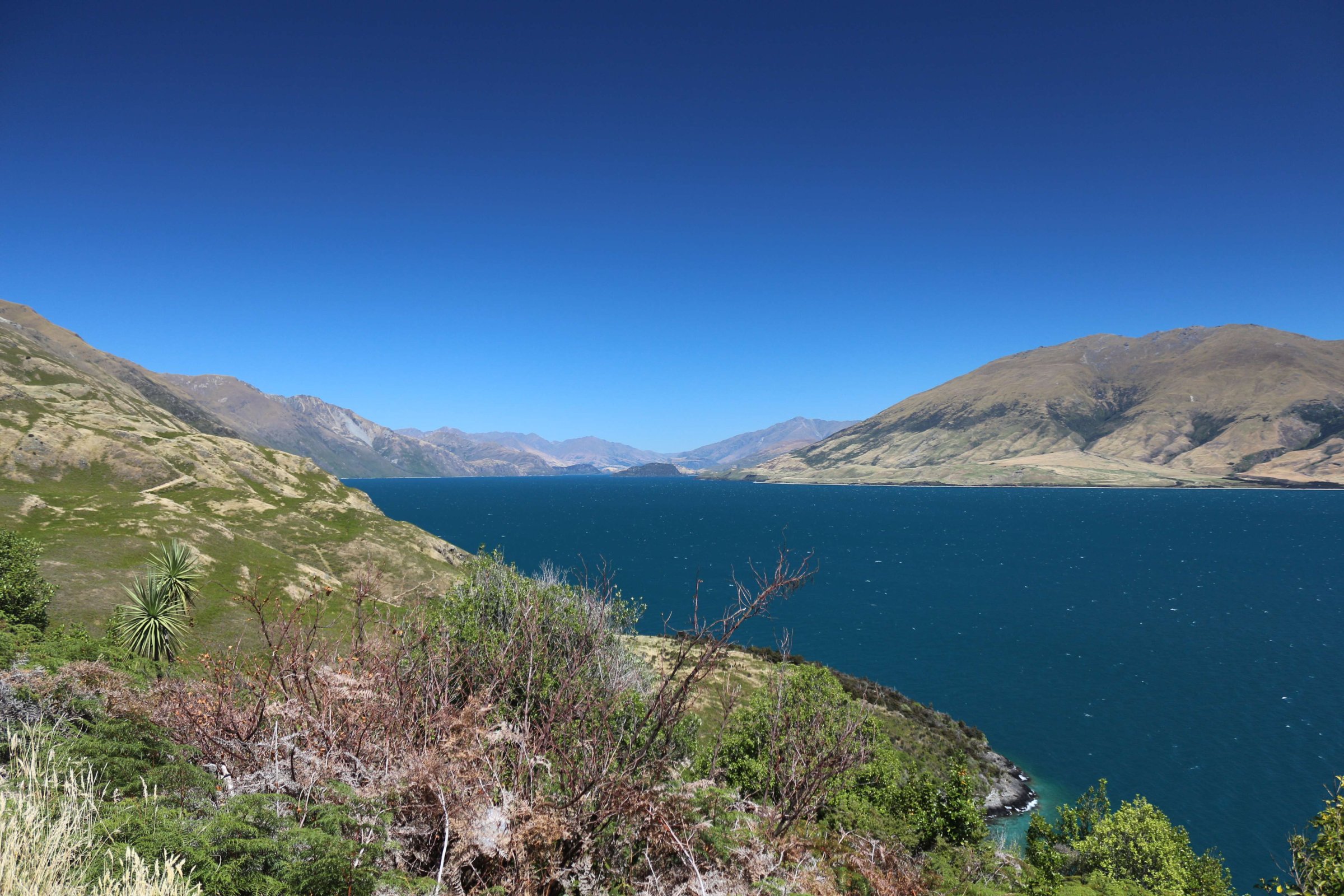
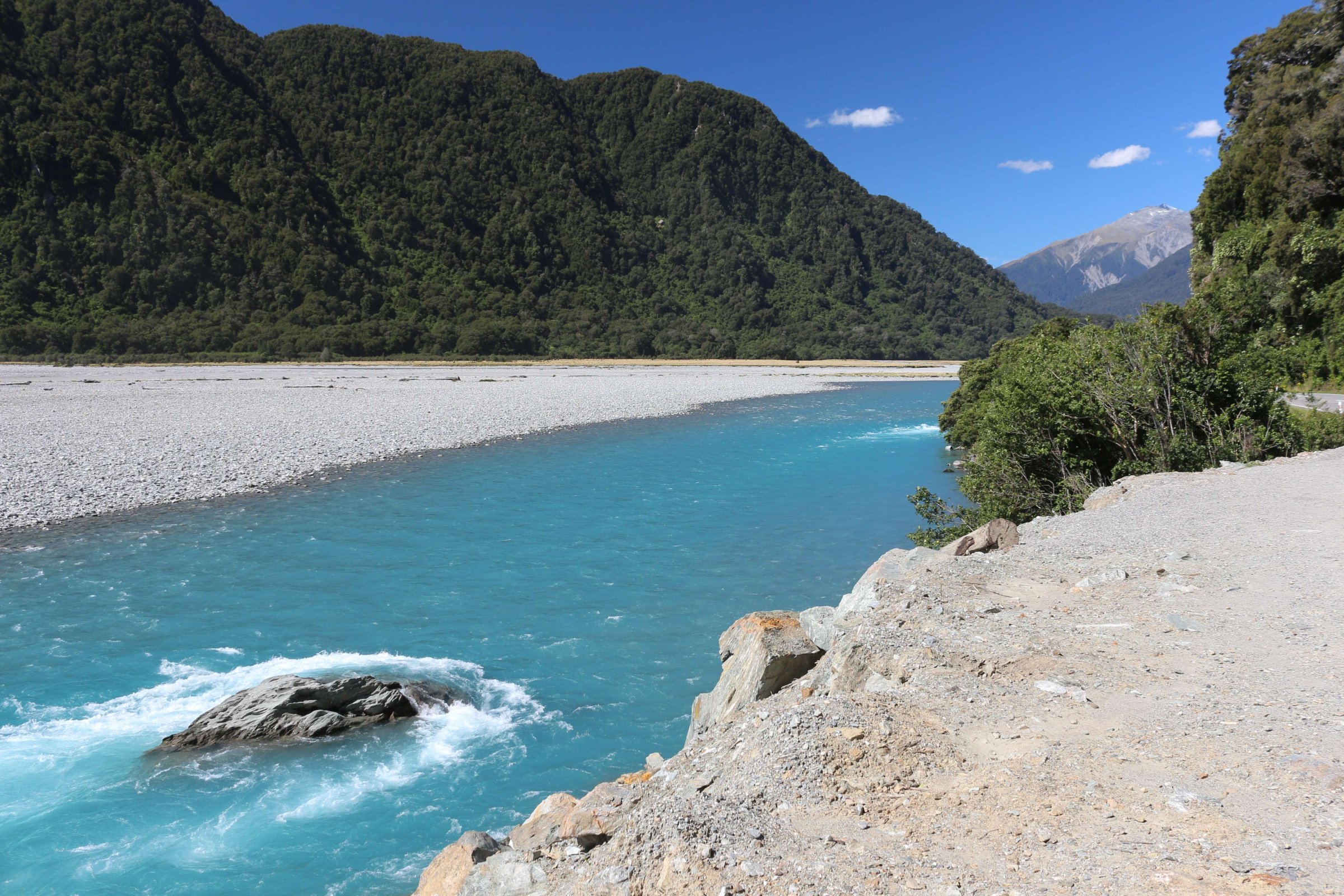
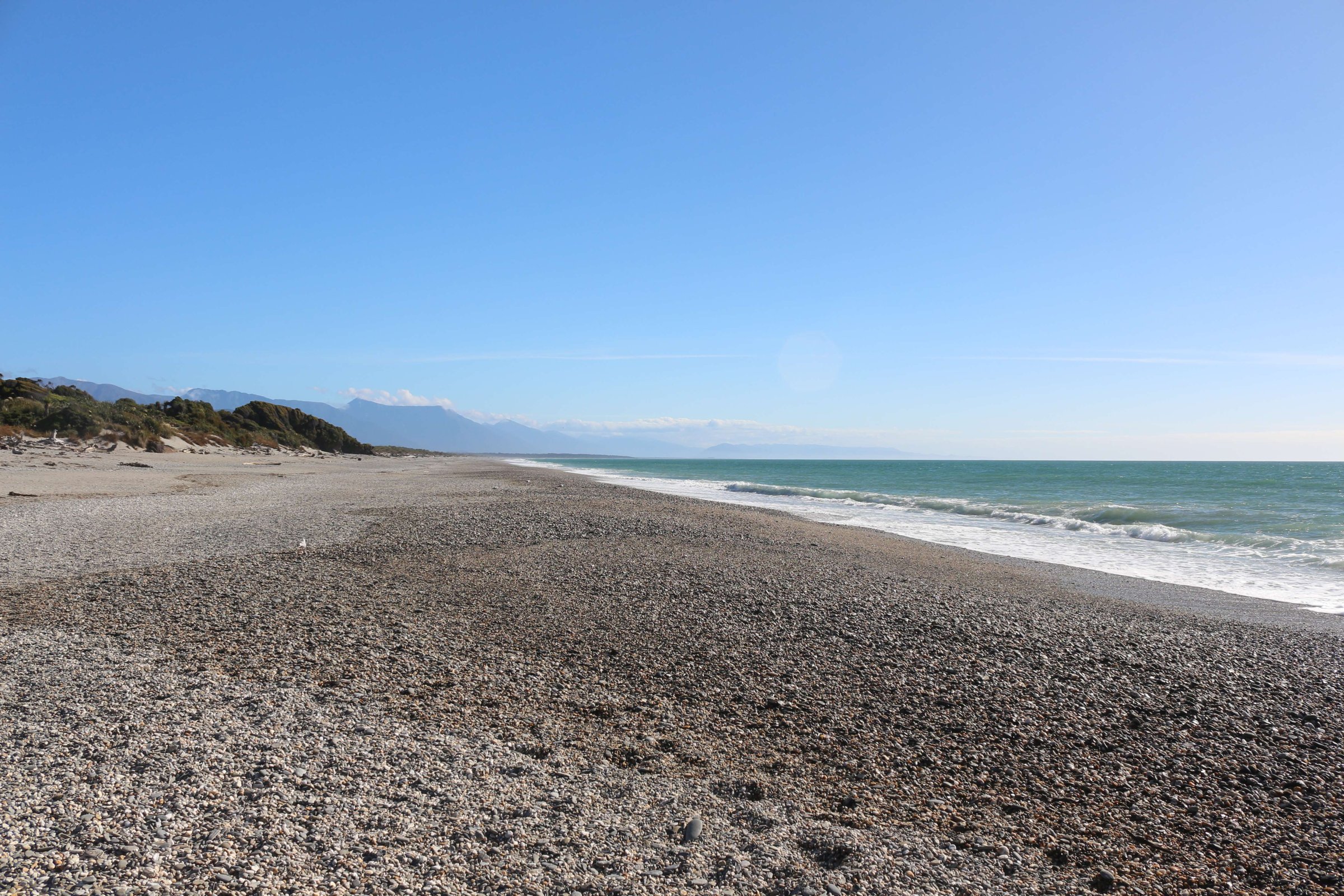
I write this blog primarily for myself because I want to preserve descriptions of my travels somewhere, but I hope these notes will be useful to you as well. If you have questions or suggestions, leave them in the comments.
So, at the beginning of October, I started thinking about a trip to New Zealand. I wanted to go there for several reasons:
- A civilized country with friendly, law-abiding people.
- You can spend part of the Russian winter in a warm climate.
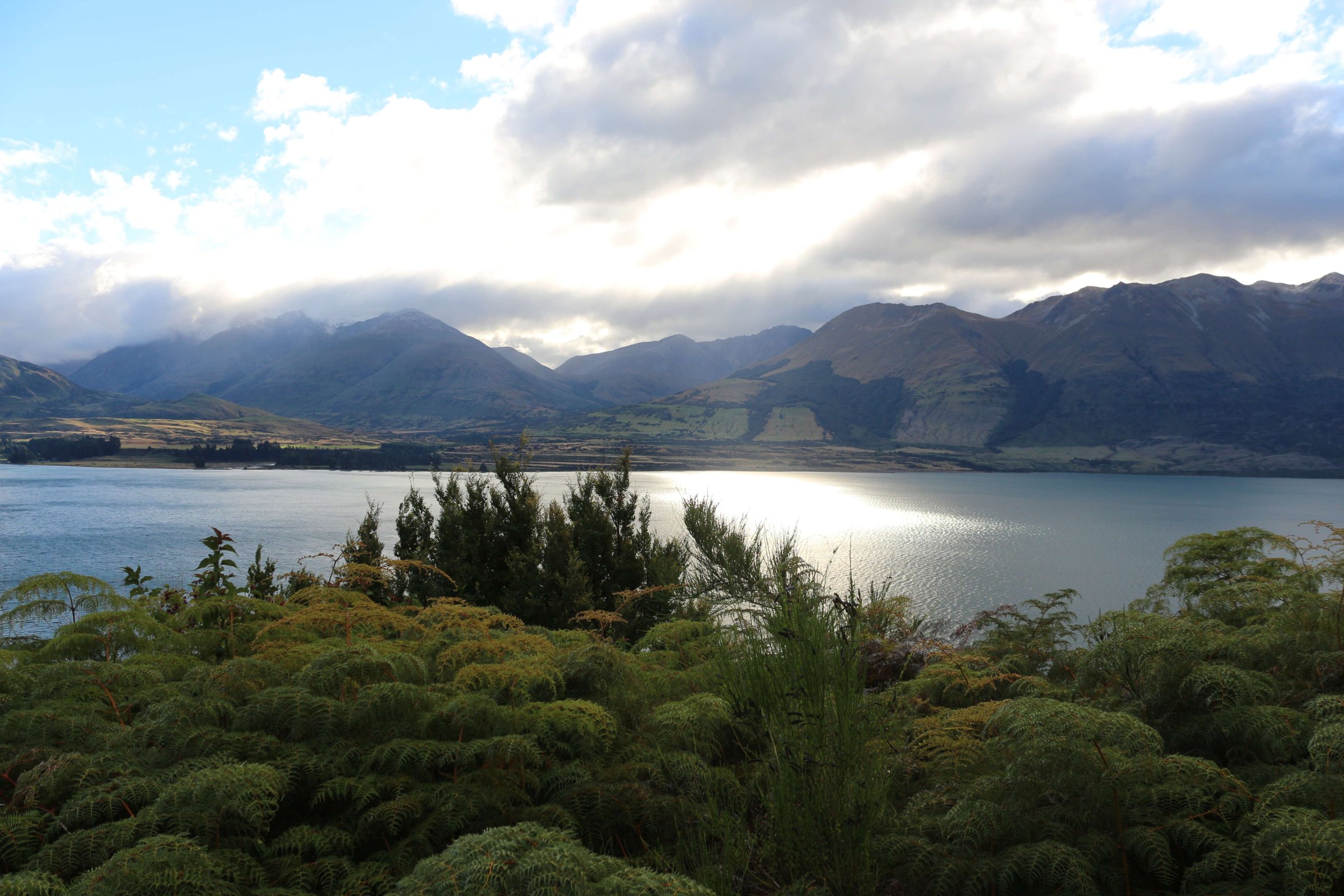
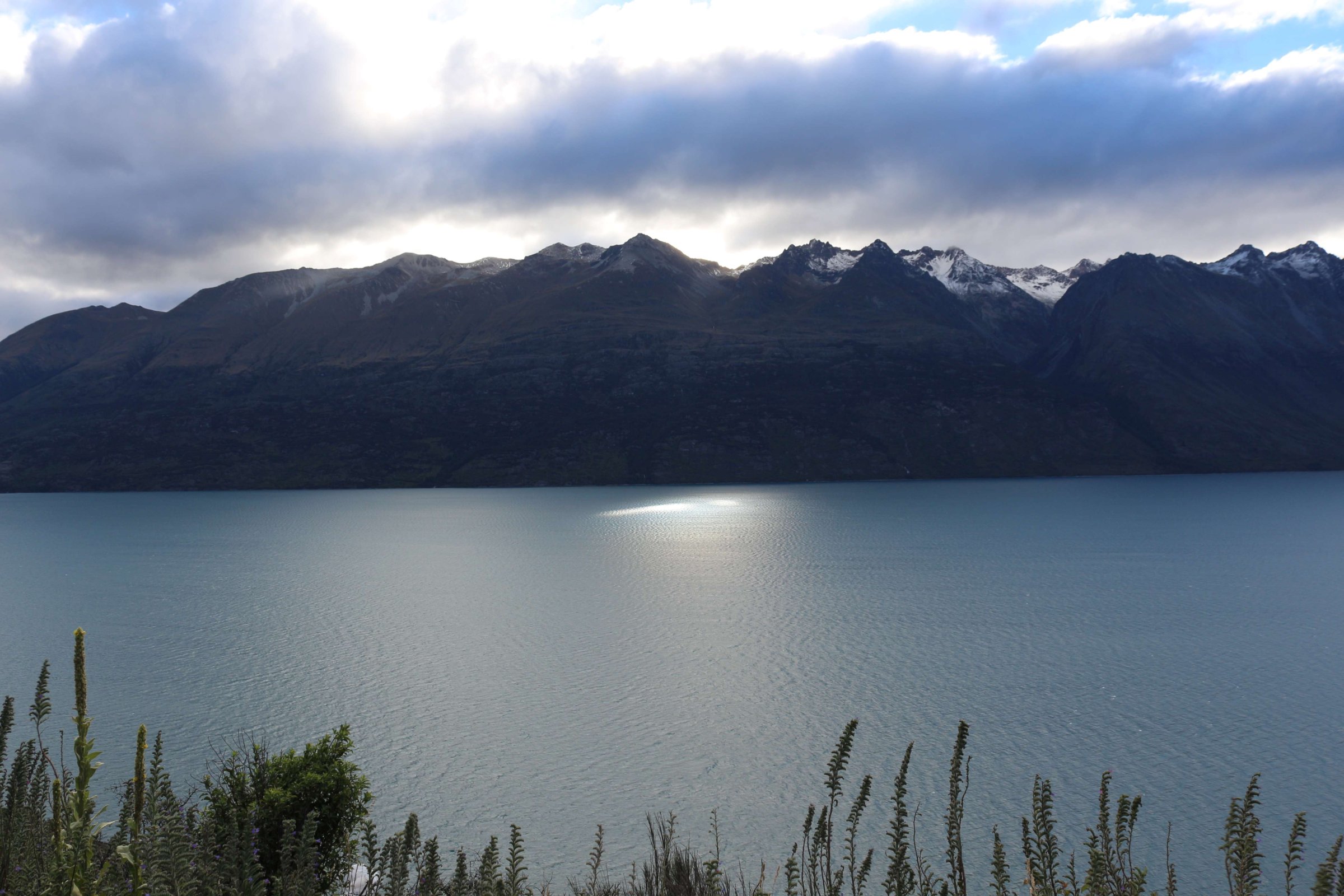
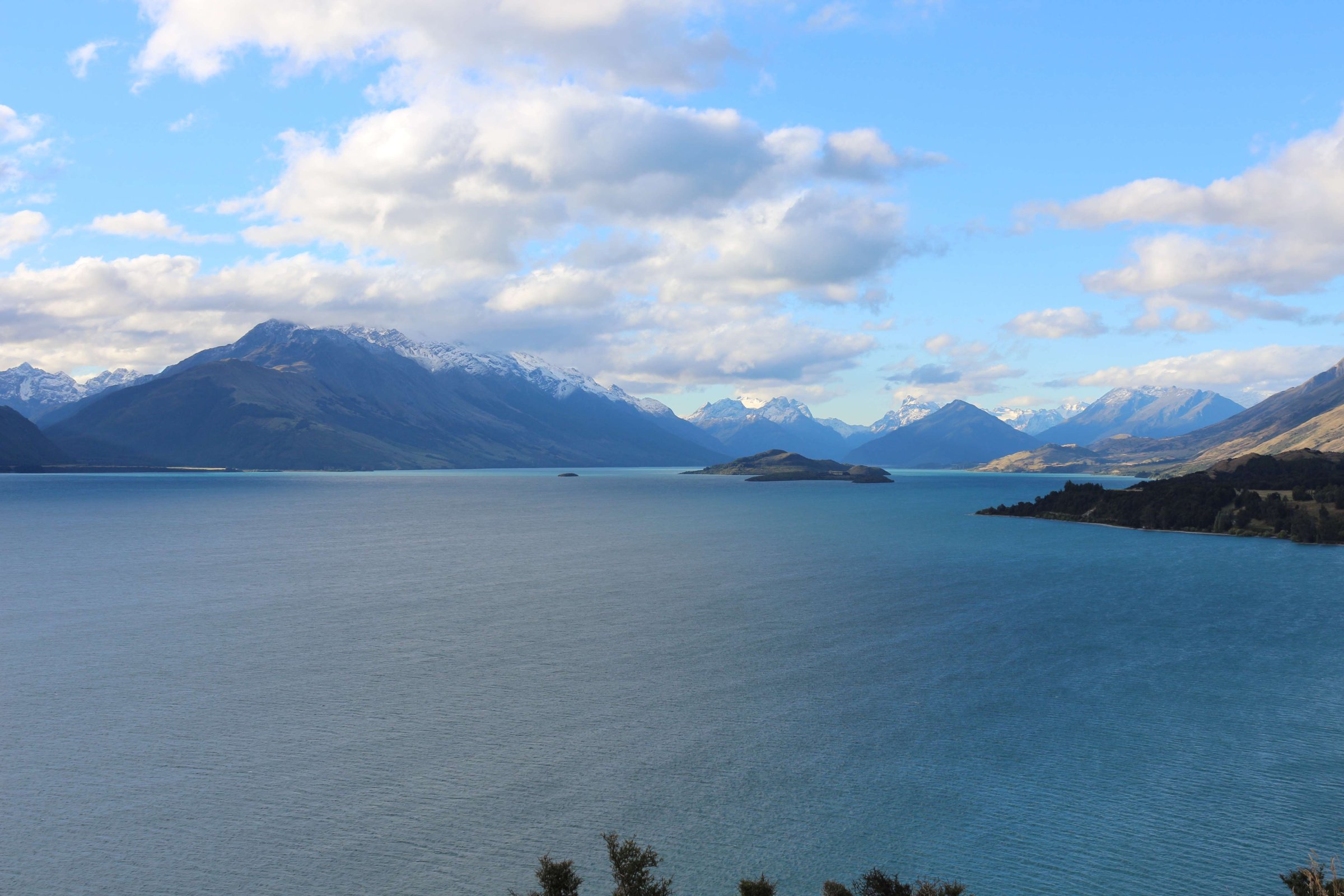
- The country is said to be as beautiful as Switzerland, which I had visited before.
- It is convenient to travel around by car.
The only real downside was the very long flight: about 29 hours. I flew with Emirates from Moscow (Domodedovo) to Christchurch. There were two flights, EK132 and EK418, and the second one was split into three legs. The plane landed in Bangkok and Sydney, and every time we had to leave the plane and go through checks for hand luggage and belongings, but those transfers at least gave some chance to stretch during such a long journey. The flight times were about 6 hours from Moscow to Dubai, 7 from Dubai to Bangkok, 9 from Bangkok to Sydney, and 3 from Sydney to Christchurch. You get used to that rhythm surprisingly quickly, and for a while it even starts to feel as if you have long been living in that cycle: boarding, takeoff, meals, films and music from the device built into the seat in front of you,
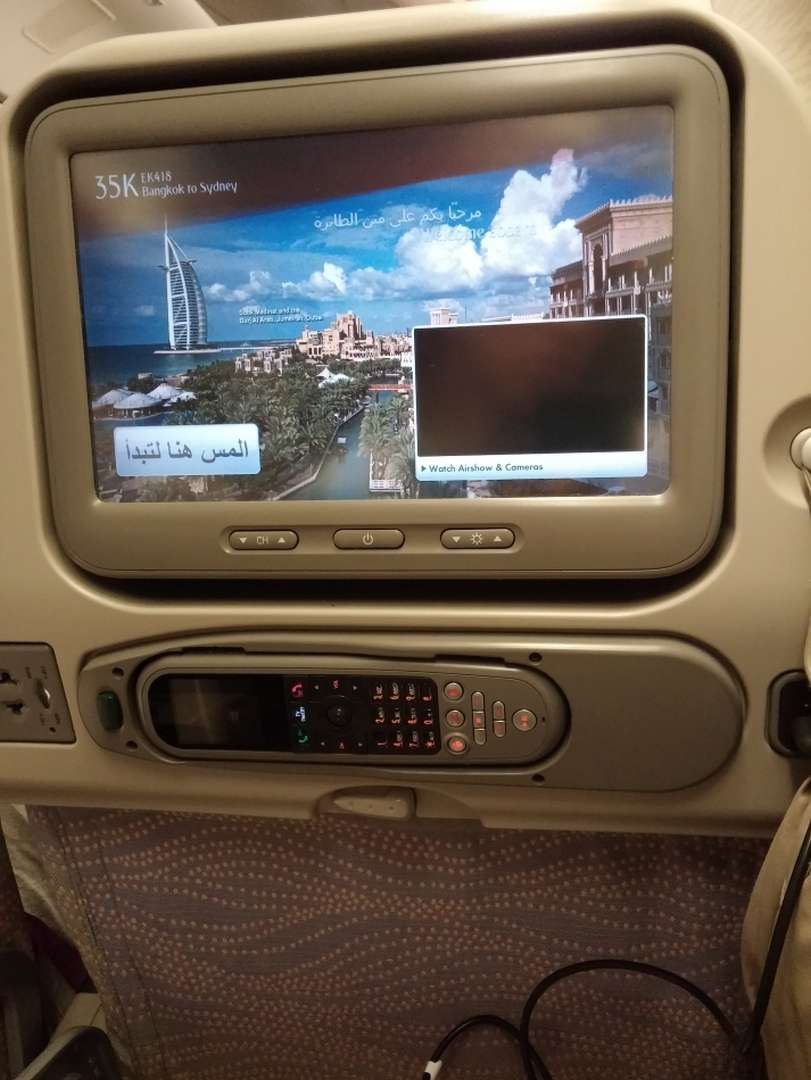
landing, figuring out where to go in the airport, security checks, waiting to board again, takeoff, and then all of it once more. After 29 hours of that, I had almost forgotten I had ever been in snowy Moscow. It felt so long ago, though in reality just a bit more than a day had passed. On the way back, I finally figured out how to get in-flight internet access for one dollar. When I flew to New Zealand, I could not catch the access point at all, but on the way back I could. Most likely that was because on the return trip I was in row 25, closer to business class, where the router probably was, whereas on the way out I had row 35 and there was no access point within range.
Still, let us go in order.
Visa
This part was simple enough. I went to the website, downloaded the form, gathered all the required documents, filled out the application, went to the embassy, and submitted everything there. I arranged the return of my passport through a courier service. Since I live 120 km from Moscow, that was much more practical: the courier cost was roughly the same as a round-trip ticket to Moscow, plus it saved time. The required documents were a letter from work, a bank statement proving you have money, a completed tourist visa application form 1189, hotel reservations, and, most inconveniently, reserved or purchased flight tickets. I could not figure out how to reserve tickets without buying them, so I had to buy them. They also asked for hotel reservations for the whole stay in New Zealand, but by then I had not finished working out my route, so I booked a Christchurch hotel only for the first and last days of the trip. The tourist visa itself was issued free of charge. After getting the New Zealand visa, if you fly through Australia, you also need an Australian transit visa. That part is easier, because the Australian transit visa is not placed into your passport. You only send copies of documents to the embassy by mail, and if approved, the visa is sent by email. You print it out and keep it with you just in case. Sending the documents even via Russian Post is not scary, though delivery can take a while. I started planning everything well in advance, so that delay did not bother me. I tracked the shipment through the Russian Post website. It moved around their branches in a rather strange way, with statuses like "recipient departed" or "failed delivery attempt," but in the end everything arrived. The application and list of documents for the Australian transit visa can be found here.
Transport
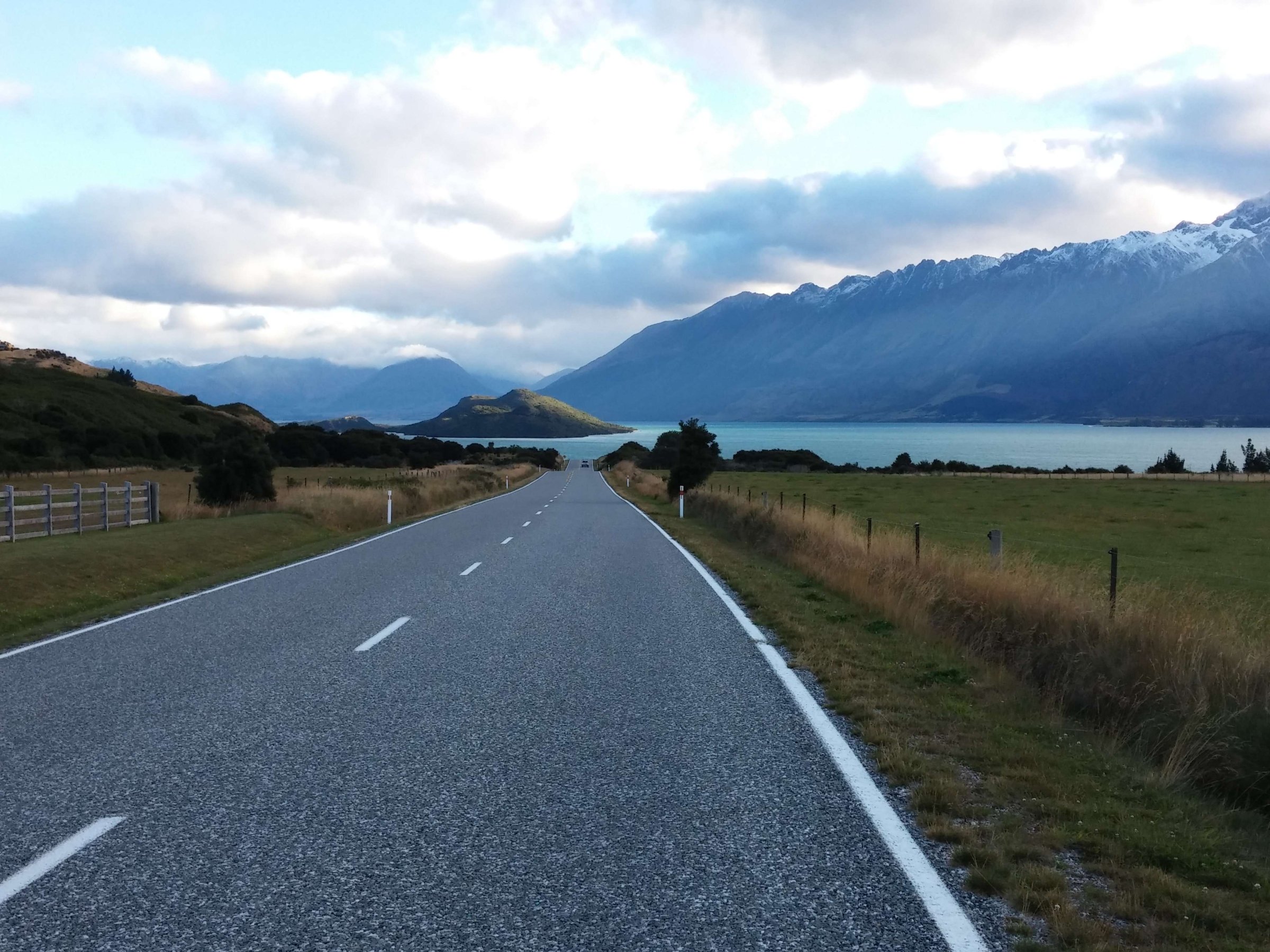
After getting both visa approvals, I started working on the route. Air travel is well developed in New Zealand, but it is expensive. The railway network, on the other hand, is sparse, so the only truly good way to travel is by rental car. A decent small car for two weeks can cost about the same as two one-day tours. With a car, you are tied to no one: you fill up and drive.
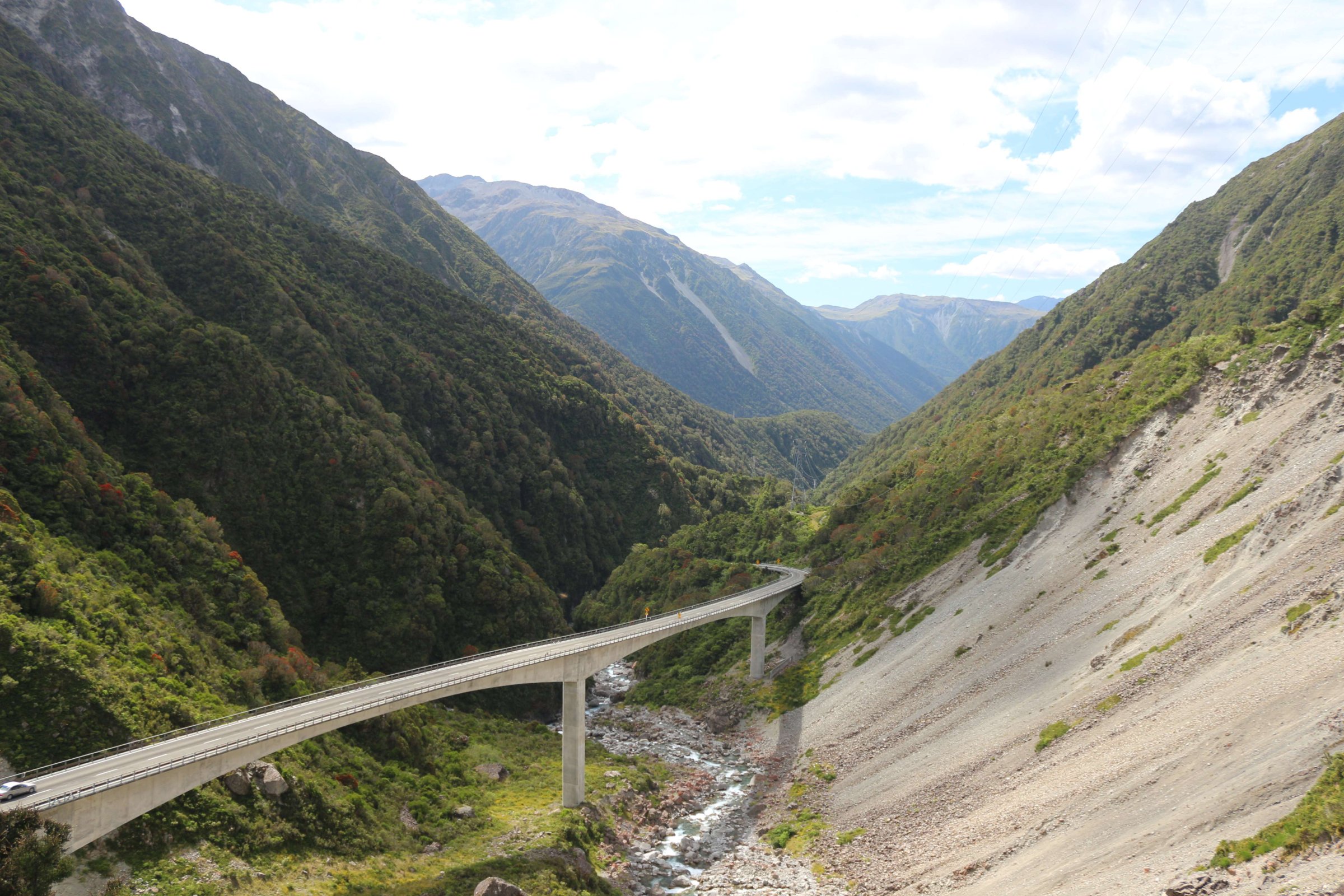
I booked the car on this website. It is simple: choose a car, book it, and pay 10% of the reservation cost. On site, you pay the full remaining amount, they hand you the keys, show you the car, and you can leave. When returning it, you give them the keys and that is it. They do not even check whether the tank is full or whether there are any new scratches. Perhaps I got that treatment because I had full insurance. The initial price shown on the site is for the minimum insurance. Full insurance costs roughly twice as much per day, but it is still worth it. In general, driving in New Zealand is not dangerous. Drivers are polite, and the roads are good. The only problematic roads I saw were in Christchurch, probably because they had suffered after the 2011 earthquake. Elsewhere you do not see potholes or cracks in the asphalt. Places where stones roll down from the mountains may be patched, but you do not really feel the edges of those repairs.
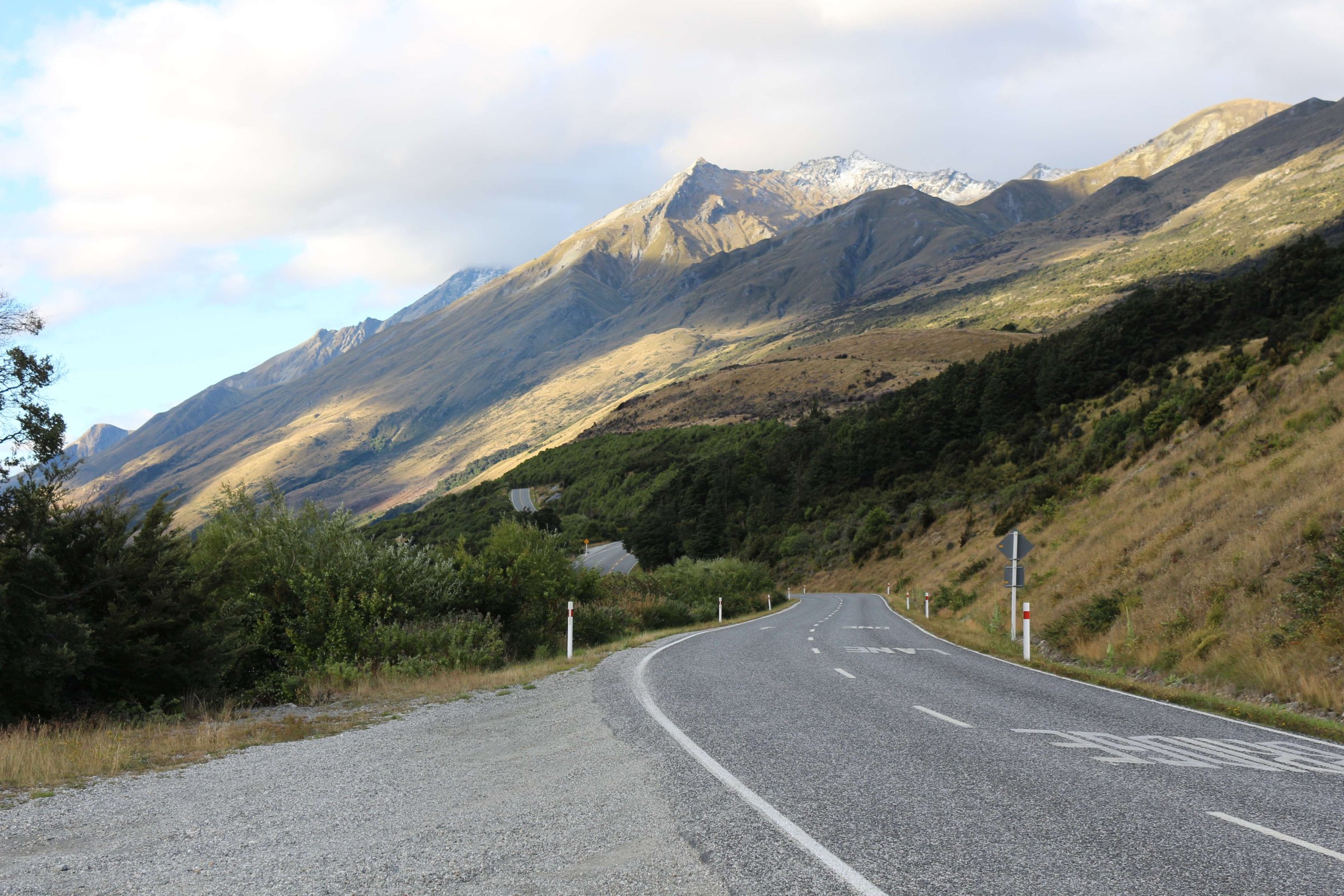
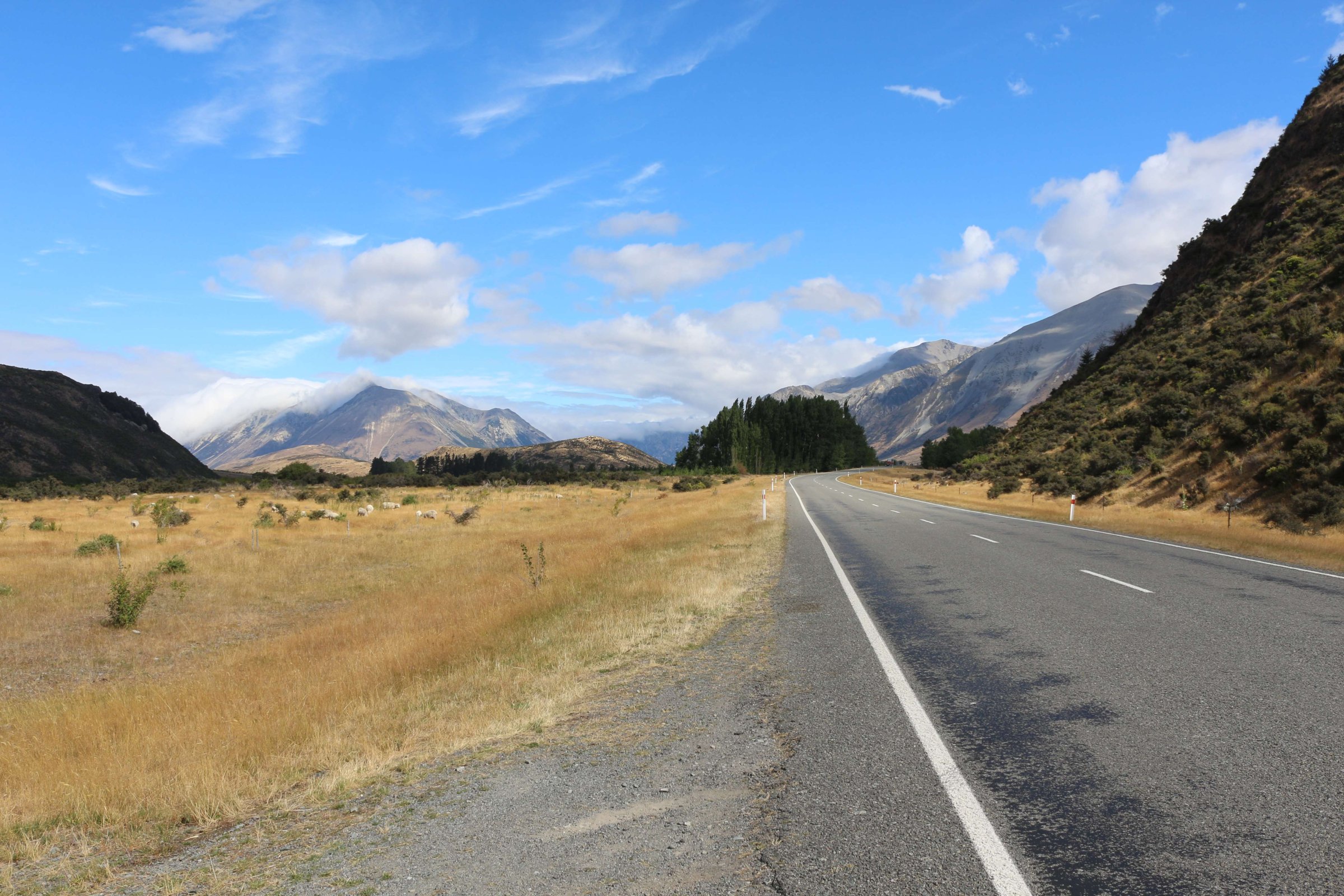
There are two main difficulties when driving there: the right-hand-drive car, which takes two or three days to get used to, and the winding roads. But before every sharp bend there is a sign showing the recommended speed, and it is actually very convenient to choose your pace based on those signs, sometimes exceeding it slightly by feel. On most roads, the center markings are accompanied by small raised bumps so the driver can physically feel when drifting into the oncoming lane. Less often, but still quite commonly, the shoulder line is painted in a thick broken pattern so that driving over it is immediately noticeable.
The speed limit outside towns is generally no more than 100 km/h, and in towns it is mostly 50. Some drivers do speed on rural roads. I never saw any speed cameras or police there, and in towns I only saw police three or four times. Nobody ever stopped me.
Traffic in New Zealand is light. I did not sit in a traffic jam even once. Outside towns, the number of oncoming and same-direction cars drops sharply.
Fuel is expensive. Filling the tank cost me about 65 New Zealand dollars. At the time of the trip, one New Zealand dollar was worth 51 Russian rubles, and I could drive about 600 km on a full tank. The refueling process there is noticeably different from ours. You pull up to the pump, insert the nozzle into the tank, and press the handle. The fuel starts flowing, and either you stop it yourself when you decide you have enough, or the automatic shutoff clicks once the tank is full. Then you go inside and pay, telling the cashier your pump number.
Over the whole trip, I drove about 3,800 km, and the road never felt exhausting because even the long drives, the longest being 500 km in a day, were broken up with stops to look at and photograph beautiful scenery.
In general, if you travel through less populated areas in New Zealand, you can almost always park for free. In larger towns, though, you need to look for parking. That is what happened to me in Queenstown: I failed to find parking in time and missed the boat. So always look in advance for where you can leave your car. If a parking sign says `P15`, it means you may park there free of charge for no more than 15 minutes, after which you get fined.
Hotels
I booked hotels on http://www.booking.com/. Everything is convenient there: check-in and check-out times are listed, whether parking is included in the price, and so on. I planned things so that I had six hotels along my route. One of them was used twice, the Christchurch hotel, and I even had the exact same room there at the beginning and at the end of the trip.
I chose rooms with full amenities: a toilet and bathroom. Usually such hotels also came with a fridge, kettle, and cutlery, so you could prepare food yourself. That is exactly what I did: I bought groceries in supermarkets, made sandwiches for daytime drives, and filled a thermos with hot water from the electric kettle. I never ended up eating in cafeterias or cafes because waiting for food to be prepared would have taken too much time.
Entering the country
New Zealanders are very careful about preventing anything harmful from entering the country, so they provide information everywhere they can about what must not be brought in. Mostly it is food and sports equipment that may still have traces of soil or plant matter on it. At Christchurch airport, a woman at customs asked me about the purpose of my visit, where I would be staying, and how I would be traveling. After that, when I collected my luggage, another customs officer asked whether I had anything prohibited in my bags, such as used outdoor gear or food, and specifically asked about honey. On the flight from Australia to New Zealand, we were also given forms on the plane that had to be handed over at customs. Those forms ask about the purpose of your visit, illnesses, restricted items, medication, and food. I carried essential medicines and brand-new travel gear in my suitcase, so none of it needed to be declared. In the end, I was not inspected very thoroughly.
Internet and mobile service
All hotels have Wi-Fi, though in some places you have to pay extra for it. You can usually find that information on Booking if you reserve there. Sometimes internet was technically paid, but I was given a small free traffic quota. When I arrived in Christchurch, I also bought a local traveler SIM card for 50 New Zealand dollars with 2 GB of data, free incoming calls, and some kind of free allowance for outgoing calls within New Zealand and a few other countries, though not Russia. Before the trip, I had found a better and cheaper tariff on the Vodafone website, but I could not figure out where to buy that SIM card, so I ended up taking whatever was available at the airport.
Language
New Zealand is an English-speaking country. You can travel there even with a very limited set of English words. If needed, you can always explain yourself with gestures. My spoken English is far from perfect, but in practice it was enough for me to communicate with people on various topics.
Preparing for the trip
The best way to get ready is to start making a packing list two or three months in advance. One practical tip: bring a power adapter. Their outlets are of a different type, with flat prongs angled toward each other at 45 degrees. You can buy such an adapter in Russia as well. I bought a universal one for different countries for 80 rubles. You can buy one locally too, but it will cost about three times more.
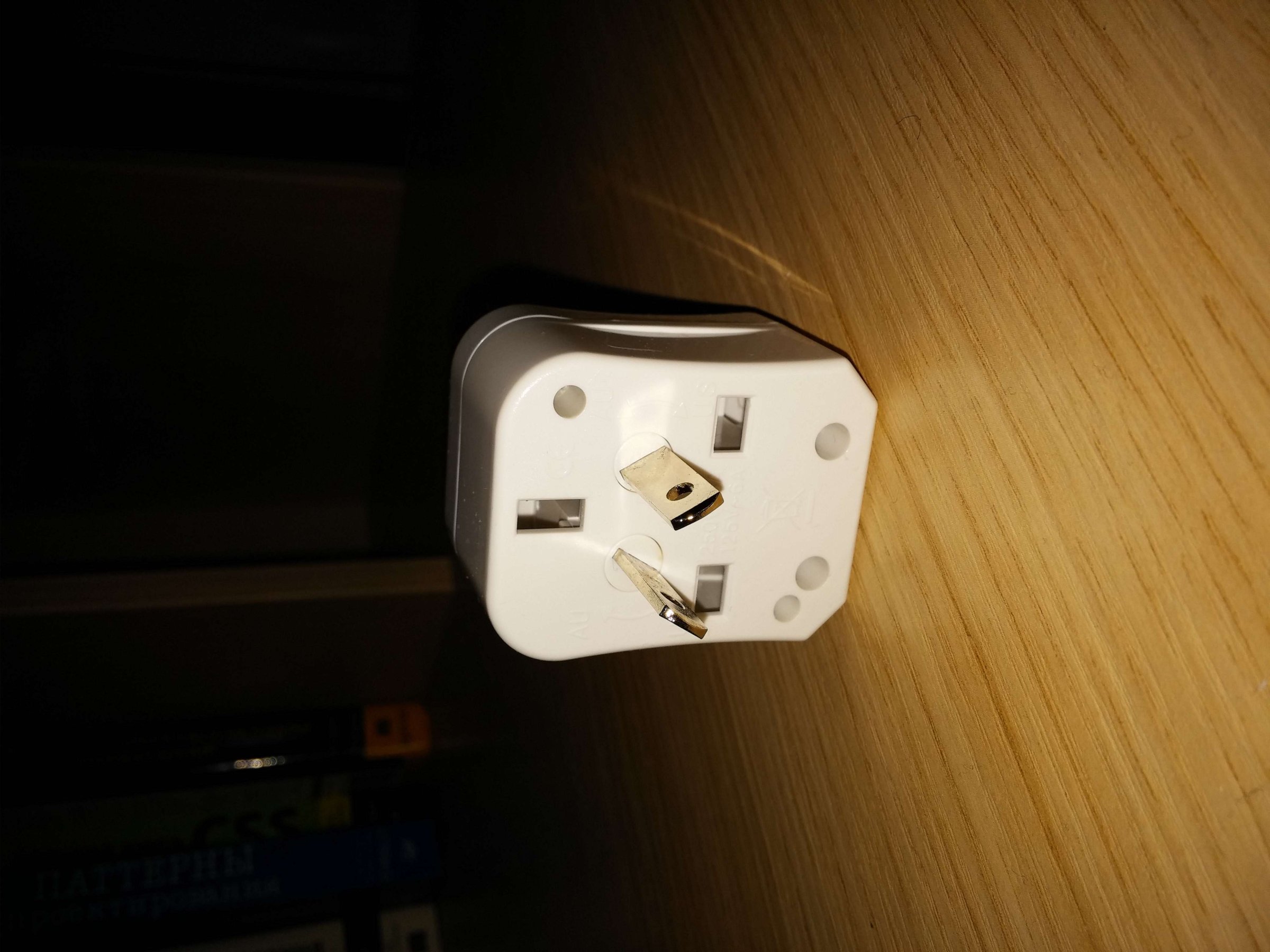
Also, take an extension cord with 4 to 8 sockets and plug it into that adapter so you can charge all your devices at once. It will save you time.
When planning the trip, keep in mind that earthquakes are common in New Zealand, and a road you intend to use may suddenly be blocked by fallen rocks after a landslide. I was lucky and did not run into such situations, though I drove through several places where that had apparently happened quite recently.
Get a good mobile app for weather information. I used this one, and no, this is not sponsored. I cannot say the weather in New Zealand felt extremely changeable to me, but knowing the forecast one or two days ahead is still very useful. Sometimes it can help you plan a detour to a place with better conditions.
Bring everything you might need with you, because buying it on site will almost always be much more expensive.
When planning the route, use not only regular maps but also 3D maps. They help you understand the terrain and your actual options. Read reports from other travelers to New Zealand. These are some of the ones I used:
- http://zyalt.livejournal.com/1247232.html?utm_source=ljpost&utm_medium=teaser&utm_campaign=teaser
- http://forum.awd.ru/viewtopic.php?f=1193&t=124986&start=20
- http://www.otzyv.ru/read.php?id=149803
- http://www.rentalcars.com/ to compare rental car prices.
- http://cityclass.ru/krylov_new_zealand/ even Dmitry Krylov was gathering a group for a trip here, though it was not clear in which year it would happen or had happened.
- http://silvar.livejournal.com/192934.html
- http://dimabalakirev.livejournal.com/145515.html
- http://xn--80adajdlkvoffvzof7j8bh.xn--p1ai/useful-info/main-questions
- http://forum.awd.ru/viewtopic.php?f=1193&t=184676
- http://tonkosti.ru/%D0%9D%D0%BE%D0%B2%D0%B0%D1%8F_%D0%97%D0%B5%D0%BB%D0%B0%D0%BD%D0%B4%D0%B8%D1%8F
- http://fancy-journal.com/puteshestviya/na-otdykh/3884-dostoprimechatelnosti-novoj-zelandii
- http://phlegmone.livejournal.com/123781.html
Money
In practice, you can pay by bank card almost everywhere, and that is usually the best approach, though it is still worth withdrawing some cash from an ATM. For example, once I boarded a two-hour cruise while hungry, and near the bar they had displayed beautiful pastries. I could not buy any because cards were not accepted there and I had no cash on me.
Many people are naturally interested in the total trip cost. That is always individual, but my breakdown looked like this:
- flight 72,000 RUB
- activities 67,000 RUB (1350 NZD)
- hotels 66,000 RUB (1300 NZD)
- car 40,000 RUB (800 NZD)
- fuel 23,000 RUB (450 NZD)
- food 8,500 RUB (300 NZD)
- parking 1,100 RUB (20 NZD)
Altogether, including various small expenses, it came to about 300,000 rubles, which was actually not bad given how much the ruble had fallen. Incidentally, the New Zealand dollar had also weakened, though not as much, and that helped me save a bit as well.
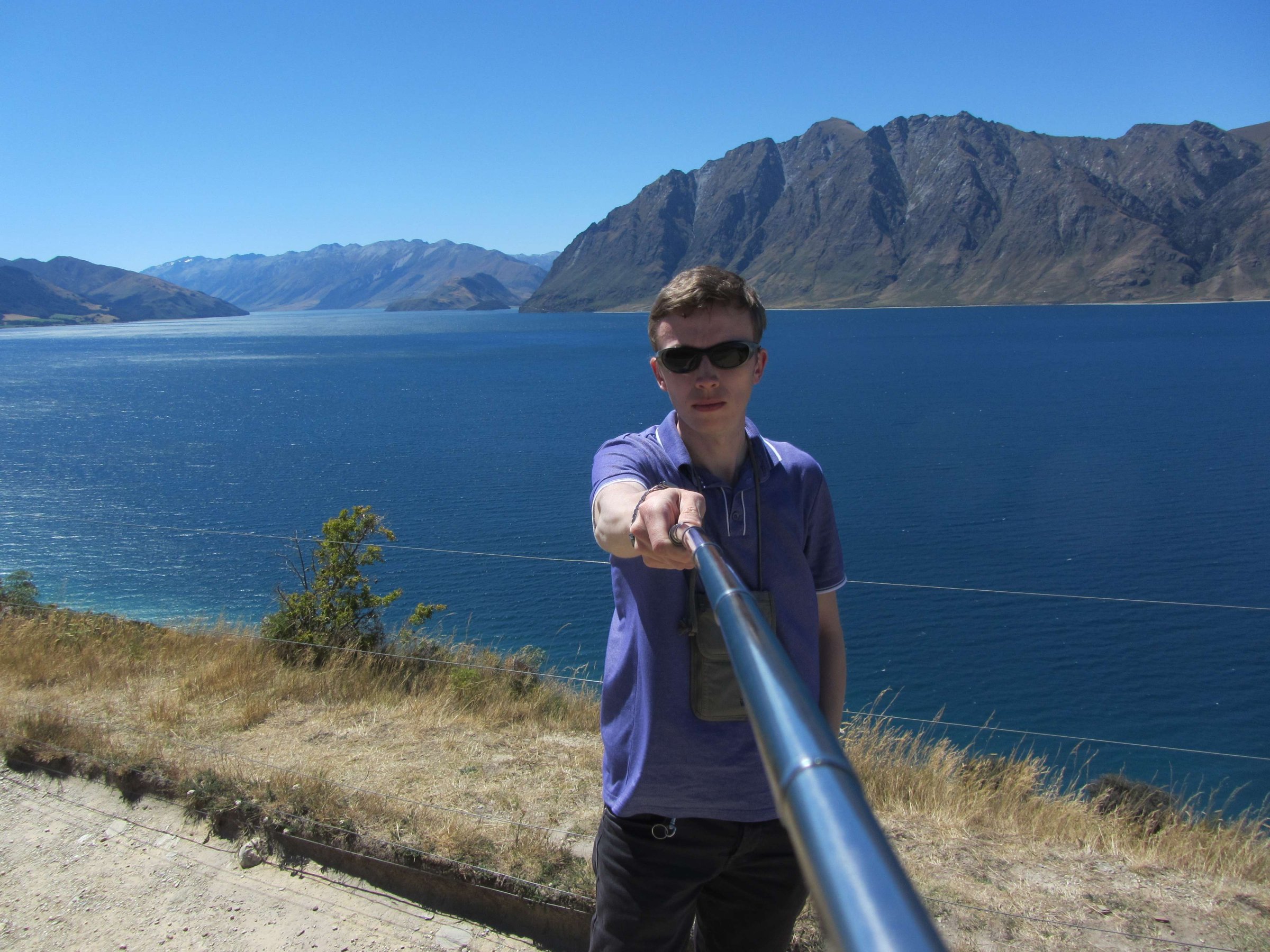
That is basically everything worth noting about the trip. One more thing: I traveled there alone. At first it felt a little unsettling to go that far by myself, but then I got used to it and even liked it. Everything has its pros and cons.
Next I will briefly tell you about each day I spent in New Zealand.