Dubna, Finland, Alta, Nordkapp, Birtavarre. Days 1 to 5
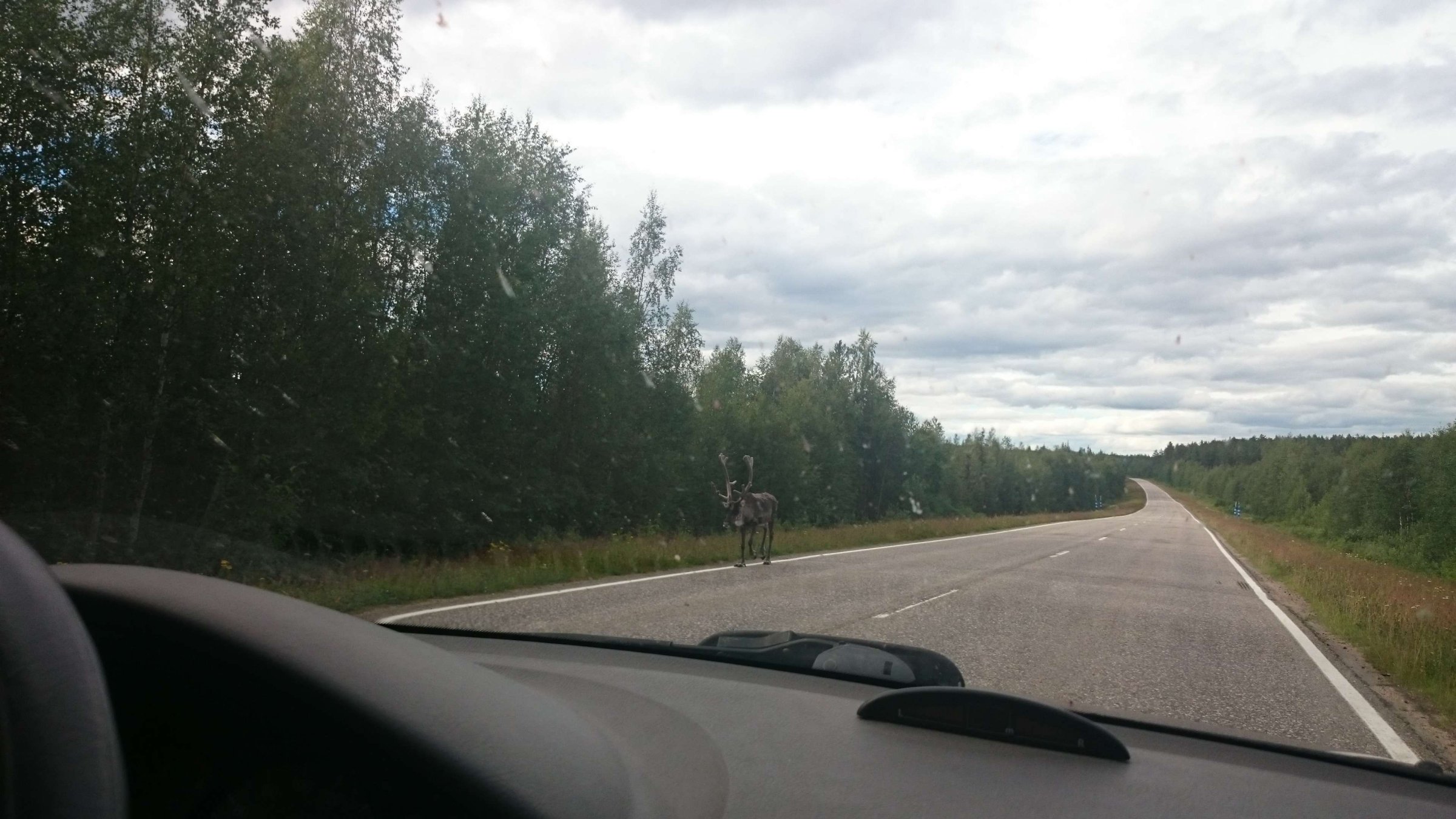
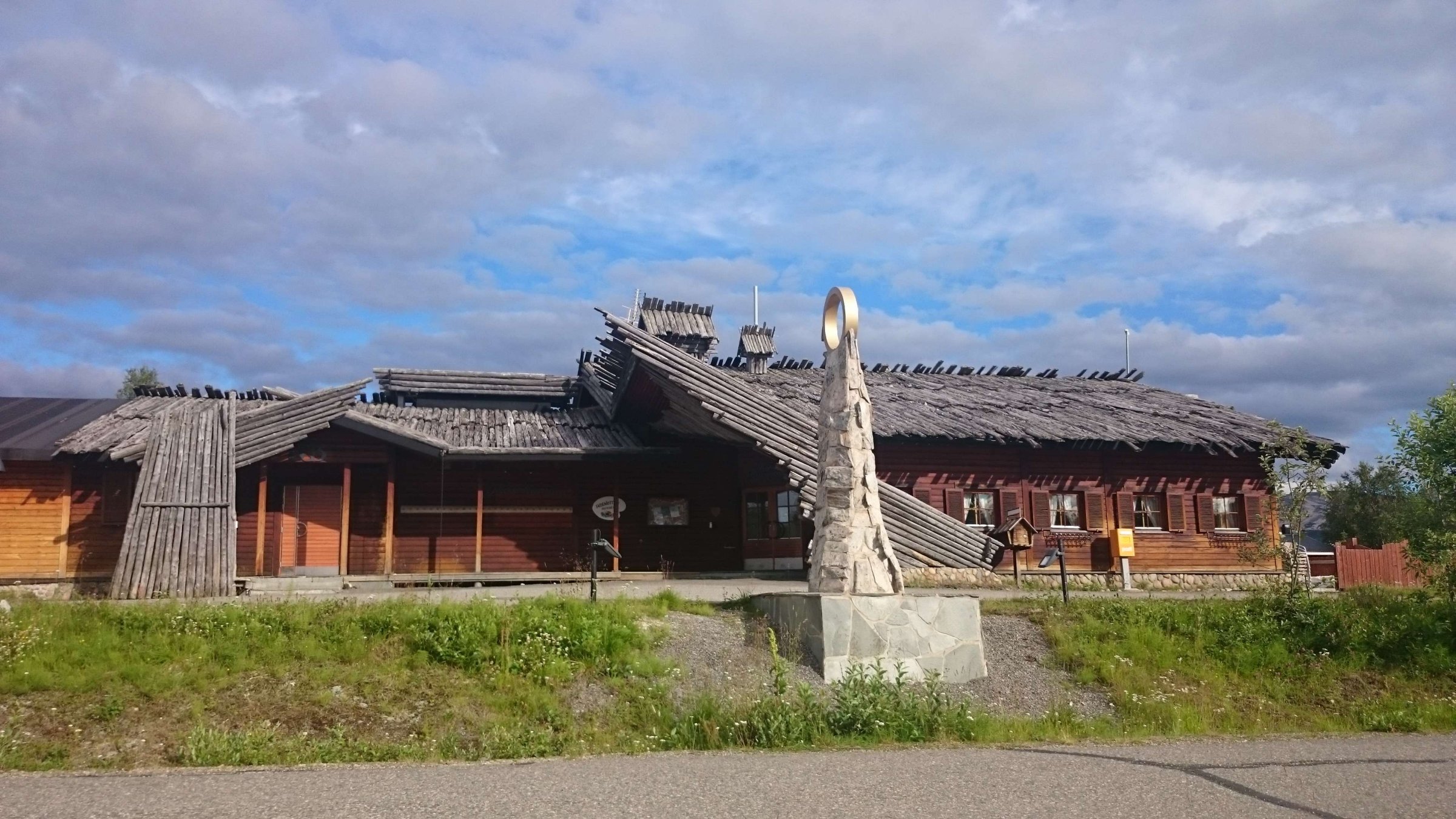
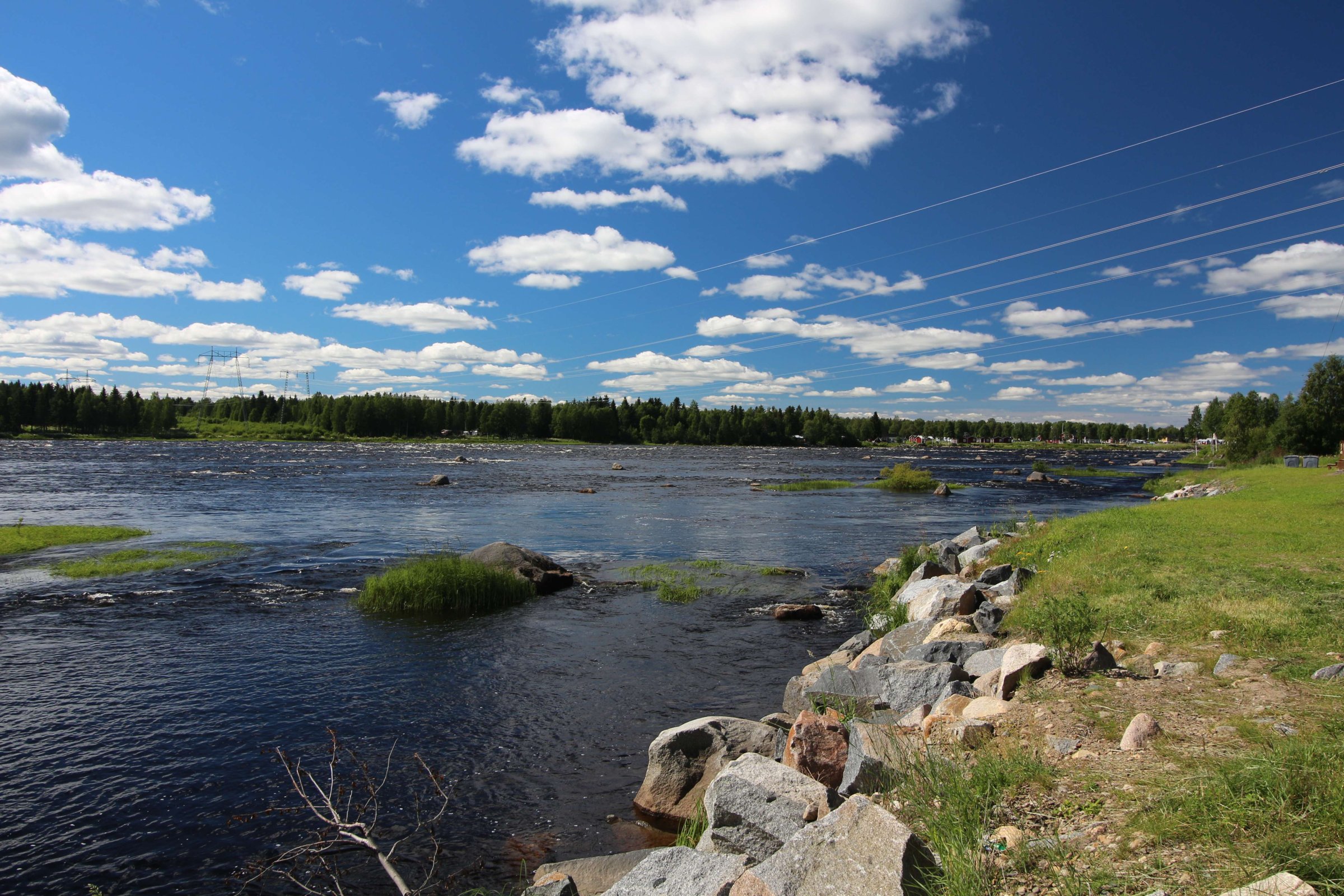
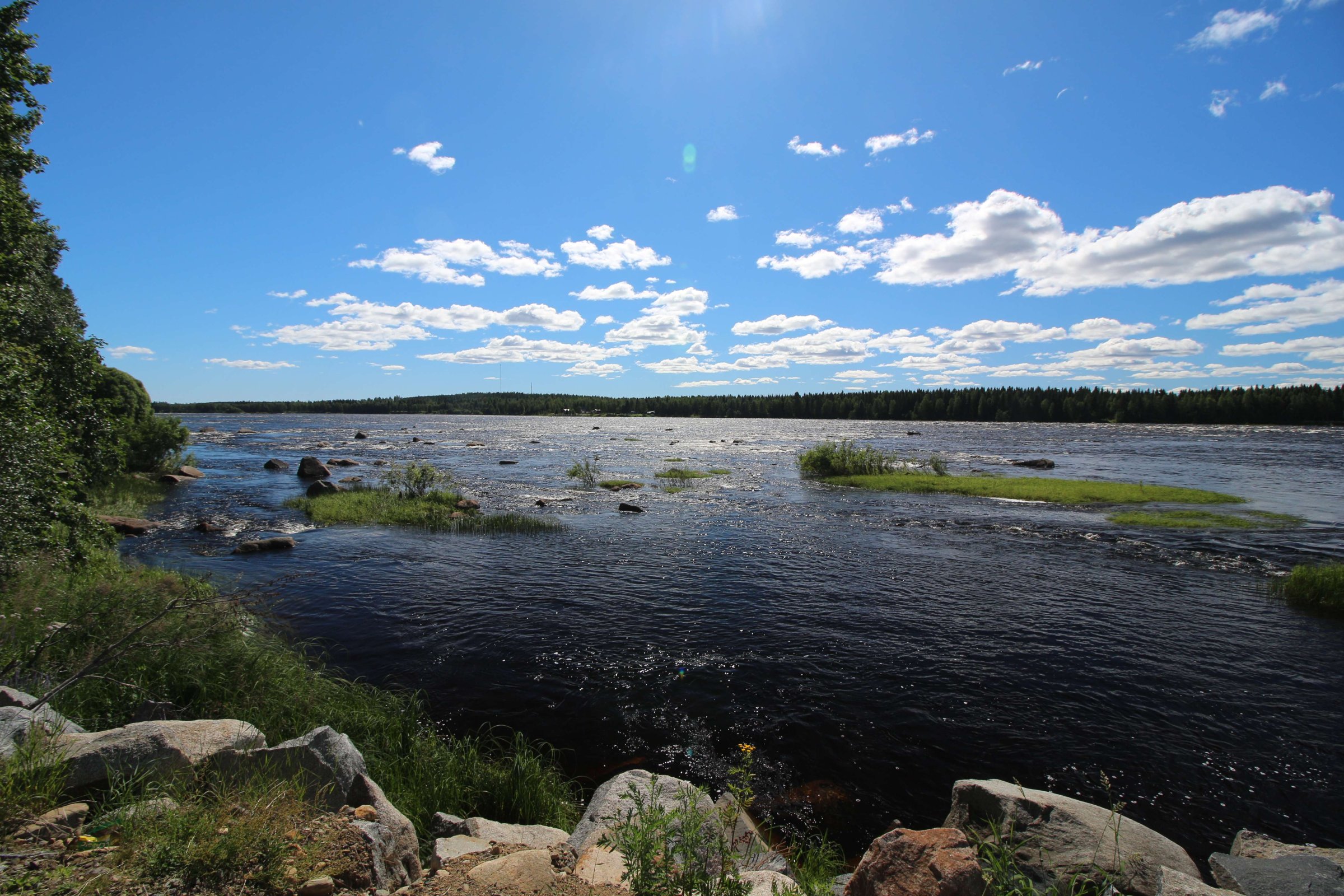
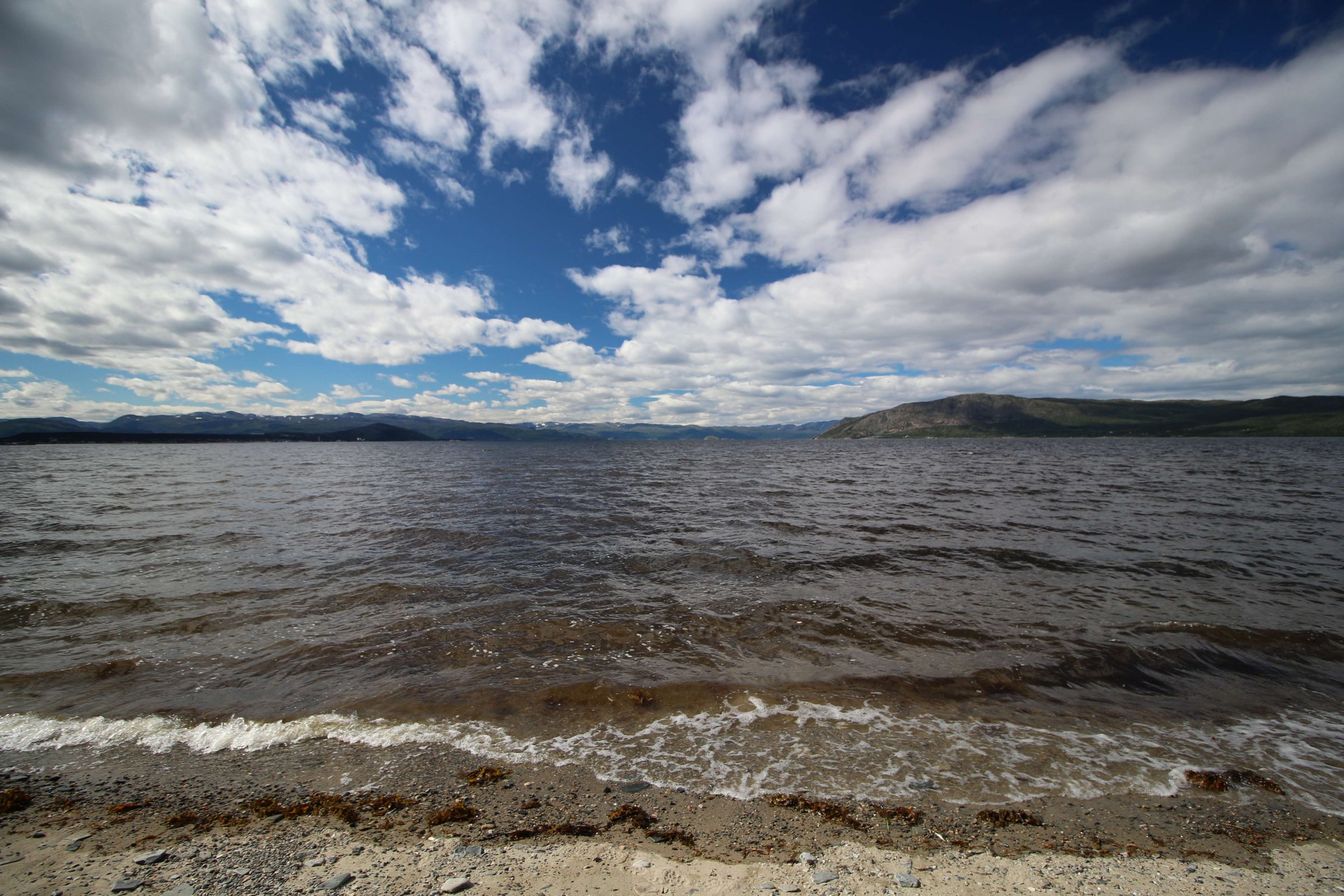
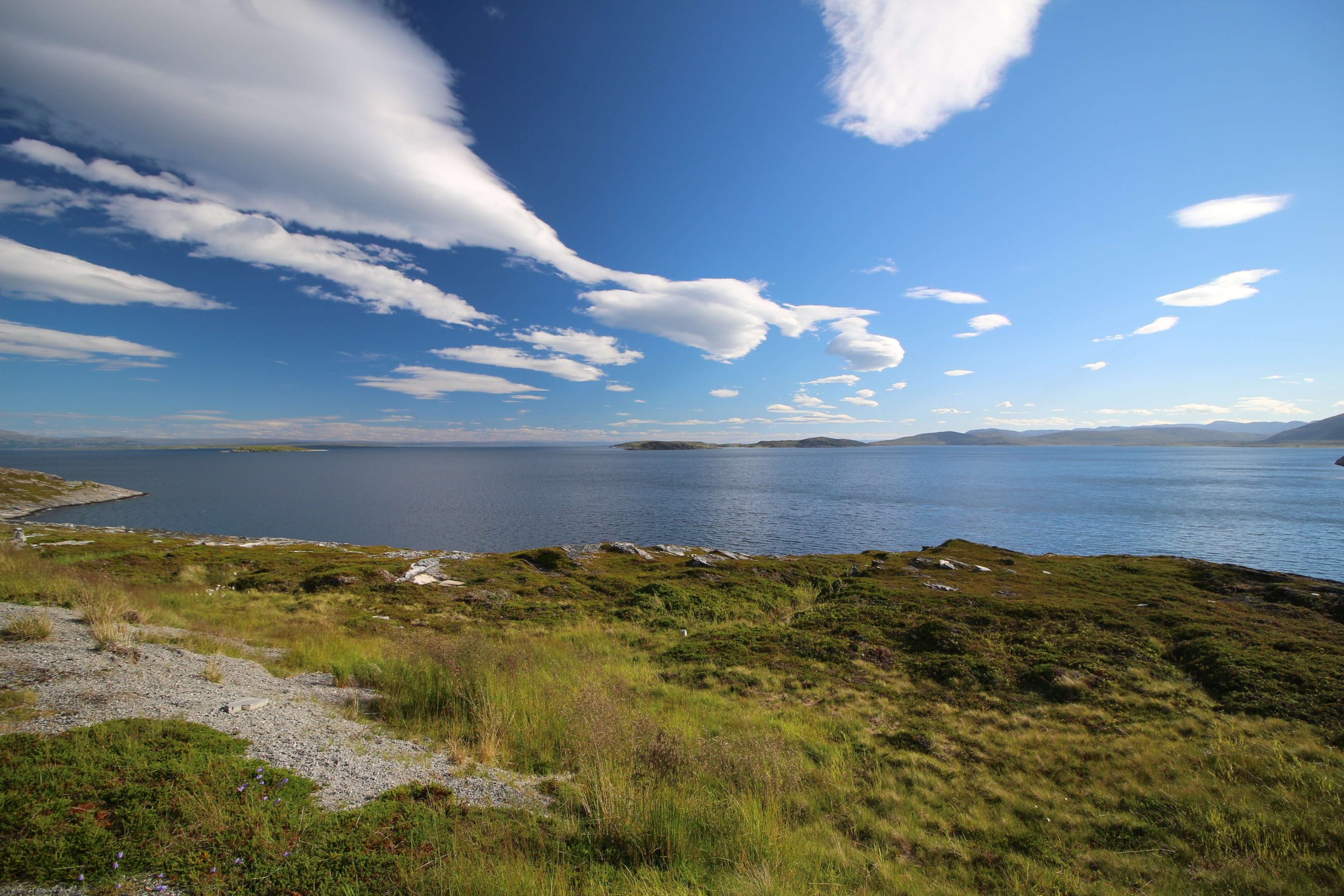
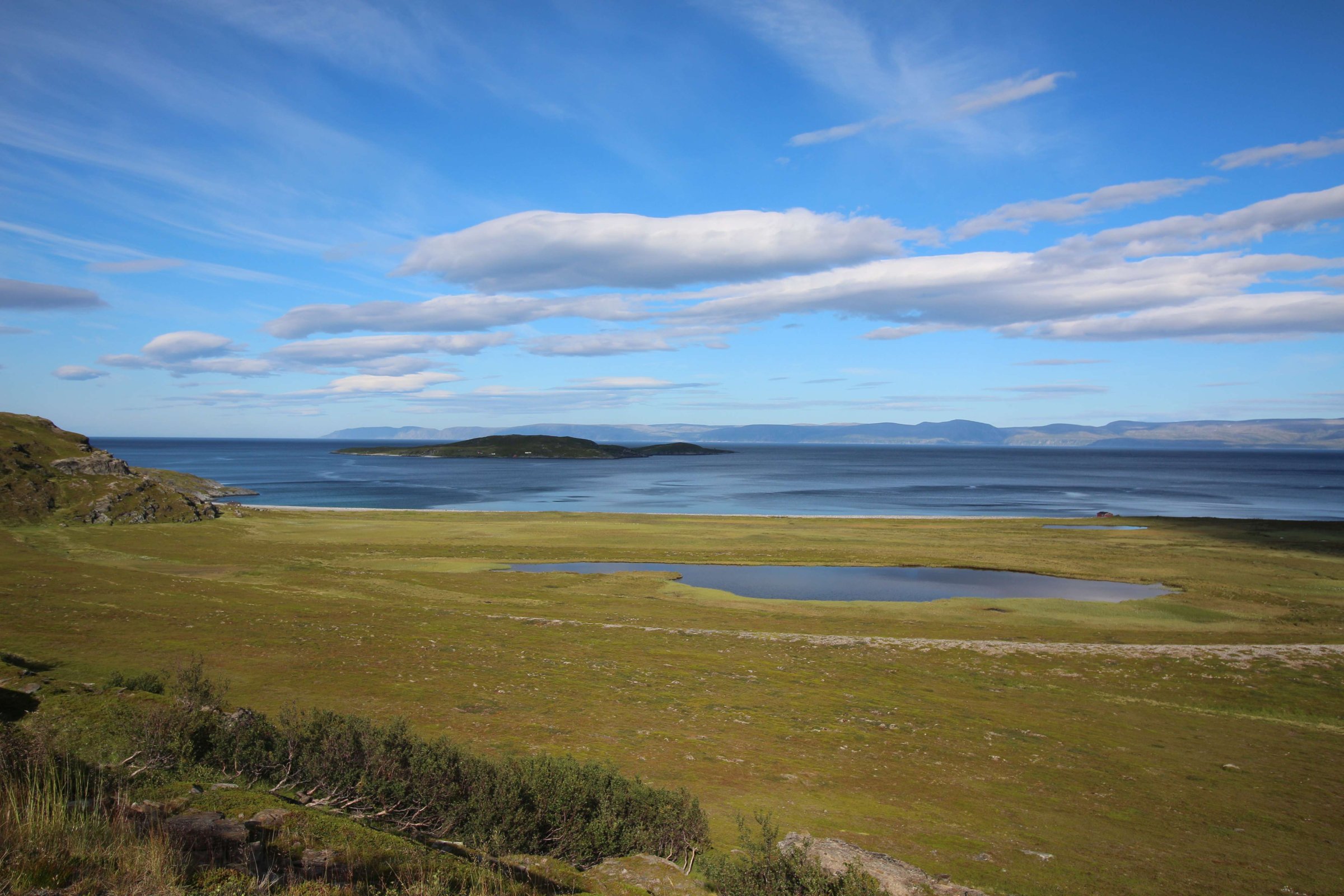
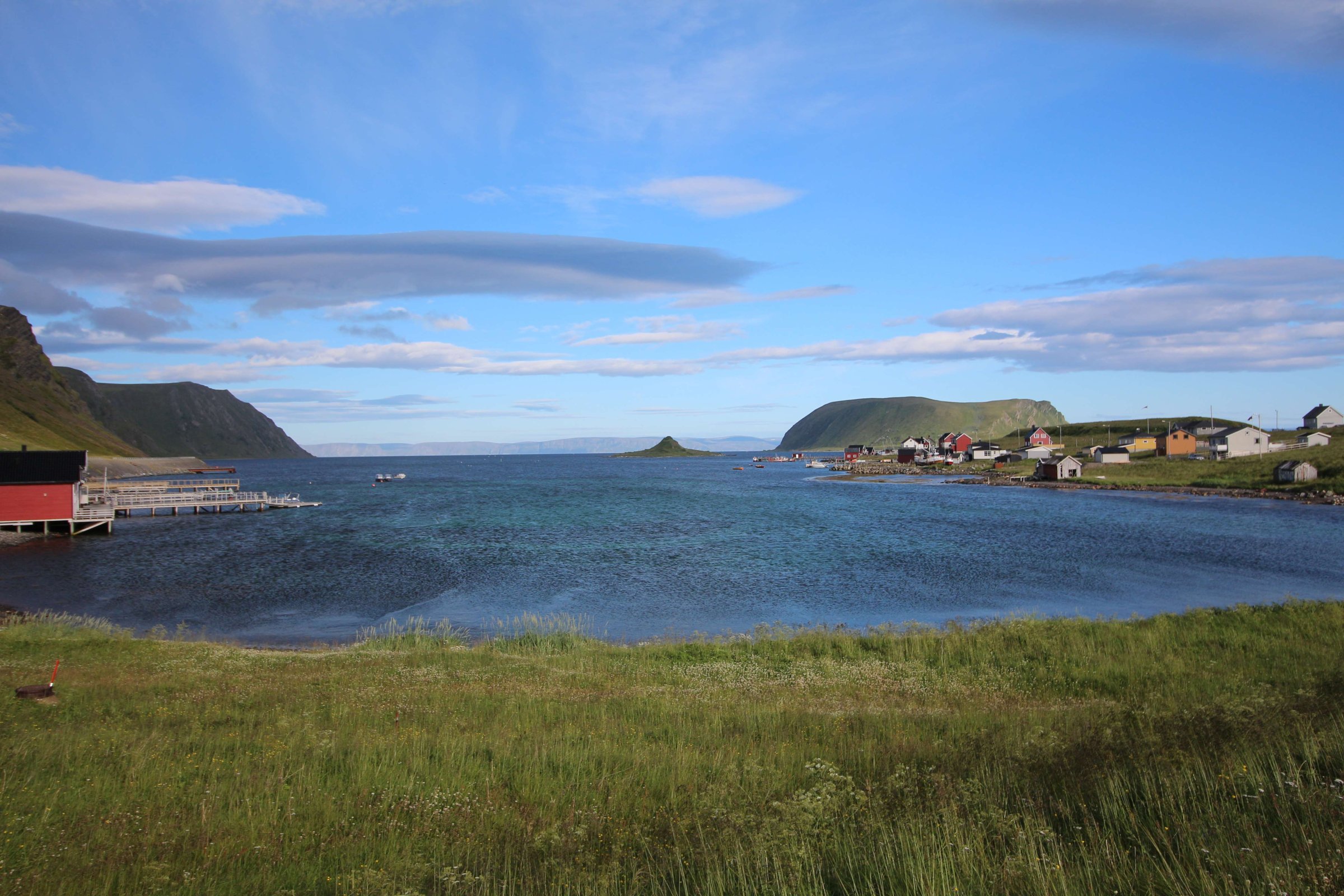
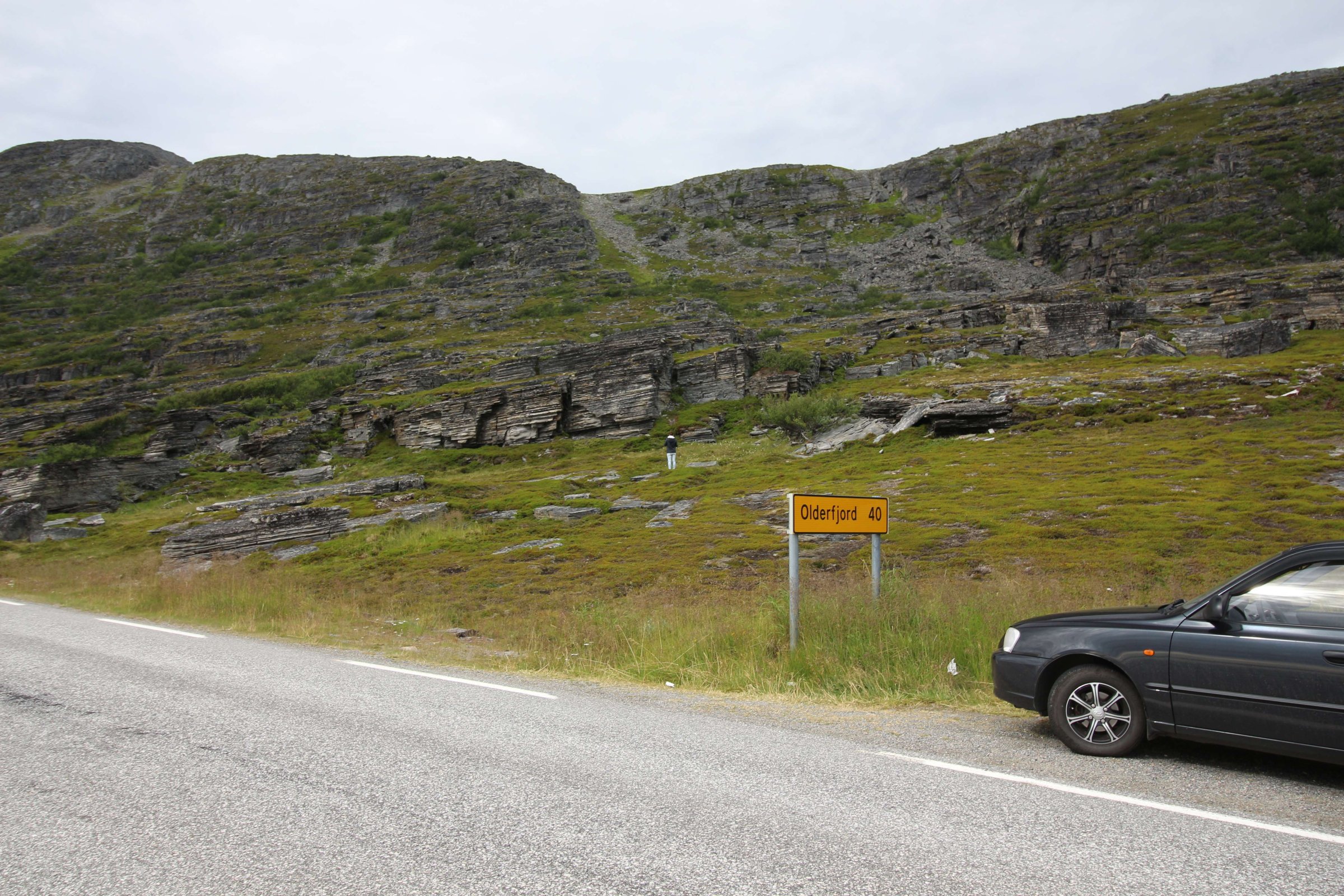
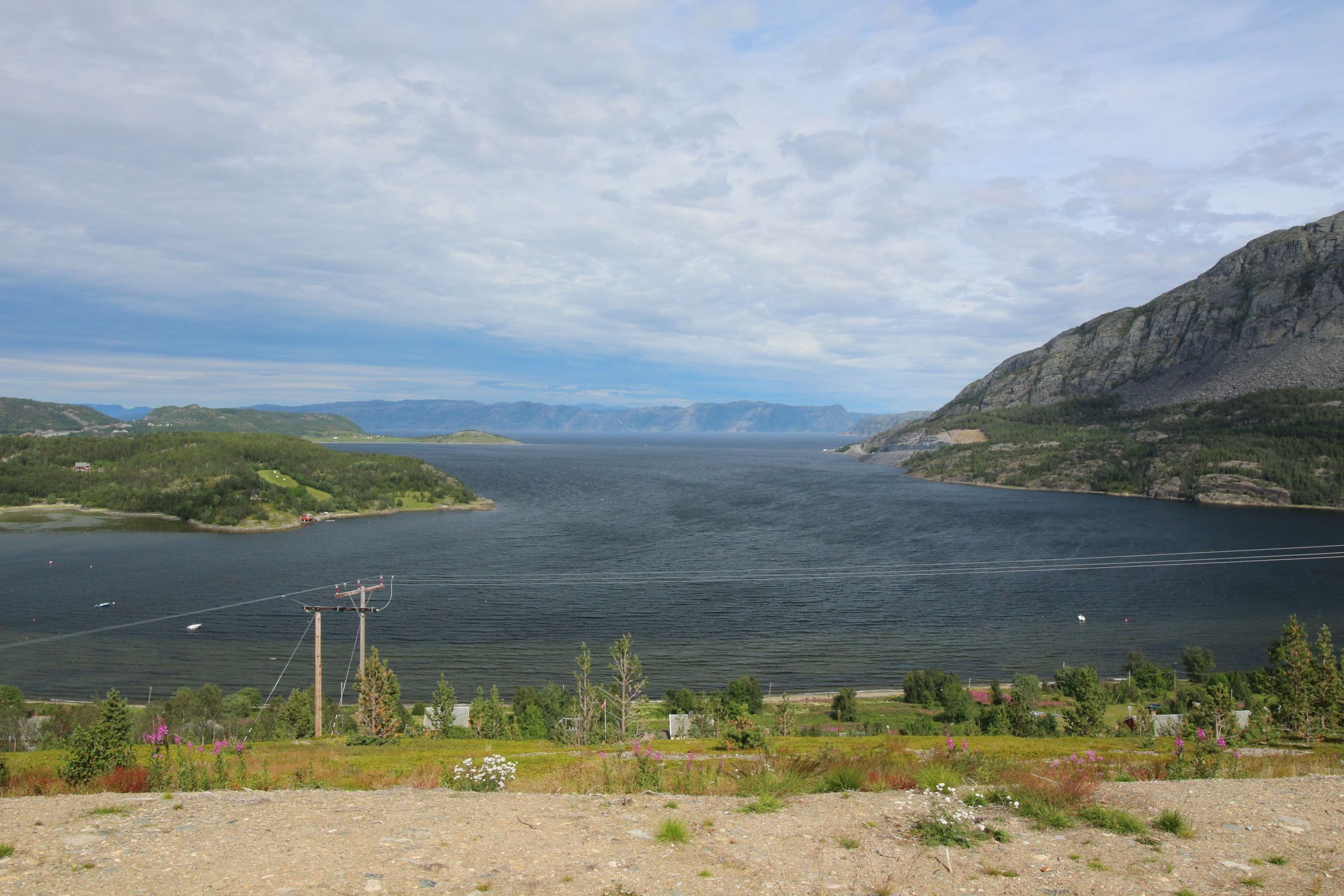
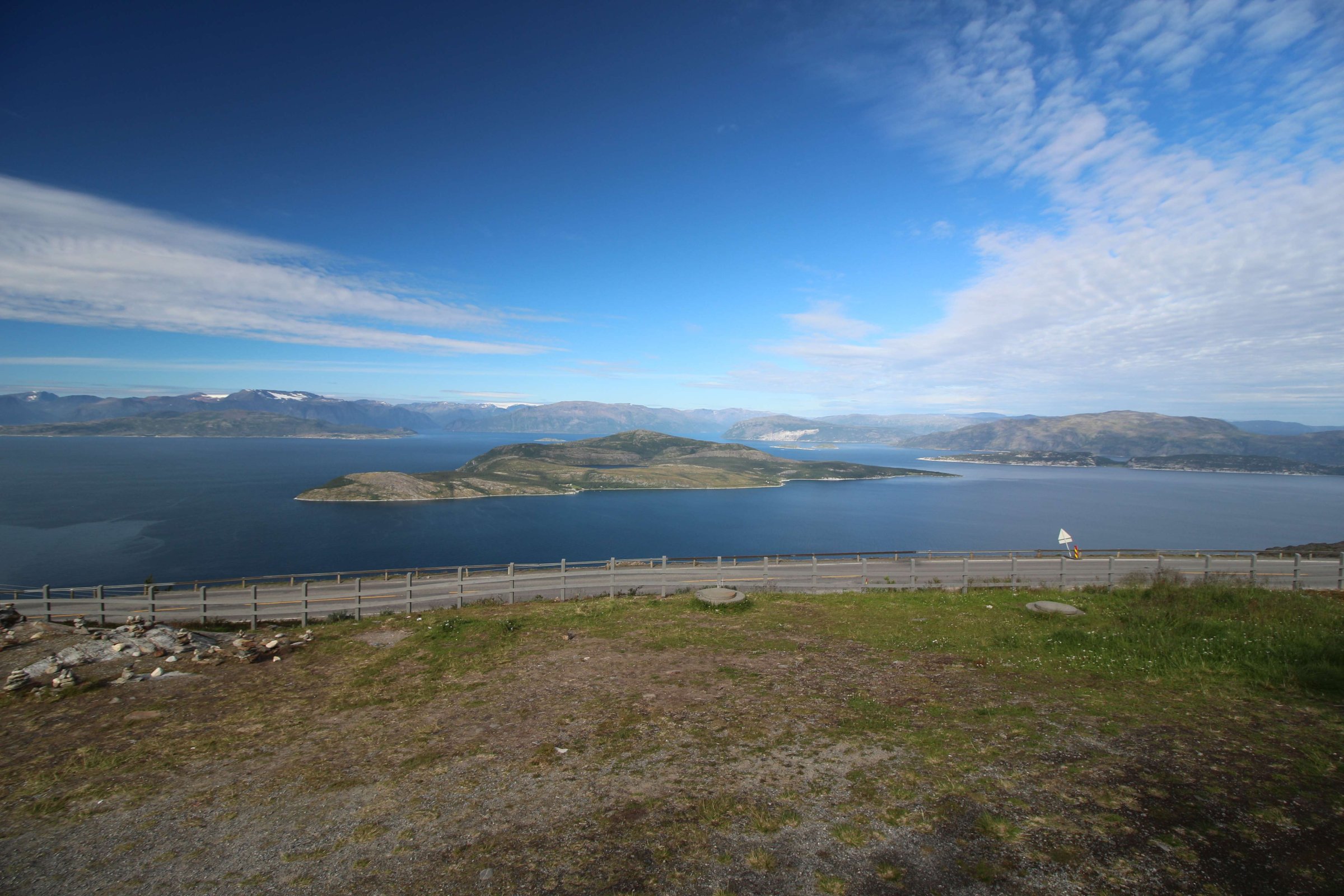
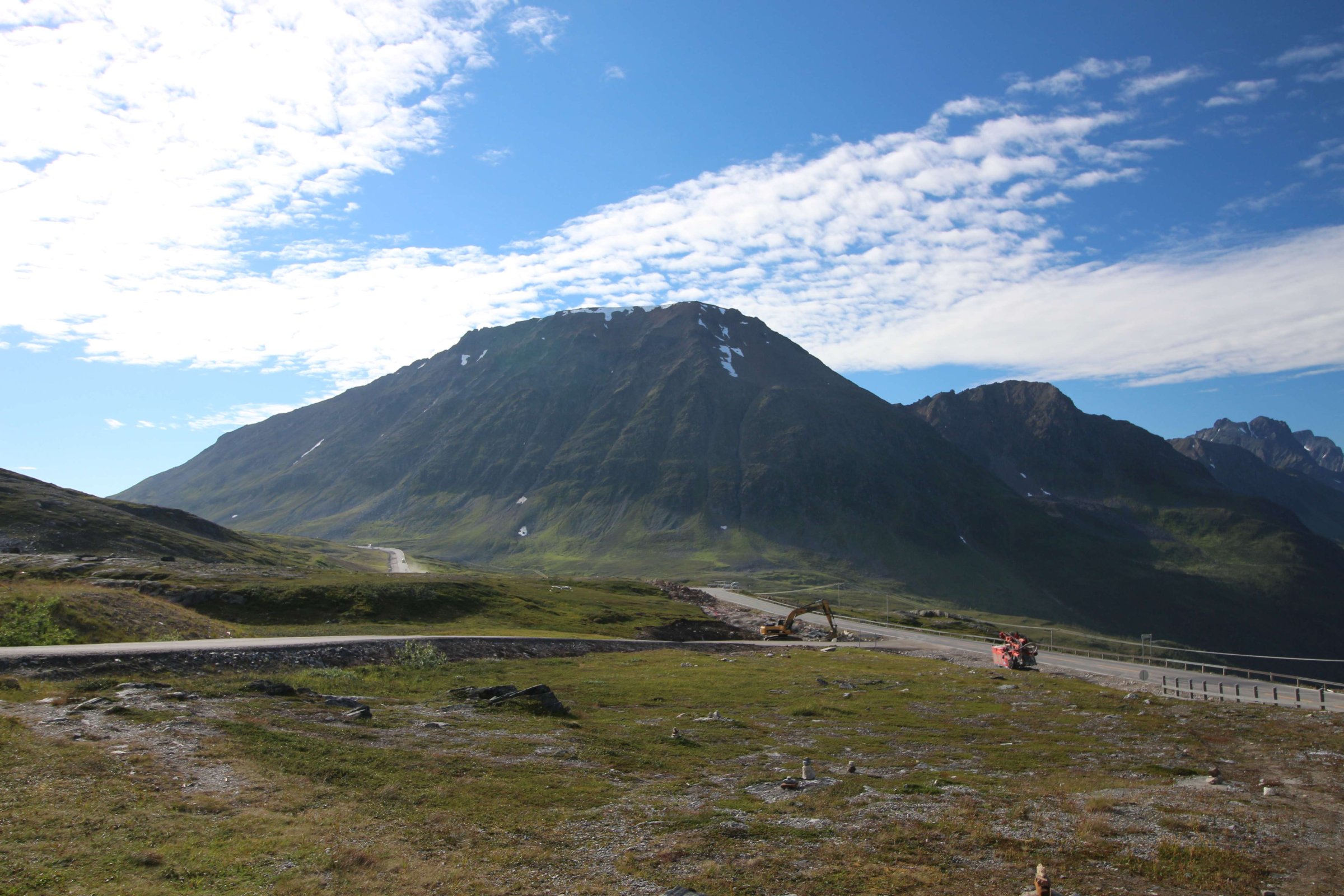
So, on July 17, 2016, we got up early at 4:30 and started preparing for the trip. Luckily, our departure time was not tied to anything. We did not need to catch a plane or a train because we were traveling in our own car. But we did want to arrive at the hotel in Vyborg early enough. To get to Vyborg, we had to drive 790 km if we took the shortest route with one bad stretch of road between Dubna and Konakovo. If we took the better road, it would be 870 km. Packing took us a long time. I spent ages carrying things into the car. The whole trunk was full, and the back seat was also packed with stuff, so fitting a third person there would already have been difficult, and with that person's luggage it would have been impossible. We prepared thoroughly. We took two normal hiking backpacks for short walks and one large 80-liter backpack for a long hike. We brought trekking poles, a tent, sleeping mats, sleeping bags, warm blankets, and food supplies such as grains and vermicelli, most of which we later brought back home. We also took equipment for cooking on the road because eating in Scandinavian cafes can ruin you financially. We brought five gas canisters and ended up using only two and a half, since we sometimes cooked on electric hotplates in cabins. We also had to bring extra warm clothes because we were heading above the Arctic Circle. It is not that warm there, even in summer.
We left one hour later than planned, at 7:30 a.m., and when we saw that there was no queue at all for the Dubna ferry, it was early Sunday morning, we decided to risk it and shorten our way through Konakovo. The road we had been warned was in terrible condition did not seem that bad to us at the time. Perhaps that was because we were already used to the fact that good roads in Dubna had practically disappeared too. Jumping ahead to the end of the trip, when we returned to Dubna by the same road, it seemed awful, because by then we had gotten used to the excellent roads of Scandinavia.
When we left Dubna, the weather was warm and sunny, but by the time we approached Saint Petersburg, it was already raining and much cooler. We reached our hotel in Vyborg at 8 p.m., and had to carry our things from the car in the rain. The next morning we were going through the Finnish border, so we decided not to waste time and just went to bed.
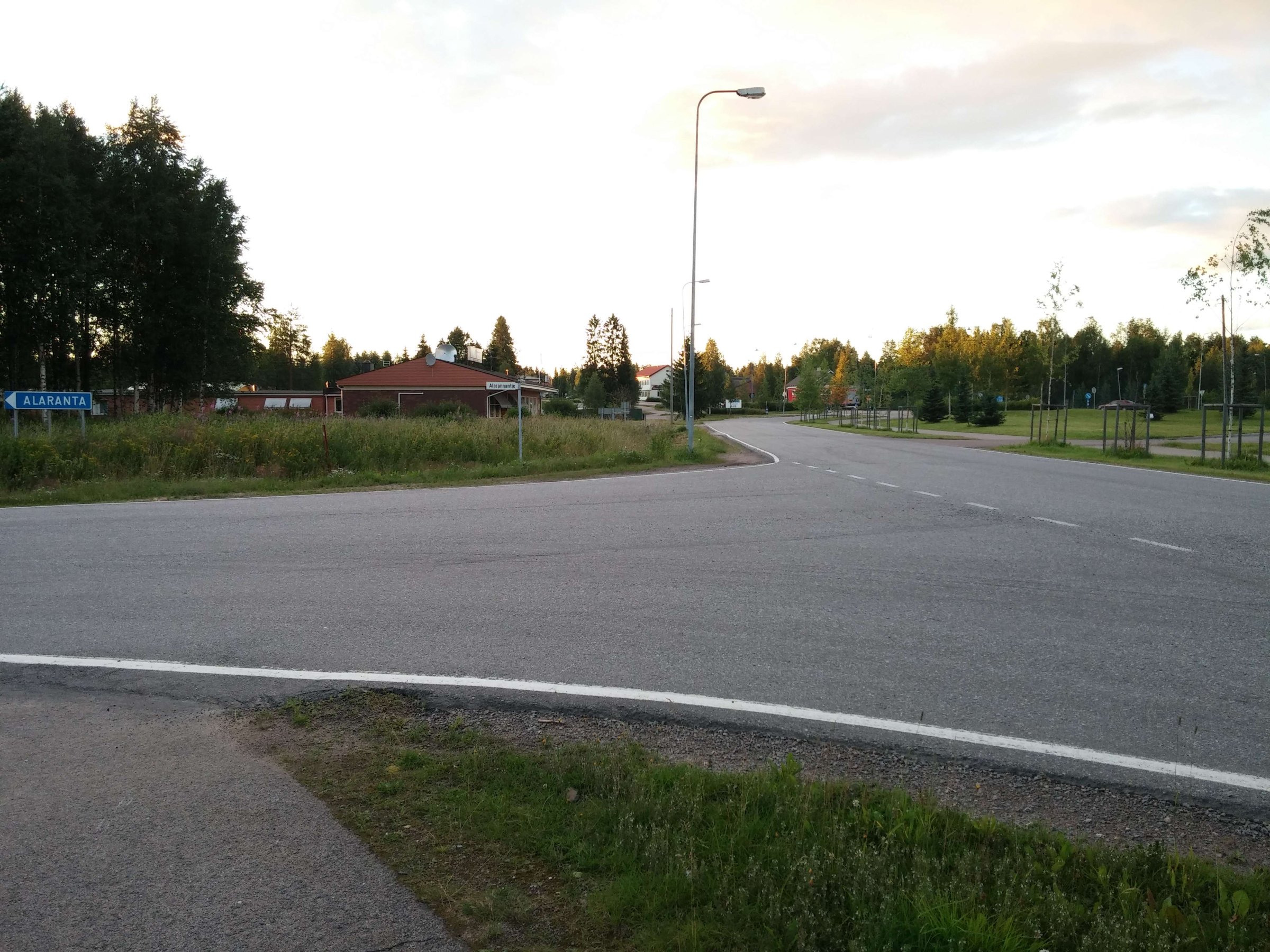
Morning of July 18. The rain had not stopped. We packed up, had breakfast, and headed for the border. That day we had to get to the town of Karsamaki, where I had booked a hotel. We needed to drive 480 km, which was not much compared to the first day of the trip. But I had built extra time into the plan for customs and for getting used to driving abroad. Before this, I had only driven abroad in New Zealand, so this was my first experience in Europe. We had heard a lot about huge fines in Norway, Sweden and Finland, so I had downloaded an app that beeped whenever I exceeded the speed limit by even 1 km/h. We drove like that for about an hour before the noise became unbearable, so we turned it off and gradually started speeding up after watching how the locals drove. Later I realized that in Scandinavia the main thing to fear is speed cameras, and there are not that many of them. To be warned about those I used this app. It is free, but it works by subscription, something like 40 rubles a month, which is fine for the duration of a trip.
As for the border, we crossed it fairly quickly because there were not many cars. On the Russian side it took about an hour. They asked us to show what we had in the car. They even wanted to look under the trunk floor where the spare wheel was, but because of the sheer amount of stuff I could not show it quickly enough, so they decided not to bother us further and let us go. Perhaps they did not like the number of wasps circling around our car. Maybe we had hit some wasp queen somewhere on the way. Then we drove another 200 meters to the Finnish border, where we were checked in 10 minutes, asked in broken Russian about the purpose of the visit and our route, and had our luggage inspected superficially. They also looked into our wallets to see how much cash we were carrying.
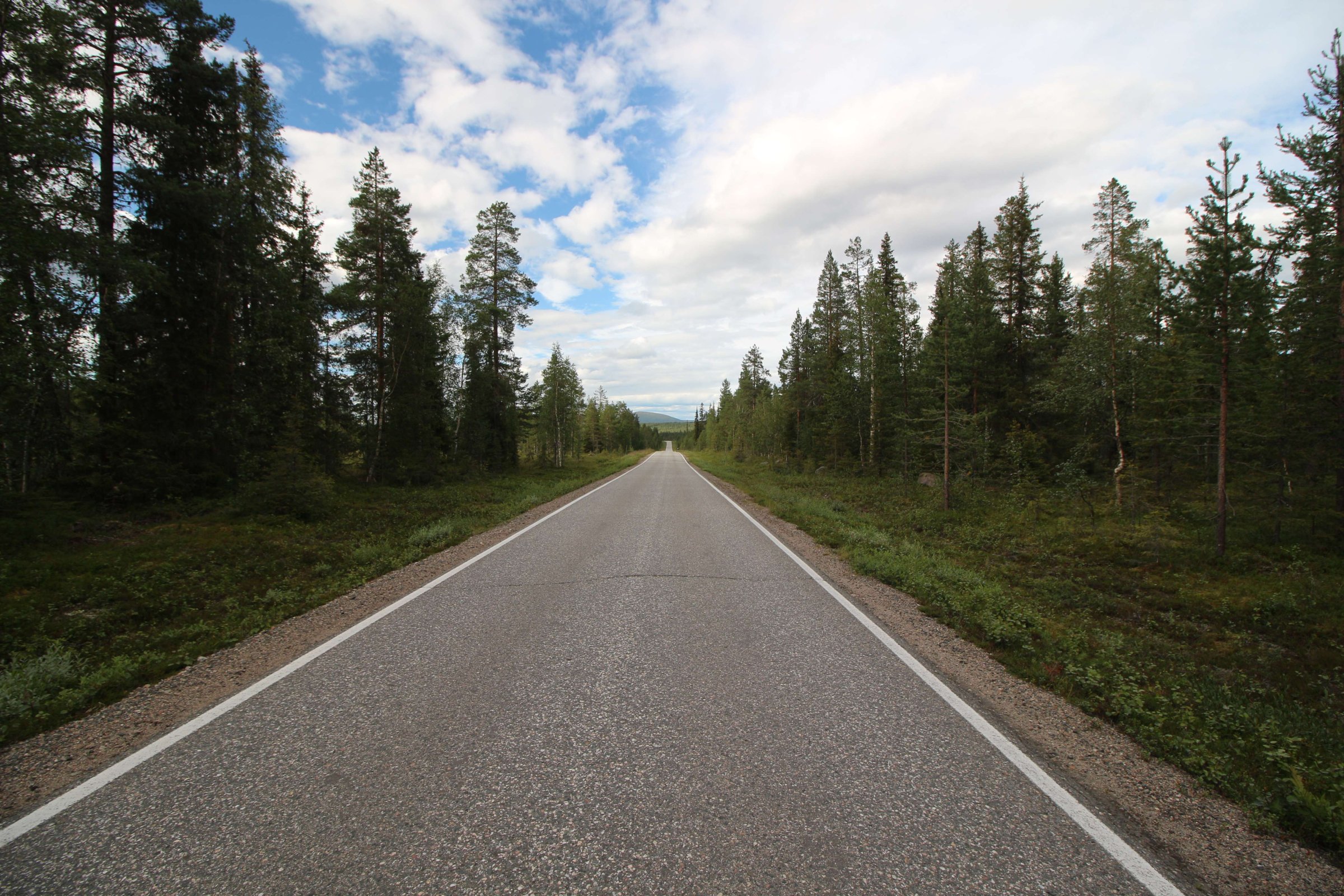
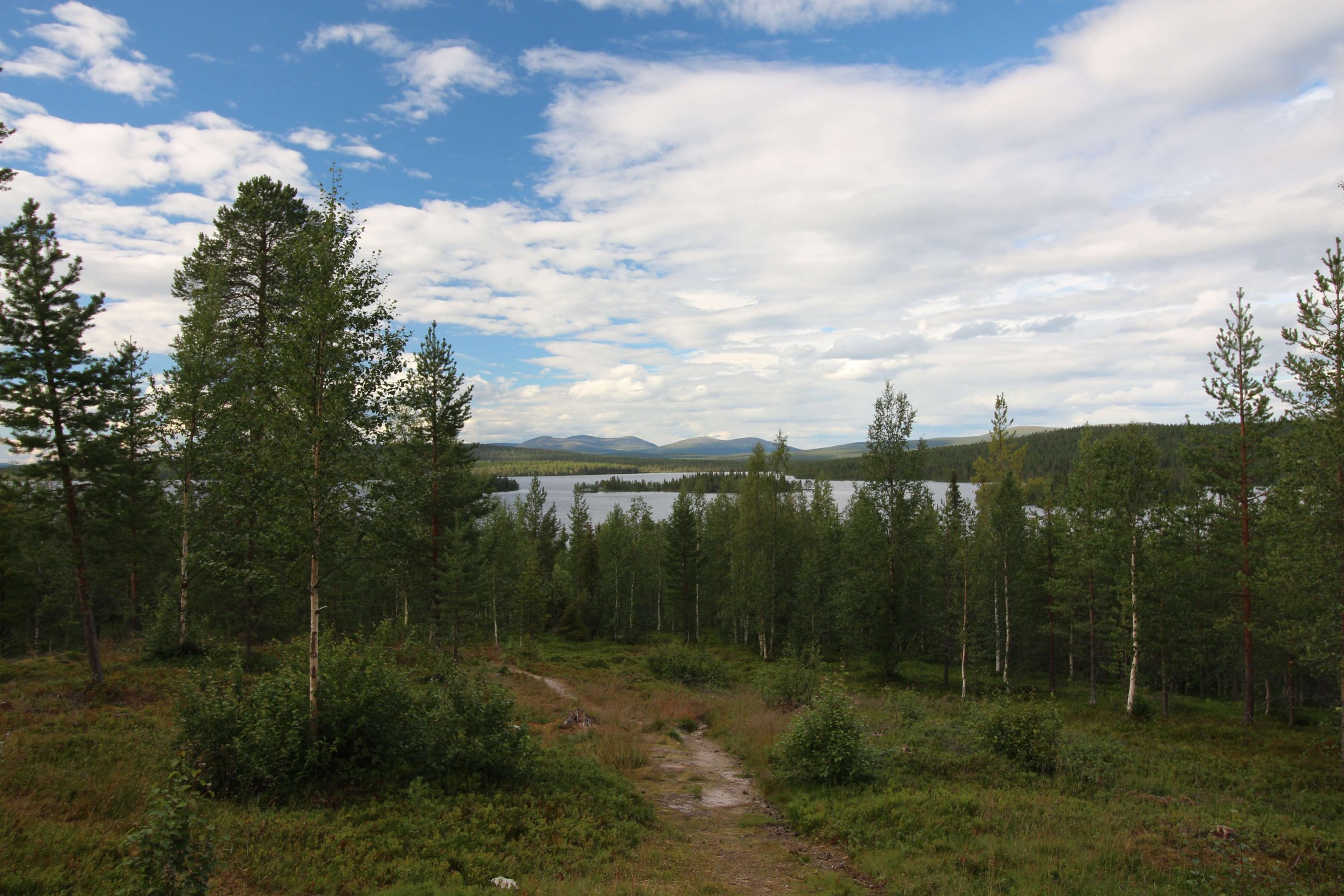
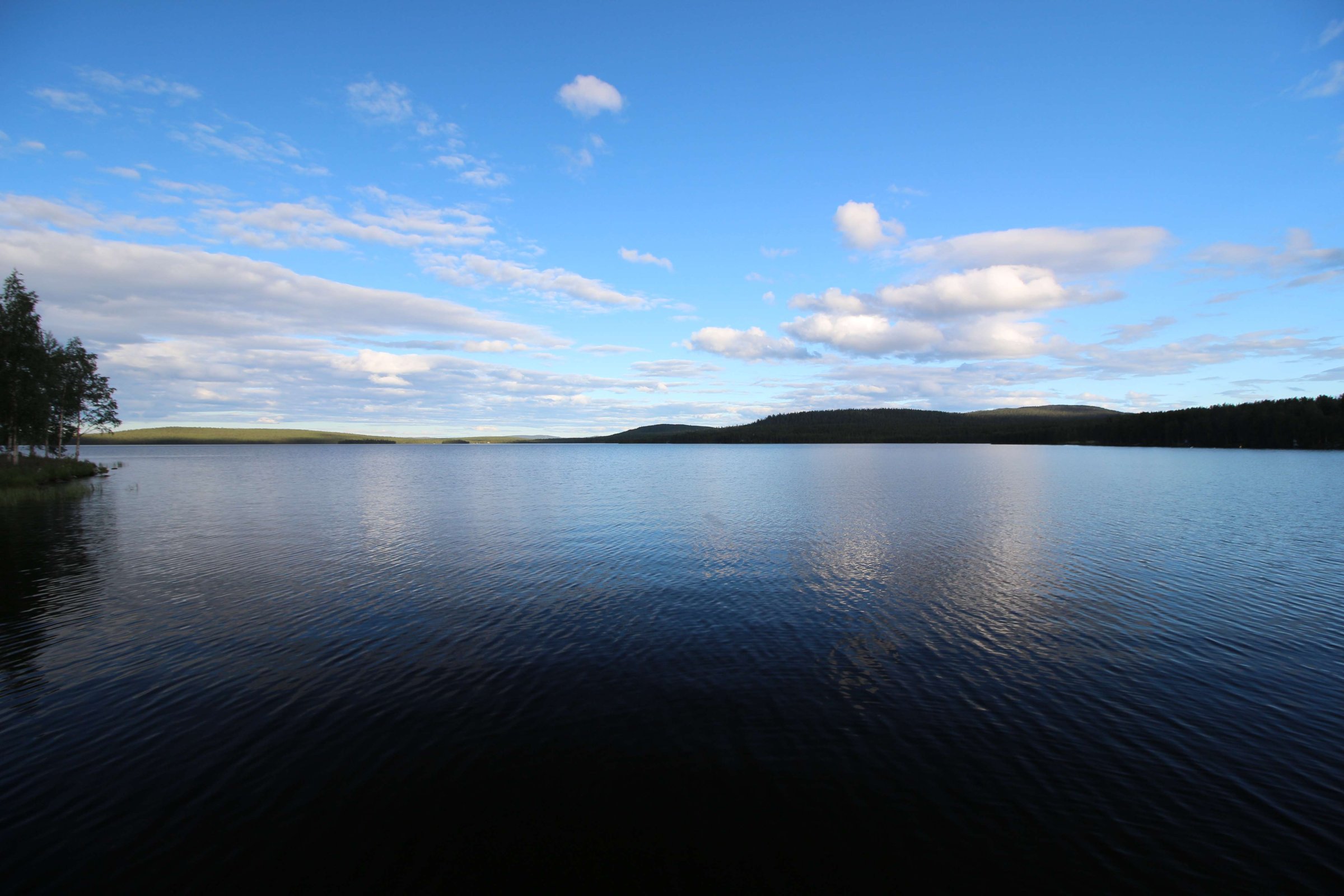
On the way to our first hotel in Finland, we looked at the scenery of "abroad", but were not particularly impressed. That part of Finland sits roughly at the latitude of Karelia: lakes and swamps. To see anything more interesting, we probably would have needed to leave the highway, but our course was set toward Norway and we had done no special research on Finnish sights.
Eventually it was time to refuel because our Russian gas was running low, and then came the first problem: most Scandinavian gas stations are automated. But we figured it out quickly, and local people were happy to help us. We communicated with them in rough English.
As we drove north through Europe, sunset kept getting later and later. By the time we reached Saint Petersburg it had shifted by an hour, and by the time we reached Karsamaki by another hour and a half or so. So when we arrived there around 7 p.m. and then spent a long time sorting out our things, I later went for a walk alone around town at 10:30 p.m., and the sun was still quite high.
The hotel turned out to be quite decent as well. The manager came there only when called, gave us the keys and the entrance code, took the payment and left. Closer to evening we heard Russian speech in the corridor.
Every evening before going to bed in the next hotel we had to do a set of routine tasks: process the current day of the trip by copying photos to the laptop, cook dinner, and prepare the plan for the following day. So we kept going to bed late and getting up early.
The next day we had to drive 580 km to Sarkijarvi. At first the road looked much the same as the day before, but at some point things began to change. We noticed a beautiful river with a strong current, which meant that mountainous terrain had to be somewhere nearby.
We were driving using MapsWithMe, and it apparently kept looking for the shortest route. That is how we ended up on some rural road where cars were rare and the road itself was narrow enough that in some places two cars could not pass each other. But there were frequent pull-off pockets, sometimes on the left, sometimes on the right. We also noticed signs for snowmobiles showing where you could leave the road on one. Apparently in winter everything is buried in snow there and it is impossible to tell where the snowmobile route goes otherwise. We reached the hotel in the evening, but there was already no such thing as night or darkness there. We stayed busy with our usual tasks until 2 a.m., and then I went outside to photograph the landscape. It was already cold.
From that day on, and for the next seven days, we had to sleep in daylight.
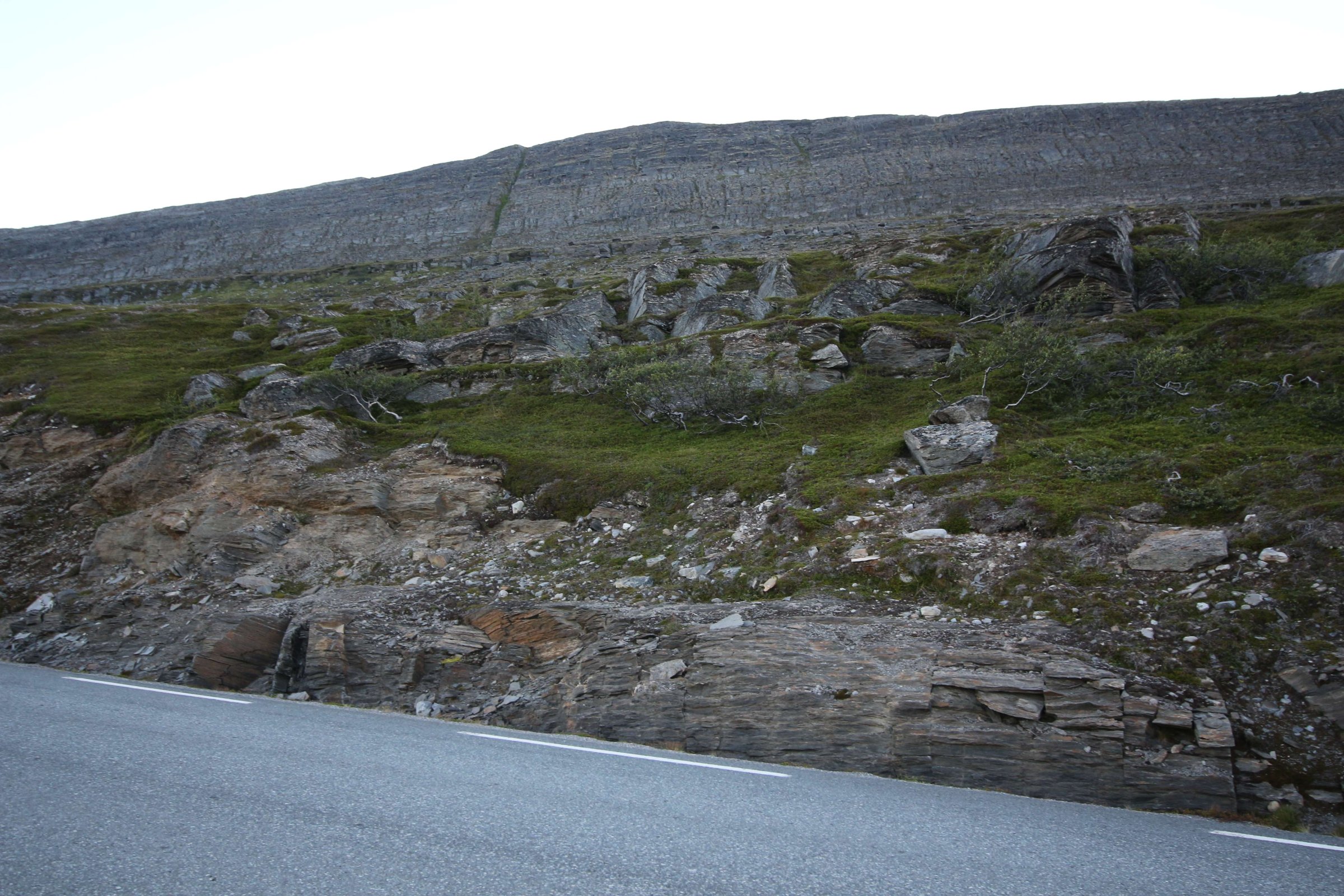
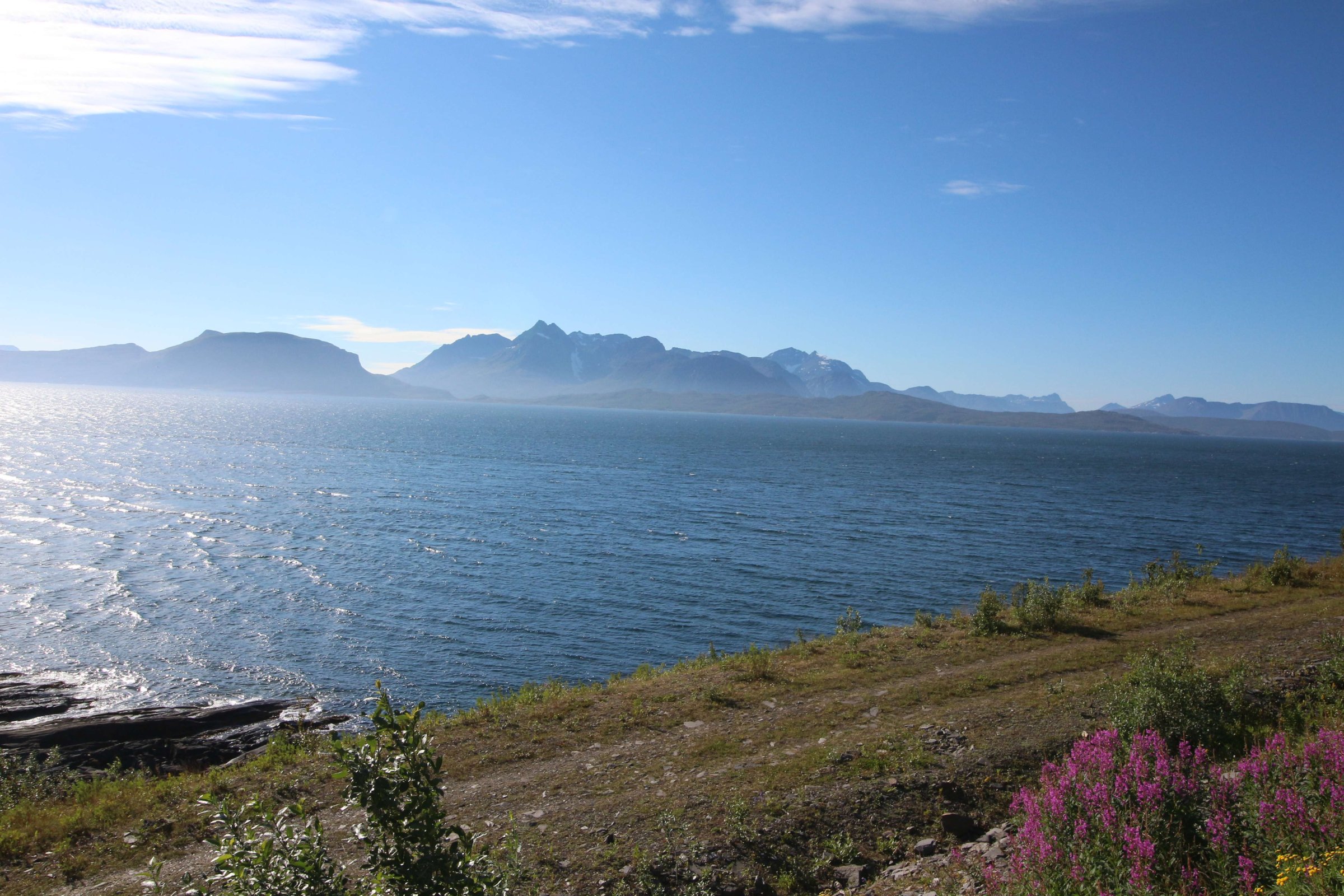
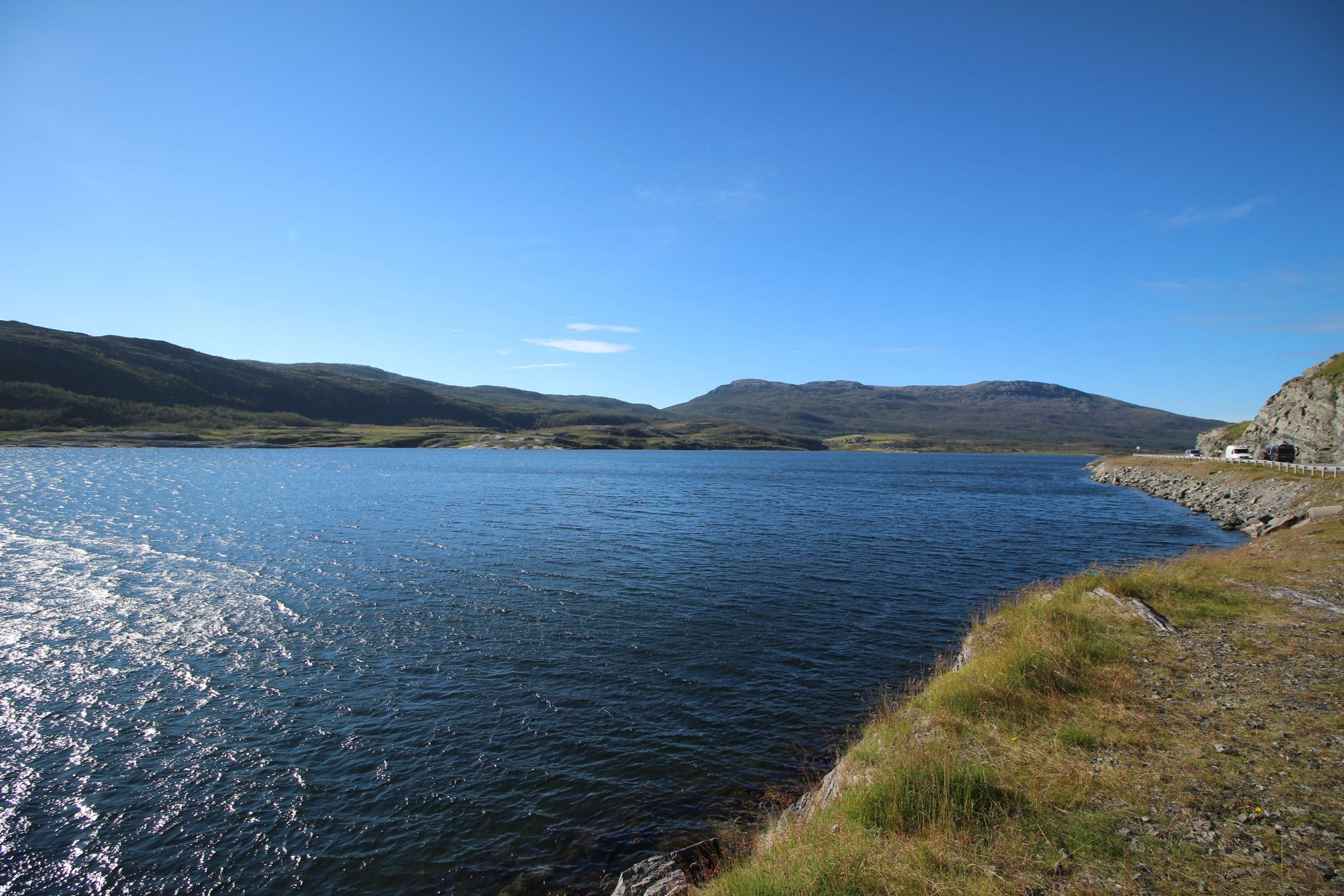
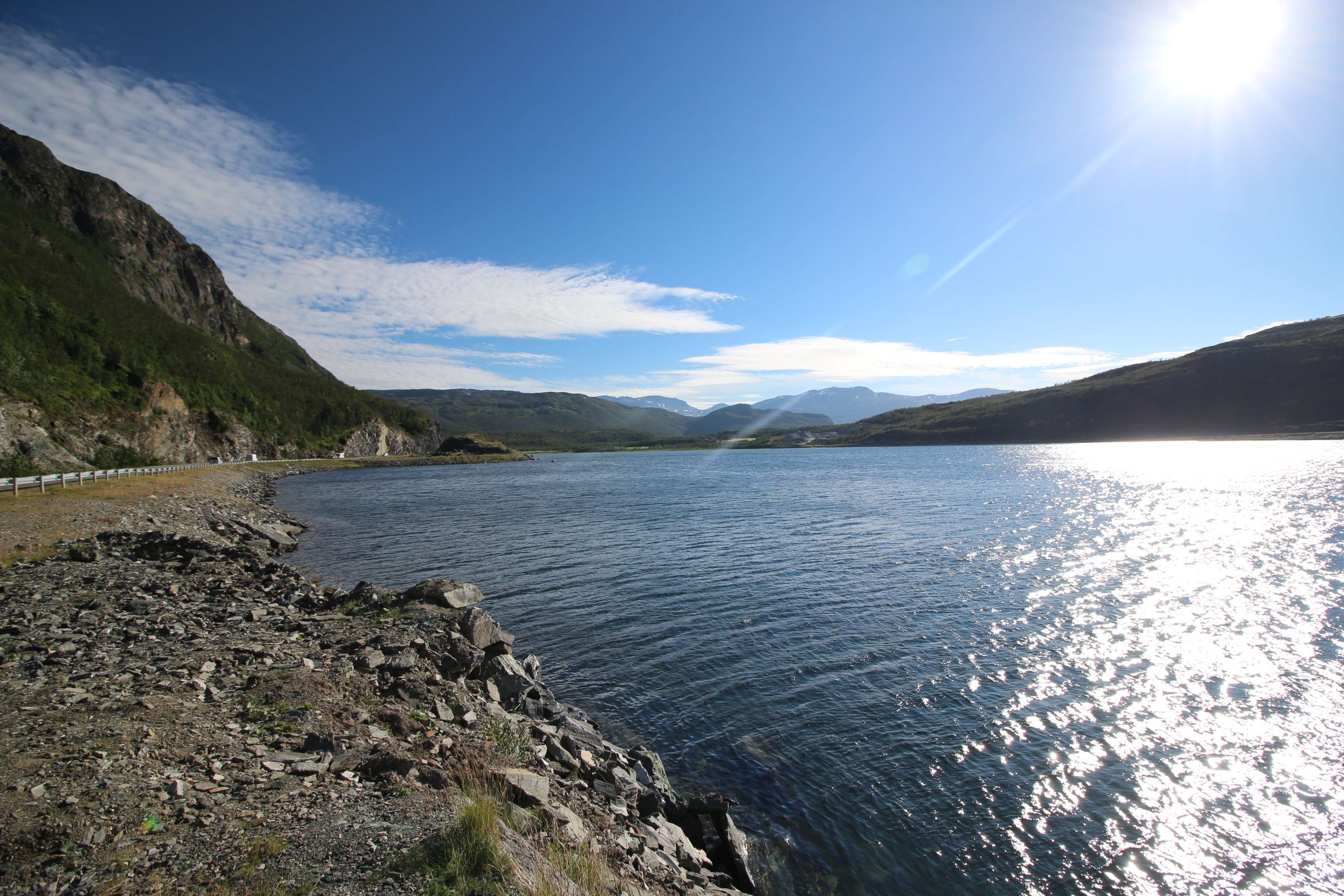
Early in the morning on July 20 we packed up, left the keys in the campsite owner's box, and headed for the Finnish-Norwegian border. Mountainous scenery began appearing more and more often, and we started stopping more frequently to take photos.
We crossed the border quickly without even stopping. There was nobody there. Once we reached the first major city, Alta, we bought groceries and started looking for a place to buy a SIM card with internet. We spent a long time going from one mobile operator to another, and none of them could sell us a prepaid data SIM, instead sending us to some kiosk. Eventually we found it. It turned out to be a newsstand where we could buy a SIM that would activate 12 hours after purchase, once the form I had filled in reached the operator. The tariff itself was fairly inexpensive: 6 GB cost about 268 NOK, roughly 2,050 rubles. I put the SIM into the mobile router and then shared it to all our devices. The operator was myCall, which is essentially European Lebara, as far as I understand.
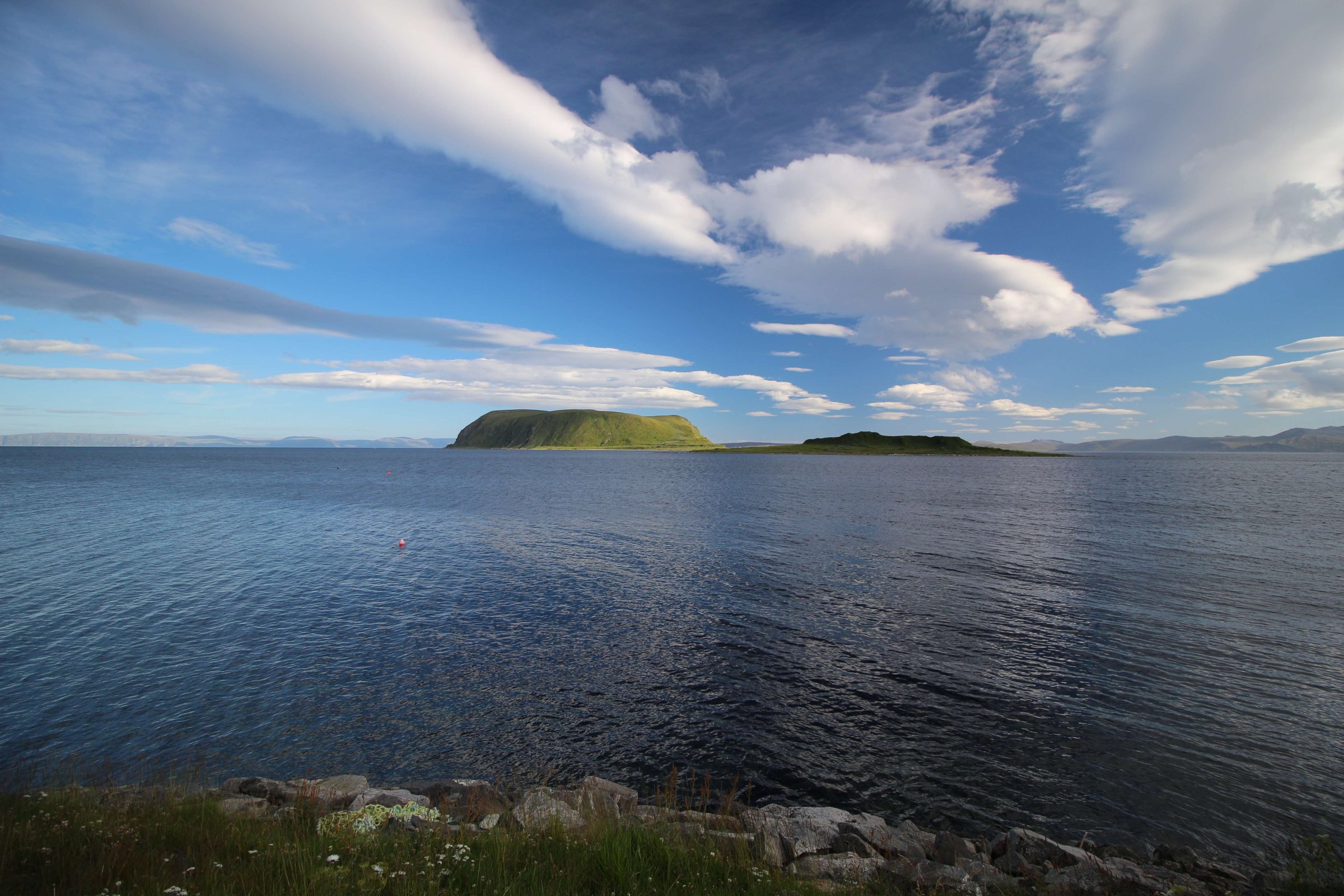
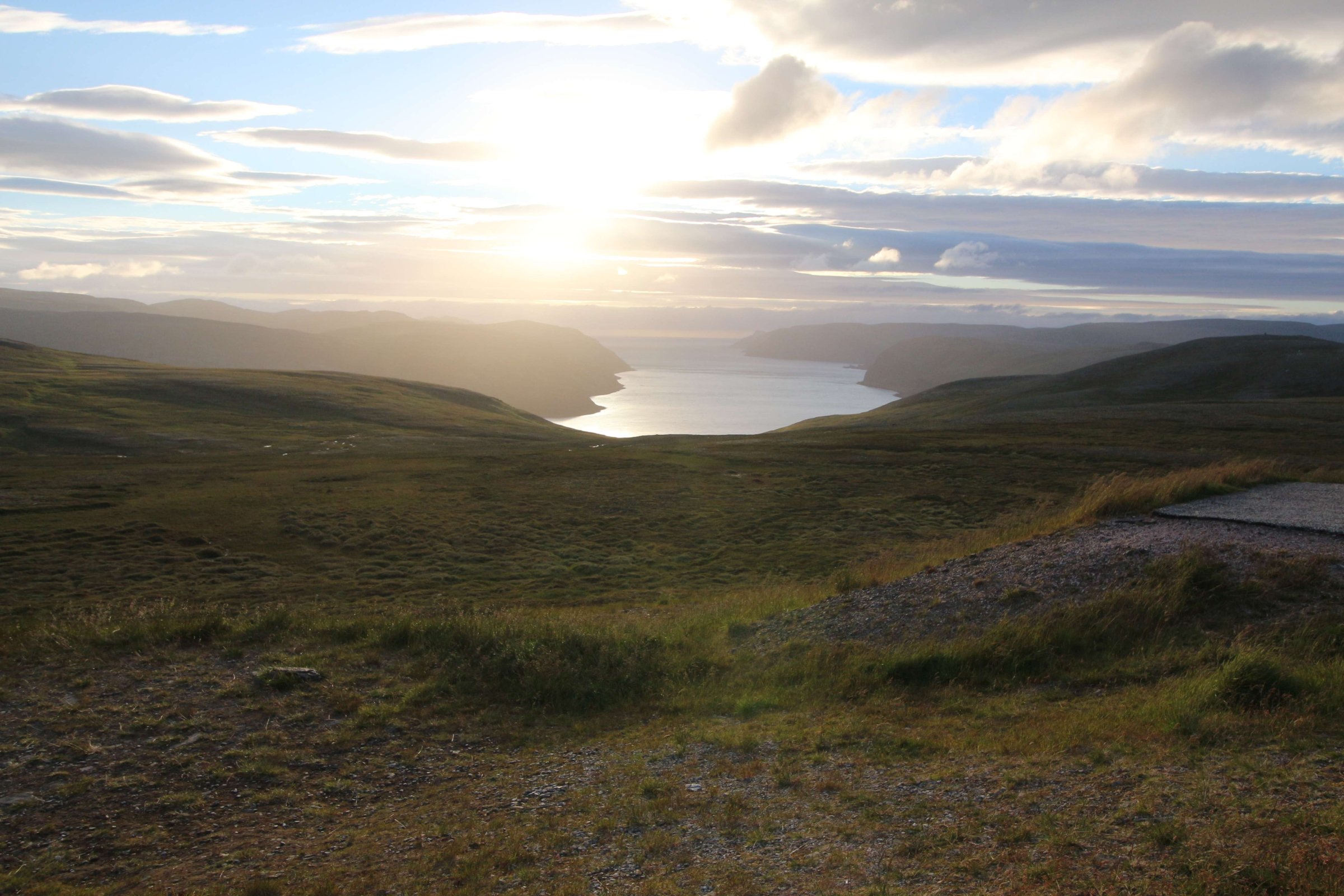
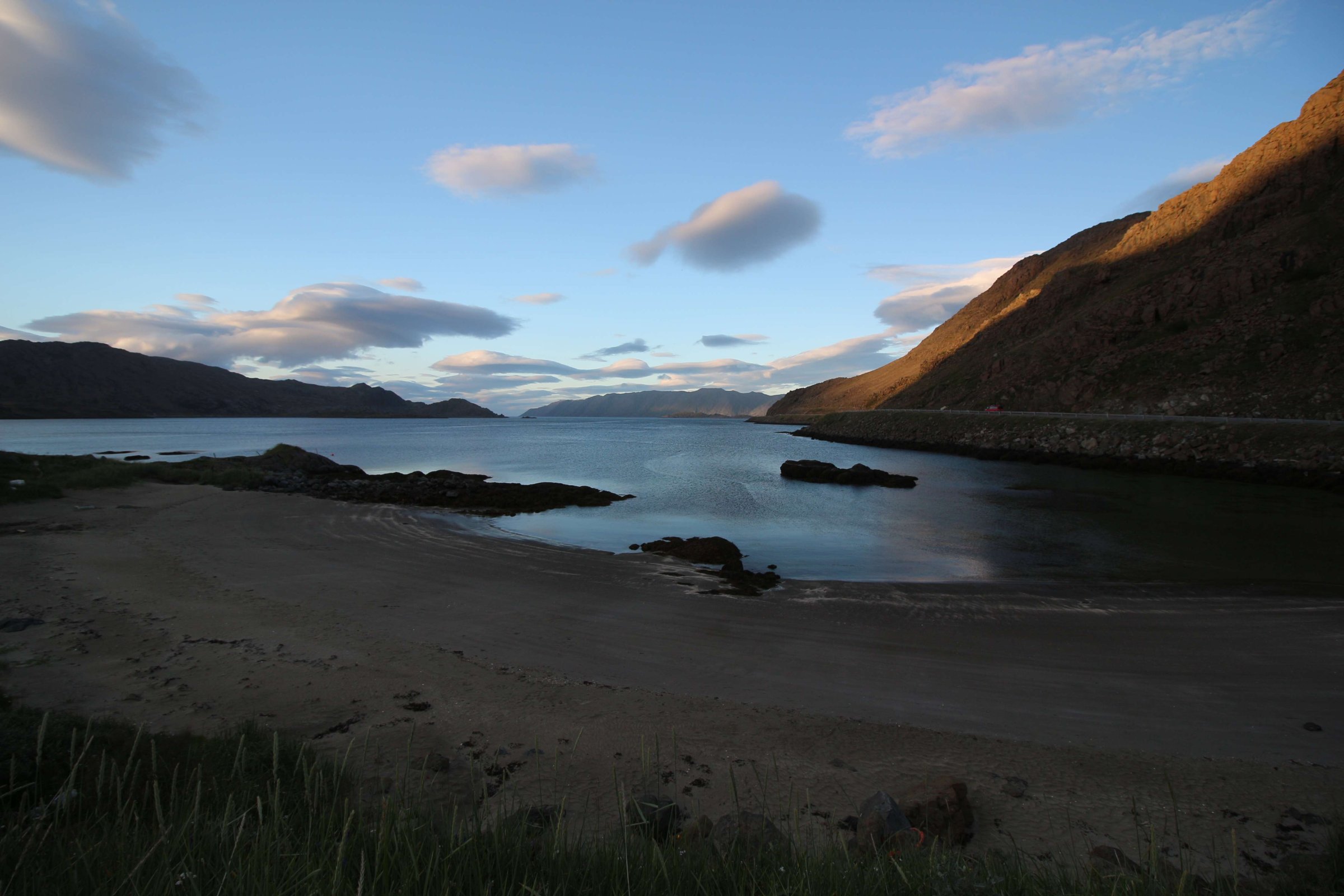
After taking care of all the errands in town, we set off toward Nordkapp. It was still a long drive. Meanwhile the landscapes we were passing through had already become mesmerizing. By evening we arrived at a hotel which was in fact a fishing harbor adapted to work as a hotel too. The owner was a sailor. As it turned out, he and his family were Russian. It felt strange hearing Russian there. The hotel was quite expensive, but psychologically we were not yet ready to unpack the tent. In reality, though, there were a lot of campers and plenty of places to put up a tent there.
After checking into the hotel, we changed clothes and headed for Nordkapp. We still had 85 km to drive there, and then the same distance back to the hotel. But we had no task of getting back before dark, just as there was no dark at all.
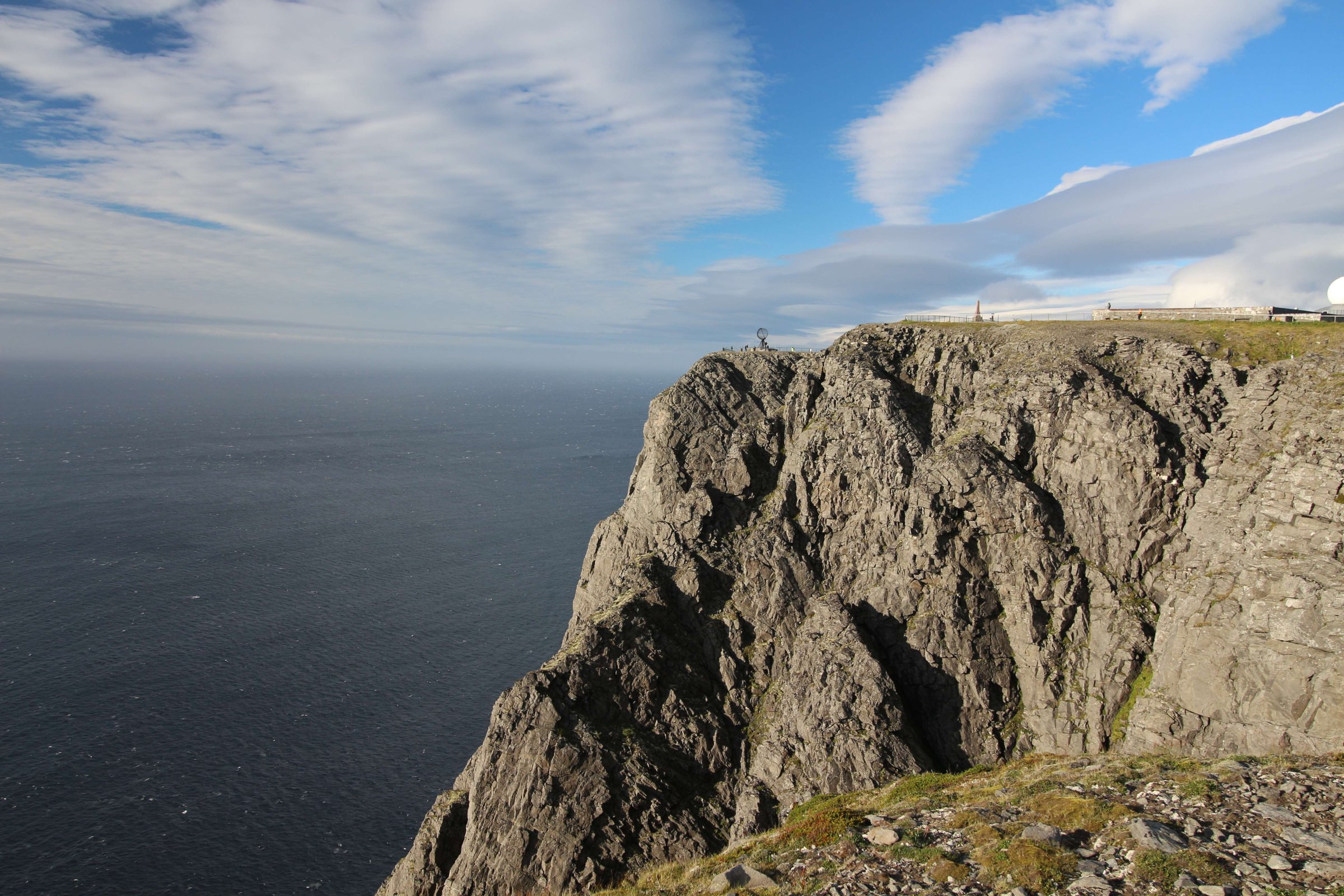
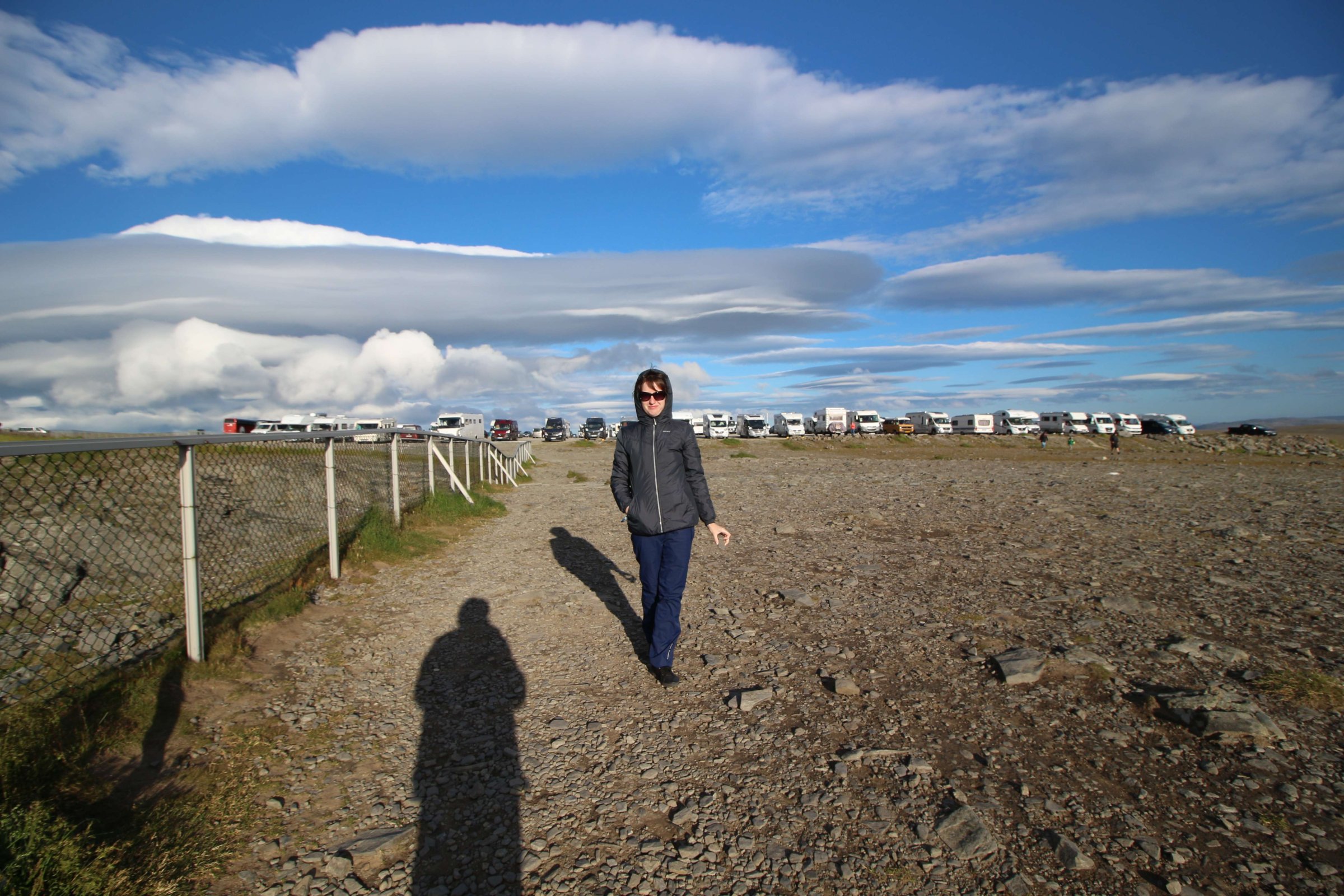
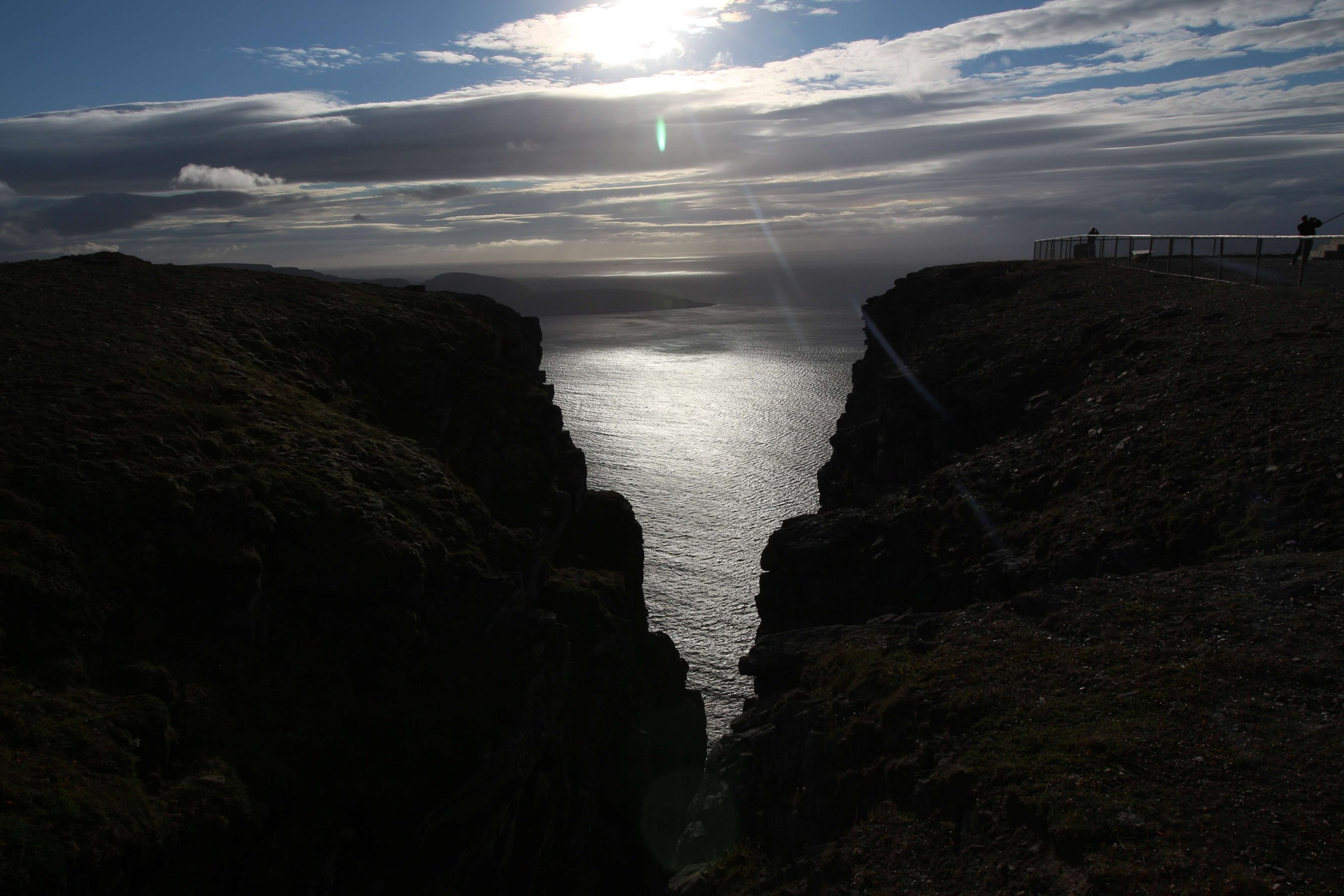
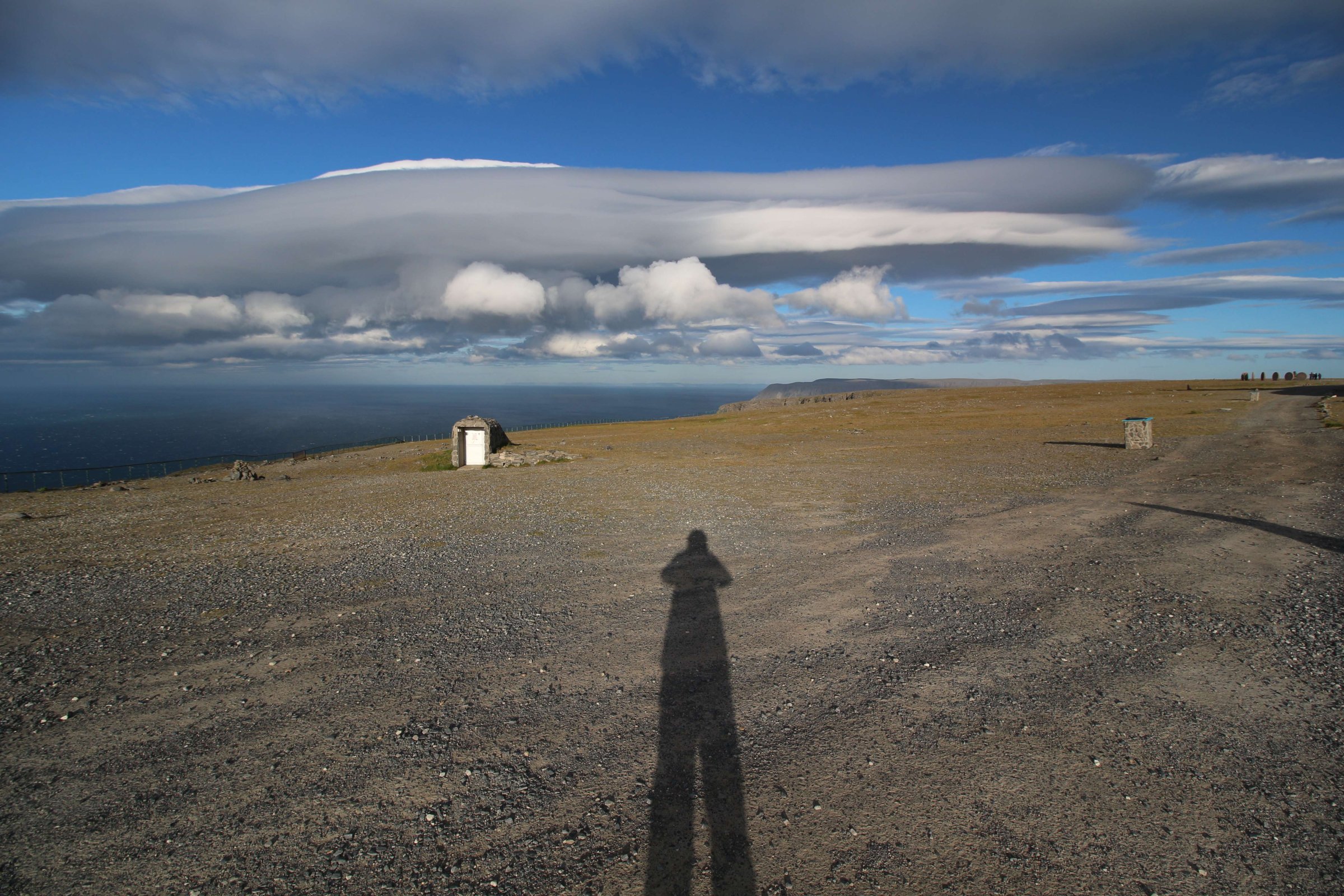
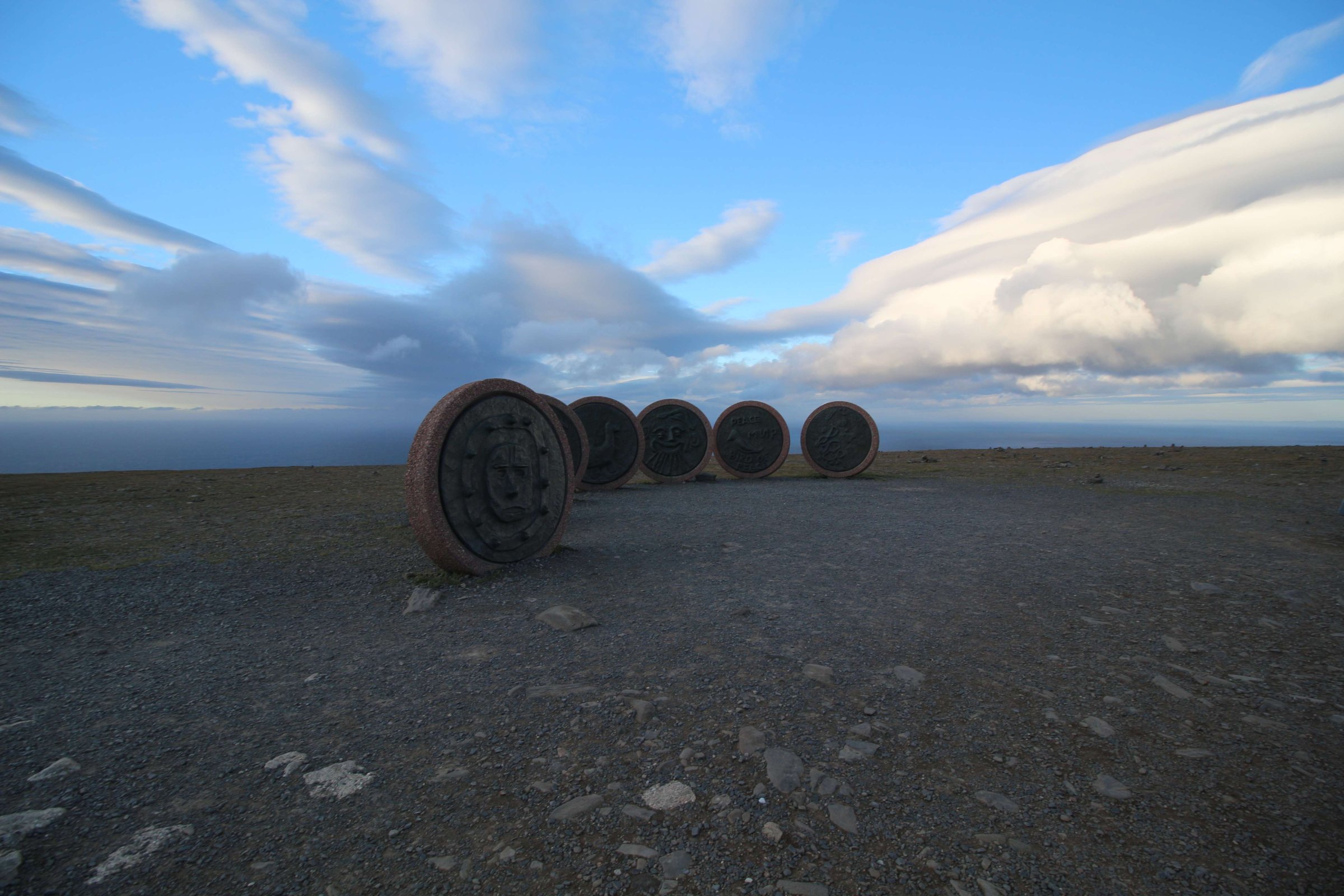
Nordkapp is magnificent, even though when we were there the wind was strong and it was not warm. I do not know whether that weather is always common there, but considering that this is the very edge of Europe with only the Arctic Ocean ahead, such conditions are surely not rare. We worried that after weather like that we might catch a cold and get sick, but everything turned out fine.
On the road to the cape there is a very interesting tunnel that runs under the water. There we noticed that I was not pressing the accelerator, and yet the car kept gaining speed, and quite noticeably. There was no physical feeling of going deeper into the earth. You could only infer it from the car's acceleration and the tunnel's curve.
After that we went back to the hotel for the night, and the next morning after breakfast we headed toward the Lofoten Islands. We had to cover only 388 km and needed to arrive before 8 p.m. because the campsite closed after that. We thought the timing would not be a problem, but it turned out otherwise. We arrived only 30 minutes before closing, and even then we had to hurry at the end and skip some beautiful places. Along the way we kept having to stop at gorgeous viewpoints because it was impossible to just drive past them.
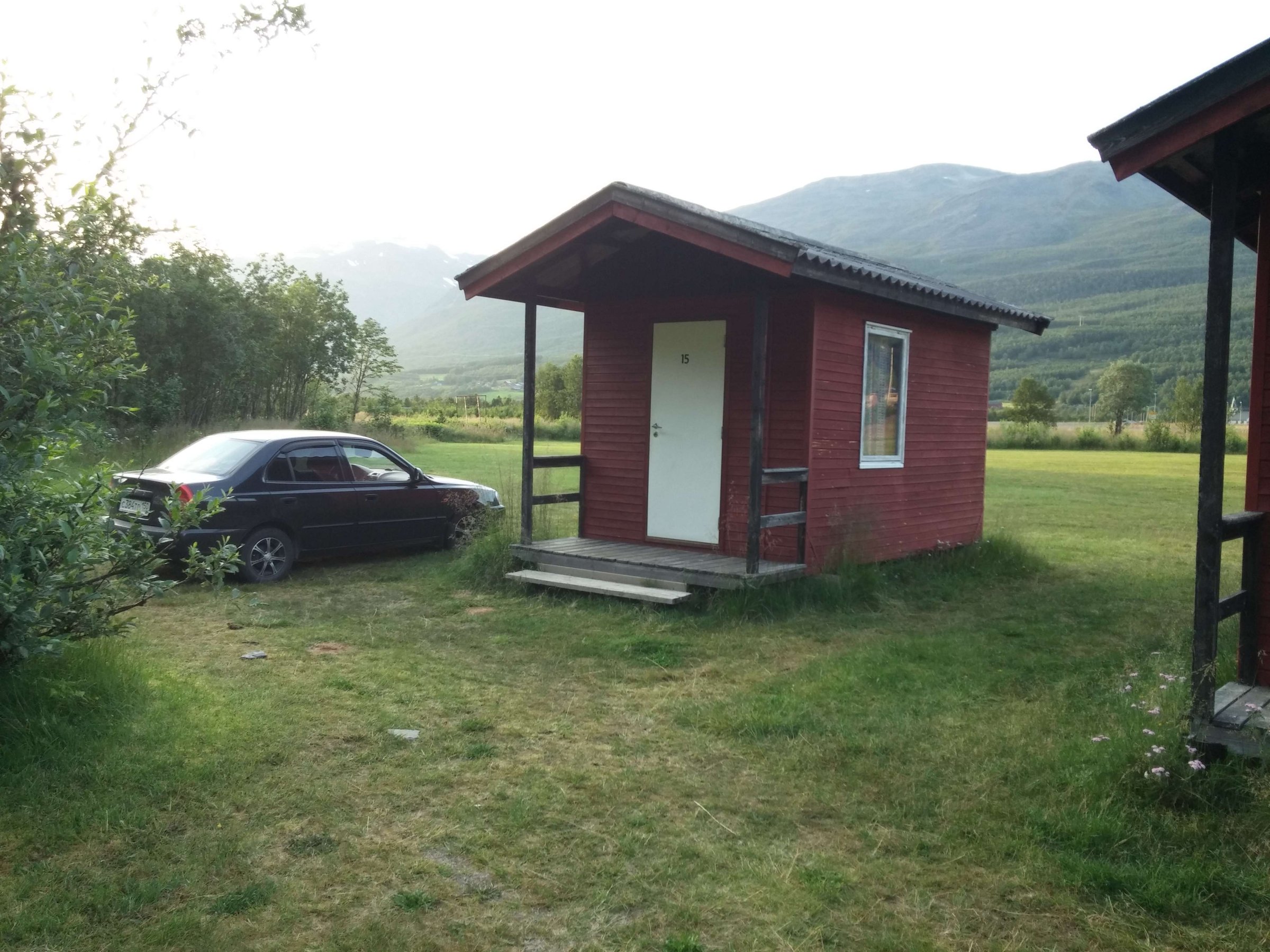
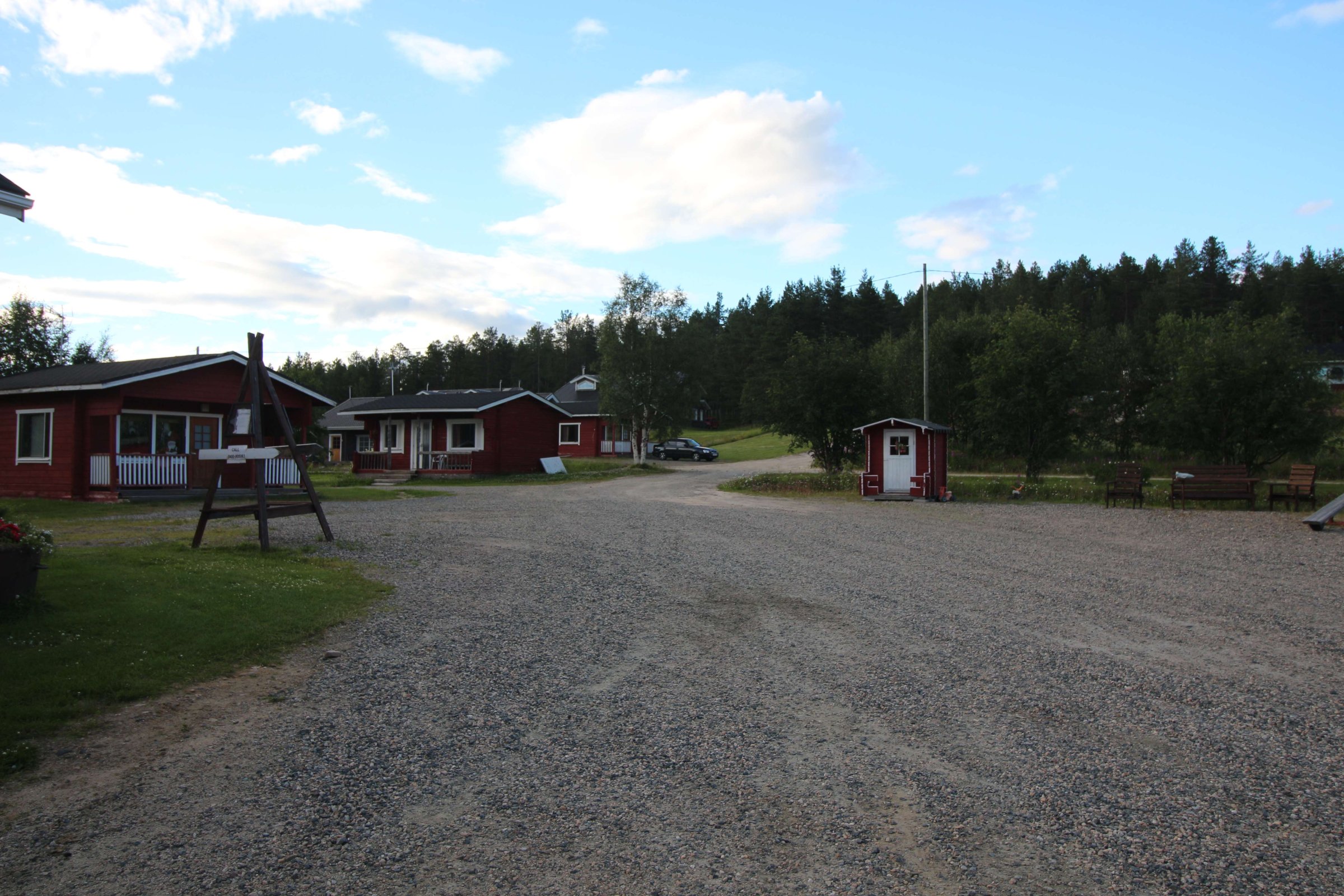
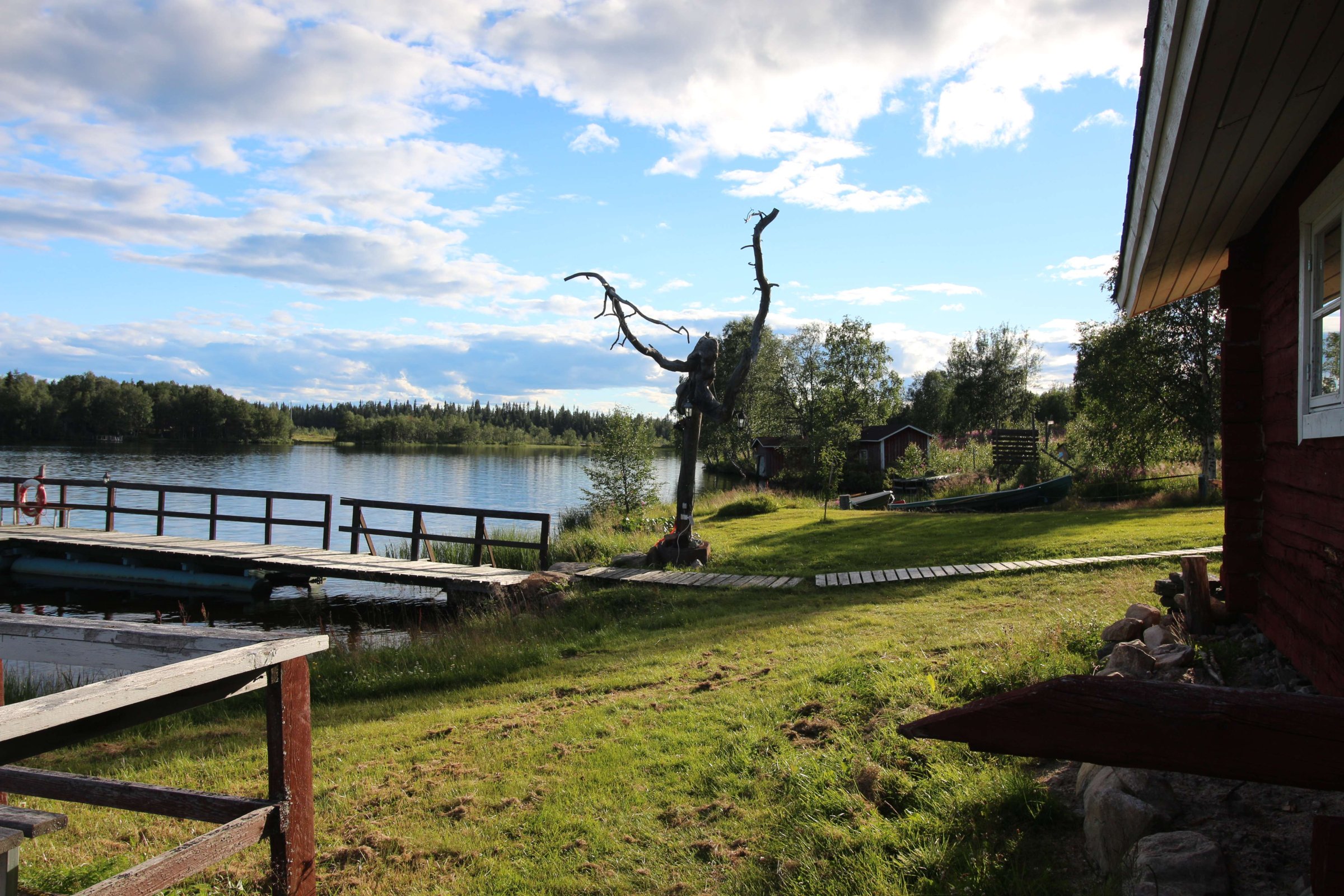
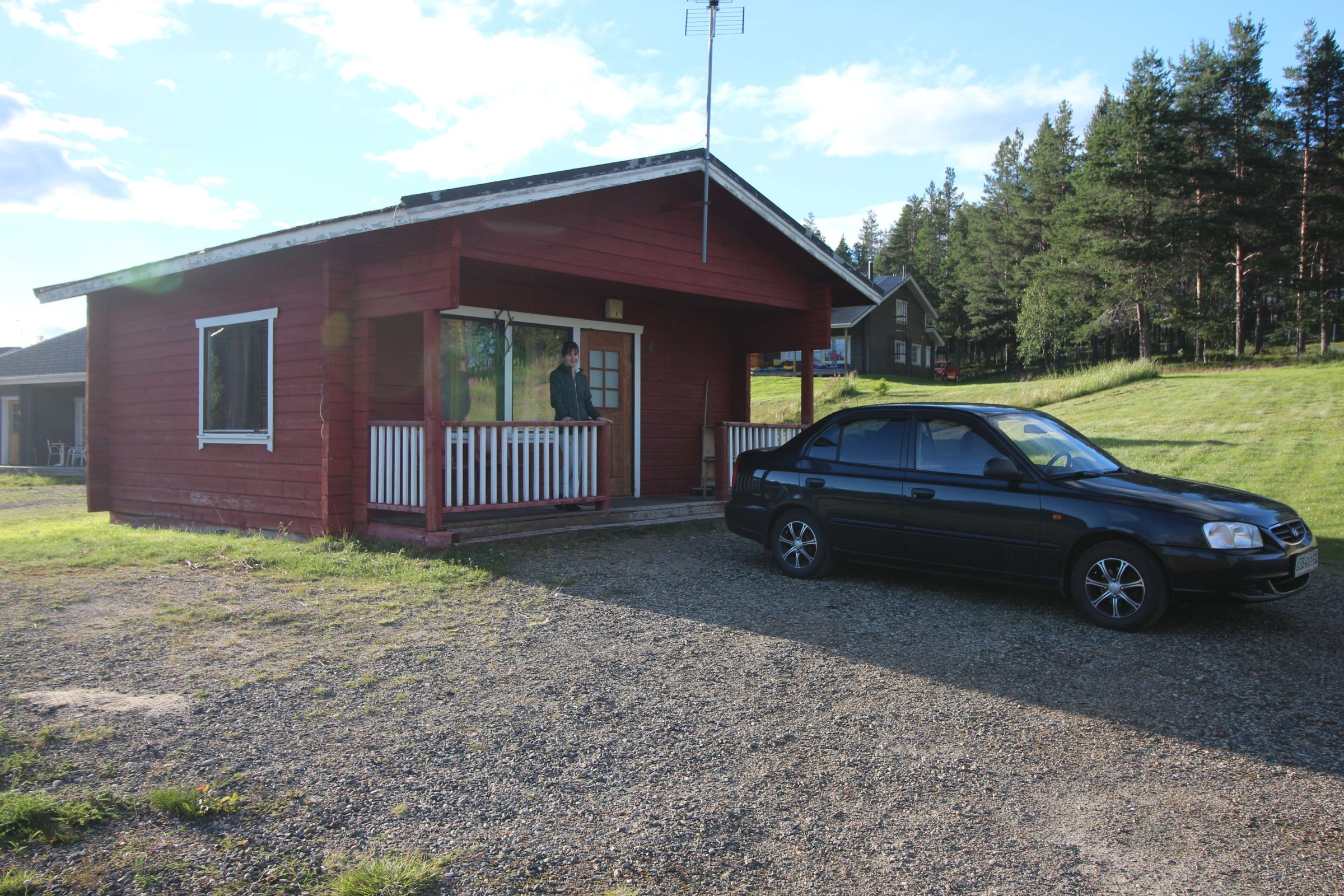
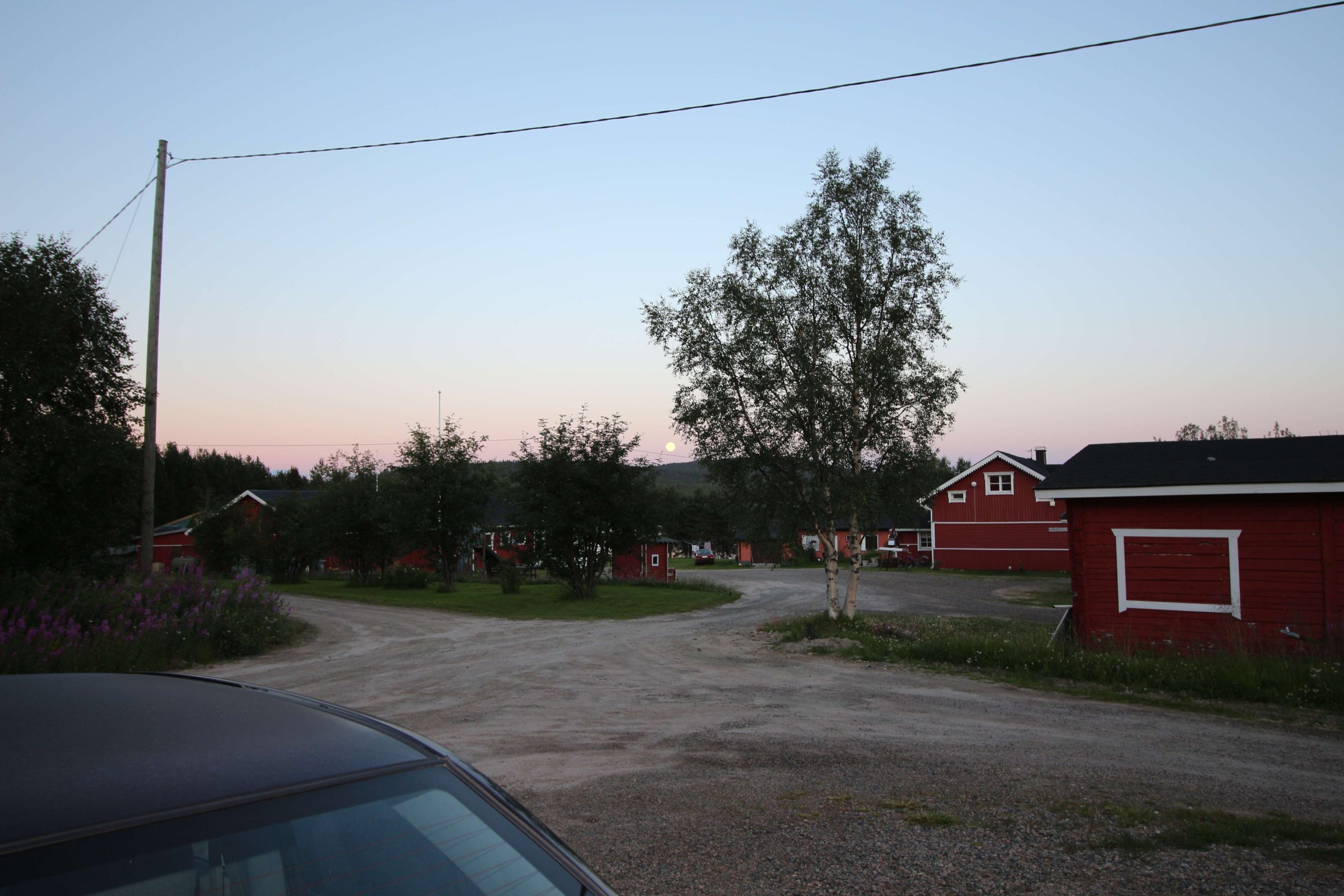
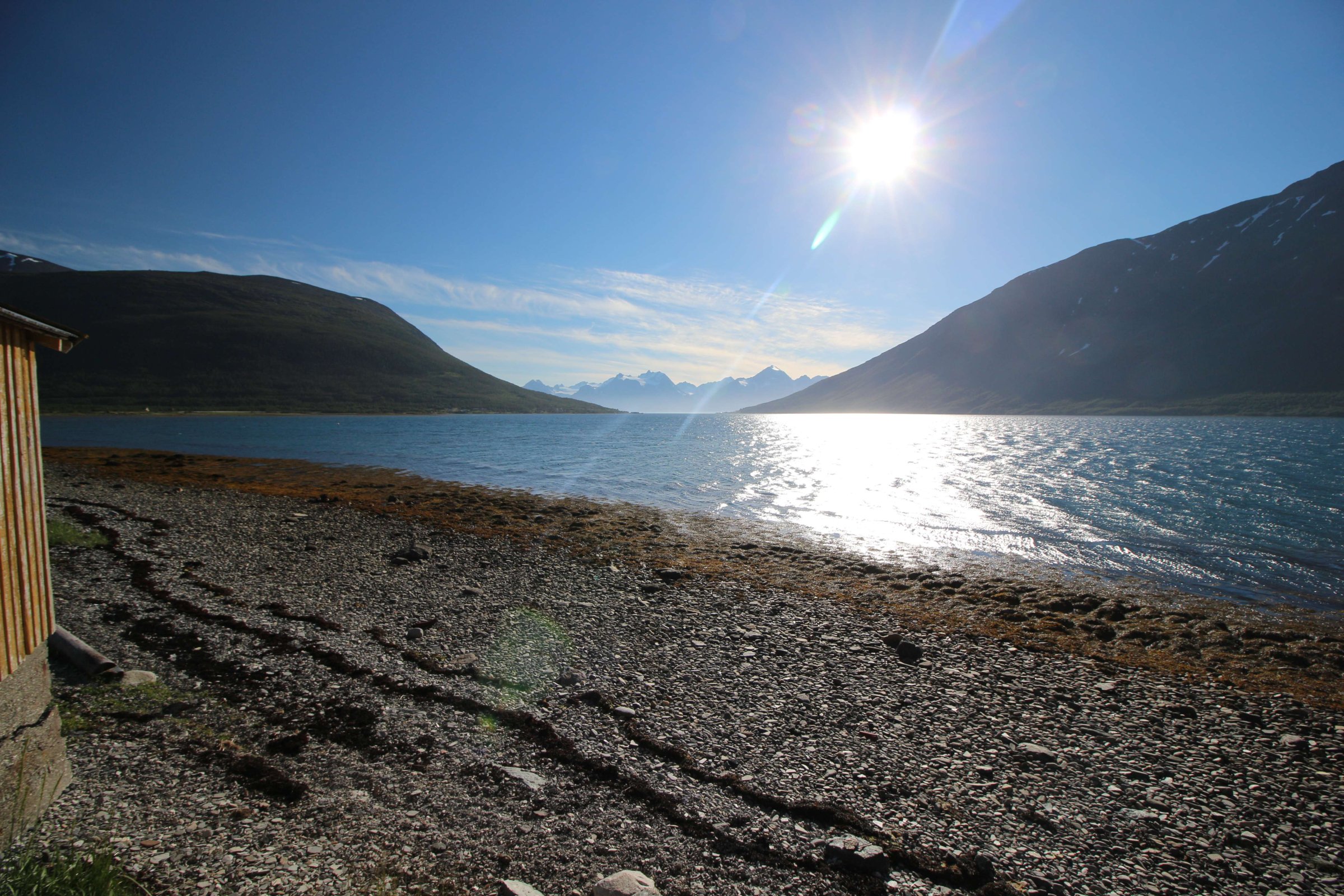
Our fifth day of the trip ended in a place called Birtavarre. That was where we spent our first night in a cabin. It was a small hut with two beds, a refrigerator and an electric hotplate.
That cabin cost us only 2,900 rubles, 370 NOK, and it was the cheapest cabin we had on the whole route. Cabin prices for us ranged from 370 NOK to 650 NOK.